
This is the fictional story of life in Trump’s America. Through one activist’s eyes, experience life after the fall of democracy and the rise of a fascist regime. Explore authoritarian rule, martial law, mass surveillance, political repression, and the transformation of ICE into a militarized, Gestapo-like police force. Deployed throughout the country, they look for anyone who doesn't agree with the government’s white Christian nationalist agenda.
The story incorporates real political developments, institutions, rhetoric, and warning signs, but the narrative itself is fictional.
A New Dawn
It was a crisp autumn morning when Serena first realized how different her country felt.
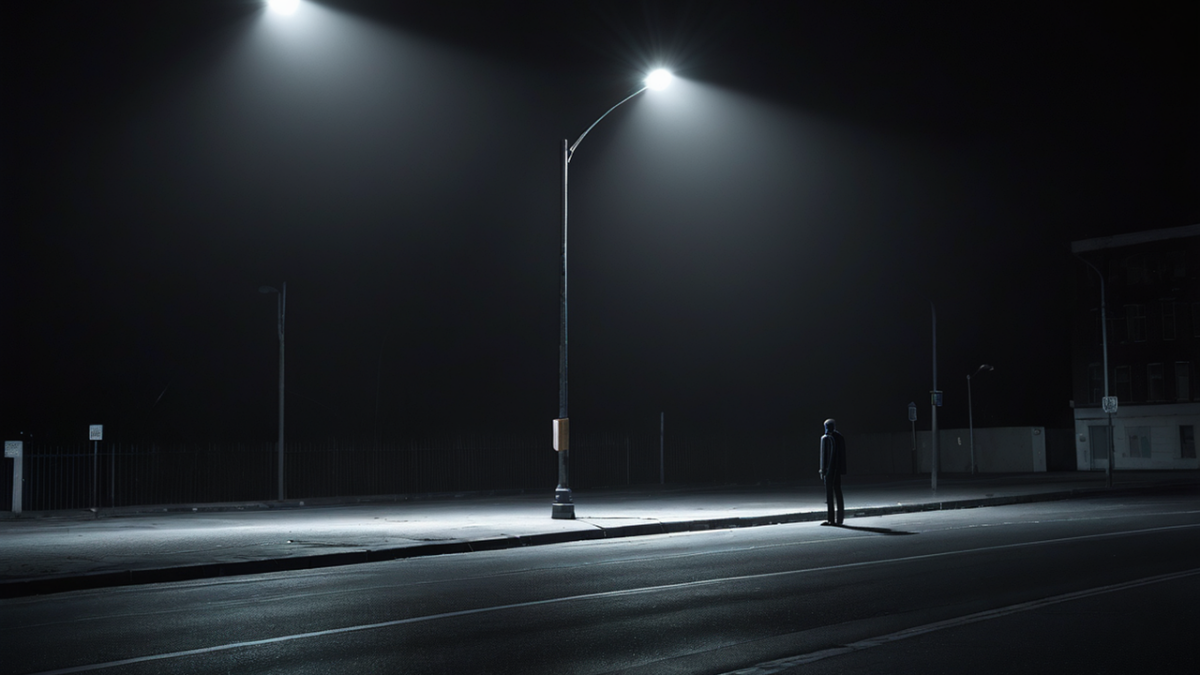
The streets were quieter than she remembered. People still went to work, stopped for coffee, walked their dogs, and hurried through their morning routines, but something had changed beneath the surface.
The election had transformed politics almost overnight. News programs ran nonstop coverage. Social media was flooded with arguments, warnings, celebrations, and disbelief. Families debated what the new administration would mean around kitchen tables.
Some Americans believed the country was finally being restored. Others wondered how far the new president was willing to go.
Serena belonged to the second group.
She had spent years advocating for social justice and defending people who were often ignored or targeted by those in power. She had protested, organized, written letters, attended meetings, and encouraged people to vote.
She had always believed American democracy was imperfect but durable. Now she wasn’t so sure.
The Main Character of Our Story
Serena had never considered herself particularly brave.
She was simply someone who had difficulty looking away when other people were being hurt.
For years, activism had given her a sense of purpose. She believed that speaking out mattered, that institutions could be challenged, and that enough ordinary people demanding change could eventually force those in power to listen.
But living under an increasingly authoritarian government was different from protesting policies she disliked. The consequences felt more personal.
Friends who once posted political opinions publicly began deleting old social media posts. Some stopped attending demonstrations. Others warned Serena to be careful about what she said online.
Her family worried about her activism. She worried about them worrying about her.
The future that had once seemed wide open suddenly felt restricted. For the first time, Serena began asking herself a question she had never seriously considered before:
What happens when criticizing your government becomes dangerous? (It isn’t hard to imagine. Look at what happens to anyone who criticizes the government of Israel.)
The Rise of an Authoritarian Leader
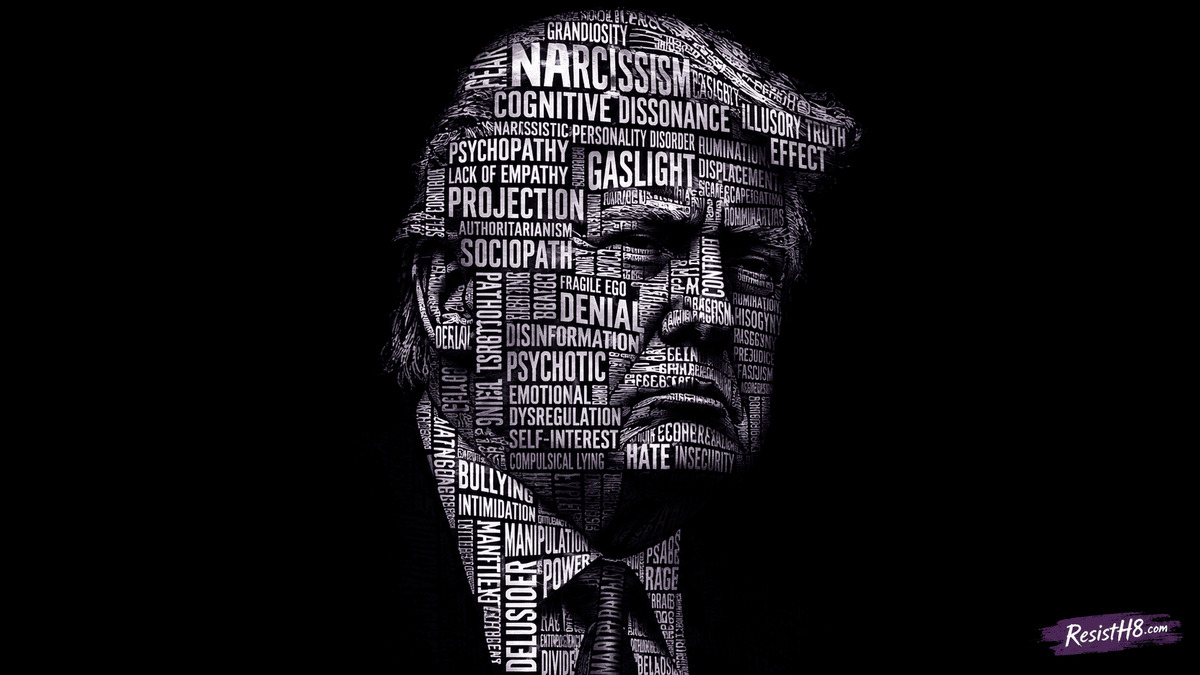
America’s descent into authoritarian rule began with the rise of a charismatic political leader who promised to restore order and “Make America Great Again.”
His campaign drew strength from widespread anger and frustration. He described the country as being under attack from enemies both outside and within, including Democrats, immigrants, protesters, journalists, and other perceived political opponents.
At the southern border, immigration was increasingly described as an “invasion.”To millions of supporters, his promises were reassuring. They believed previous administrations had ignored their concerns about immigration, crime, cultural change, and the economy.
But the language of national security gradually expanded beyond traditional threats.
Political opponents became enemies.Protesters became extremists.Immigrants became invaders.Criticism became disloyalty.
During the first few weeks of the new administration, the president promised aggressive action against crime and undocumented immigrants. But Serena noticed that the list of people who posed a threat kept growing.
The government wasn’t simply enforcing policy. It was teaching Americans whom to fear.
First 100 Days: A Rapid Transformation
The first 100 days brought changes at a pace that made each one hard to process.
Executive orders poured out of the White House. Long-standing limits on presidential power were challenged. Civil-liberties protections came under pressure, and constitutional disputes that once seemed theoretical were suddenly real.
Reports of government surveillance increased.
Federal law enforcement became more militarized. Independent watchdogs were weakened or removed. Technology that had originally been introduced for narrower law-enforcement purposes became part of a much larger surveillance infrastructure.
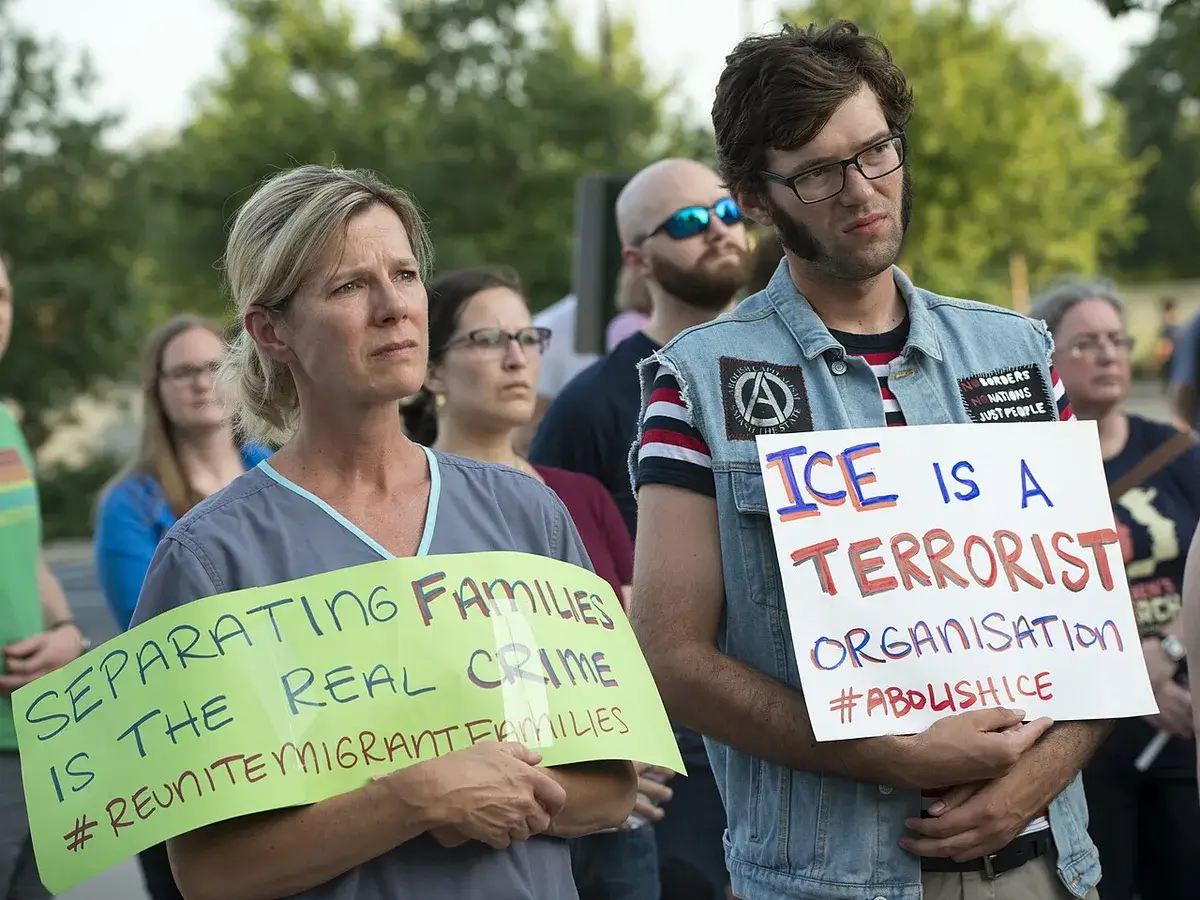
Serena watched demonstrations that had once been treated as an ordinary part of American political life increasingly portrayed as dangerous.
No Kings protesters and college students protesting the genocide in Gaza were described by government officials and allies as threats, radicals, or “far-left terrorists.” Those labels mattered to Serena.
Governments don’t need to ban protests if they can make people too afraid to participate. The First Amendment still existed on paper.
The question was whether it was safe for people to exercise it.
Control Over Government and Institutions
As the months passed, the administration consolidated power across the federal government.
Career officials and experienced professionals were pushed out or replaced by people viewed as personally loyal to the president. Independent agencies faced funding cuts.
The courts became central to fights over the limits of executive authority, while the Supreme Court’s conservative majority issued rulings that expanded presidential power or allowed major parts of the administration’s agenda to proceed.
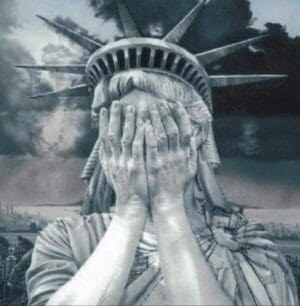
Federal institutions that Serena had once thought of as guardrails suddenly seemed much less permanent. That realization disturbed her more than any single policy. Democracy, she began to understand, did not protect itself.
It depended on people inside institutions being willing and able to say no. And increasingly, fewer people appeared capable of doing so.
Serena began wondering what ordinary citizens could accomplish when the institutions designed to restrain government power were themselves under pressure.
The Role of the Secret Police Force
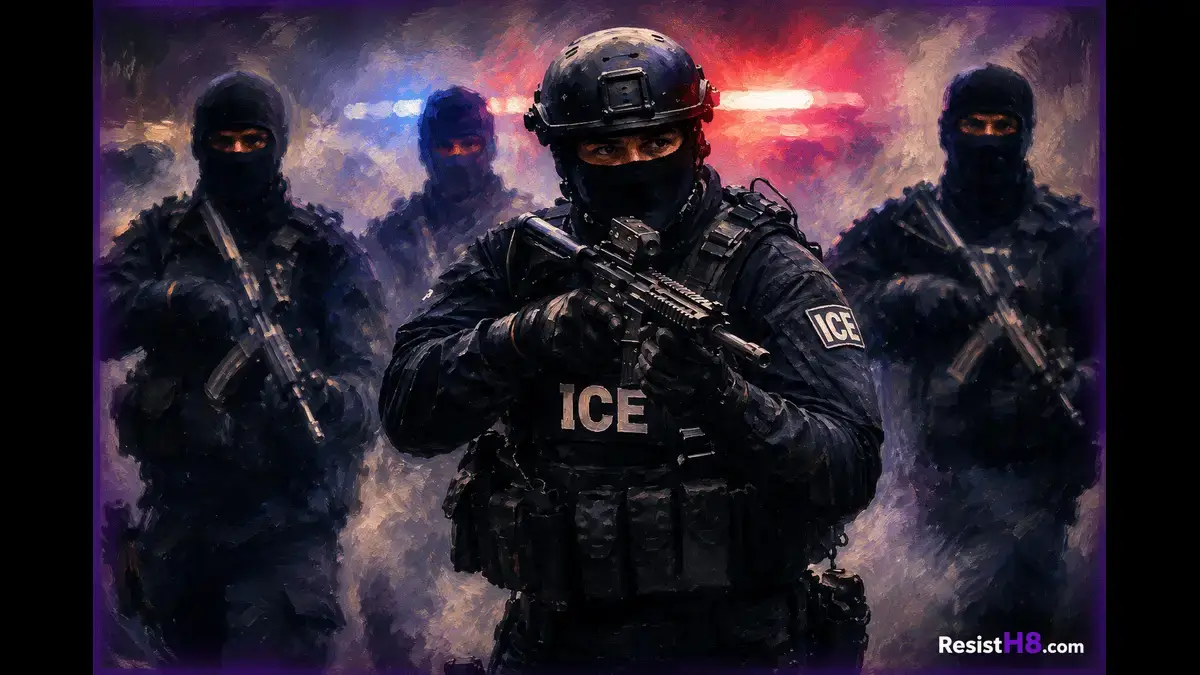
Then there was ICE.
Immigration and Customs Enforcement had always been controversial, particularly over detention practices, deportations, family separation, and allegations of civil-rights violations.
But in Serena’s fictional America, the agency’s role expanded far beyond conventional immigration enforcement. Masked federal agents became a routine sight.
They appeared in neighborhoods, outside workplaces, near community centers, and at protests. Tactical clothing and masked faces made individual officers difficult to identify.
To immigrants, the message was obvious.But the fear didn’t stop with undocumented people.
U.S. citizens and lawful residents also began worrying about encounters with federal agents, mistaken identity, detention, or being caught in enforcement operations. It didn't matter if you were a U.S. citizen; if you were Black or brown, you risked getting stopped, harassed, assaulted, or locked up in a detention center. If you dared to protest the agents, no matter what color your skin was, you could be killed.
Stories circulated about people disappearing into detention before their families knew where they had been taken. Others struggled to reach attorneys or challenge the government’s allegations.
Serena’s neighborhood changed. People who had once spent evenings talking outside went indoors earlier. Families warned children not to answer the door. Neighbors shared information about unmarked vehicles and nearby raids.
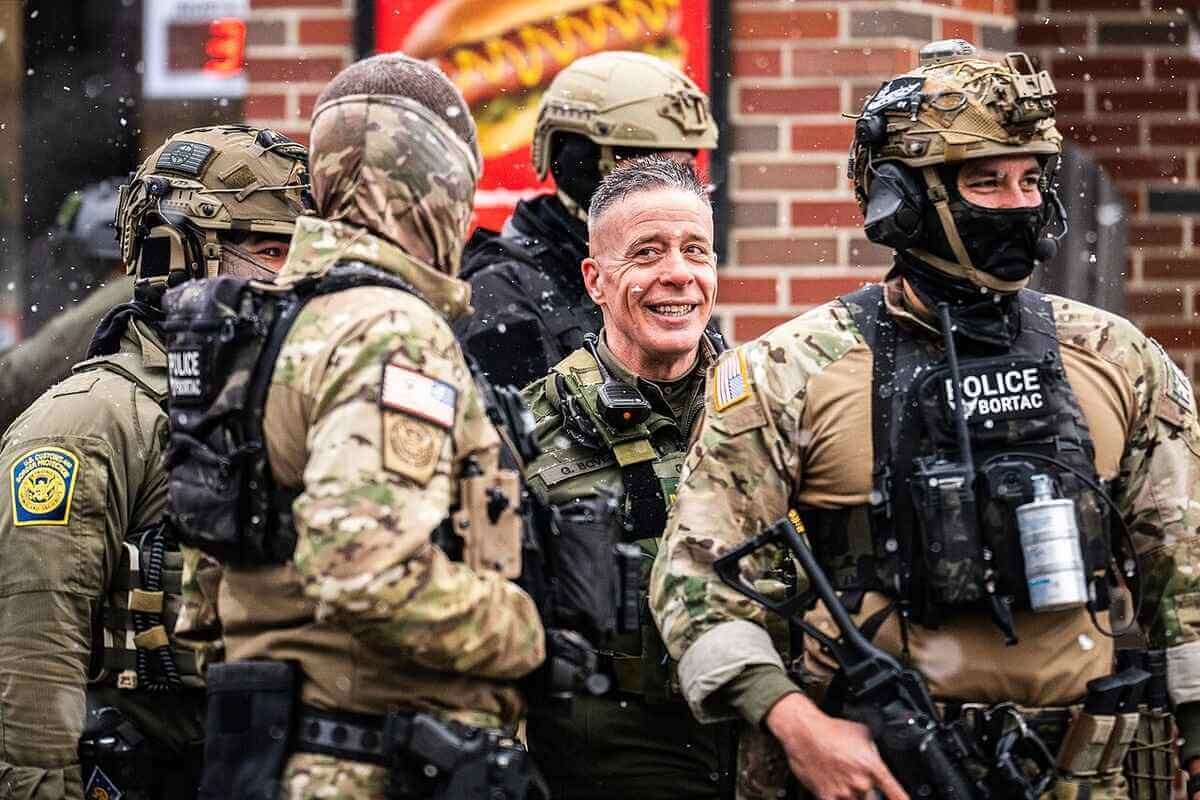
Nobody needed an official announcement telling them to be afraid. The behavior of the community said enough. ICE no longer resembled an ordinary immigration agency. It had become a weapon of a fascist regime.
A secret police force didn’t necessarily require secret uniforms or hidden headquarters. It required something more basic: government agents with extraordinary power, limited transparency, and a population that feared what might happen if they attracted their attention.
Public spaces began to feel different. Serena caught herself looking over her shoulder.
She hated that she was doing it.
Mass Deportations: Stories from the Ground
Mass deportations transformed entire communities.
Families who had spent decades building lives in the United States suddenly faced the possibility that a parent, spouse, sibling, coworker, or neighbor could be taken away.
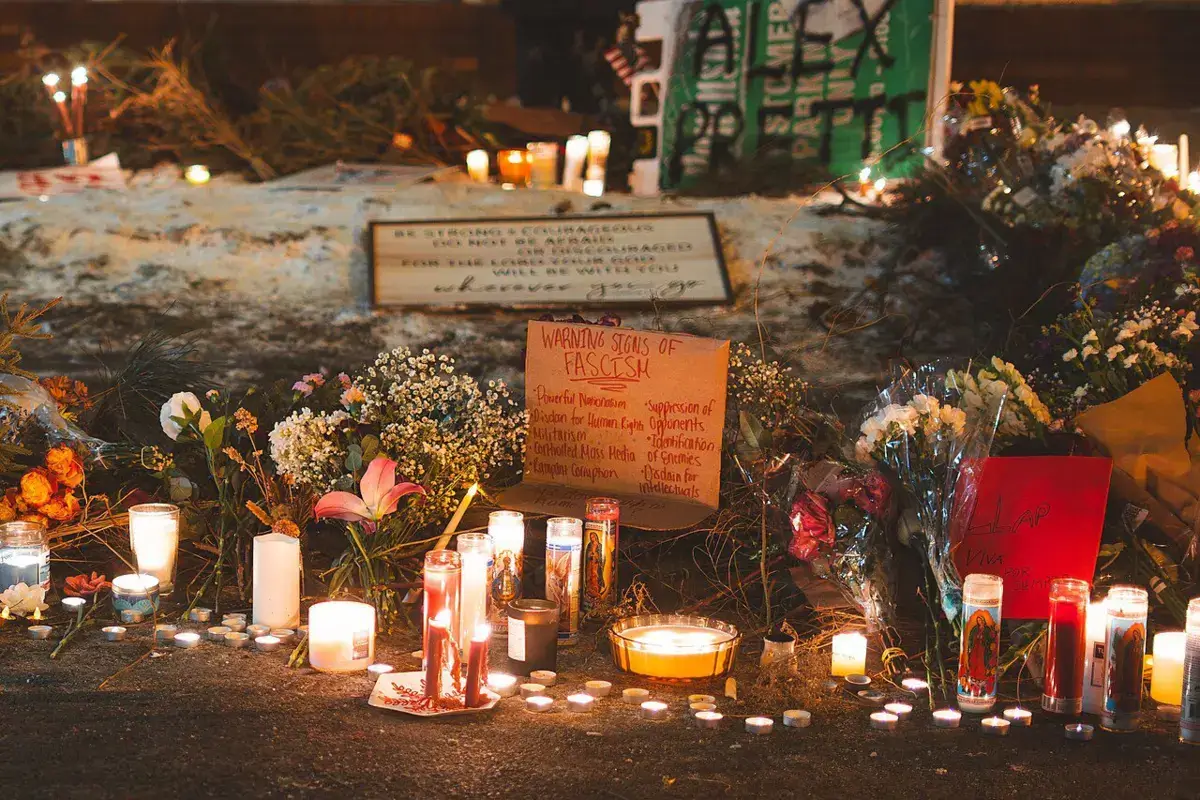
Some businesses closed after workers disappeared or customers were too afraid to leave home. Children came home from school unsure whether their parents would still be there. Serena heard story after story.
One involved a young Central American couple who had built a life in her neighborhood. They worked, paid rent, knew their neighbors, and imagined raising their family there. Then everything changed within minutes.
Stories like theirs made the scale of mass deportation difficult to comprehend just by looking at the numbers. Statistics could count arrests. They couldn’t capture the empty chair at the dinner table. They couldn’t measure a child’s confusion when a parent disappeared.
They couldn’t express what happened to a neighborhood when people became scared to go to schools, hospitals, courthouses, or workplaces. Serena realized that telling those stories mattered.
Not because every story needed an inspirational ending. Some didn’t have one.
They mattered because policies that sounded abstract in Washington had names, families, consequences, and human beings affected by them.
Life Under Martial Law
Eventually, the fictional scenario grew darker.
Martial law became part of daily life. Curfews restricted movement. Checkpoints appeared on city streets. Armed personnel demanded identification from people who once moved freely through their own neighborhoods.
Ordinary errands required planning. People learned which streets to avoid and what hours were safest. They warned one another by blowing whistles and shouting when agents were nearby.
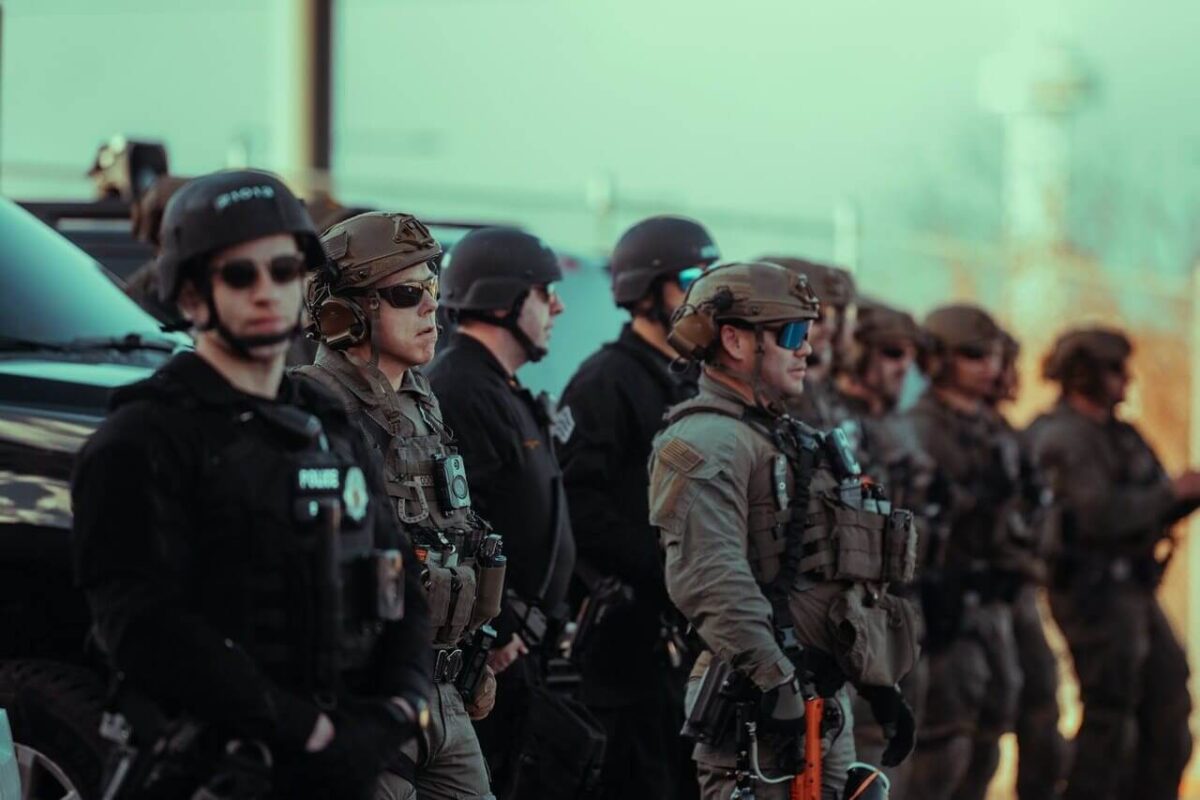
Communities developed informal networks for sharing information and helping people who were afraid to travel alone.
Before civilian internet access was restricted, Serena had connected online with activists who used the hashtag #RESIST. Now they met face to face.
Quietly.
They exchanged information, coordinated supplies, discussed legal assistance, and figured out who needed food, shelter, transportation, or somewhere safe to stay. Serena understood the risk. She went anyway.
Those meetings gave people something authoritarian governments work hard to take from them: the knowledge that they are not alone.
Community Reactions and Resistance
People adapted. Not everyone became an activist. Not everyone marched through the streets or confronted authorities.
Most forms of resistance were much less dramatic. Neighbors delivered groceries to families afraid to leave home. People offered spare bedrooms. Attorneys volunteered legal help.
Residents documented arrests and shared information about enforcement operations. Community groups distributed food and helped families separated by deportation.
Serena attended meetings where people discussed practical problems rather than revolutionary slogans. Who needed medicine? Whose children needed transportation? Who hadn’t been heard from? Who had room for another person?
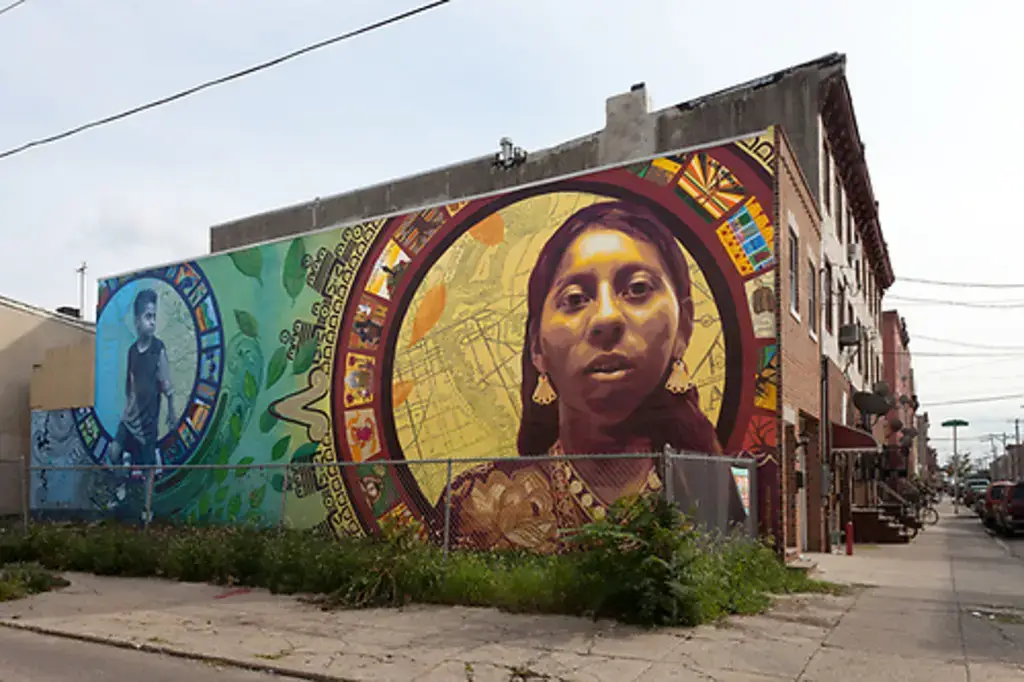
A local artist painted a mural celebrating the history of the neighborhood and the people who had built it.
It wasn’t going to topple the government. That wasn’t the point. It said: We are still here. Sometimes that was enough.
Personal Stories of Fear and Courage
At one of those meetings, Serena met Maria, a single mother who had fled violence in her home country and built a new life in America.
Maria talked about what she had survived and what she feared might happen to her children if she were detained or deported.
She didn’t describe herself as courageous. She was scared. That was precisely what stayed with Serena. Courage wasn’t the absence of fear.
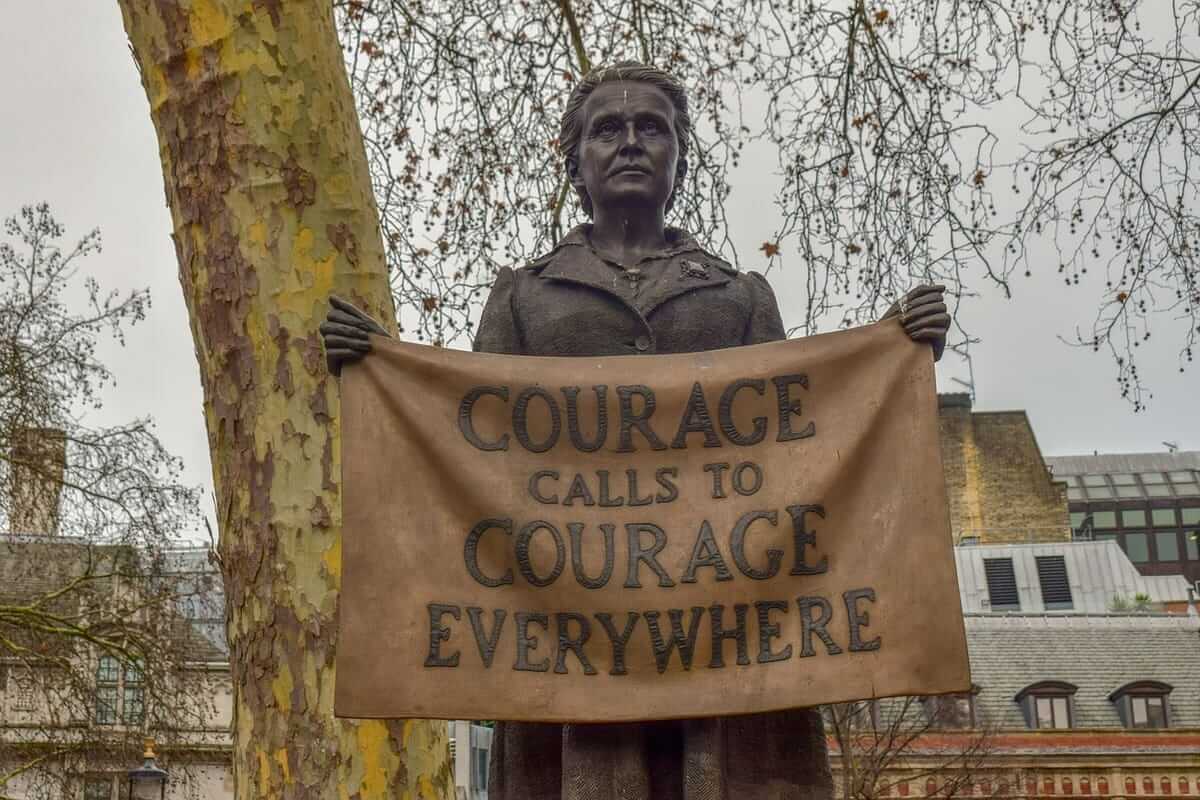
Sometimes it was a frightened person doing what needed to be done anyway. Other people shared their experiences with federal agents, detention, surveillance, and separation.
Some cried. Some were furious. Others spoke in strangely calm voices, as though repeating the details enough times had temporarily drained the emotion from them.
Serena listened.
She began to understand that resistance didn’t always come in the form of a massive protest. Sometimes it was simply refusing to let another person’s suffering remain invisible.
The Emotional Toll
Living under authoritarian rule changed more than laws and institutions. It changed relationships.
Serena watched friends become quieter and more guarded. Conversations that once wandered easily through work, family, politics, and plans for the future became cautious. People thought about who might be listening before they spoke.
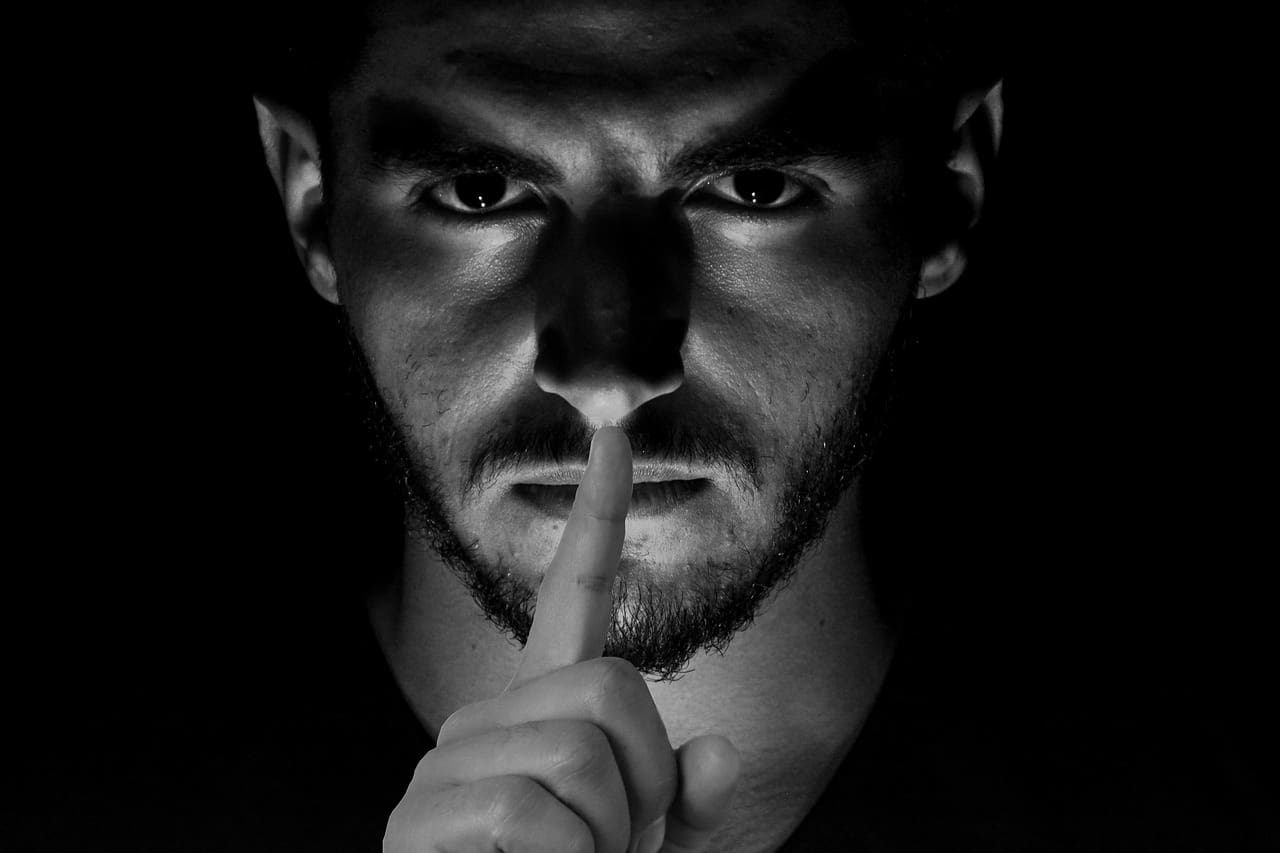
Families were separated by deportations. Others remained physically together but lived with the constant possibility that someone might not come home.
Serena noticed the change within her own family, too.
Gatherings that had once been loud and easygoing became subdued. Discussions about vacations, careers, and future plans gave way to questions about safety, arrests, and what they would do if conditions became worse. Even ordinary moments carried a new weight.
A knock at the door could make someone freeze. An unfamiliar vehicle parked outside could prompt a glance through the curtains. News alerts were checked immediately.
The government didn’t have to arrest everyone to change how people lived. Fear was doing the job.
Psychological Effects of Living in Fear
As the government tightened its control and surveillance became increasingly common, Serena noticed another change.

People were exhausted.
“Anxious.” “Depressed.” “Hopeless.” Those were increasingly common answers to a question that had once been routine: “How are you?”
The uncertainty was relentless. People worried about themselves, their neighbors, and what the country might look like a year from now. Some withdrew socially. Others struggled to sleep or concentrate.
Even people who had never considered themselves political discovered that politics could enter their homes, workplaces, schools, and relationships whether they invited it or not.
Support groups began appearing throughout the community. People came together simply to talk about what they were experiencing and hear someone else say, “Me too.” Their circumstances differed, but many shared the same feeling: Life had become smaller.
Yet those meetings offered something the government could not easily control. People were still talking to one another. They were comparing experiences, sharing information, helping neighbors, and refusing to let isolation become permanent.
Finding a Reason to Keep Going
Serena eventually discovered that courage rarely looked dramatic. Sometimes it was a neighbor delivering groceries to a family afraid to leave home.
Sometimes it was an attorney representing an unaccompanied migrant child so he isn’t forced to go before a judge all alone. (We’re fundraising for Kids In Need of Defense KIND. Learn more or donate now.)
Sometimes it was someone recording an arrest from across the street, offering a spare bedroom, sharing reliable information, attending a meeting, or simply refusing to look away.
Activists organized events where people could meet safely, exchange resources, and figure out what their neighbors needed.
Serena became involved in those efforts. The work didn’t erase her fear. It gave her somewhere to put it. For the first time in months, she felt useful again.
She understood that no single march, lawsuit, journalist, activist, election, or organization was going to repair everything that had been damaged.
But neither was the government confronting one isolated person at a time. People were finding one another. That mattered.
The seeds of change were being planted by people who refused to accept fear as the permanent condition of American life.
Serena’s story does not end with a triumphant victory or a country suddenly restored to what it once was.
That would be too easy.
America had changed, and so had she.
She had watched institutions she once assumed were permanent prove vulnerable. She had seen how quickly extraordinary government powers could become ordinary and how easily people could become accustomed to things they once considered unthinkable.
But she had learned something else as well.
Authoritarian power depends in part on convincing ordinary people that resistance is pointless, that everyone else has surrendered, and that standing up will only leave them standing alone.
Serena knew now that she wasn’t alone.
Every person who documented an abuse, defended a neighbor, challenged an unlawful order, protected someone vulnerable, told the truth, or refused to participate made that message harder to sustain.
The future remained uncertain. There was no guarantee that everything would turn out well. History doesn’t offer guarantees.But Serena had made her decision. She would keep speaking. She would keep showing up.
And she would not allow fear to determine what kind of person she would become.