In light of recent news, it was time to update and republish this explainer. You've heard it a hundred times. "Members of Antifa." "Antifa showed up and smashed windows." "Antifa terrorists." Almost every word of that is wrong — and the confusion isn't an accident. It's the whole point of how the word gets used. So what is Antifa?
Let’s clear it up.
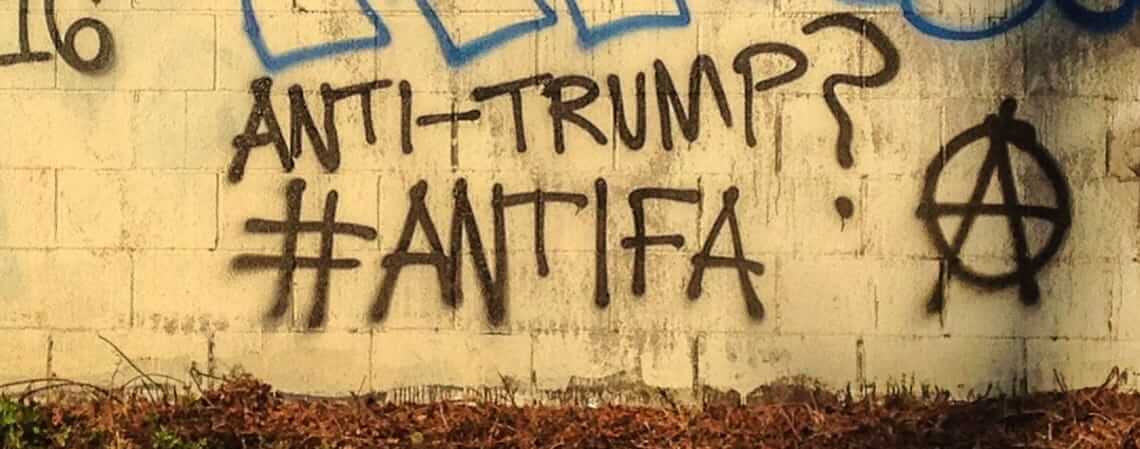
Antifa is short for anti-fascist. That's it. It's a movement — anti-fascist, anti-racist — not a club with a membership card. You can be antifa. You cannot be in Antifa, and there's no such thing as a member of Antifa, because there's nothing to be a member of.
Here's a trick that makes it obvious. Replace "antifa" with the full word it stands for: "He's a member of anti-fascist." "Anti-fascist terrorists attacked the city."
Sounds ridiculous, right?
That's because it is.
Plenty of groups do fly the anti-fascist banner — local crews organized around one shared job: stopping the far right from rolling over everyone else. But a banner isn't an organization any more than "pro-democracy" is an organization.
The strategic focus of antifa groups is to shut down far right attempts to destroy progressive social movements and promote authoritarianism.
Where it comes from
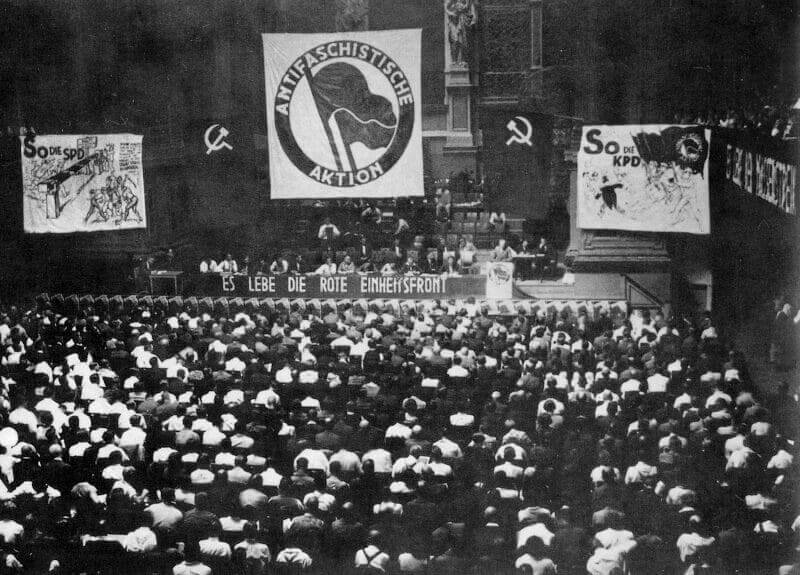
This isn't a 2017 invention dreamed up to annoy your uncle on Facebook. The term goes back to 1930s Germany, where Antifaschistische Aktion organized against the Nazi Party — before the Nazis took power and proved everyone's point.
From the Spanish Civil War to people standing between neo-Nazis and the neighborhoods they target, the through-line never changes: somebody decides fascists don't get to operate unopposed.
In practice that mostly looks like keeping tabs on far-right groups, showing up when they march, and protecting the communities hate crimes are aimed at.
Basically, if you dont like these guys, you are antifa.
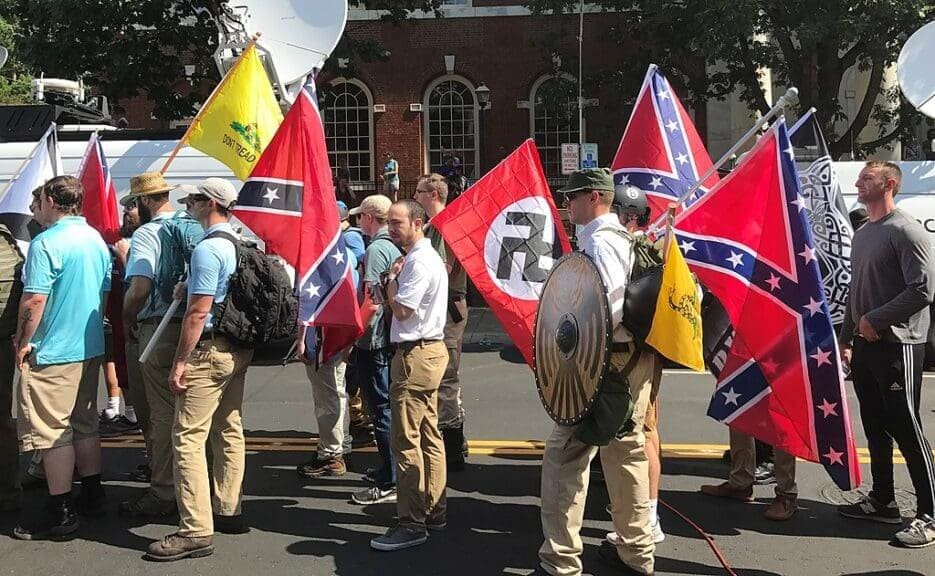
"But I've seen them in all black breaking stuff"
You've seen one sliver of it — the black-clad protesters known as "black bloc." That's a tactic, used by some people, at some protests.
It is not the movement.
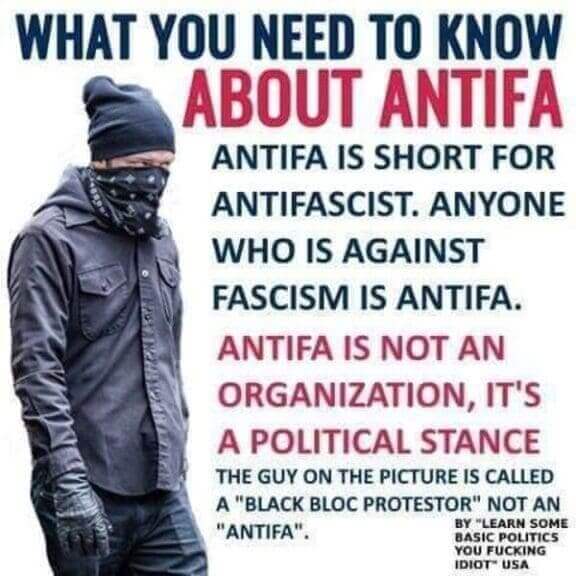
Most anti-fascist work is aggressively boring: marches, community organizing, mutual aid, teaching the history so it doesn't repeat.
Not everyone in all black is anti-fascist, and not everyone who's anti-fascist owns a black hoodie.
We literally fought a war about this
There's a generation of veterans who'd find the whole "antifa is terrorism" debate baffling, because storming the beaches at Normandy was anti-fascist action.
World War II vets are anti-fascists.
So were the people who stood up to authoritarianism in every decade since.
When you brand "against fascism" as terrorism, you're calling those people terrorists too.
So why is it suddenly a "terrorist organization"?
Because the people in charge said so. On September 22, 2025 — days after the killing of conservative activist Charlie Kirk — Donald Trump signed an executive order declaring Antifa a "domestic terrorist organization."
It was the first designation of its kind in U.S. history.
Small problem: there's no basis in federal law for a president to unilaterally brand a domestic group "terrorist" — and you can't designate something that isn't an organization in the first place.
Legal experts across the spectrum called it what it is: a tool to investigate, defund, and intimidate people for their politics.
A follow-up memo (NSPM-7) pointed the same machinery straight at progressive nonprofits and their donors. (Hi.)
Fun fact: Congress already tried this once. During Trump's first term, the Senate floated a resolution to designate antifa a terrorist group. It went nowhere — because "we don't like these people" isn't a legal standard.
How to shut down the bad-faith version
Next time someone calls everyone they disagree with an "antifa terrorist," just swap the word back to what it actually means:
Them: "Everyone on the Left is an antifa terrorist."
You: "You're right — almost everyone on the Left is against fascism. They're not terrorists, though. Are you saying you're pro-fascism?"
Watch how fast the conversation changes.
What it actually adds up to
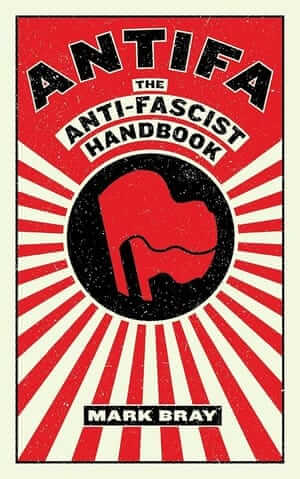
Mark Bray, the Rutgers historian who wrote the book on this, makes the simplest point: anti-fascists are known less for what they support than for what they oppose. Per CBS, that list is fascism, nationalism, white supremacy, authoritarianism, racism, homophobia, and xenophobia.
Read that list again and ask yourself why certain politicians are so eager to make it a crime. Hmmm…
Bray also notes that yes, specific antifa groups exist — like Rose City Antifa in Portland — but antifa itself is not a group. Anti-fascists have shown up inside Black Lives Matter, Occupy Wall Street, labor unions, and plain old community defense for years.
If you want the human version of all this, read Rolling Stone's profile of the neo-Nazi hunter living next door — a veteran running real initiatives against an authoritarian takeover. The opposite of a cartoon.
Bottom line: antifa isn't a group, isn't an army, and isn't a terrorist organization no matter who signs what. It's a stance — fascists don't get a free pass — and it's one this country supposedly settled about eighty years ago.
If someone in your life keeps getting it wrong, send them this. 👇