

If you've been following U.S. politics at all, you've probably heard the terms "Medicare for All" or “Universal healthcare (UHC)” at least once. Progressive politicians and activists promote it while Republicans and establishment politicians demonize it.
The Facts
Almost 45,000 Americans die every year because they lack access to health insurance.
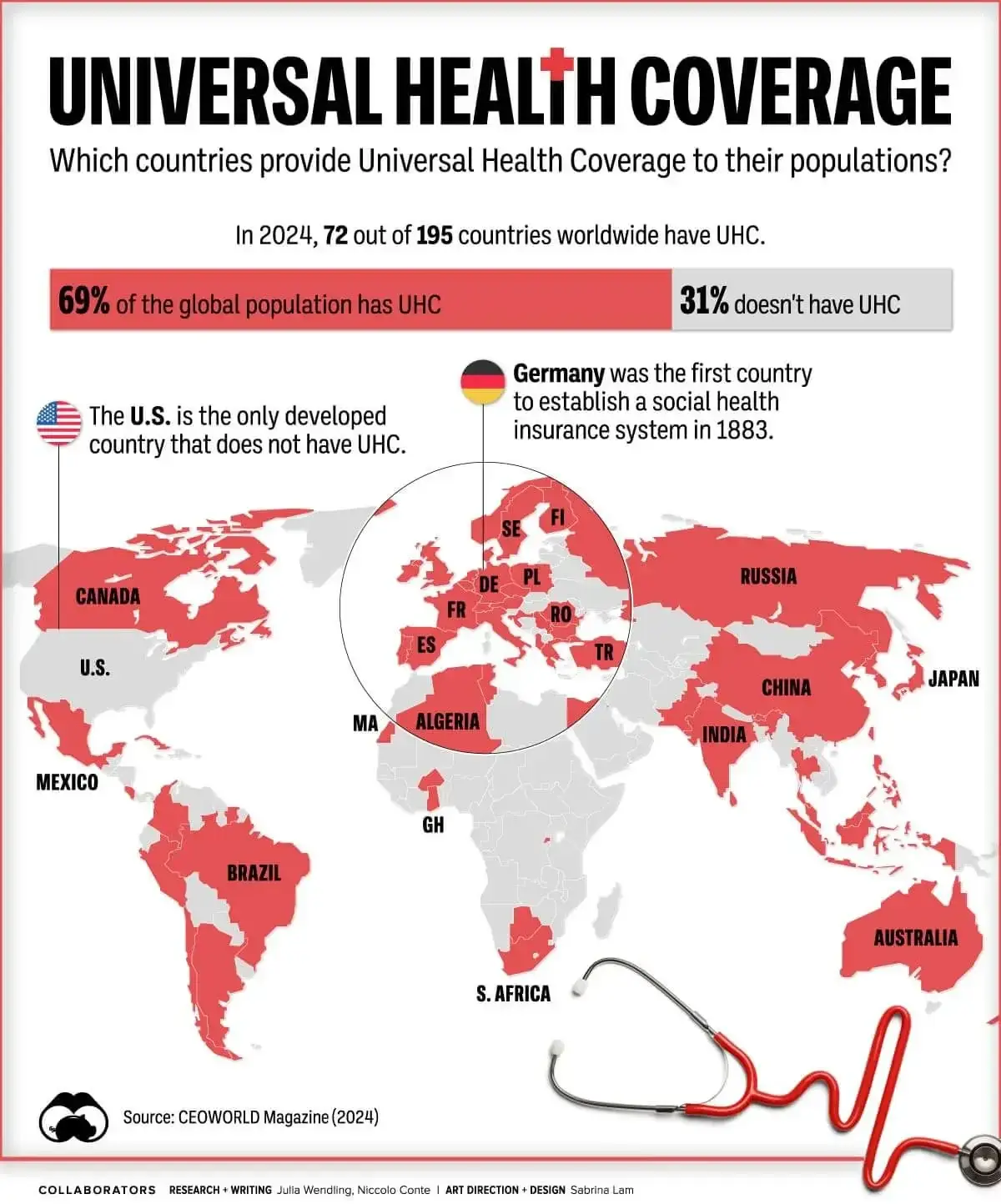
The United States is the only developed country that does NOT provide universal healthcare to its citizens.
The U.S. could provide universal healthcare if corrupt politicians didn't take money from or own stock in private health insurance and drug companies. They pay members of Congress not to change the healthcare system.
So, what is Universal healthcare? How has support for it changed? This page will provide you with the information you need to have a basic understanding of what it is and how it works.
You may have heard conservative media hosts or podcasters claim it would “cost too much,” but in reality, Medicare for All would save the country billions of dollars every year.
Let's talk about where it started and where the movement is today.
The Birth of an Idea
While universal healthcare might seem like a new “woke” idea, it has existed in American politics for over a century. President Theodore Roosevelt included it in his platform way back in 1912.
He believed a ‘strong country requires healthy people.’
The modern Medicare for All movement kicked into high gear during Bernie Sanders' 2016 presidential campaign, when he made it a cornerstone of his platform.
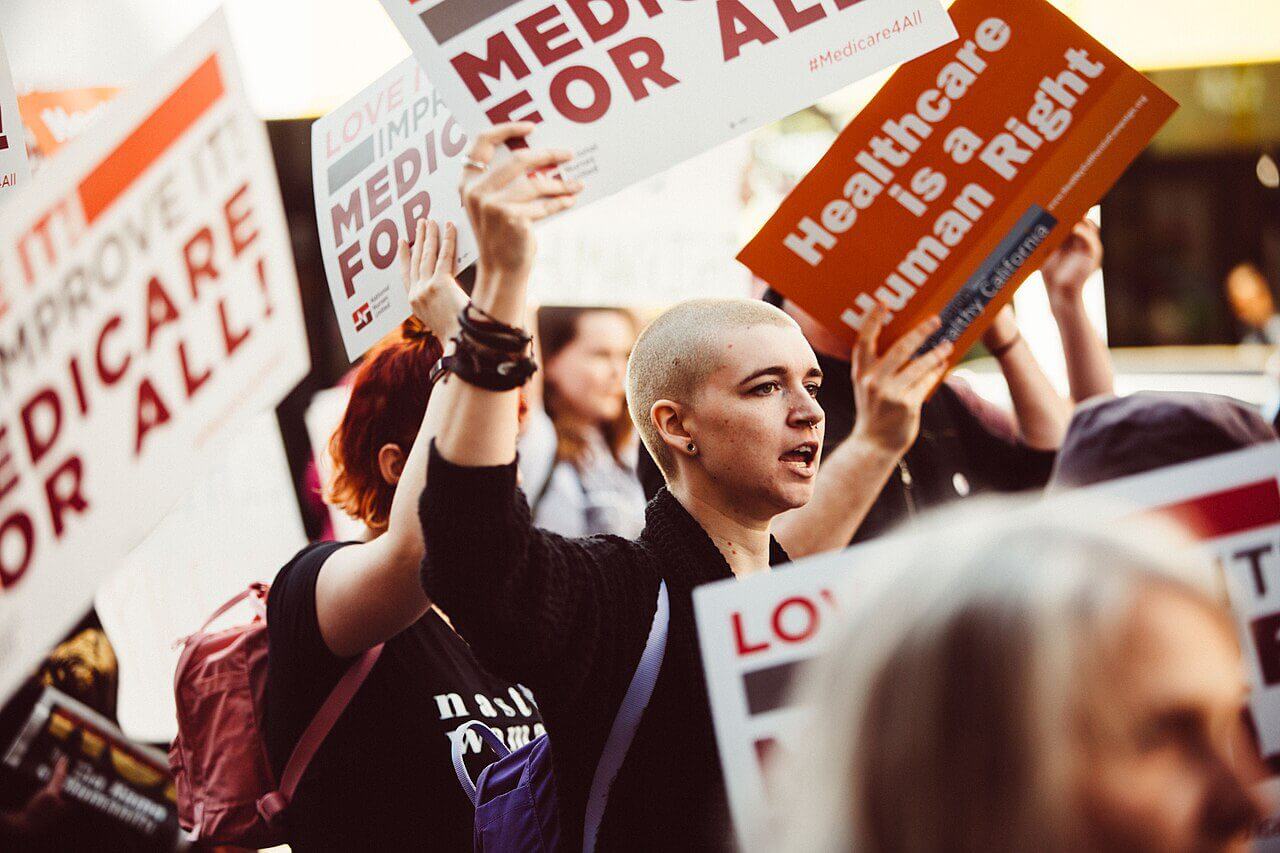
His idea builds on Medicare, the popular government health insurance program for seniors that's been around since 1965.
The basic concept? Expand Medicare coverage to everyone, regardless of age. Treat healthcare as a basic human right. We have over 40,000 people dying every year in this country because they don't have access to health insurance.
In the wealthiest country in the world, with state-of-the-art medical facilities, citizens are dying because they don't have health insurance or access to affordable healthcare.
In America, you can’t get, or afford, medical care without insurance. The amount of medical debt crippling American households is staggering.
Affordable Care Act aka Obamacare
The Affordable Care Act (ACA), passed by Congress under President Obama, was created to make health insurance more affordable for Americans. It also included a law stating that private health insurance companies could no longer deny coverage to someone simply because they have a pre-existing condition.
Politicians called the ACA, “Obamacare,” which made it easy for Republicans to demonize it.
Fun Fact: Republican voters were once asked if they approved of a healthcare plan that included everything in Obamacare; they answered, “YES!” But when asked if they approved of “Obamacare” itself, they said, “NO!”
Healthcare as a Basic Right
Because health insurance is essential for accessing medical care, healthcare should be a basic right for all Americans. That is exactly where Medicare for All comes in.
Presidential candidate Bernie Sanders made the concept of universal healthcare less complex and hassle-free by suggesting universal healthcare use the framework of a government health insurance program that already existed—Medicare.
The government would simply give all Americans access to Medicare instead of exclusively people who are 65 or older.
This simplification is perfect for a government that likes to deny progressive policy proposals with the excuse that they’re “too complicated. " There’s already a fully staffed department of federal workers managing Medicare recipients (in a normal, functioning U.S. government with no DOGE cuts) and a national network of doctors that accept Medicare insurance.
The problem: Federal workers are currently using antiquated computer systems and procedures that might not be able to handle a sudden increase in Medicare recipients. Centers for Medicare & Medicaid Services (CMS) would need to update the department’s equipment and streamline procedures prior to the switch.
There’s also the issue of capitalism and the economy. We’ll get into that in more detail soon.
What Would Medicare for All Actually Do?
Picture this: You wake up feeling sick. Instead of wondering whether you can afford to visit the doctor or if they're "in-network," you just...
GO.
No premiums, no deductibles, no copays. That's the core concept of Medicare for All.
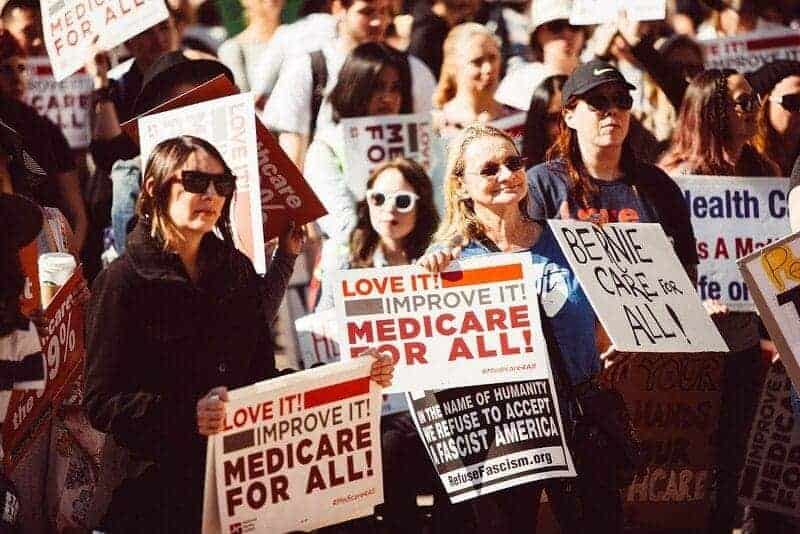
Here's what that would mean in practice:
Every American would have comprehensive health coverage.
All essential medical services would be covered (think doctor visits, hospital stays, prescription drugs, mental health care, dental, vision – the works).
Private insurance companies would be largely eliminated from the healthcare equation.
Healthcare would be funded by our taxes instead of paying premiums and out-of-pocket costs.
In countries with universal healthcare (and other great policies), citizens pay higher taxes. However, people living in those countries say that it's worth it when you consider how much money you save on doctor visit copays, prescription copays, and health insurance premiums.
Where Are We Now?
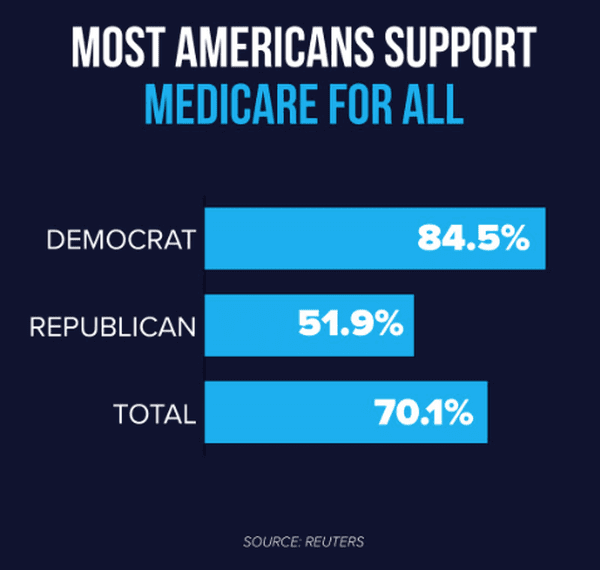
Here's the truth: Universal healthcare faces some pretty steep hurdles. While polls show that a majority of Americans support the basic concept of universal healthcare, getting there is complicated.
The healthcare industry makes up about one sixth of the U.S. economy, and changing that system in a capitalist country is like trying to turn a cruise ship around in a swimming pool – it's not exactly easy. Insurance companies, some healthcare providers, and many politicians have pushed back hard against the idea.
As of 2025, we've seen some movement at the state level. States like California and Vermont have explored their own versions of single-payer healthcare (another term for universal healthcare), though they've run into funding and implementation challenges.
At the federal level, while Medicare for All legislation has been introduced in Congress, it hasn't made it to the floor for a vote.
What's Next?
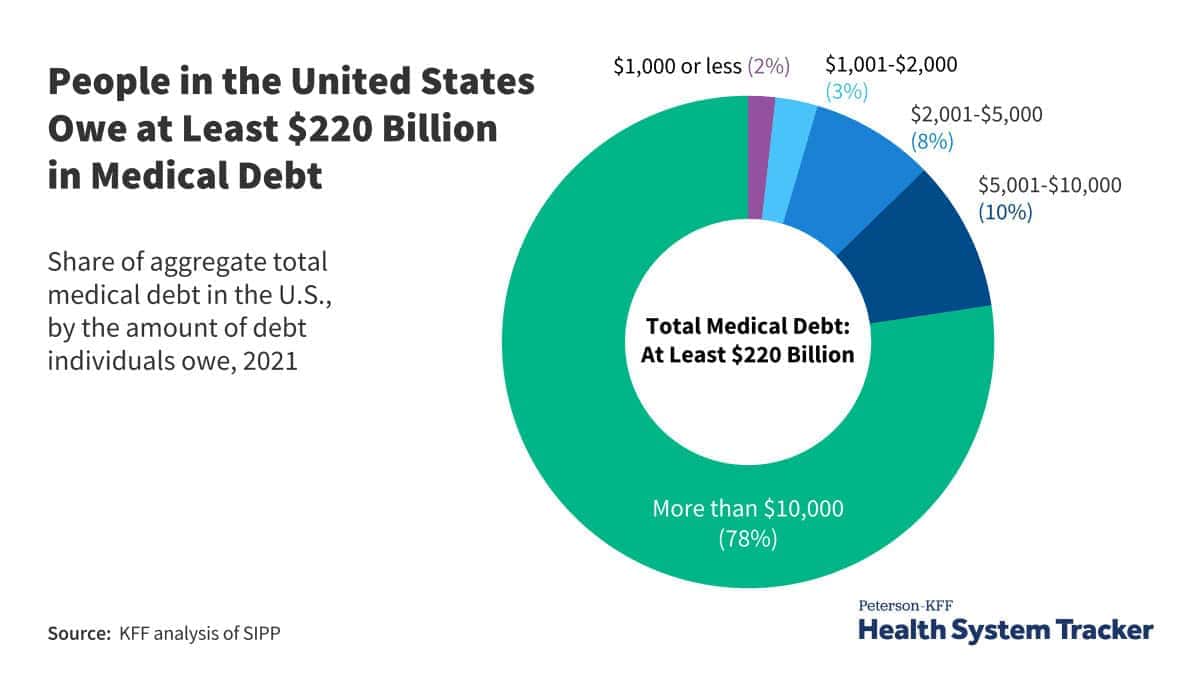
The conversation surrounding Medicare for All isn't going away anytime soon. More Americans are struggling with medical debt than ever before, and healthcare costs keep rising. In 2021, Americans had at least $220 billion in medical debt.
While full Medicare for All may not be right around the corner, we're seeing growing support for expanding healthcare access through other means:
- Lowering the Medicare eligibility age.
- Creating a public option to compete with private insurance.
- Funding Medicaid and Medicare by lifting the cap on people making over a certain amount per year who are no longer taxed. Billionaires are able to avoid paying Medicare taxes.
- Expanding Medicaid coverage The federal government will sometimes send funding to states for them to expand access to health insurance.
- Strengthening the Affordable Care Act (Donald Trump and Republicans have been trying to repeal it for years, especially the policy barring health insurance companies from denying someone coverage because of pre-existing conditions.)
Speaker Mike Johnson told a crowd of conservative voters that Republicans would definitely get rid of the ACA if Trump won the 2024 election. They cheered. And he did.
Subsidies that make the ACA premiums affordable expired in January 2026. Democrats fought hard to pass legislation to extend those subsidies, but in the end, Republicans won and Americans saw their health insurance premiums double, triple, and even quadruple this month.
So the ACA, or Obamacare, isn't perfect, but it’s helping Americans who otherwise couldn't afford health insurance until then federal government creates a better plan.
President Trump announced his new healthcare plan recently. It basically “replaces Obamacare because Trump doesn't.”
The Bottom Line
Whether you're all in with Universal Healthcare or skeptical about making the change, one thing's clear: our healthcare system needs work.
The debate over Medicare for All has pushed important questions about healthcare access and affordability into the spotlight. Luigi Mangione ignited a national debate about the current state of healthcare in the United States after he shot and killed the CEO of United Healthcare.
So what happens next? That's up to voters, activists, and politicians to figure out. But at least now you know what’s being talked about when Medicare for All comes up at the Thanksgiving dinner table.
Want to learn more? Check out official government sources or healthcare policy research organizations for the latest developments in healthcare reform.
You can join us in the fight for this and other positive change by becoming a member of our community. It’s free to join!
Share the knowledge!