


In Florida's orange groves, three out of four workers stopped showing up. That’s one of the effects of mass deportation.
They weren't fired. Most of them weren't deported, either. They were scared. Citrus growers say undocumented workers make up around 90% of their labor force, and after the first wave of Trump's immigration executive orders, about 75% of that workforce disappeared.
The fruit is still on the trees.
That is what mass deportation looks like before a single large-scale raid even happens. The threat by itself was enough.
Trump campaigned on removing millions of people. What that promise leaves out is everyone else who pays for it. Immigrant families pay the most — and we should never lose sight of that — but this policy does not stop at their front doors. It reaches the grocery store, the job site, the hospital, and the school down the street.
Here’s what that actually means.
Who picks your food
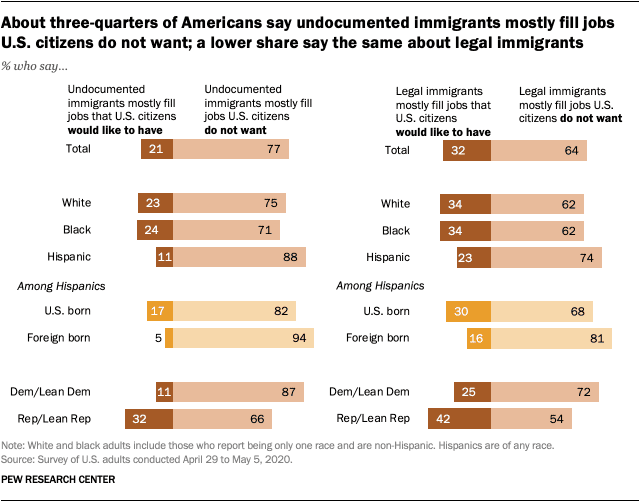
Roughly 42% of hired crop farmworkers in this country have no work authorization, according to USDA data. That is not a fringe statistic. It is close to half the people harvesting the produce in your refrigerator.
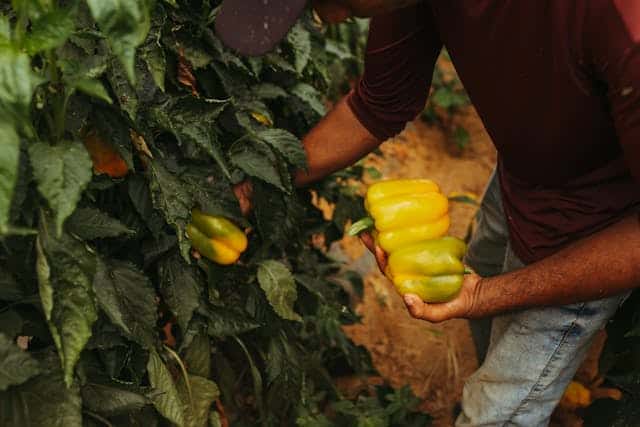
They do the work almost nobody else applies for. Fruit and vegetable picking. Dairy. Livestock. Long hours, low pay, brutal heat, no security. Congressional researchers estimate hundreds of thousands of farmworkers could be swept up in enforcement.
California is already seeing it. The state farm bureau told NBC Bay Area that immigration operations left agricultural workers too frightened to come in. The Central Valley needs about 55,000 migrant workers to get through citrus harvest.
"They're not going to show up for work and that means crops will remain in the field and not be harvested and probably lost at that point," Monterey County Farm Bureau Executive Director Norm Groot said.
Crops left in the field don't come back. There is no second harvest.
What happens at the register
You don’t need an economics degree to know that fewer workers means less food gets picked. Less food means higher prices. Higher prices hit the people with the least room in their budget first.
Economists at the Peterson Institute for International Economics ran the numbers. Deport 1.3 million people and prices rise about 1.5% by 2028. Deport 8.3 million and prices rise about 9.1%. Their modeling also shows GDP dropping between 1.2% and 7.4% over the same window.
For scale: the economy shrank 4.3% during the Great Recession.
The American Immigration Council estimates that deporting one million people a year until there is no undocumented population left would cost between $1.1 and $1.7 trillion in lost GDP.
That is the bill. Everyone gets a copy.
The businesses on your street
Agriculture is the obvious business, but it’s not the only one.
Construction, restaurants, hotels, meatpacking, landscaping, elder care — all of it runs on immigrant labor, and a lot of it runs on undocumented immigrant labor.
Pull those workers out and projects stall, kitchens close early, and small businesses that were already operating on thin margins start going under.
Then the second wave hits. Congress's Joint Economic Committee found that for every 500,000 immigrant workers removed, about 44,000 U.S.-born workers lose their jobs too.
Deported people aren't only workers. They're customers.
They buy groceries, pay rent, fill their gas tanks, and get their oil changed. Take them out of a town and the money they spent goes with them.



Businesses close. Unemployment climbs. Local tax revenue drops. And what does local tax revenue pay for? Schools. Roads. Fire departments. Emergency rooms.
You don’t have to know a single undocumented person for this to reach your kid's classroom.
Who takes care of you when you're sick
We are short hundreds of thousands of nurses nationally.
Meanwhile, about 346,000 undocumented immigrants work in American health care, and roughly two-thirds of them are providers or direct support staff.
Think about who’s in the room the next time you or your mother needs a hospital.
Then think about deporting a third of a million of them during a staffing shortage.
The fear is the whole point
Parents are lying awake wondering whether they’ll be there when their kids get home from school. A lot of those kids are U.S. citizens.
They’ve never lived anywhere else. They’re sitting in class trying to do long division while wondering whether their mom will be at the bus stop.
That does something to a child. It does something to a family.
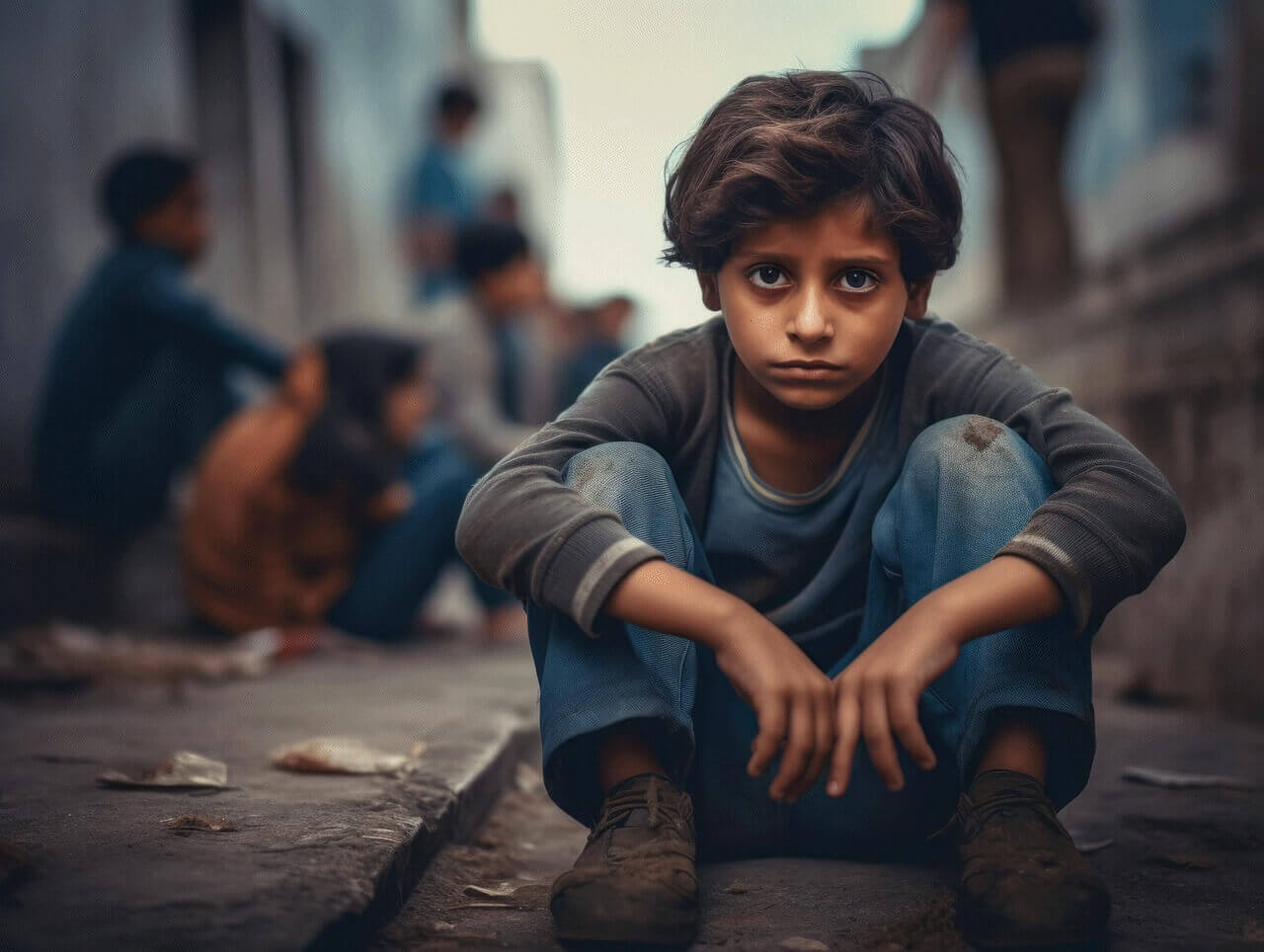
Depression, anxiety, kids who stop raising their hand, parents who stop going to the doctor or reporting a crime or showing up to a parent-teacher conference because a public building feels like a trap.
And it spreads.
Whole neighborhoods go quiet.
People stop attending church, stop calling police, stop coming to the block party, stop trusting anyone with a badge or a clipboard.
Communities that ran on people knowing each other start running on people avoiding each other.
That’s not an accident or a side effect. A policy that relies on fear to work will produce exactly this much fear. It was designed to.
What people are doing about it
The good news is that nobody is waiting for permission.
Grassroots groups and neighborhood networks are moving fast — legal clinics, know-your-rights trainings, rapid response hotlines, food drives, childcare for families in crisis, rides to court dates. Town halls are filling up. People who never considered themselves activists are learning what a judicial warrant looks like.
If you want to plug into something bigger, these organizations have been doing this work for a long time and know how to use help:
Local groups matter just as much. They know their own neighborhoods, they know which families are in trouble this week, and they usually need volunteers more than they need another donation.
What it comes down to
There’s a story being told about mass deportation, and the story is that it costs you nothing. That it happens to other people, somewhere else, and you get cheaper housing and safer streets out of the deal.
That’s not what the evidence shows. It shows unpicked crops, higher grocery bills, shuttered businesses, an even thinner health care workforce, and towns that used to know each other and now don't.
But the numbers are the smaller argument. The larger one is simpler than that. These are our neighbors. They pick our food, build our houses, and care for our parents.
They pay taxes into programs they will never be allowed to collect from. Their children are American children.
You do’t get to call something a success because the cruelty was efficient.
We need immigration policy that treats people like people and stops pretending that terrorizing families is a plan. That takes all of us — showing up, paying attention, refusing to look away.
That is the progressive movement. Join us.
Questions people ask
What is mass deportation?
The large-scale removal of undocumented immigrants from the country, carried out as fast and as broadly as possible. Under the Trump administration, it became a central policy goal rather than a case-by-case enforcement decision.
How does mass deportation affect the food supply?
Roughly 42% of hired crop farmworkers lack work authorization. Removing them, or scaring them away from work, means crops go unharvested, supply drops, and prices rise.
What does it do to local economies?
Businesses lose workers and customers at the same time. Some close. U.S.-born workers lose jobs too — roughly 44,000 for every 500,000 immigrants removed. Local tax revenue falls, which squeezes schools, roads, and emergency services.
What does it do to families?
Constant fear of separation, including for parents of U.S. citizen children. That produces real mental health harm in adults and kids, and pushes entire communities into hiding.
What can I do to help?
Support local immigrant rights groups, learn and share know-your-rights information, show up to town halls and school board meetings, and call your representatives. Small, consistent, local action is what these networks run on.