
Money in Politics: The Corruption Content Hub
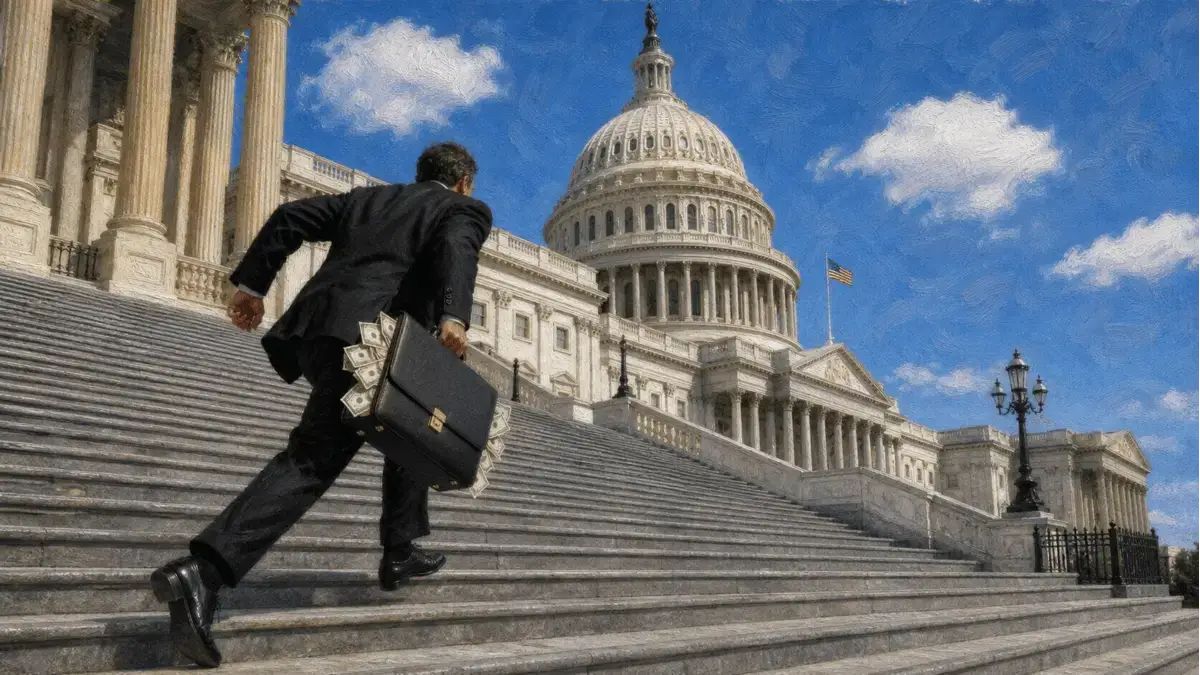
Before a single vote is cast, money in politics has already decided most of what's possible in our democracy.
It decides who can afford to run, whose calls get returned, and which bills quietly die in committee.
This hub is where Resist Hate tracks all of it — who's buying influence, how they're doing it, and what it would actually take to stop them.
💡 Bookmark this page to easily check back for updates. It's a living resource. As we publish new investigations, explainers, and trackers, they'll automatically appear here.
Start Here: The Basics

How Citizens United broke the dam. In January 2010, the Supreme Court ruled in Citizens United v. FEC that corporations and unions can spend unlimited money to influence elections, as long as the spending is technically "independent" of any campaign.
A follow-up case, SpeechNow.org v. FEC, gave us the super PAC. Sixteen years later, "independent" spending routinely dwarfs what candidates raise themselves — the 2024 federal elections alone cost nearly $16 billion.
Dark money, explained.
Certain nonprofits — mostly "social welfare" groups organized under section 501(c)(4) of the tax code — can spend on politics without ever revealing their donors.
Billions of dollars have moved through these groups since 2010.
When an attack ad appears from a group you've never heard of with a name like "Citizens for a Stronger Tomorrow," this is usually what you're looking at.
That was the case until AIPAC became extremely unpopular with the American people. Too much to get into here, but you can learn more from “How AIPAC influences our elections.”
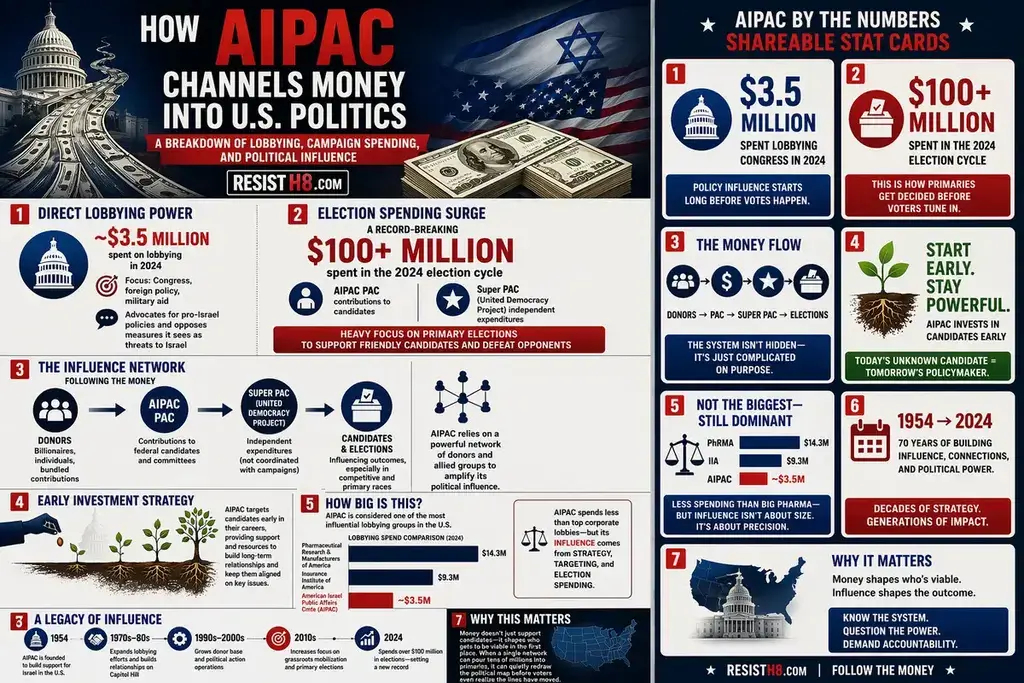
To hide that they are the group running an attack ad or flooding money into an election, AIPAC has started using affiliated PACS and “shell groups” with appealing names — like “Puppies for Peace” and “Women’s Liberty Group” to fund campaigns.
(We made up both of those example “shell groups,” but can admit that we went a little overboard with “Puppies for Peace.” 🐶✌️)
PACs vs. super PACs. Traditional PACs give money directly to candidates and live under strict contribution limits.
Super PACs can raise and spend unlimited amounts but are barred from coordinating with campaigns — a rule that is, to put it charitably, loosely enforced.
Here’s the thing. The Supreme Court decision that unleashed money into our politics basically said: Corporations are people, so they have free speech rights. Donating money to a politician is considered “speech.”
So, any attempt by the government to place limits on the amount of money corporations can donate would be “restricting free speech.”
The revolving door. Members of Congress and their staffers routinely leave office and walk straight into lobbying jobs paying multiples of their government salaries.

The industries they were regulating become the clients they serve.
The incentive problem writes itself.
Why the referee never blows the whistle. The Federal Election Commission has six seats, split evenly between the parties, and needs four votes to act on anything.
Deadlock isn't a bug — it's the design. Serious violations routinely die in 3–3 ties.
Follow the Money Yourself With the Resist Hate Democracy Protection Kit
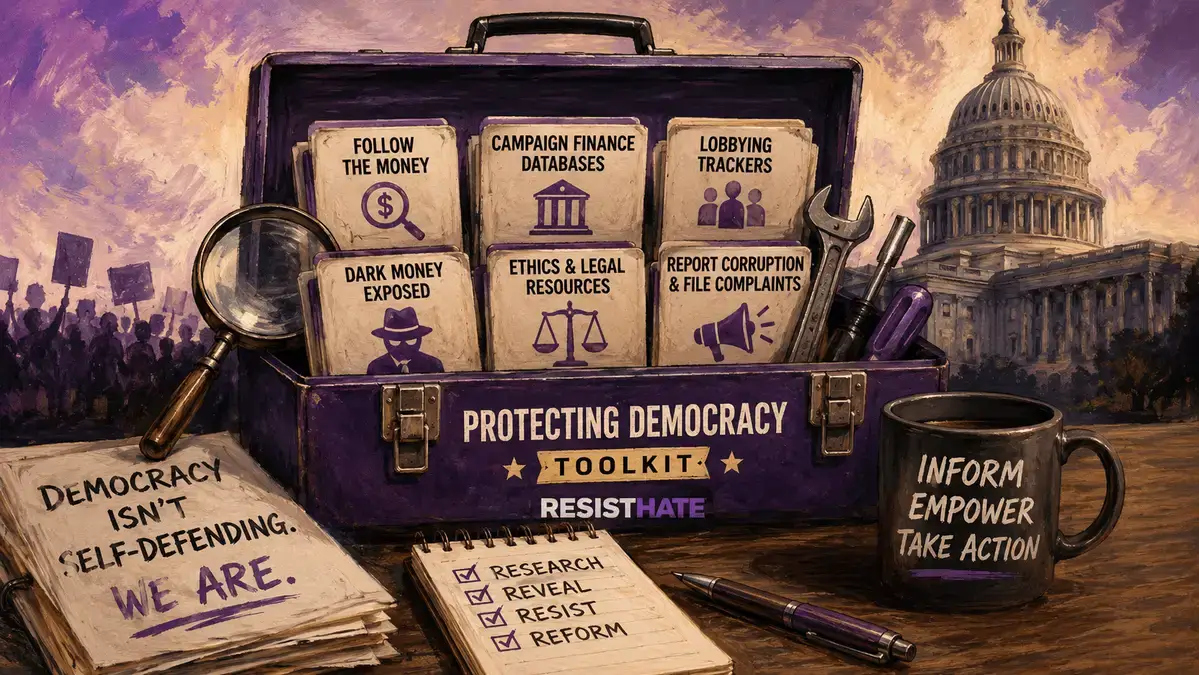
You don't need a newsroom to do this. These are the same tools we use:
- OpenSecrets — The gold standard. Search any federal candidate's donors, track lobbying spending, and dig into dark money groups. Now includes state-level data too. We use OpenSecrets for our AIPAC money tracker.
- FEC.gov — The raw source. Every federal contribution over $200 is searchable by donor name, employer, and ZIP code.
- ProPublica Nonprofit Explorer — Pull the actual tax filings of dark money groups and see what they're willing to admit on paper.
- Transparency USA — State-level campaign finance, cleaned up and searchable, including Pennsylvania.
- LittleSis — A free database mapping who-knows-who among politicians, executives, lobbyists, and donors. Think of it as the opposite of LinkedIn: they didn't ask to be listed.
- Congress.gov and GovTrack — Match the votes to the donations. That's where the stories are.
The Pennsylvania Problem
We're based in Harrisburg, and Pennsylvania has some of the weakest campaign finance laws in the country?
There are no limits on how much an individual or PAC can give to candidates for state office.
None.
A single donor can legally hand a gubernatorial candidate a seven-figure check.
Legislators can accept gifts from lobbyists as long as they disclose them above certain thresholds — proposals for a real gift ban have been introduced and buried in the legislature for years.
- Pennsylvania campaign finance search — the state's official filing database. Clunky, but public.
- Spotlight PA — nonprofit investigative outlet doing essential accountability reporting on Harrisburg.
The Cases That Got Us Here
- Buckley v. Valeo (1976) — The Supreme Court decided that spending money on elections is a form of speech. Contribution limits survived; spending limits didn't. Everything since flows from this.
- McCain–Feingold (2002) — Banned unlimited "soft money" contributions to national parties. The last major campaign finance reform to actually become law.
- Citizens United v. FEC (2010) — Unlimited corporate and union election spending, so long as it's "independent."
- SpeechNow.org v. FEC (2010) — The lower-court ruling that created the super PAC.
- McCutcheon v. FEC (2014) — Killed the overall cap on how much one donor can give across all federal candidates and parties combined.
Watchdogs Worth Knowing
- Campaign Legal Center — litigates the campaign finance and ethics cases nobody else will.
- Brennan Center for Justice — deep research and policy work on money in politics and democracy reform.
- CREW — files the complaints and lawsuits that force disclosure.
- Public Citizen — five decades of consumer and democracy advocacy.
- Issue One and RepresentUs — cross-partisan anti-corruption reform.
- POGO — government oversight and whistleblower protection.
- Transparency International — the global picture, because this isn't just an American disease.
What Reform Actually Looks Like
Cynicism is what they're counting on. Real fixes exist, and most of them poll extremely well:
- Disclosure. The DISCLOSE Act would force dark money groups to reveal their major donors. It has passed the House before and died by filibuster in the Senate — repeatedly.
- Small-donor public financing. New York City matches small donations 8-to-1, multiplying the power of ordinary donors against big checks. It works, and it's replicable.
- A functioning FEC. An odd number of commissioners, or genuine enforcement authority, would end the designed deadlock.
- Ethics with teeth. A congressional stock trading ban, longer lobbying cooldowns, and a real gift ban in Harrisburg.
- Overturning Citizens United. More than twenty states have formally called for a constitutional amendment. It's a long game — but so was every reform that ever passed.
From the Resist Hate Archive
Money in Politics: Content
Jump to: News and Content
Political Trackers
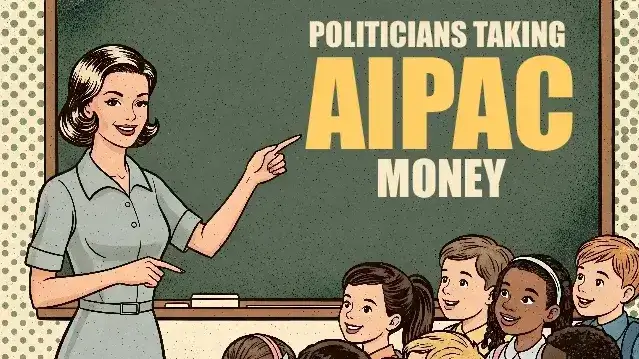
Does Your Politician Take AIPAC Money?
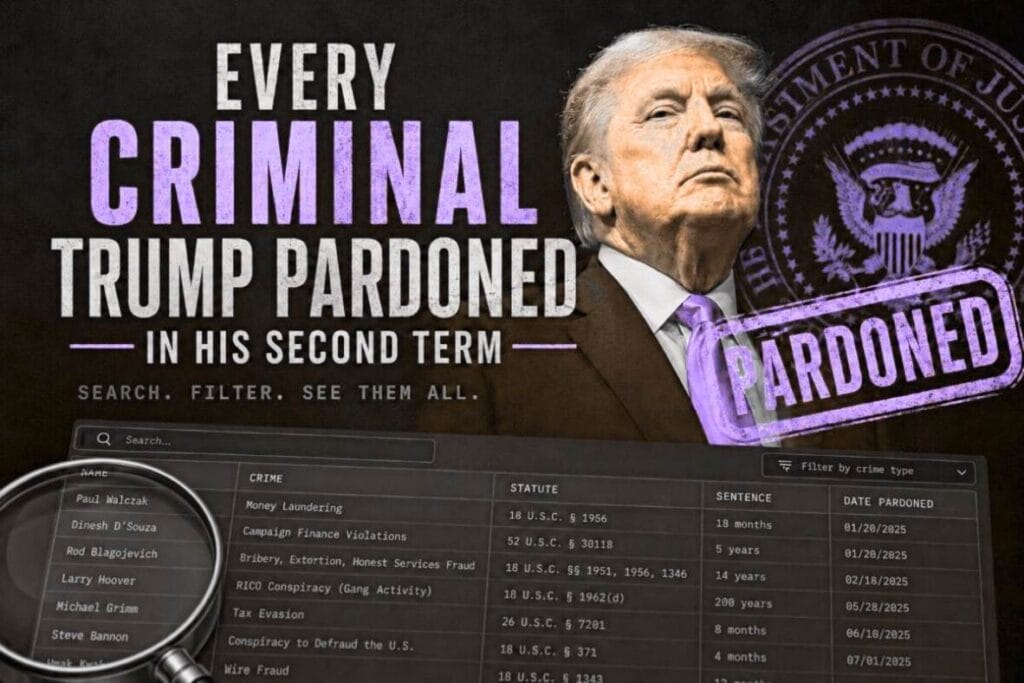
Trump 2.0 Pardon Tracker
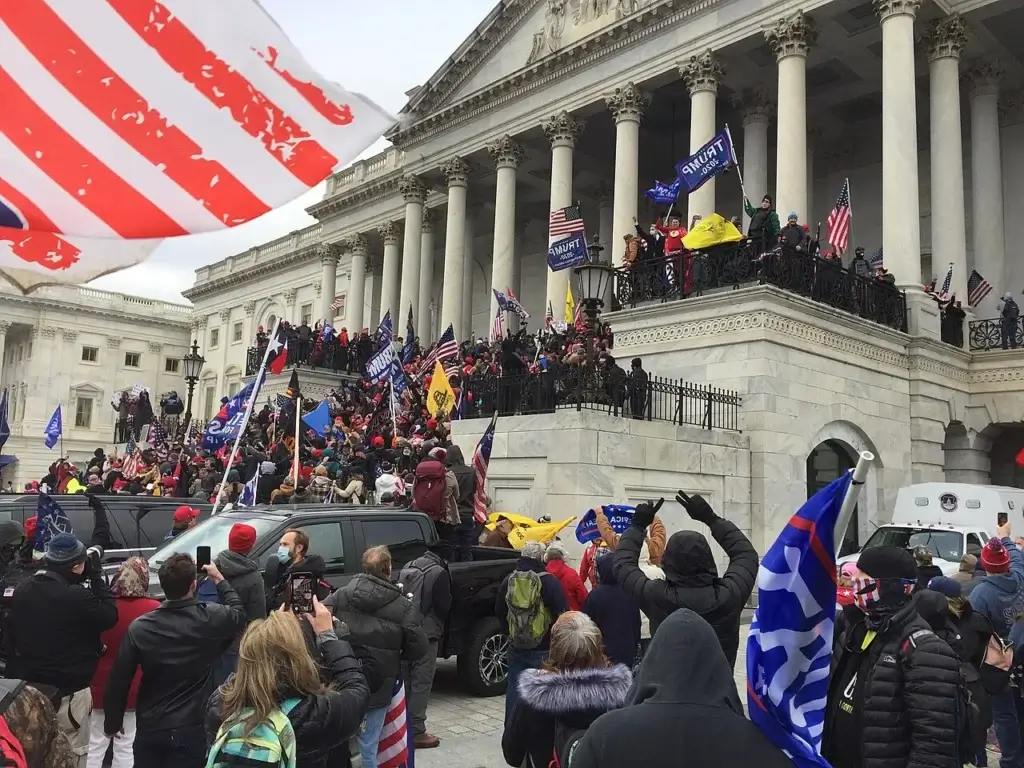
Deleted January 6 Defendant Documents
Do Something With This
Before your representative's next big vote, look up their top donors on OpenSecrets. Two minutes.
You'll never read "a lawmaker remains undecided" headline the same way again.
Follow the money locally — school boards, county commissions, judicial races. Less money, more influence per dollar, and almost nobody watching.
Share what you find. The entire dark money model depends on nobody looking.
See something we should dig into? Tips@resisth8.com
Latest News in Corruption
Trump’s Drug War: Boat Strikes and Boots on the Ground
Corporate Think Tank Hiring ‘Director of Anti-Extremism’ to Hunt Extremists (Other Democrats)

Anti-Weaponization Fund Not Required: DOJ Has Been Handing Out Checks to Trump Allies/Cronies For Months