

We haven’t seen this story getting much attention outside of independent media. It’s not clear if the lack of reporting stems from the overwhelming daily chaos the Trump administration brings to the news cycle or an effort to hide negative reporting about them. Regardless, this story is one of many Resist Hate covers to tell readers the truth about what’s really going on.
This is a Once-in-a-Lifetime Opportunity for America
Cities that rely on tourism, workers in tourist destinations (such as Las Vegas), and the hospitality industry — which has been hit especially hard by the drop in tourism revenue — are hurt by this crisis.
All of this devastation results from cruel and inhumane mass deportation operations, news reports of tourists who have been detained and held in detention facilities for months, and social media posts showing violent interactions between ICE and Americans — the killings of two American citizens shot by ICE and CBP agents during Operation Metro Surge in Minneapolis.
The 2026 FIFA World Cup was supposed to be a defining moment for the United States. Instead, with fewer than 100 days until kickoff, it is shaping up to be an international embarrassment driven by missing federal money, terrified foreign visitors, and an immigration enforcement agency that refuses to promise it won’t raid stadiums full of fans.
The numbers tell the story. Nearly 80% of hotels surveyed across the 11 U.S. host cities are reporting bookings well below initial forecasts, according to a new report from the American Hotel and Lodging Association.
Some hospitality executives are now flatly describing the tournament as a “non-event.” FIFA has already canceled or released between 70% and 95% of the room blocks it originally contracted in some cities, flooding the market with last-minute inventory and forcing hotels to slash rates by as much as 40%. SoFi Stadium in Los Angeles isn’t even selling out for the U.S. team’s home opener.
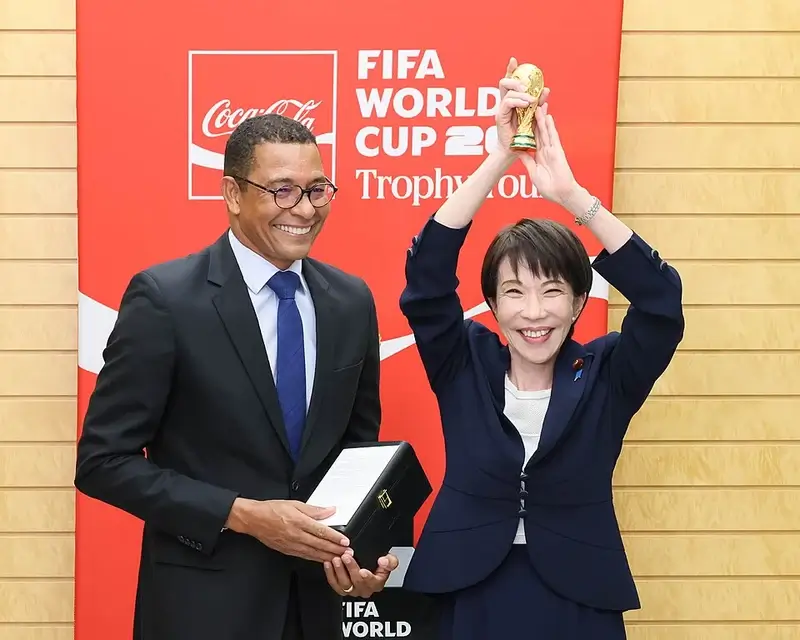
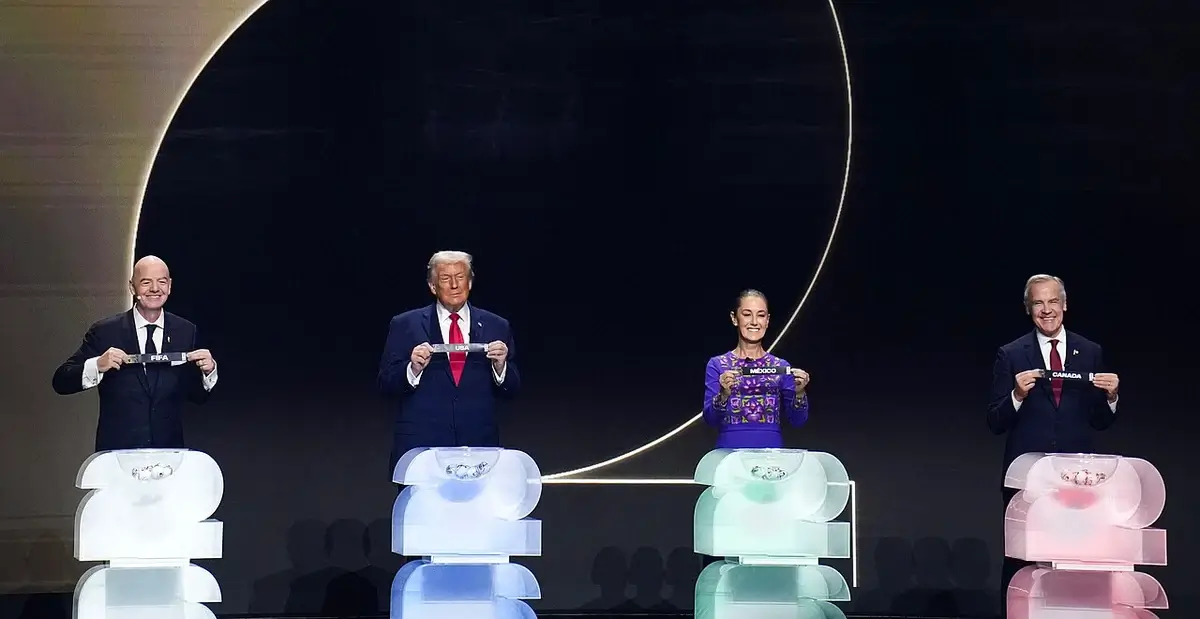
This was supposed to be the largest World Cup in history — 104 matches, 11 American host cities, and a projected $30.5 billion in economic activity across North America. FIFA President Gianni Infantino compared it to “104 Super Bowls.”
Now, hotels that spent millions preparing fan zones, hiring multilingual staff, and upgrading security are quietly walking away from World Cup-specific investments.

The international visitor — the one this entire tournament was built around — is the one who isn’t coming.
Watch: The Largest World Cup in History Explained

Money For 2026 FIFA World Cup Host Cities Never Arrived
Congress appropriated $625 million to help the 11 American host cities prepare for what amounts to a logistical Super Bowl every few days for over a month. Four months out from kickoff, not a single one of those cities has received a single dollar.
The consequences are already visible. At a congressional hearing in late February, an official with the Miami World Cup host committee testified that Miami’s Fan Fest — expected to draw hundreds of thousands of people — will be canceled within 30 days if the funding doesn’t arrive.
In Kansas City, which will host six matches and expects 650,000 visitors, the deputy police chief told Congress that delayed funds are blocking basic security planning.
In Foxborough, Massachusetts, the town has threatened to withhold the license FIFA needs to host games at Gillette Stadium because the promised $7.8 million has never arrived.
For a community of 18,600 people, that figure represents roughly half of what the entire town spends on public safety in a normal year.

(TravelQueen11) CC BY-SA 4.0
The Department of Homeland Security is administering these grants through FEMA, and the money is just sitting there. Every day of delay makes it harder for cities to do the planning they have been waiting years to do.
Side note: A FEMA official appointed in December, 2025 to lead the office of response and recovery recently claimed he had teleported to a Waffle House in a YouTube video. The 2026 FIFA World Cup funding probably is not this guy’s responsibility, but… Just sayin’.
ICE Refuses to Stand Down
The second crisis is even harder to fix, because it isn’t a paperwork problem. It’s a policy choice.
At a February 10 oversight hearing, Congresswoman Nellie Pou — the Ranking Member of the House Homeland Security Task Force overseeing World Cup security — asked ICE Director Todd Lyons, who is stepping down as ICE Director at the end of May, directly whether he would rule out enforcement actions at or around World Cup venues this summer.
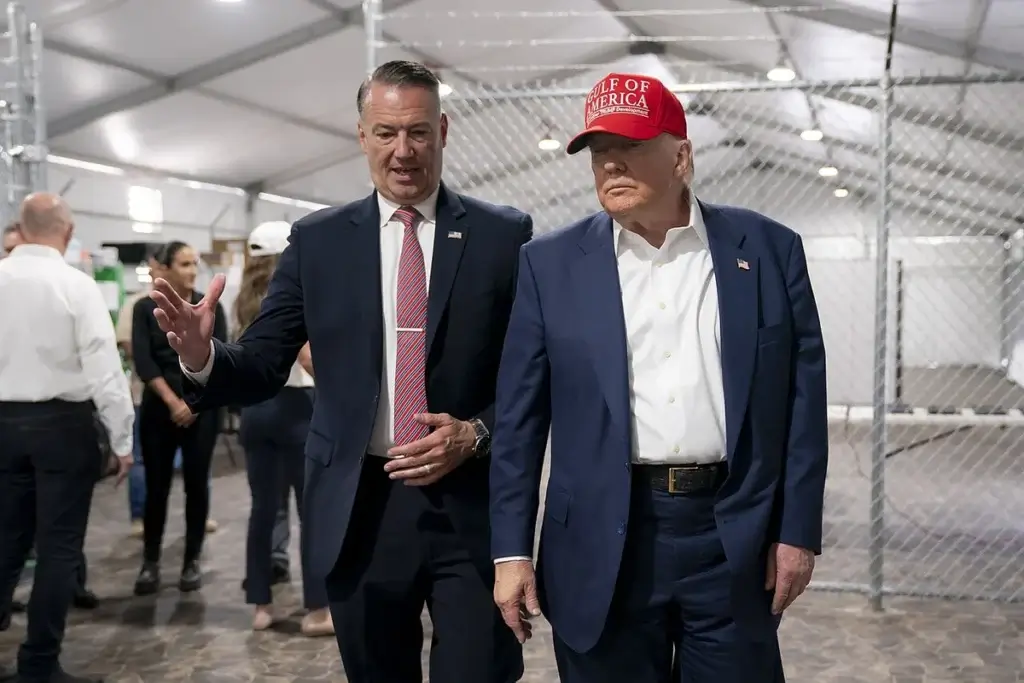
He refused. Instead, Lyons described ICE’s presence as a “key part” of World Cup security and would not rule out deploying the same kind of tactical enforcement teams used in Minneapolis, where federal agents shot and killed two American citizens during Operation Metro Surge.
The international response has been swift and unforgiving. The American Civil Liberties Union, Amnesty International, and more than 120 civil society groups have issued a formal travel advisory for fans, players, journalists, and other visitors coming to the 2026 FIFA World Cup.
The advisory warns of arbitrary denial of entry, racial profiling during immigration enforcement, invasive searches of electronic devices/social media accounts, suppression of speech and protest, and what it describes as a “serious risk of cruel, inhuman, or degrading treatment, and in some cases, death” inside ICE detention facilities.
Users on mobile phones/tablets may need to zoom out once (one click/tap) in order to see the full page within the frame.



That language is not hyperbole. At least 17 people have died in ICE custody since the start of 2026. In 2025, 32 people died in ICE custody — the deadliest year in more than two decades.
Reports from inside detention centers describe limited access to legal counsel and denial of medical care.
Canada, Germany, Denmark, Finland, and the United Kingdom have all updated their official travel guidance for citizens visiting the United States, warning that ordinary tourists with valid documents have been detained, fingerprinted, and held for weeks.

“Nobody is safe there anymore to come to America as a tourist.”
Lucas Sielaff following his release from ICE detention
A German tourist named Lucas Sielaff was detained for 16 days while returning from Mexico, even though he held a valid 90-day tourist permit and was engaged to an American citizen.
Watch: Lucas Sielaff Tells His Story

The Chilling Effect is Already Here
The fear is not theoretical. A restaurant worker in Pou’s district in Paterson, New Jersey told a reporter that he would not attend any World Cup events, even though he is in the country legally. He asked the reporter not to print his last name. He is not unusual.
More than 90 civil society organizations have written directly to FIFA expressing alarm about the chilling effect of immigration enforcement on fan attendance. The numbers back them up.
International visitors to the World Cup were projected to spend an average of $5,048 each — roughly 1.7 times more than typical overseas tourists — and a third of them had planned multi-city trips lasting more than two weeks. Those are the travelers who aren’t booking flights. Those are the hotel rooms that will sit empty.
The New York and New Jersey region alone had projected $3.3 billion in economic activity from the tournament. Fans who stay home are revenue that simply disappears.

Layered on top of all of this is the ongoing U.S. war with Iran, now entering its third month, which has kept oil prices elevated and driven international airfares to punishing levels. A strong dollar, soaring visa fees, and processing delays at U.S. consulates have made the trip prohibitively expensive for many fans who might otherwise have come.
What Could Have Been
A World Cup hosted in the diverse, immigrant-rich communities of the United States should have been a celebration. East Rutherford, New Jersey, will host the final on July 19. Eight matches will be played in Congresswoman Nellie Pou’s district alone — a region whose population includes large Brazilian, Peruvian, Dominican, Colombian, Syrian, Turkish, and Bangladeshi diasporas.
The fans were supposed to feel at home here. Instead, many of them are being told by their own governments to stay away, or to download apps that can alert their families if U.S. authorities detain them.
None of this had to happen. The Department of Homeland Security can release the funding it’s sitting on. Congress can hold emergency hearings on ICE’s role in tournament security. The administration can offer clear, public assurances that visitors who are in the country legally will not be targeted at games, fan fests, or watch parties.
At a recent hearing, Republicans and Democrats alike raised concerns about security preparations. Keeping the World Cup safe and welcoming is not a partisan issue.
But the clock is running out. Hotels are pulling back. Countries are warning their citizens. Fans are staying home. The world is watching how the United States treats the people it has invited into its stadiums — and so far, what it is showing them is fear.