
LEBANON: A UNICEF report says 12 children are killed or maimed every day. A 14-year-old girl woke up in a Lebanese hospital and asked her doctors two questions. Not: Will I walk again? Where is my family? She asked: “Where is humanity?” “Where is a sense of justice?”
She had earned the right to ask. An Israeli attack that the official record would quietly file under "collateral damage" had killed her father and three of her brothers.
Her mother survived. The girl spent days in a coma.
When she came to, she wanted to know how the world could let this happen — and the UNICEF official standing at her bedside admitted he had no answer.
"Those are tough questions coming from a 14-year-old child that you cannot answer," UNICEF's representative in Lebanon, Marcoluigi Corsi, told UN News. "No child should go through that nightmare."
Across Lebanon, thousands of children are living that nightmare anyway.
Twelve Children a Day
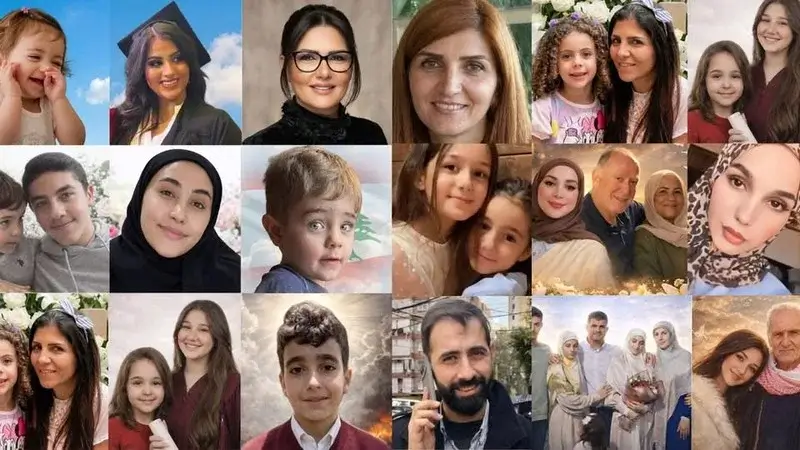
Since fighting escalated between Israel and Hezbollah on March 2, UNICEF reports that 247 children have been killed and 992 wounded — an average of 12 children killed or maimed every single day.
That is roughly one full classroom of kids erased or shattered, day after day, for more than three months.
The wider toll is staggering. Lebanon's Public Health Ministry counts 3,798 dead and 11,781 injured since the start of March.
More than 131,000 people are still crowded into 644 emergency shelters, unable to go home.
And the numbers, Corsi warned, can't hold the whole truth: "Behind these staggering figures are lives cut short or forever changed, and families facing profound loss, trauma, and uncertainty."
A Ceasefire That Doesn't Stop the Bombs
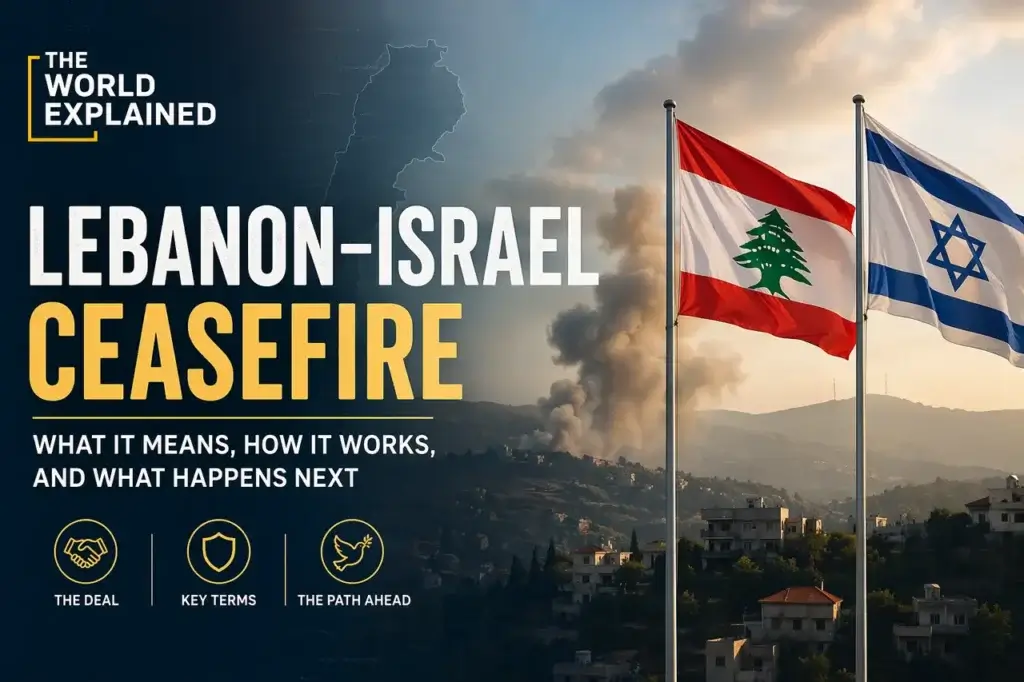
Here is the part that should make everyone furious. All of this is happening under a ceasefire.
Corsi spoke just after the June 15 announcement that the United States and Iran had reached a Memorandum of Understanding — a deal sold to the world as the beginning of regional de-escalation.
But on the ground in southern Lebanon, the bombs never paused. "We hope that this ceasefire will be indeed a real ceasefire," Corsi said, "because since the declaration of the previous one, violence against children and the conflict hasn't really stopped."
The evidence backs him up. UN peacekeepers with UNIFIL logged 312 weapons trajectories in a single 16-hour window the same day — and 291 of them were attributed to the Israeli military, against 21 from Hezbollah.
In that same window, UNIFIL recorded 26 Israeli violations of Lebanese airspace and at least one airstrike. Israel issued seven new displacement orders covering 37 towns.
Israeli vessels were spotted patrolling 600 meters off the Lebanese coast. A strike on a single vehicle in Shukin reportedly killed four people.
That is not a country at peace. That is a country still being bombed while the cameras aren’t recording.

A Country in Rubble
The destruction is everywhere — homes, schools, hospitals, and the water and sanitation systems families need just to stay alive. UN-led assessments have already put the damage in the hundreds of millions of dollars, and hospitals themselves keep getting hit.
More than 770,000 children are now living in heightened distress, many unable to return home because of unexploded bombs lying in the rubble where their neighborhoods used to be.
Even the aid lifeline is fraying. The 2026 Lebanon Flash Appeal is only 32.7 percent funded — about $209.6 million of the $639.9 million the UN says it needs. The world is not even paying for the bandages.
'Give Children the Chance'
Corsi's ask was simple, and it should not be controversial: protect children, safeguard schools and hospitals, guarantee humanitarian access, and respect international law.
"Most importantly," he said, "Lebanon's children must be given the chance not only to survive this crisis, but to recover from it and reclaim the future that conflict has placed at risk."
A generation of Lebanese kids is being asked to grow up in bomb shelters, beside the graves of their siblings, under a "ceasefire" that exists on paper and nowhere else. The 14-year-old in that hospital bed already asked the only question that matters.
We still owe her an answer.