

Donald Trump has spent the summer telling Americans that a familiar monster is back. At the Faith & Freedom Conference in June, at Mount Rushmore on July 3, and again on the National Mall on July 4, the president insisted that the Democratic Party is being taken over by "communists" — a threat he ranked above World War II, Pearl Harbor, and September 11.
Secretary of State Marco Rubio went further, convening a 65-nation summit to launch a war on something the administration calls "Far-Left Terrorism," and a State Department report days later named the Democratic Socialists of America — alongside sitting elected officials and a labor union — as instruments of foreign subversion.
The target of all this is an organization most Americans have never actually looked into. That's the point. The smear only works on people who don't know what the DSA is. So here's what it is.
The Democratic Socialists of America; the Basics
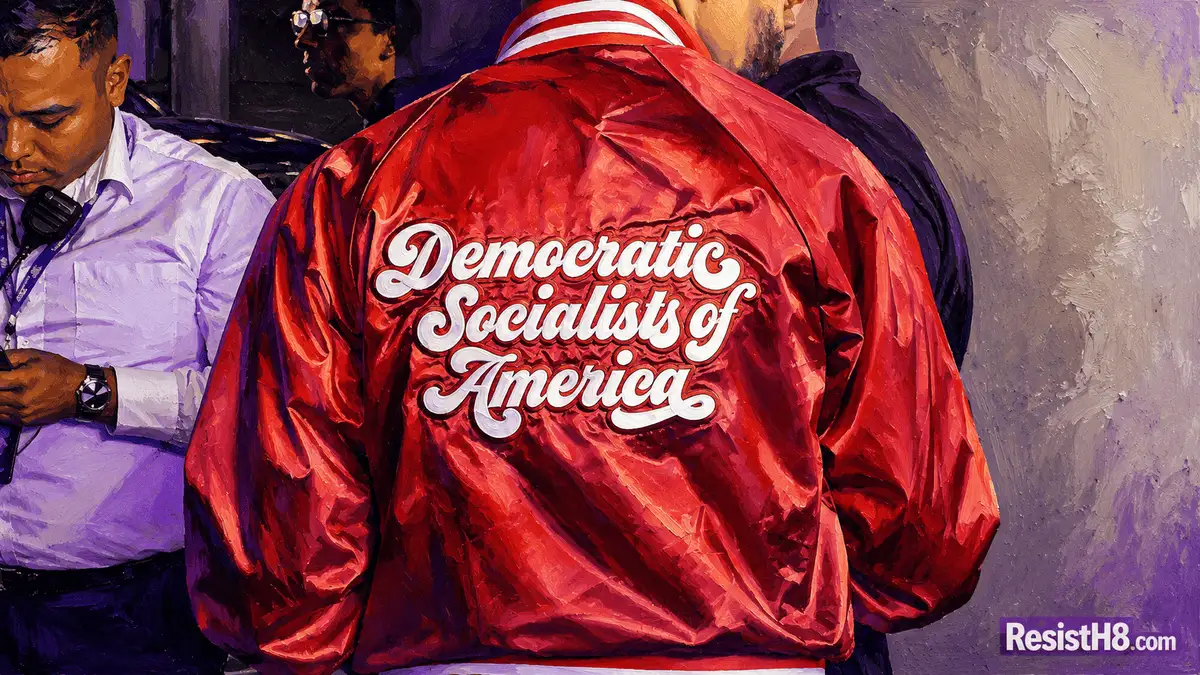
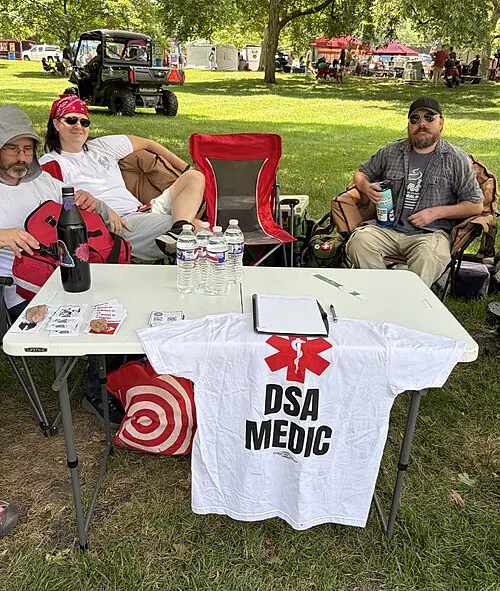
The Democratic Socialists of America is the largest socialist organization in the United States, founded in 1982 by the writer Michael Harrington and built from the merger of two older activist groups.
For most of its existence it was tiny — around 6,000 members as recently as 2015.
Bernie Sanders' 2016 campaign and Trump's first election changed that.
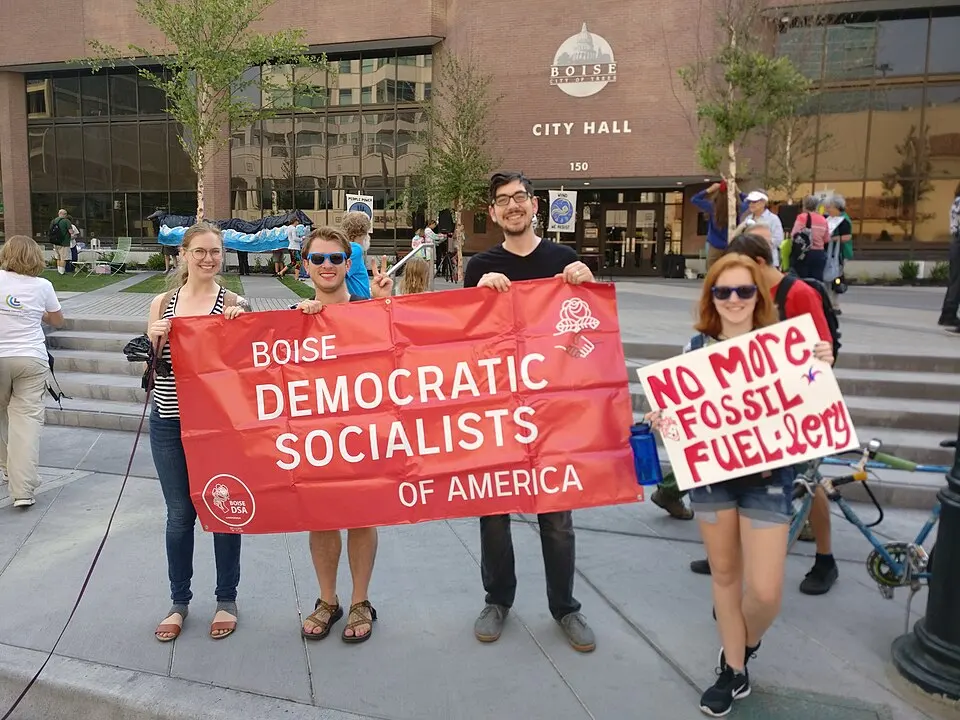
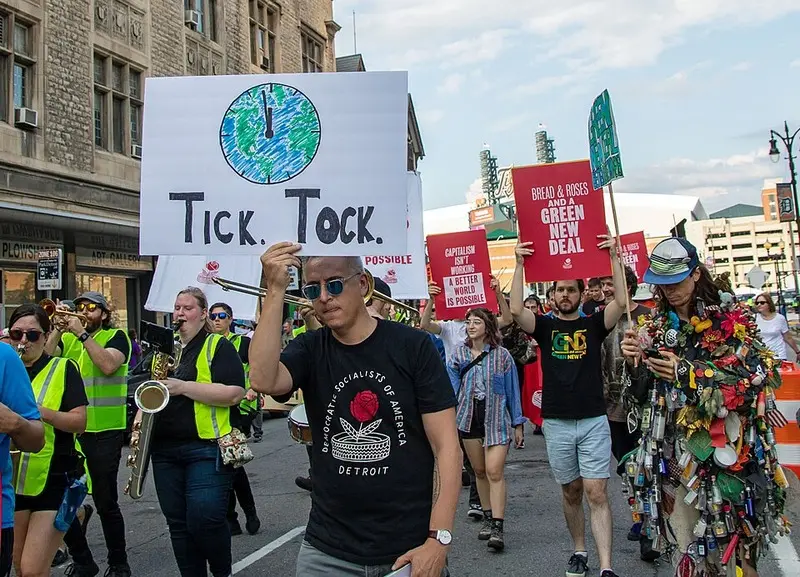
Today the DSA counts more than 100,000 dues-paying members with chapters in every state.
Here's the first fact that undercuts the "terrorist" framing: the DSA is not an armed group, an underground cell, or even a political party.
It doesn't run candidates on its own ballot line.
It's a membership organization that endorses candidates — almost always in Democratic primaries — and then does the least glamorous work in politics: door knocking, phone banking, voter registration, and tenant and labor organizing.
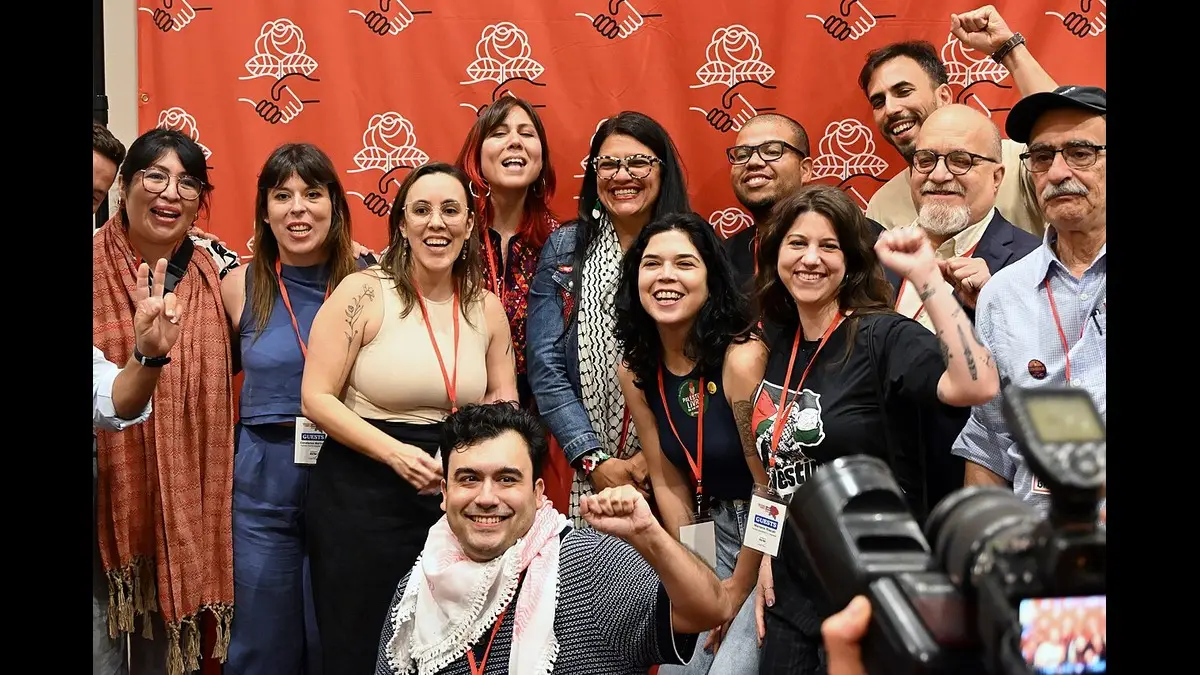
Its members include New York City Mayor Zohran Mamdani, Reps. Alexandria Ocasio-Cortez and Rashida Tlaib, and dozens of state and local officials, all of whom got their jobs the old-fashioned way: by winning elections.
Democratic Socialism is Not Communism
Trump insists otherwise. "They're communists, they're not social Democrats," he told the Faith & Freedom Conference.
But the word "communism," as scholars keep pointing out, describes something specific: the one-party authoritarian states of the Soviet Union, Maoist China, and Castro's Cuba — regimes with secret police, no free elections, and no free press.
As experts told Cronkite News, no one Trump calls a communist is advocating anything like that.
Historian Ellen Schrecker, the country's leading scholar of McCarthyism, put it bluntly: nobody is a communist anymore, and the new generation of democratic socialists isn't especially radical by historical standards.
The "democratic" in democratic socialism is doing real work.
DSA's stated goal is to extend democracy into the economy — giving workers, tenants, and ordinary citizens more power over decisions currently made by corporations and billionaires.
Its chosen tools are ballots, unions, and organizing.
You can think that vision is wrong.
You cannot honestly call it Stalinism, and you definitely cannot call it terrorism.
Let's be honest about the other side of this, too, because pretending the DSA is just a book club helps no one: it is genuinely anti-capitalist and sits well to the left of the Democratic Party.
Its new 2026 platform, "Workers Deserve More," pairs immediate demands with long-term structural ambitions, including social ownership of major industries and sweeping changes to institutions like the Senate.


Those are radical proposals.
They are also proposals — ideas published openly, debated at conventions, and put before voters, which is what politics is supposed to look like.
What DSA Candidates Actually Run On
Look at the campaigns Trump is calling a communist takeover. Mamdani won New York on fare-free buses, universal childcare, a rent freeze, and city-owned grocery stores — an affordability agenda.
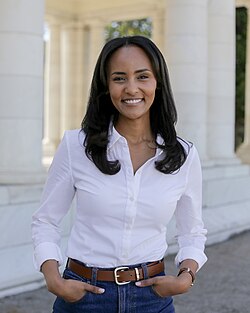
The wave of DSA-backed primary winners this summer — Darializa Avila Chevalier and Claire Valdez in New York, Melat Kiros in Colorado, and more than 35 candidates nationwide — ran on the platform's core planks: Medicare for All, a Green New Deal, tuition-free public college, tenant protections, and stronger unions.
Polling has shown majorities or near-majorities of Americans supporting several of those ideas for years.
That's precisely why the White House prefers to argue about labels instead of policies.
"Communist" is a word designed to end a conversation before it starts.
The "Terrorism" Escalation is the Real Story
Calling opponents names is old politics. What happened in mid-July is something else.
At Rubio's July 16 "political terrorism" summit, White House adviser Stephen Miller vowed to "disrupt, identify, defund, debank, arrest and prosecute" what he called political terrorists operating inside the country.
The State Department rolled out a visa policy targeting "far-left terrorist and other aligned groups" — with "aligned" left conveniently undefined, and "economic sabotage" against property included in the definition of terror.
Days later came the Cuba report naming 43 American individuals and organizations, the DSA among them.
Note what's missing from all of it: evidence.
The four groups the State Department has actually designated as terrorist organizations since November are violent European militant cells — not the DSA, not any American political organization, because terrorism has a legal meaning, and it involves violence, not canvassing.
A government blacklist of citizens for their political associations isn't counterterrorism.
It's McCarthyism with better branding — a tradition Trump learned directly from Roy Cohn, Joseph McCarthy's chief counsel and Trump's own mentor.
You don't have to agree with the DSA about a single thing to see the danger here.
When a government starts treating legal political organizing as terrorism, the question is never just who's first on the list.
It's who's next.