
The Supreme Court ruled 6-3 on Thursday, along its usual ideological lines, that the Trump administration may end TPS (Temporary Protected Status) of roughly 350,000 Haitians and about 6,000 Syrians who have been living and working legally in the United States — in many cases for more than a decade.
The practical effect is that hundreds of thousands of people who followed every rule are now exposed to deportation.

It helps to be precise about what the Court did and didn't do. It did not rule that Haiti or Syria is safe. It did not order anyone deported.
What it did was hold that the courts have no power to review the government's decision to end TPS for a country — not the decision itself, and not even whether officials followed the legally required process to reach it.
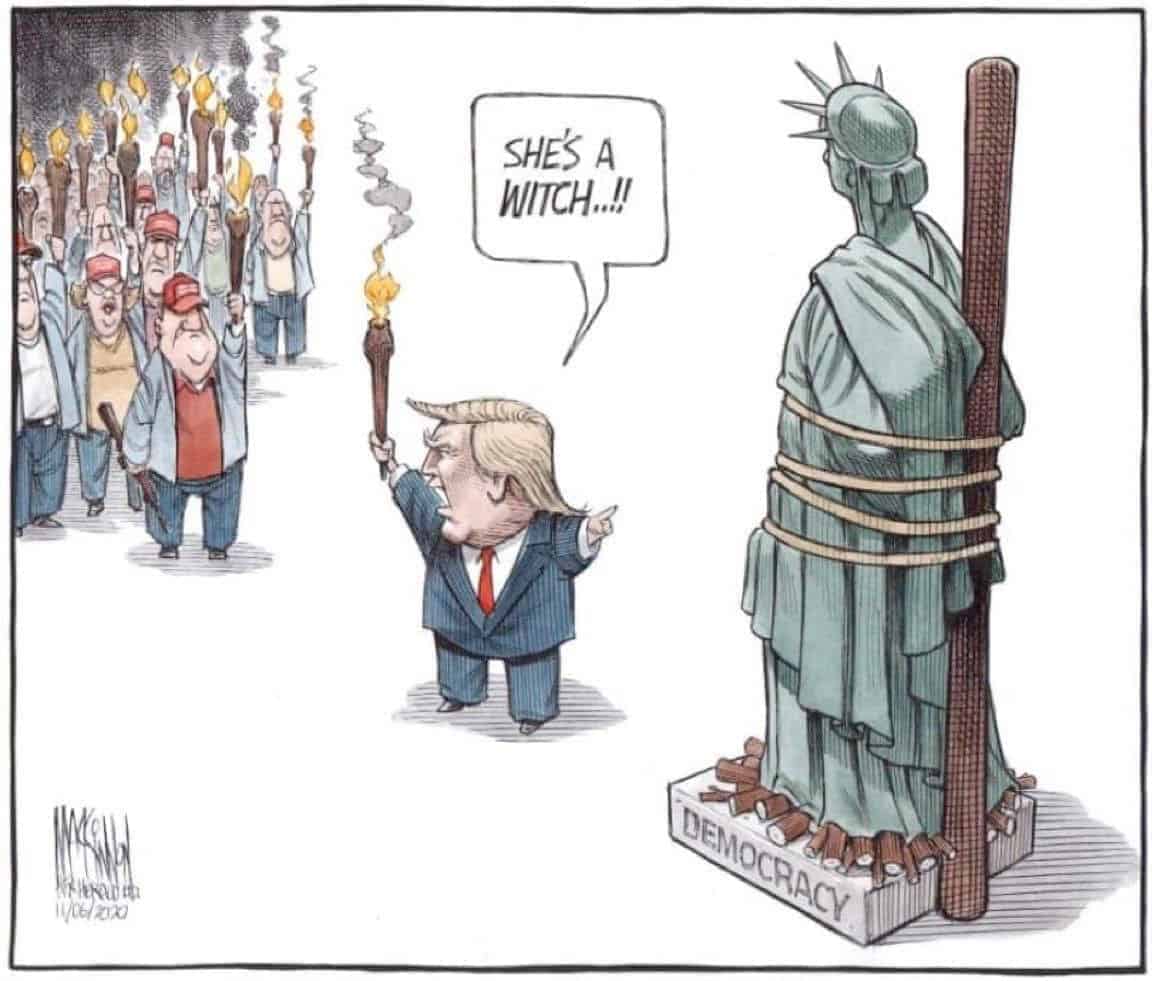
“…the [administration’s] statements behind the policy were so repellent and racially charged that the majority would not even reprint them.”
Writing for the majority, Justice Samuel Alito said the relevant law bars judges from second-guessing those determinations.
With that, the Court lifted the holds that judges in New York and Washington, D.C., had placed on the terminations — judges who had found the administration's actions likely unlawful — and sent the cases back down.
Too Dangerous to Visit, Safe Enough to Send Refugees
Here is the contradiction at the heart of this.
The U.S. State Department currently warns Americans not to travel to either Haiti or Syria, citing widespread violence, kidnapping, terrorism, and the collapse of basic services.
Haiti is in the grip of political collapse and gang control, with food, water, and health care breaking down.
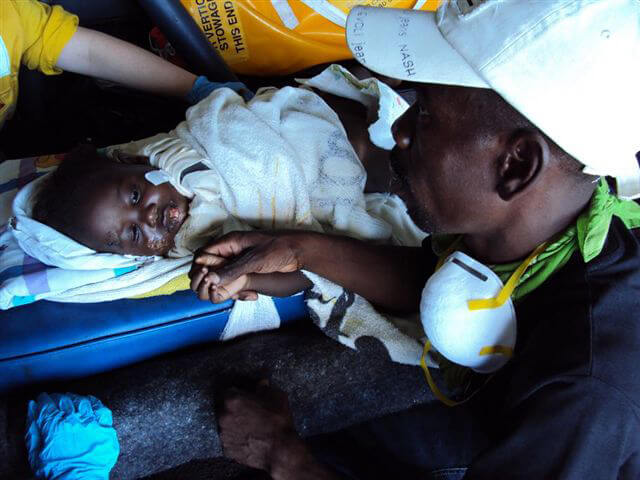
Syria is climbing out of fourteen years of war that has left an estimated 15.6 million people in need of lifesaving aid.
The government's own assessment is that these are not places a tourist should go.
That same government just won the right to send families there.

TPS was never meant to be a trick question. Congress created it in 1990, with bipartisan support, precisely so that people from countries torn apart by war or disaster could live and work here legally until it was safe to return.
Haiti was designated after the catastrophic 2010 earthquake; Syria after its descent into civil war in 2012.
The conditions never improved enough to send people home — which is exactly why the administrations of both parties didn't end TPS, but renewed it year after year.

The People This Ruling to End TPS Uproots
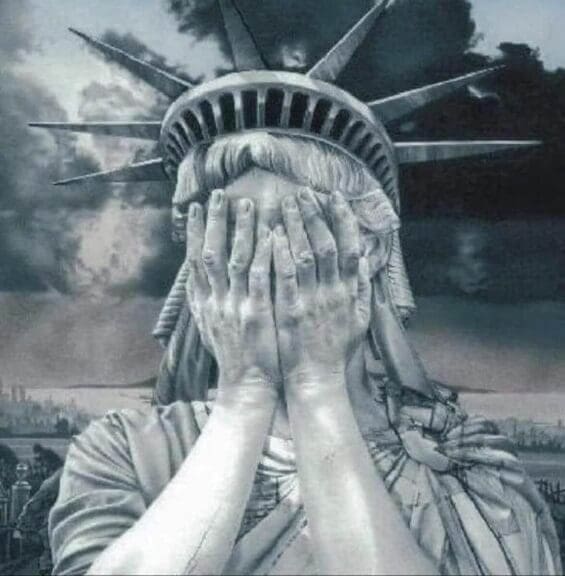
Roughly 200,000 Haitian TPS holders are in the U.S. workforce — farmworkers, nursing assistants, home health aides — and TPS holders contribute an estimated $5.9 billion to the economy. (Undocumented immigrants contributed close to $100 billion. This administration is destroying our economy and reputation as the “country of immigrants.” Would not be surprised if they toppled the Statue of Liberty and removed it.)
Many of them have American-born children they will now be forced to either leave behind or take with them into danger.
Lawyers for the Syrian recipients described their clients as doctors, teachers, students, and business owners who have been vetted again and again and have virtually no criminal history, and pointed to the grim absurdity of the government's urgency to end TPS and deport them to a country still at war.
These families did everything the system asked. They registered. They renewed on time.
They paid taxes and built lives and raised kids who know no other home.
The reward, as of Thursday, is the loss of their legal status and the work authorization that comes with it.
The Animus the Majority Decided Not to See
The discrimination question is where this ruling turns genuinely ugly.




The record includes President Trump's false and lurid claim that Haitian immigrants were eating people's pets in Ohio — a smear that triggered bomb threats in Springfield — alongside his 2018 description of Haiti as a "shithole country," and former Homeland Security Secretary Kristi Noem's public declaration about immigrants: "WE DON'T WANT THEM. NOT ONE."
A federal judge in Washington had already found evidence that the Haiti termination was driven by "anti-black and anti-Haitian animus," and the plaintiffs allege the government leaned on a knowingly false claim that Noem had consulted the State Department when she had not.

Alito brushed all of it aside, calling the decision "race-neutral" — merely an administration that dislikes the TPS program.
In dissent, Justice Elena Kagan wrote that the statements behind the policy were so repellent and racially charged that the majority would not even reprint them.
Bigger Than Two Countries
Kagan, joined by Justices Sotomayor and Jackson, warned that hundreds of thousands of lives will be uprooted, most of them permanently, while the underlying lawsuits — over terminations the lower courts called likely illegal — grind on for years.
And the reasoning reaches well past Haiti and Syria.
Advocates note that the decision threatens every TPS designation, covering some 1.3 million people from 17 countries, by handing the administration the power to end TPS protections with no obligation to justify it and no court allowed to ask.
Last year, the Court cleared a similar path for roughly 600,000 Venezuelans.
The litigation isn't over, and the families affected aren't going quietly.
But the message from this Court is hard to misread: it has decided that whether the government is sending you back to a war zone is simply none of the court’s business.