
If you've paid attention to U.S. politics for more than five minutes, you've probably heard a conservative news host, Right-wing podcaster, or Republican politician using one of these terms — I call them the ‘scary words’ — for a Democratic candidate.
Conservatives use the ‘scary words’ playbook on repeat: A candidate says she wants everybody to have health insurance. She’s called a communist. A city councilman proposes a rent freeze. He’s called a Marxist.
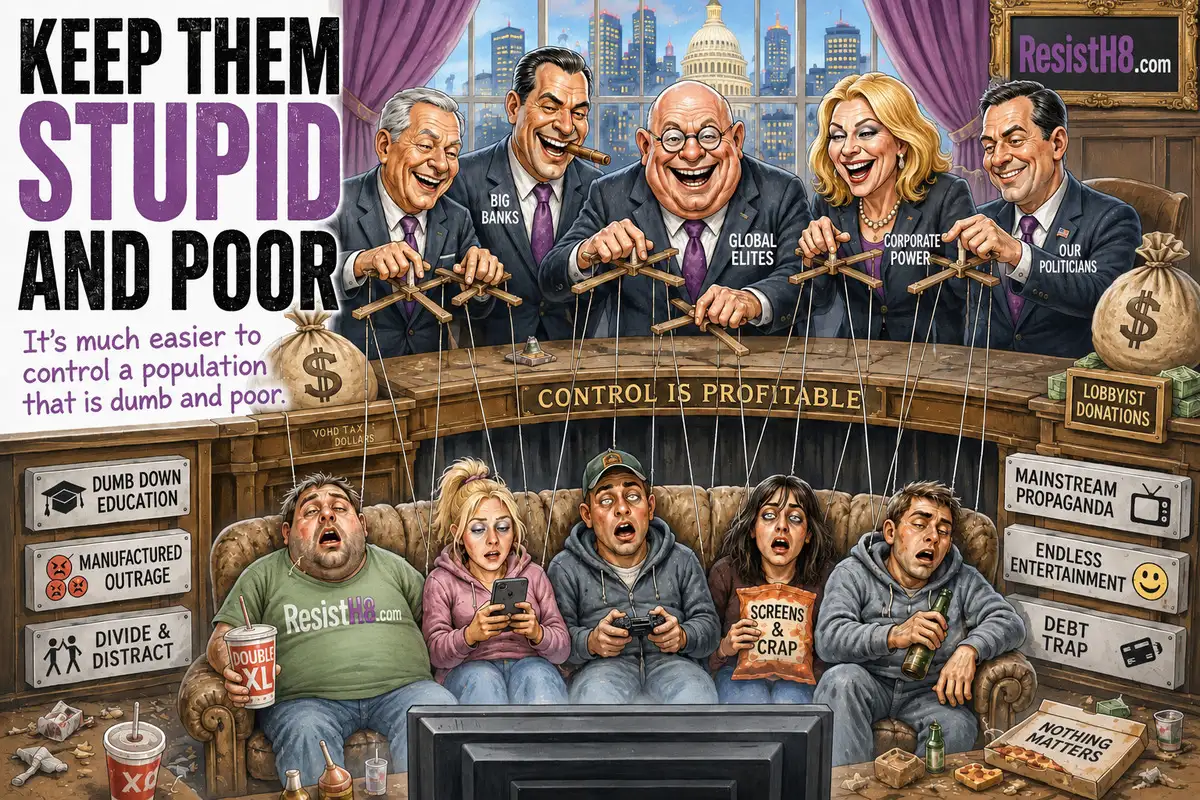
It’s part of the main agenda of the rich and powerful: “Keep them stupid and poor” — It makes the population easier to control.
Republicans sometimes go too far in their attempt to follow the agenda and use ridiculous ideological/political labels for Democrats, Progressives, and Democratic Socialists.
They rely heavily on the idea that most Americans don’t understand the nuances of different political and economic systems, so it doesn't matter how insane it is to label a DSA candidate a “communist.”
The label changes with the decade — Marxist was big for a while, socialist came back around, and now communist is having a moment — but the move is always the same.
Here's the thing: these four words describe four genuinely different ideas. They are not synonyms. They are not interchangeable insults.
And once you know what they actually mean, the name-calling seems even more ridiculous.
So let's do this in plain English.
One Question Separates All Four ‘Scary Words’
Every single one of these political systems is answering the same question: Who owns the stuff that makes stuff?
Not your house. Not your car. Not your grandmother's ring. Economists call it the "means of production" — the factories, the farmland, the machinery, the mines, the office buildings. The things people use to make money.
Keep that question in mind as you read about that actual systems behind the ‘scary words.’ The rest will fall neatly into place.
Who Owns the Stuff That Makes Stuff?
Capitalism: Private Individuals
Private individuals own the stuff that makes stuff.
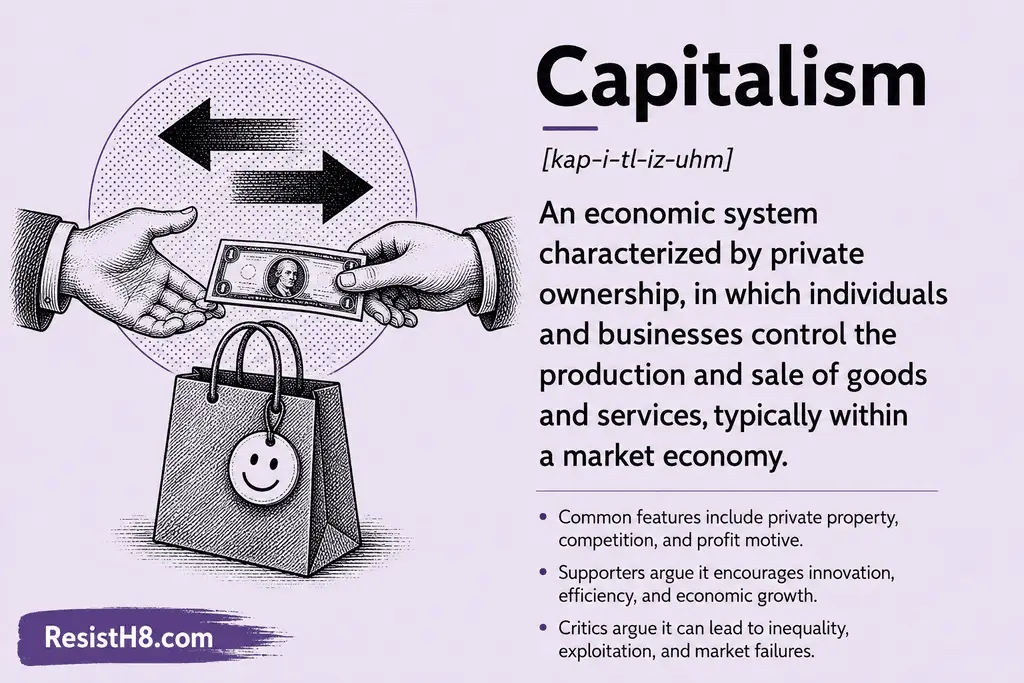
You start a bakery, you own the bakery. You hire workers, pay them a wage, sell the bread, and keep whatever's left over. Prices, wages, and what gets made are mostly settled by the market — by what people will buy and what competitors will charge.
Capitalism runs on private ownership, competition, and profit. The United States is a capitalist country. So is Sweden. So is Japan.

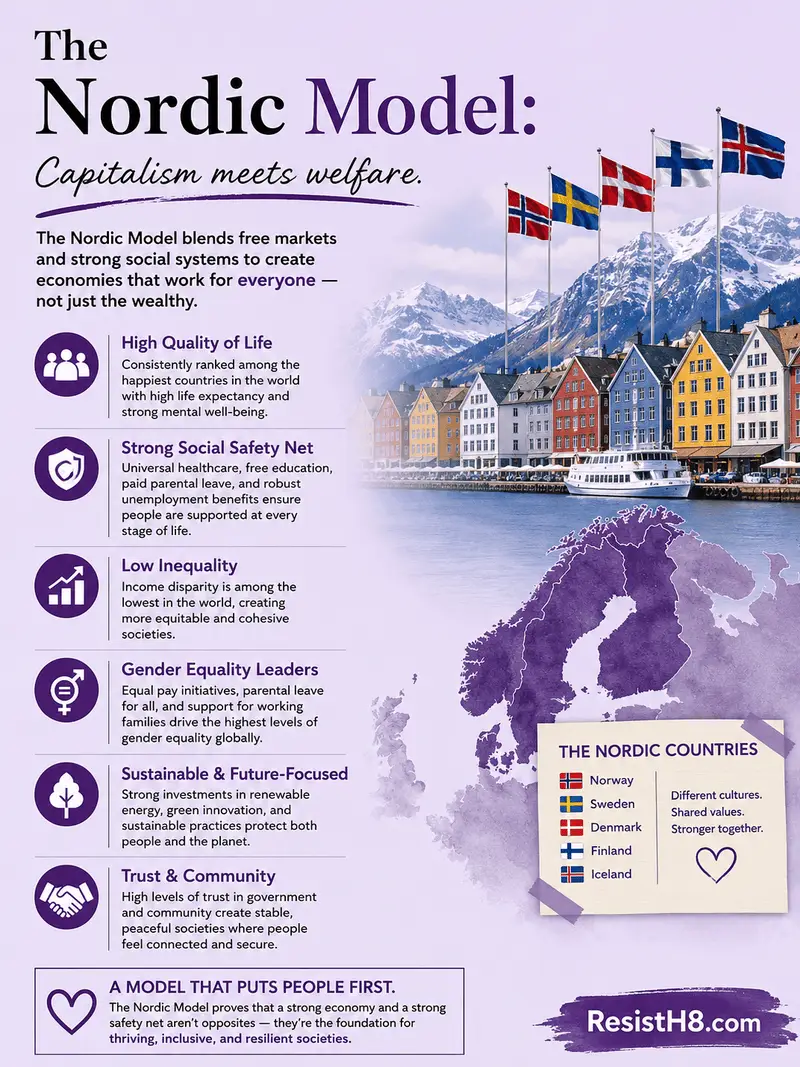
My favorite system: Capitalism — the Nordic Model
Countries with the Nordic Model of Capitalism are always at the top of the list of countries ranked according to the happiness level of their population. The ranked list is part of the Happiness Report.
Check out the most recent World Happiness Report available here at Resist Hate. The infographic below explains the Nordic Model.
Socialism: The Public
The public owns or controls the stuff that makes stuff — through the government, through worker cooperatives, or through some other collective arrangement.
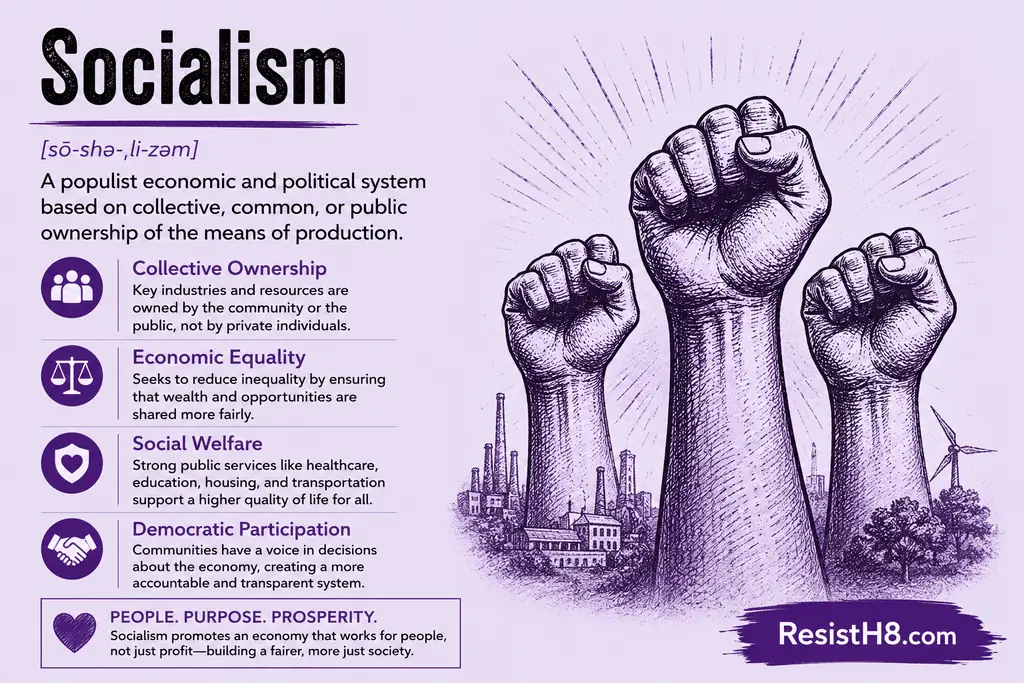
Socialism calls for public rather than private ownership of property and natural resources, and the argument behind it is simple: when just a handful of people own everything, everyone else has to do what those people say.
Important: socialism is a spectrum, not a black or white issue. Almost nobody in mainstream American politics is proposing that the government seize your neighbor's dry cleaner.
When U.S. politicians are called socialists, it's usually about specific sectors — healthcare, utilities, housing — not the whole economy.
Marxism: Not a political ideology or economic system — it’s an ANALYSIS of Capitalism by Karl Marx
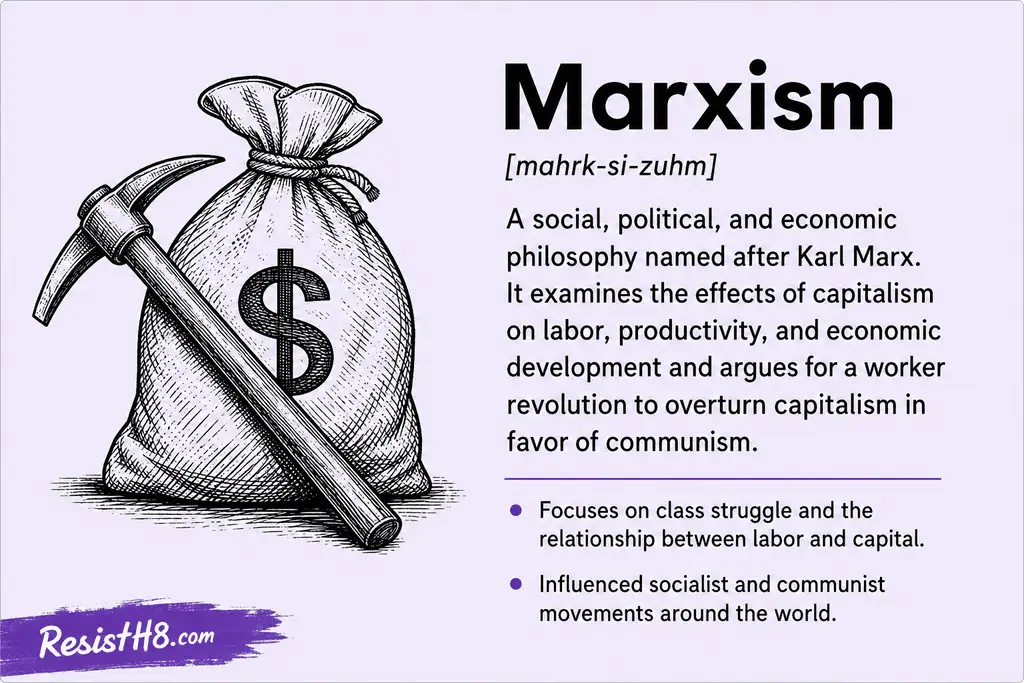
Marxism isn't an economic system at all. It's a diagnosis. Next time you hear someone call a candidate “Marxist,” ask them directly, “How so?”, “What does that mean?”, or “What makes you think that?”



There’s a good chance that person will become defensive and avoid giving you an honest response.
They don’t want to admit the truth, because it’s probably something like, “Marxism is just really bad. Sean Hannity said Marxists hate America.”
Here are the facts: Karl Marx was a 19th-century German philosopher and economist who looked at industrial capitalism and wrote down what he thought was wrong with it.
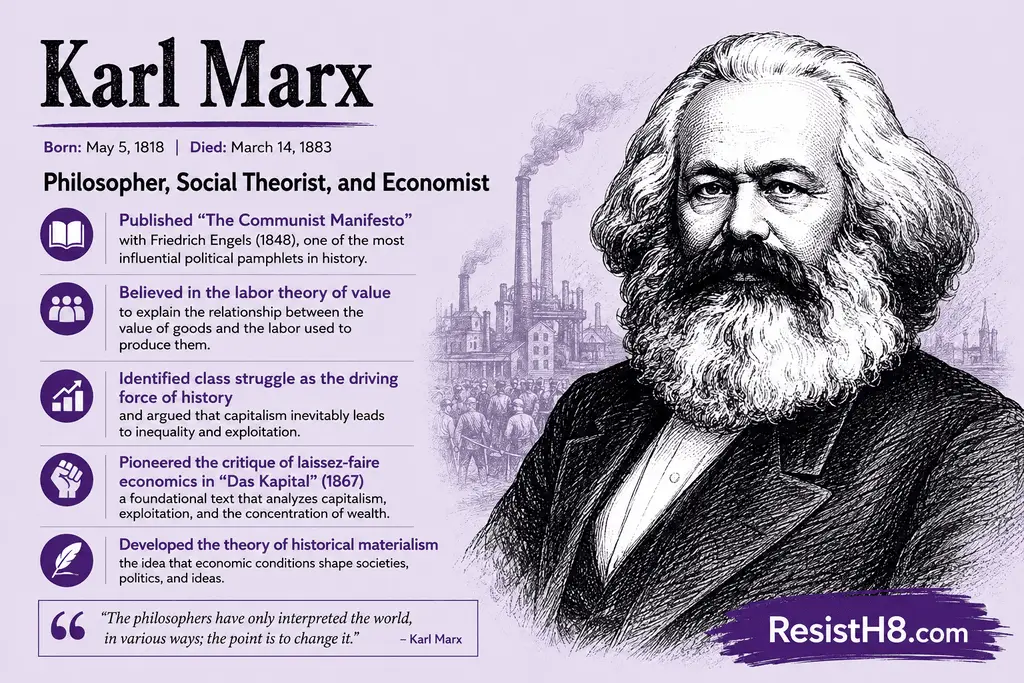
His argument
- History is driven by conflict between the class that owns things and the class that has to work for them,
- Workers get paid less than the value they create
- The gap between the income of the two classes keeps widening
- It grows wider until the entire system breaks.
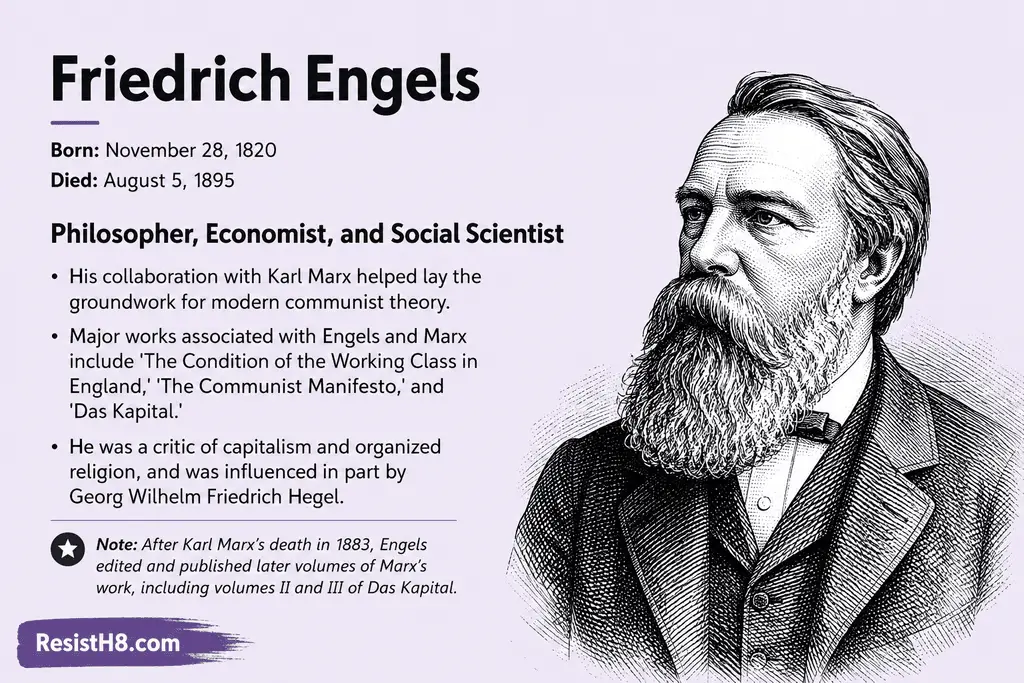
Marx laid out the political version of his argument with Friedrich Engels in The Communist Manifesto in 1848.
Think about his arguments. Is Capitalism in America about to break? Marx was right that there would be a conflict between the class that owns things (billionaires, CEOs) and the class that works for them (working-class people).
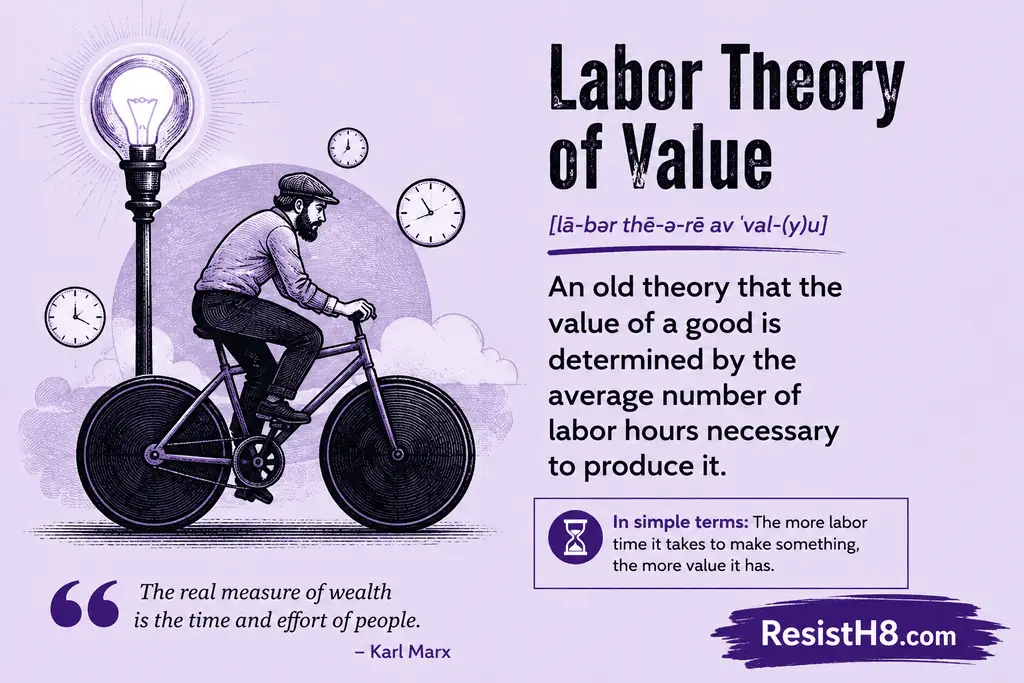
Marx was also right when he claimed the working class would always get paid less than the value of the product they create.
Finally, he was right about the wealth gap continuing to widen. If he was right about all of those things, he’s pobably right about the end result of Capitalism: the wealth gap (and income inequality) will continue to widen until the system breaks.
Corporations could help to narrow the gap by paying their workers more than “just enough to survive on.” Low wages are intentional.
Paying workers low wages is intentional. So was the decision to condition health insurance coverage with working full-time. That automatically makes it more difficult for workers to leave a job they don’t like. Most people will choose to stay so they don't lose health insurance.
Low wages pressure people to stay in the workforce until they can finally retire.
By paying workers what they deserve, some families in poverty could climb up the class ladder. The widening gap between the wealth of the working-class and the wealth of the corporate classes would begin to close.
Another aspect of this, which we don’t have the time or space to get into right now, is “income inequality.”
The federal government could help close the wealth gap by increasing the federal minimum wage, by urging corporations to raise the wages of workers in America, and by pressuring governors to increase the minimum wage in their state.
Think about this: There are people doing the difficult job of building/creating a product that brings in so much money that the CEO of the company is a billionaire.
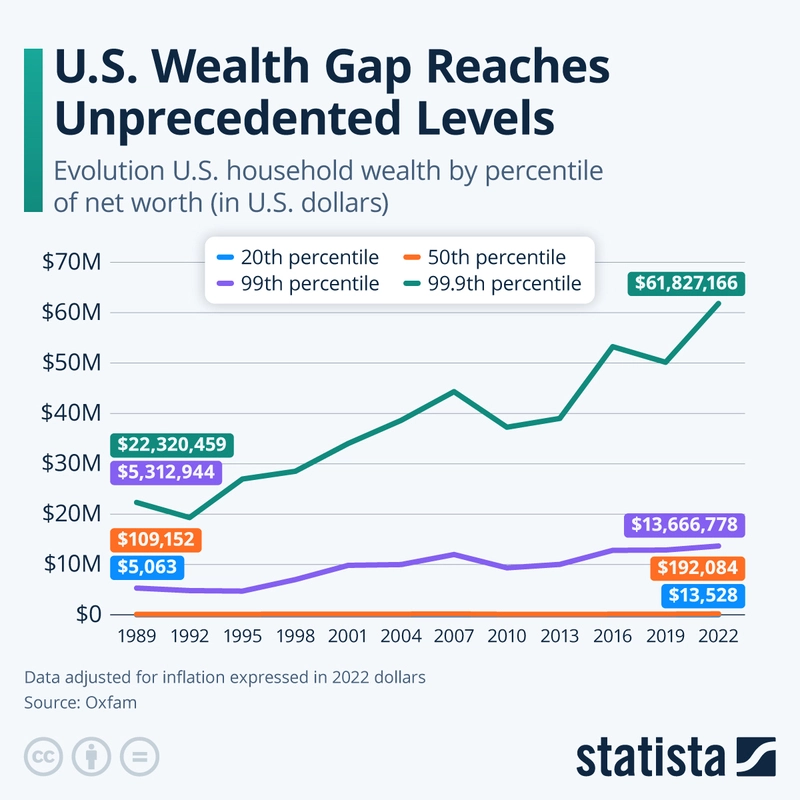
The wealth gap in America is the widest it has ever been.
Being a Marxist means you find the analysis, conducted by the economist named Karl, useful. It doesn't automatically tell you what economic system you would build to replace Capitalism.
Plenty of economists and historians use Marx's analysis the same way they'd use anyone’s analytical tool, without wanting to overthrow anything.
Communism is the finish line Marx imagined at the end of all of this.
Communism: Karl Marx’s idea of what would remain after a Capitalist economic system broke
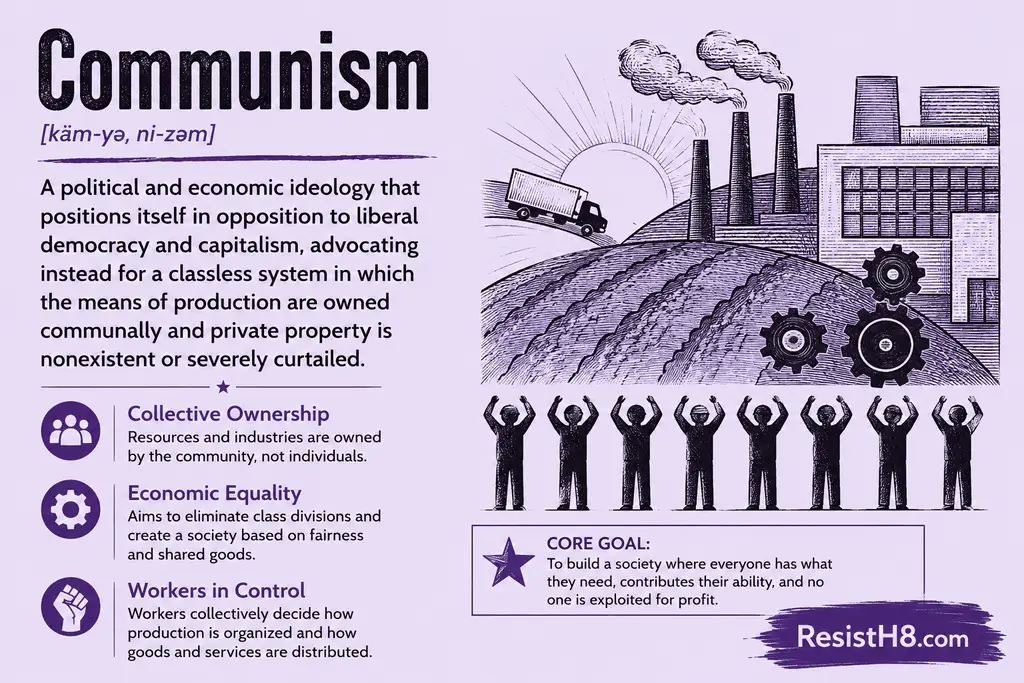
In Marx's own writing, the transformation would come in two phases. First, a transitional stage where workers control the government and economy but people still get paid according to how much and how well they work — that phase is widely understood as socialism.
Then, eventually, full communism: no classes, no private ownership of “the stuff that makes stuff,” and no government at all.
From each according to ability, to each according to need.
That second part matters, yet it's also the part most people skip. Actual communism as Marx described it is stateless. It has never existed anywhere.
What did exist — the Soviet Union, Mao's China, North Korea, Cuba — were one-party authoritarian states that called themselves communist without ever making it past the "extremely powerful government" phase.
When Americans hear "communism," this is what they're picturing: secret police, gulags, breadlines. That's definitely something anyone would be afraid of. It's just not what the word means in a dictionary, and it's very much not what someone means when they say they'd like a public option.
The Cheat Sheet
| Ideology/System | Who owns the stuff that makes stuff? | Who runs the government? |
|---|---|---|
| Capitalism | Private individuals | Anyone — democracy, monarchy, dictatorship |
| Socialism | The public, in whole or in part | Anyone — including democracies |
| Marxism | (a critique, not a system) | — |
| Communism | Everyone, collectively | In theory, nobody. In reality, one party. |
Notice what's missing from that table? There’s nothing there about elections. Capitalism doesn't guarantee democracy — plenty of brutal dictatorships have had roaring private markets. And socialism doesn't require dictatorship.
The economic question and the political question are two different questions, and jamming them together is where most of the confusion comes from.
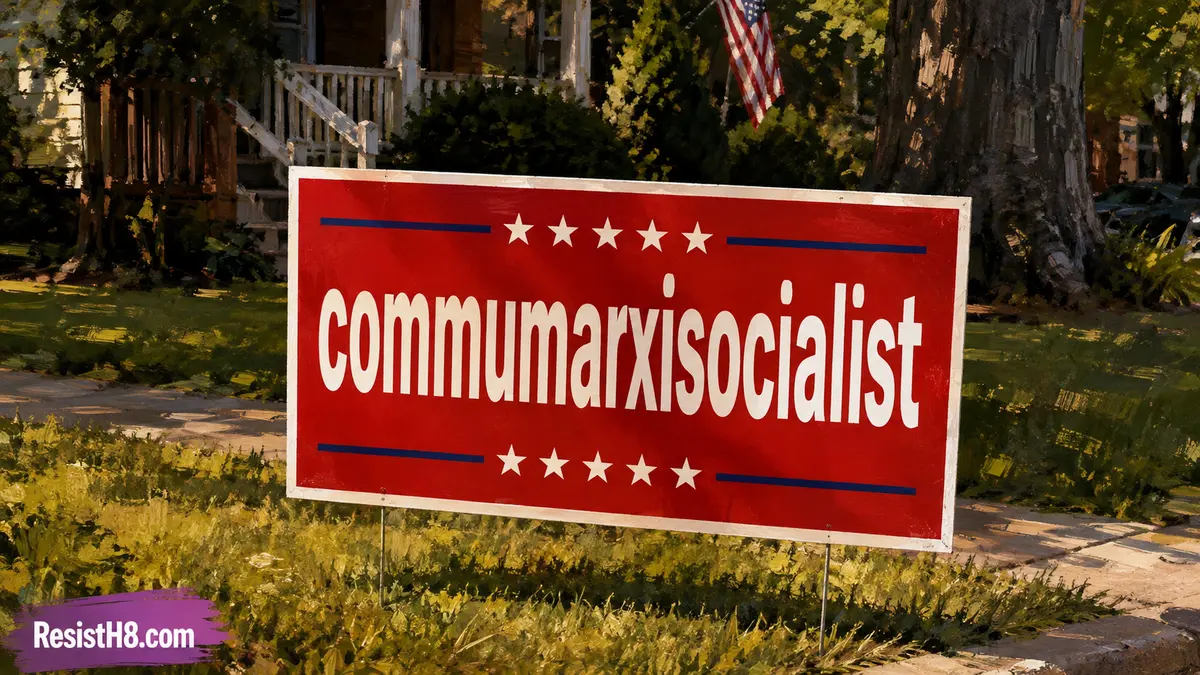
In an earlier explainer about Republican politicians calling Democrats “Marxist communist socialists” (all 3 scary words at once!), RH made it easier for them by creating a new label that incorporates all three: Commumarxisocialist.
BONUS CONTENT
Socialist vs. democratic socialist vs. social democrat
A socialist wants public or collective ownership of the economy's major engines. That's it — the word says nothing about how you get there.
A democratic socialist wants that same end result, but insists on getting there through elections, organizing, and persuasion — never a coup, never a one-party state.
The Democratic Socialists of America define it this way: both the economy and society should be run democratically, to meet public needs instead of profits for a few. They explicitly reject authoritarian models. The "democratic" part isn't decorative — it's the entire point, and it's the difference between DSA and the socialist regimes people are actually afraid of.
It can be extremely frustrating to hear the Right misuse the ‘scary words’ to label someone with not even one of the core beliefs/values that make up that system. Our public education system doesn't excel in teaching students about government and civics.
Just another of a society that doesn't view critical thinking as one of the basic skills every American should have. Quoting Trump: “Think of it.”
A social democrat doesn't want to replace capitalism at all. They want to keep private markets and tax them to fund a big safety net: universal healthcare, free or cheap college, strong unions, paid leave.
Think Denmark, Norway, Germany. The bakery still belongs to the baker; the baker just doesn't go bankrupt when she gets sick.
Here's the wrinkle: most of the policies that get American politicians branded socialist — Medicare for All, a $17 minimum wage, tuition-free public college, expanded Social Security — are social democratic policies.
They regulate and tax capitalism. They don't abolish it. Some of the politicians proposing them do call themselves democratic socialists, and there's a real, ongoing argument on the left about whether the label matches the platform.
But there is no version of these proposals that meets the definition of communism, because communism requires abolishing private ownership of the economy and eventually the state itself.
Why Do They Keep Doing This?
Because it works.
In 1961, the American Medical Association hired an actor named Ronald Reagan to record a ten-minute LP warning that a bill to give seniors health insurance was "socialized medicine." Doctors' wives played it at coffee parties and wrote letters to Congress.
The campaign was called Operation Coffee Cup, and it helped sink the bill in 1961. That bill came back and became Medicare in 1965. Today it covers tens of millions of Americans, and running against it is close to political suicide.
Same script, different decade. It worked during the Red Scares, it worked against Medicare, it worked against the Affordable Care Act, and it's being run again right now.
None of this means every criticism of progressive policy is a smear. There are real, serious arguments to have about cost, taxes, government capacity, and unintended consequences, and those arguments deserve to be had on the merits.
But "this program is expensive" and "this person is a communist" are not the same claim, and only one of them can be answered with evidence.
So, the next time somebody calls a school lunch program communism, you don't have to argue. You can just ask the one question that sorts all of this out: who owns the factories?
If they can't answer, they weren't making an argument. They were picking a label.