
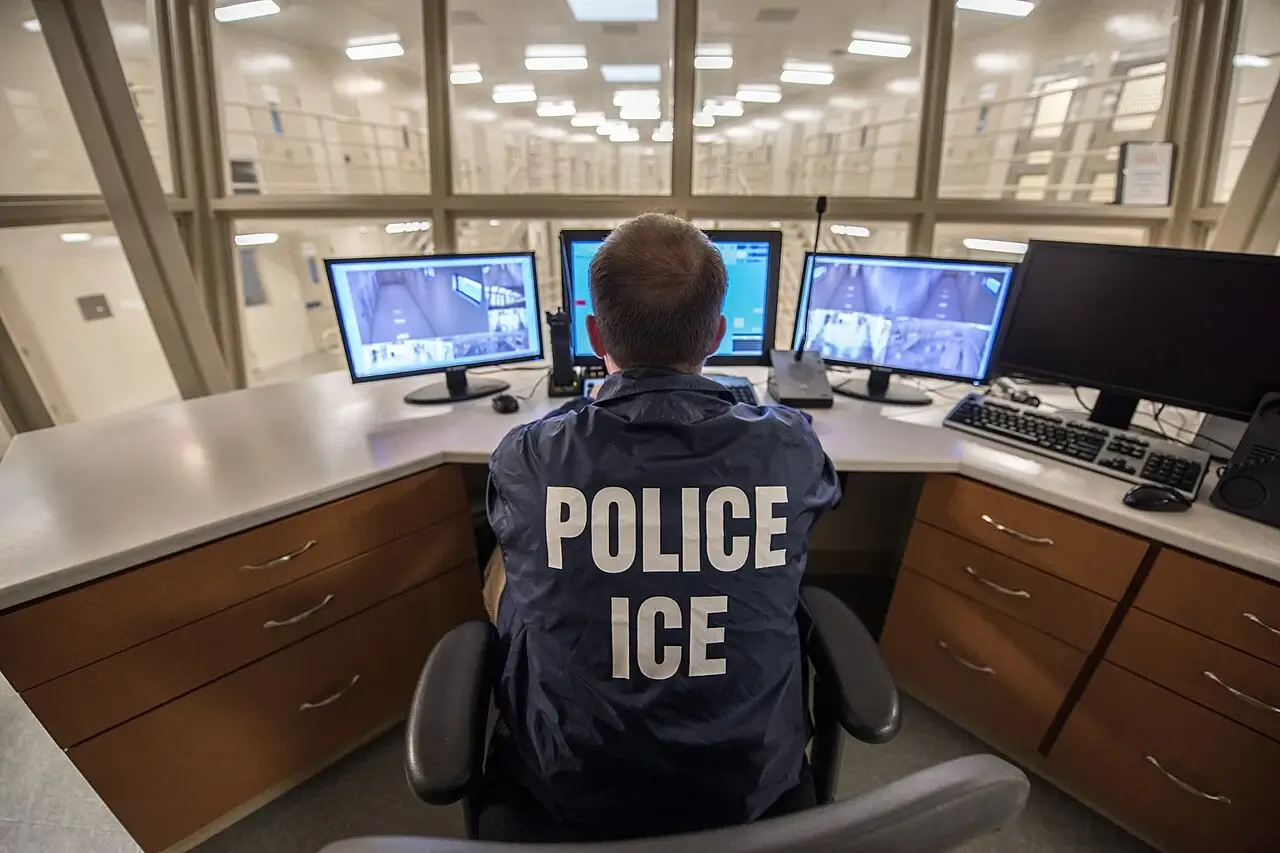

Mamuka Artmeladze was 43 years old. The Georgian man had been locked inside the Winn Correctional Center — a remote detention center in rural Louisiana — for roughly four months when he died in ICE custody.
He was found dead on June 4. We know very little else about him, and that silence is its own kind of cruelty.
Immigration and Customs Enforcement notified lawmakers, as the law requires, but never posted any public notice of his death.
By most counts, Artmeladze was the 50th person to die in U.S. immigration custody since Donald Trump returned to office.
By the time you read this, that number is already higher.
A Toll Measured in People, not Statistics
At least 51 people have died in ICE custody since the start of Trump's second term, according to the agency's own death records.
Nineteen of those deaths came in just the first five months of 2026 — an average of about one death every eight days.
And researchers warn that the real figure is almost certainly higher than what ICE admits.
Consider the people who don't make the official list at all. At least two disabled people died this year of exposure shortly after immigration officials released them into freezing winter weather, including a 31-year-old Haitian woman who was left at a Pittsburgh bus stop for 30 hours in early March, and a blind Rohingya refugee whose death was ruled a homicide.

Medical examiners classified both as homicides — and yet ICE counts neither in its tally.
That gap is about to grow on purpose.
In early June, ICE confirmed it would stop reporting the deaths of people who die soon after being released from custody, reversing a Biden-era rule that required deaths within 30 days of release to be investigated and disclosed to Congress.

DHS called the rollback "common sense." Public-health experts call it the opposite: tracking what happens to people right after release is a standard way to catch the failures in medical care that kill them.
Stop counting, and the crisis disappears — at least on paper.
Jailed Without Trial, For a Civil Offense
Here's the part that too often gets lost: most of the people inside these jails have not been convicted of, or even charged with, any crime.
Crossing the border without authorization is a civil violation, not a criminal one.
Yet shortly after taking office, Trump ordered ICE to impose an unprecedented mandatory detention policy — locking people up without a bond hearing while they wait, sometimes for months, to see a judge.
More than 68,000 adults and children are now held under that crackdown.
Defense attorneys have filed over 15,000 petitions arguing the policy violates the constitutional right to challenge one's own detention.
Federal judges have sided with the immigrants in the vast majority of cases, ruling that caging people without a hearing tramples due process — but appeals courts are split, and the fight is widely expected to reach the Supreme Court.
Immigrant-rights advocates say the suffering isn't a side effect of this policy; it's the strategy.
Make detention so degrading, so frightening, and so legally hopeless that people abandon their cases and "self-deport."



"The cruelty is not incidental; it is the point," said Vanessa Cárdenas of the advocacy group America's Voice.
A Documented Pattern of Neglect
This is not speculation. It is a documented, federally confirmed pattern.
Two days before Artmeladze died at Winn, the DHS Office of Inspector General released a damning report on that very facility, tucked into the stretch of rural Louisiana that advocates have nicknamed "detention alley," where thousands of immigrants are shipped to be isolated from their families and lawyers.
Federal watchdogs found that staff failed to keep the jail sanitary, failed to provide medical care, denied detainees access to legal materials, and broke use-of-force rules — in one case, a guard used a banned chokehold on a person to "gain control."
The neglect extends to mental health.
At least 10 deaths in custody under Trump have been ruled suicides, according to the Associated Press — including men who entered the country legally, were never charged with a crime, and were diagnosed with anxiety behind bars but left without the care that might have kept them alive.
And these conditions reach the most vulnerable people imaginable.
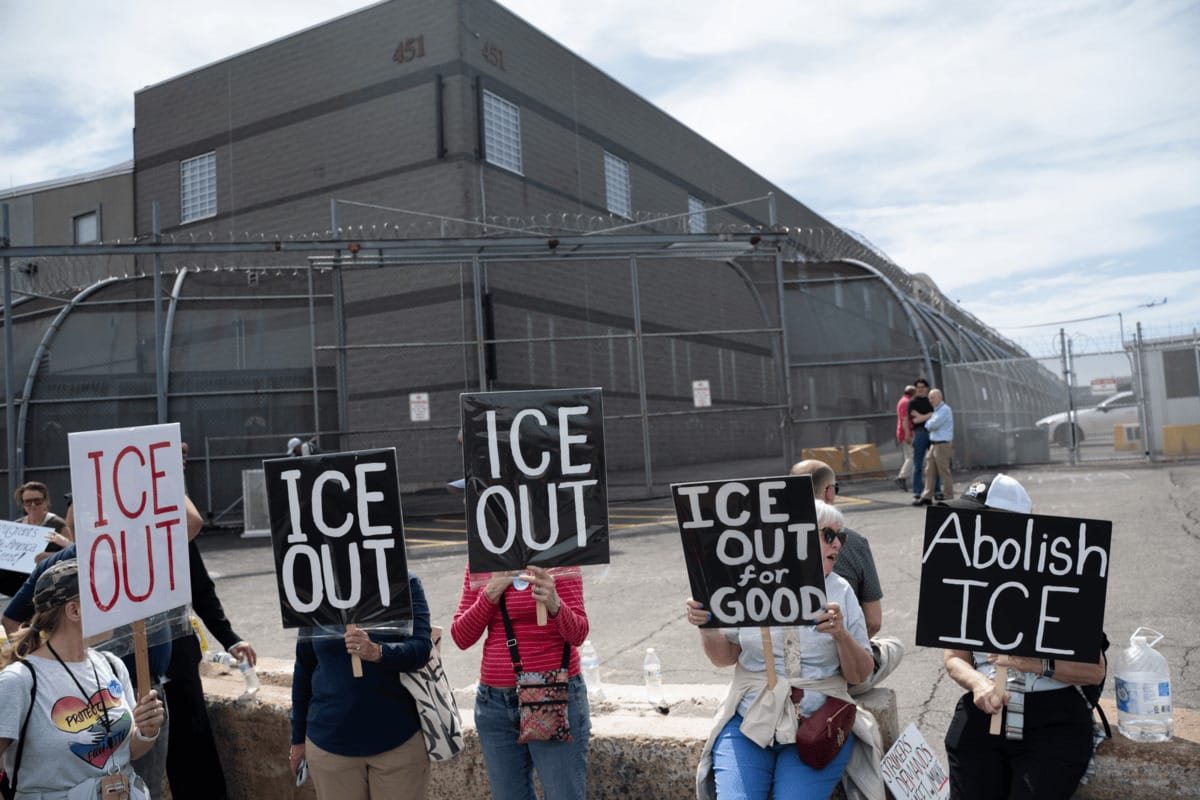
At the Delaney Hall immigration prison in New Jersey, entire families are jailed, including pregnant women and parents with young children.
People inside have been waging a hunger and labor strike over inedible food and isolation from the outside world, while supporters hold nightly vigils outside.
Reporting has documented babies and toddlers made to appear in immigration court, and disabled children losing access to lifesaving medical care.
Preventable — Almost All Who Died in ICE Custody
The most haunting fact is how avoidable these deaths were.
In April, the San Francisco Chronicle reviewed 32 deaths in ICE custody and asked 14 independent physicians to examine the medical records.
In at least 17 of those cases, the doctors concluded the person might have lived if not for delays and failures in their care.
That echoes a 2024 finding that roughly 95 percent of deaths in ICE jails between 2017 and 2021 were likely preventable — data that was sitting in the public record when this administration chose to expand detention anyway.
Senators Alex Padilla and Dick Durbin said in a letter to the Department of Homeland Security: jailing more people for longer, inside a system already known for medical neglect, produced exactly the deaths anyone could have predicted.
The administration, they wrote, either failed to anticipate that result — or pressed ahead despite it.
Mamuka Artmeladze deserved better than an unmarked death in a Louisiana jail.
So did everyone counted on that growing list, and everyone who never made it.
They were people — sons, mothers, refugees, neighbors — not line items in a deportation quota.
The least we can do is refuse to let their deaths be erased, even as the people responsible work to stop counting them.