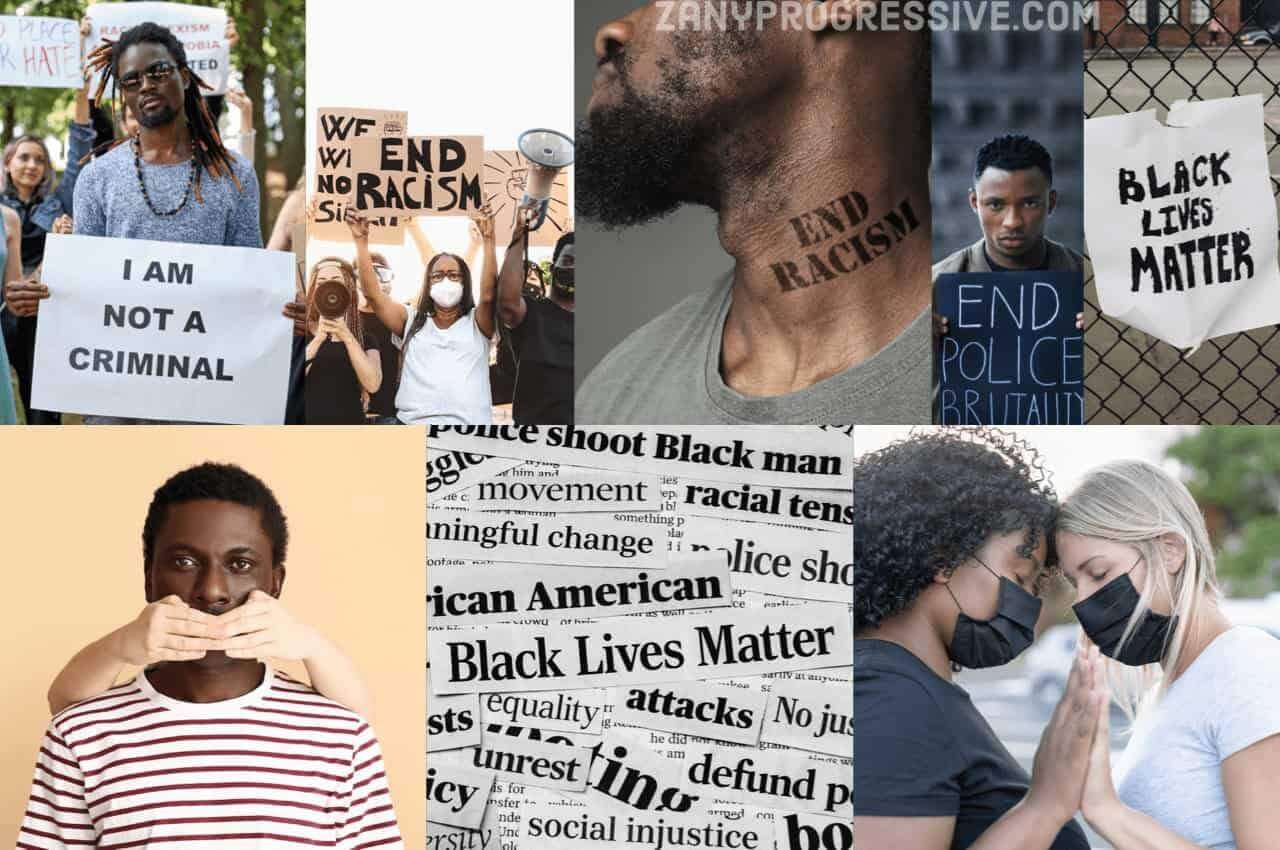

The Black Lives Matter (BLM) movement, born out of a collective response to systemic racism and police brutality, has emerged as a powerful force for social change.
This post comes at a time when racism is beginning to “boil over.” With all of the disinformation and negative messaging against the BLM Movement, it's time to look at it again and set the record straight.
This article will cover the incident(s) which sparked the movement, what it's about, and provide factual information to help counteract the negative sentiment against the movement caused by misinformation spread by conservative media.
Who knows. Maybe it will help to alleviate racial tensions to prevent them from “boiling over.”
The impact of Black Lives Matter, both domestically and internationally, is undeniable, challenging the status quo and demanding a reexamination of racial justice in society.
What Is Black Lives Matter?
At its core, BLM is a movement that affirms the inherent value of Black lives. It's a response to the long history of discrimination, violence, and institutional oppression affecting Black communities.
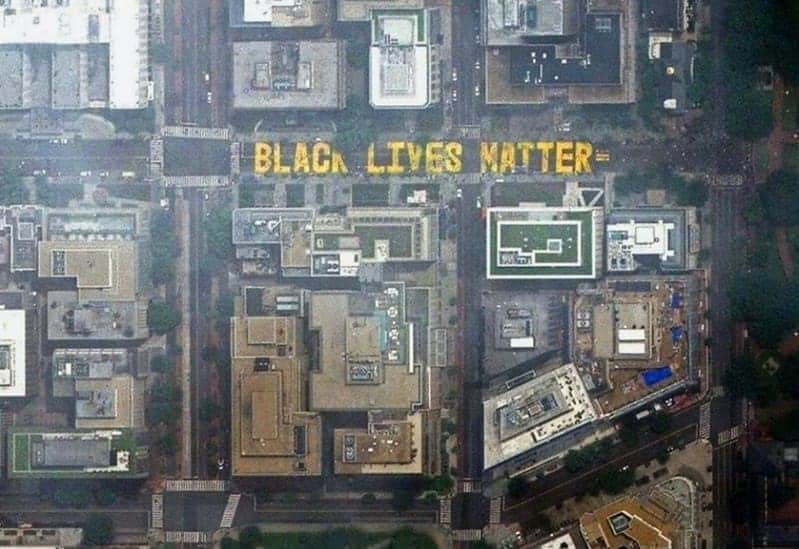
The movement's slogan, "Black Lives Matter," is a declarative statement that challenges the pervasive belief that Black lives are less worthy or deserving of protection.
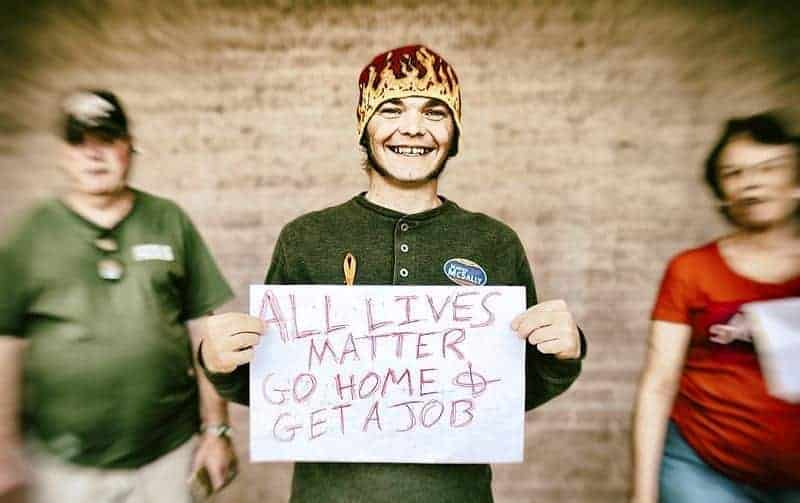
A common response from those who are against the movement is displaying signs or wearing T-shirts with “White Lives Matter,” “All Lives Matter,” or in reference to the police, “Blue Lives Matter” printed on them.
Critics of the Black Lives Matter Movement
While the Black Lives Matter movement has garnered significant support, it has also faced criticism from some groups and individuals.
These critics often raise concerns about the movement's tactics, goals, and perceived impact.
Some of the Primary Arguments Against BLM:
1. The Focus on Police Violence: Some critics argue that BLM is overly focused on police violence and neglects other issues affecting Black communities like poverty, education, and economic inequality. They feel that a broader approach is necessary to address all of the challenges faced by the Black community.
2. Tactics and Violence: A common criticism is that BLM's tactics, including protests, demonstrations, and civil disobedience, can be disruptive and even violent. Critics point to instances of property damage, looting, and confrontations with law enforcement as evidence of criminality or aggression within the movement.
What they overlook (or ignore) are the videos of BLM protesters attempting to stop outside agitators from spray painting “Black Lives Matter” on businesses. The protesters are saying, “You aren't helping our cause when you do that. You're hurting it.”
One video shows BLM protesters forming a human chain in front of a store to block people who co-opt the protest just to loot stores or vandalize businesses.
3. Anti-Police Sentiment: Some argue that BLM's rhetoric and actions have contributed to a negative perception of law enforcement.

They claim that the movement's focus on police violence can lead to a distrust of all police officers, including those committed to serving their communities.
The “One bad apple” saying holds true here. The so-called negative perception of law enforcement exists not because of the movement, but because there aren't more officers speaking out against the murders.
4. Lack of Unity: Critics often point to the decentralized nature of Black Lives Matter as a weakness.
They argue that the movement's lack of centralized leadership and unified messaging makes it harder to achieve goals or hold individuals accountable for their actions.
This can also be seen as a strength. Candidates for President set up campaign offices in states all over the country. These offices have different staff and different leadership.
That doesn't mean they can't unite around messaging, it means they're able to reach more people with their message.
5. Political Agenda: Some critics dont believe that BLM is a movement for racial justice. Instead, they think think it's a political organization with a broader agenda.
Critics argue that the movement's goals extend beyond police reform and include challenging capitalism or promoting a socialist or Marxist ideology.



The movement is not partisan or political.
It’s important to note that these criticisms are often contested by supporters of BLM, who argue that the movement's focus on police violence is a necessary first step in addressing systemic racism.
They also claim that the movement's tactics are justified in the face of ongoing injustice and that Black Lives Matter is not inherently anti-police but rather seeks to hold individuals accountable for their actions.
We've seen police officers held accountable and facing trials/jail time as a result of their actions.
Have our fellow Americans been lying about the brutality, violence, and discrimination they experience at the hands of the police?
Of course not. It took the murder of one person after another by those who are supposed to serve and protect the people of their community to raise awareness and bring something that has been happening for decades to the forefront.
People can only take so much before they can no longer stay silent.
Killings by Police
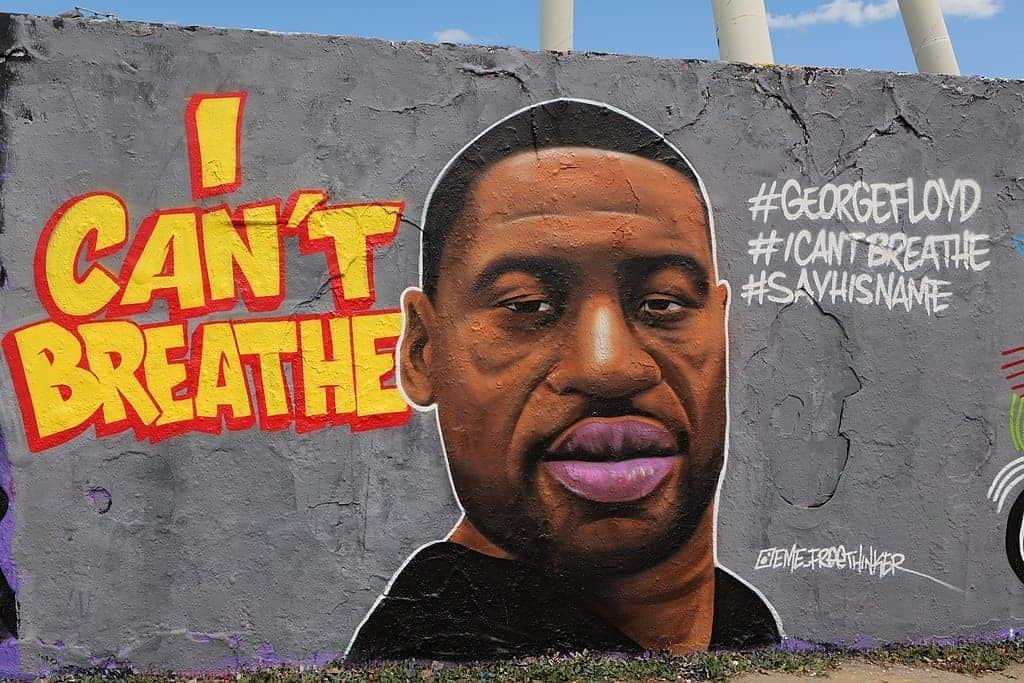
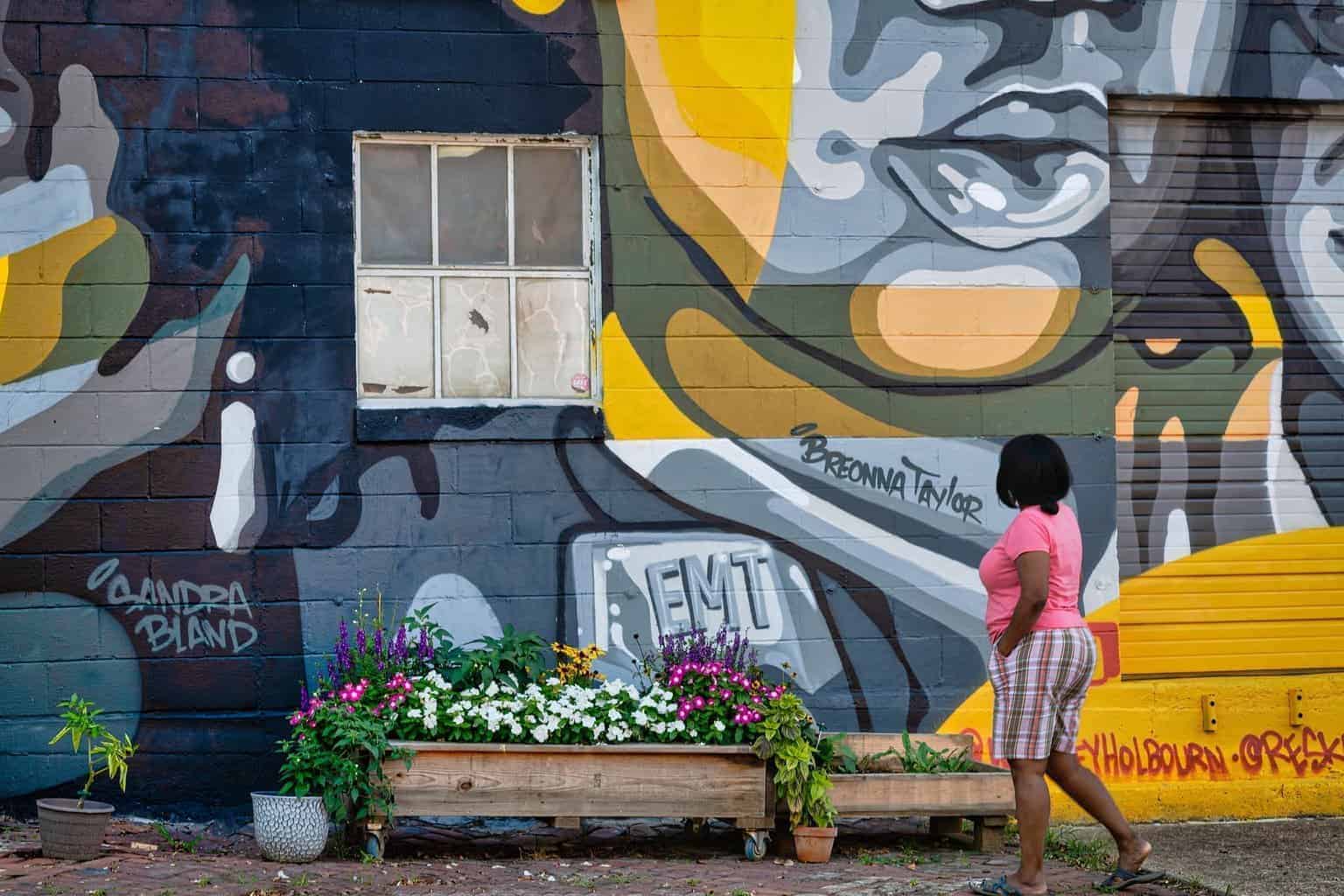
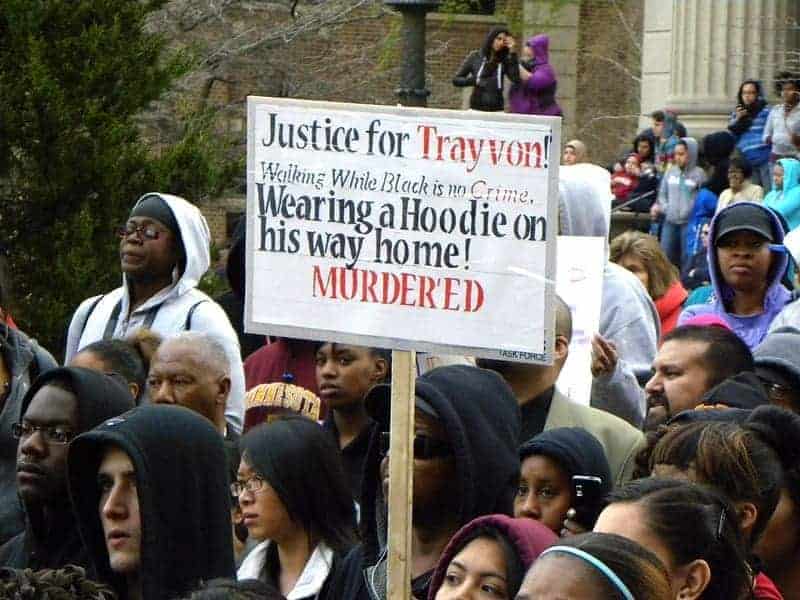
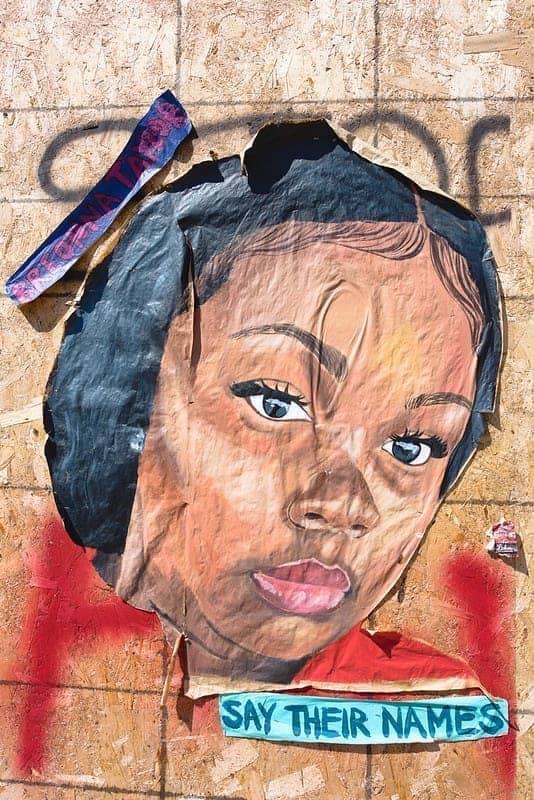
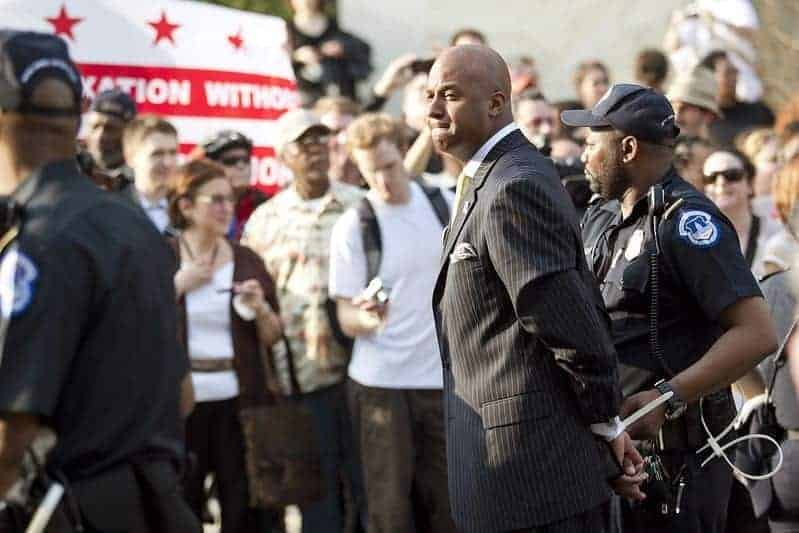
The BLM movement has been fueled by a series of high-profile cases of police violence against Black individuals, including Trayvon Martin, Michael Brown, George Floyd, and Breonna Taylor.
These tragic events have served as catalysts for protests, community organizing, and calls for accountability.
Through its decentralized structure and emphasis on grassroots activism, BLM has mobilized individuals from all walks of life to advocate for racial justice.
In fact, during the height of the movement in 2020, polls showed that the majority of Americans support the movement. More than Donald Trump.
Beyond its focus on police brutality, Black Lives Matter has also addressed broader issues of systemic racism, such as economic inequality, mass incarceration, and discriminatory policies.
The movement has highlighted the interconnectedness of these issues and the ways in which they perpetuate racial disparities.
By challenging the status quo and demanding a more equitable society, BLM has sparked important conversations about race, privilege, and power.
Although critics of Black Lives Matter have argued that the movement is divisive and that its focus on racial issues is counterproductive, they could not be more wrong.
However, it is important to recognize that the movement is a response to a long-standing problem that has persisted for generations. By demanding attention to these issues, BLM has forced society to confront its racial past and present.
Conservatives have fought to remove the teaching of slavery from school classrooms.
They fought against the imaginary “Critical race theory” being taught in public schools when that has never been the case.
It only served to galvanize parents in school board meetings and instigate them to run for local school boards. A sneaky way of creating a Conservative majority in local office positions.
Fact: Critical Race Theory is only taught in colleges, mainly law schools. The term was once used as a catch-all phrase for “Black History.” They claim that teaching students about our racial past will only make “White kids feel bad.”
Forcing Social Change
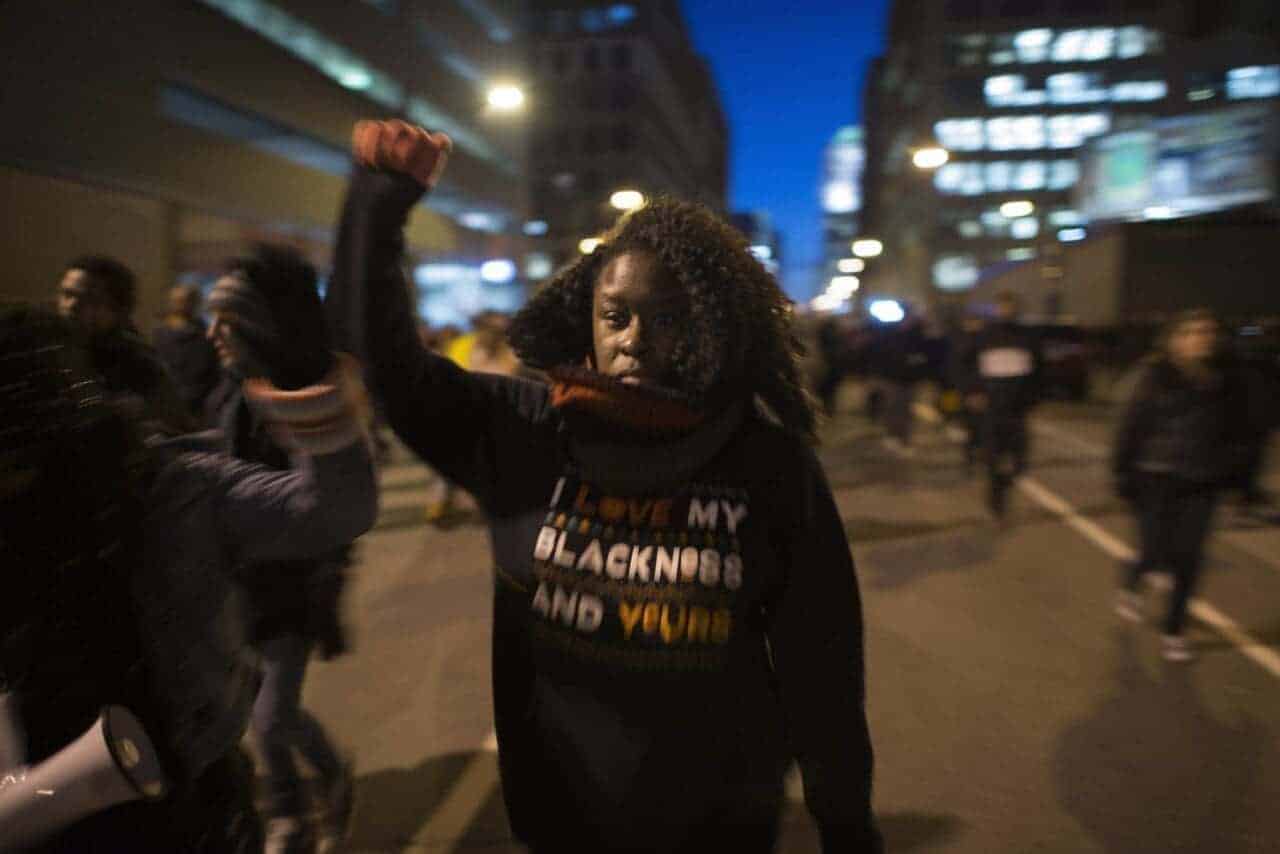
The Black Lives Matter movement is a powerful force for social change.
Through its advocacy for racial justice and its emphasis on the value of Black lives, BLM has inspired millions of people to stand up against systemic racism and demand a more equitable society.
While the movement faces challenges and opposition, its impact is undeniable, and its legacy will continue to shape social justice activism for generations to come.