
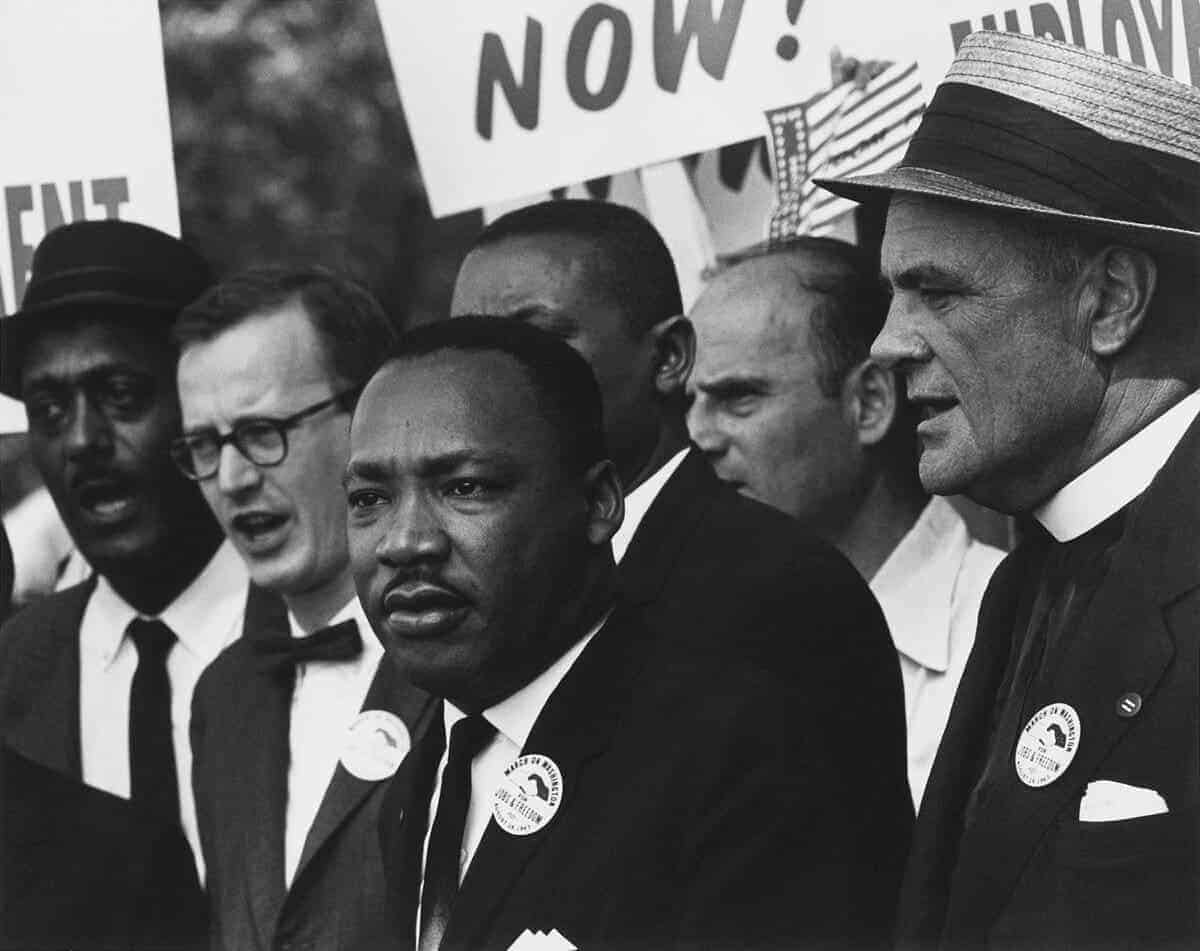

People throw the term “systemic racism” around a lot, but it’s worth slowing down to explain what it actually means—and how it got here.
What Is Systemic Racism?
Systemic racism isn’t about one person being cruel or prejudiced.
It’s about racism being built into the rules: the policies, practices, and everyday procedures of our institutions, from schools and workplaces to the courts and the police.
In other words, you don’t need a single “bad guy” pulling the strings for the system to keep producing unequal results. The bias is baked into how things already work. That’s the whole idea, and it’s the thread that ties everything below together.
Slavery and Civil Rights
To understand systemic racism, it helps to look at history, because that’s where its roots are.
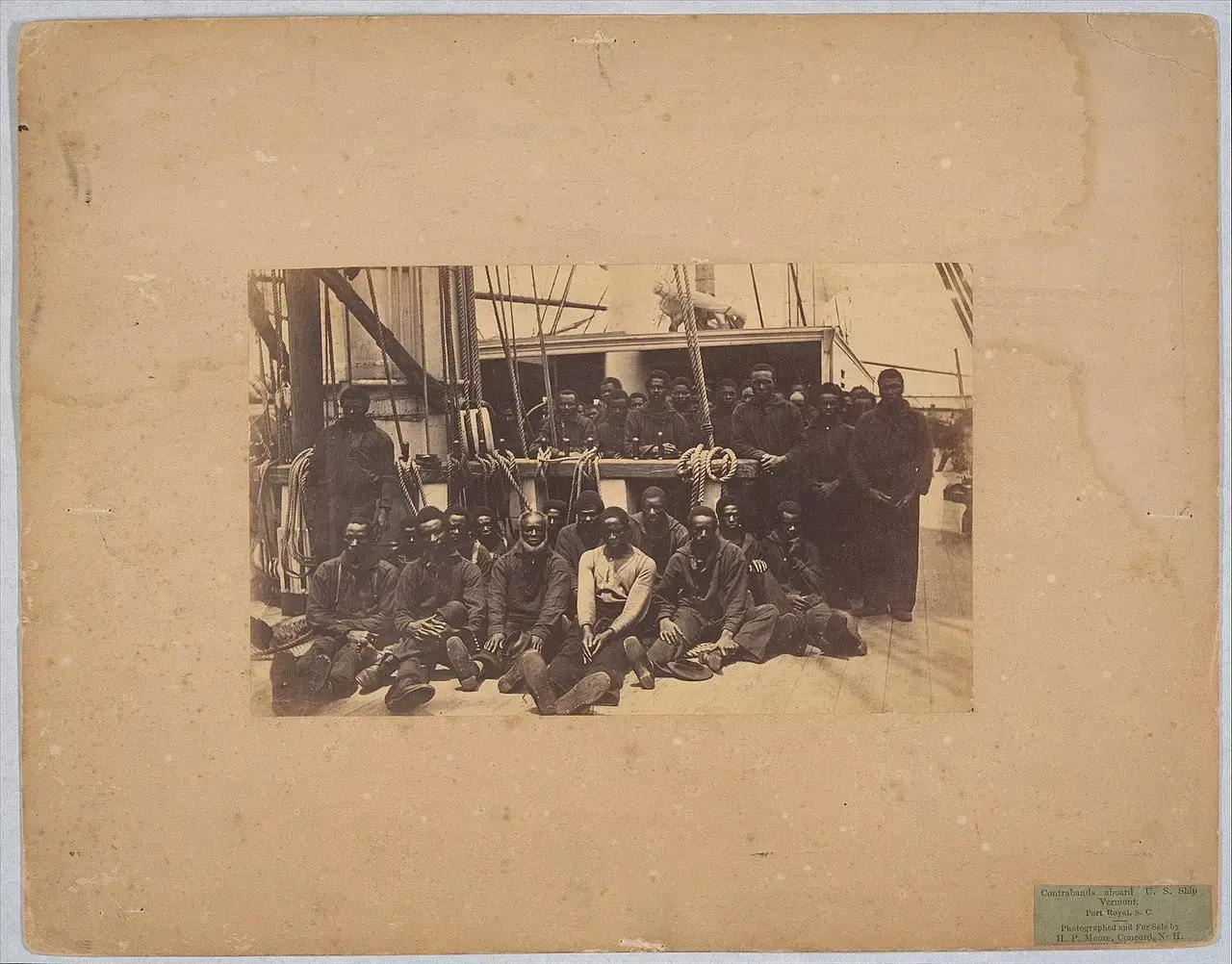
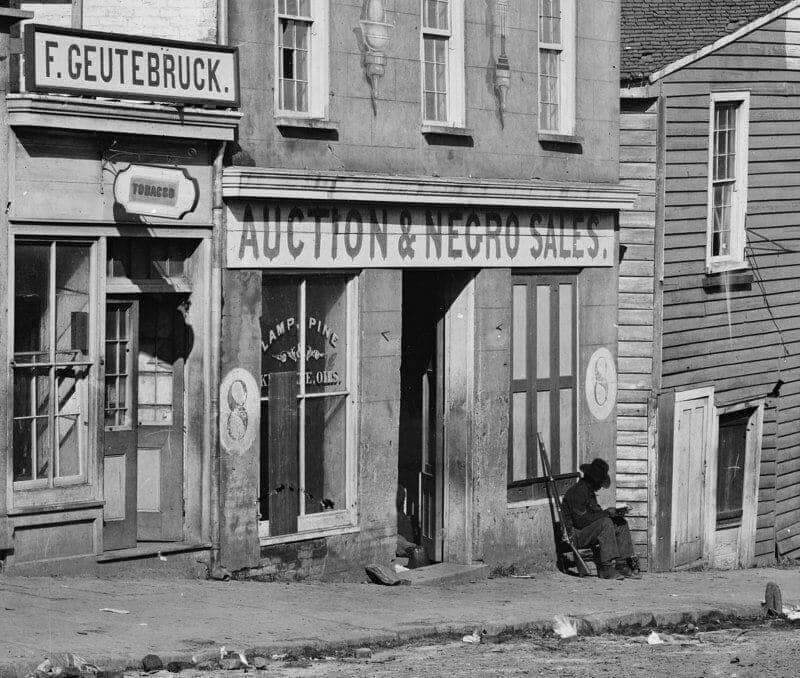
For nearly 250 years, Black people in America were enslaved—treated as property instead of human beings.
When slavery was finally abolished in 1865, it wasn’t because the country had suddenly decided racism was wrong.
The institution of slavery might have ended, but it was quickly replaced with other ways to control and oppress Black Americans.
So racism didn’t begin or end with any one law. It was a system, rebuilt again and again over centuries.
Separate But Equal Doctrine
After the Civil War, Black Americans were technically free. On paper, they could vote, own property, and live as equals.
In practice, those rights were stripped away through violence, intimidation, and discriminatory laws.
In the South, Jim Crow laws enforced segregation. Literacy tests, poll taxes, and outright threats kept Black people from voting.
Segregation locked them out of white schools, hospitals, and public spaces.
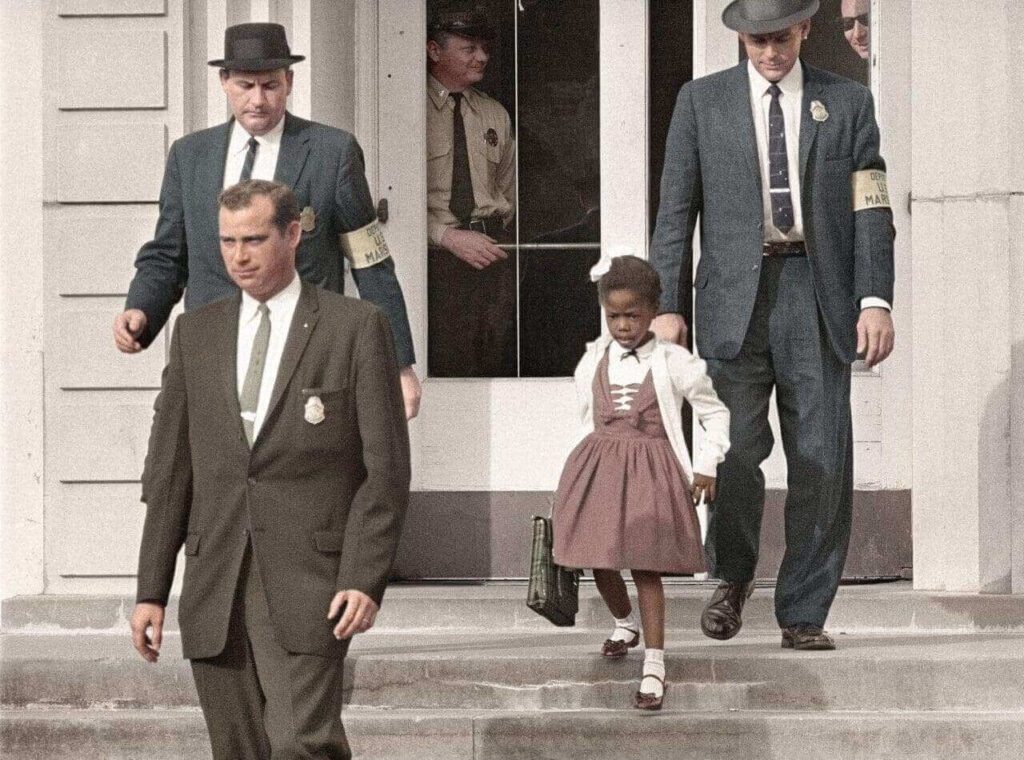
All of this was perfectly legal under the “separate but equal” rule set by the 1896 Supreme Court case Plessy v. Ferguson.
The point of the system was simple and cruel: keep Black Americans apart from white Americans, and treat them as lesser than. Similar to the belief that Palestinians are “not even people” according to the government of Israel.

By the mid-20th century, the Civil Rights Movement was pushing back hard.
Landmark laws like the 1964 Civil Rights Act and the 1965 Voting Rights Act were meant to level the playing field.
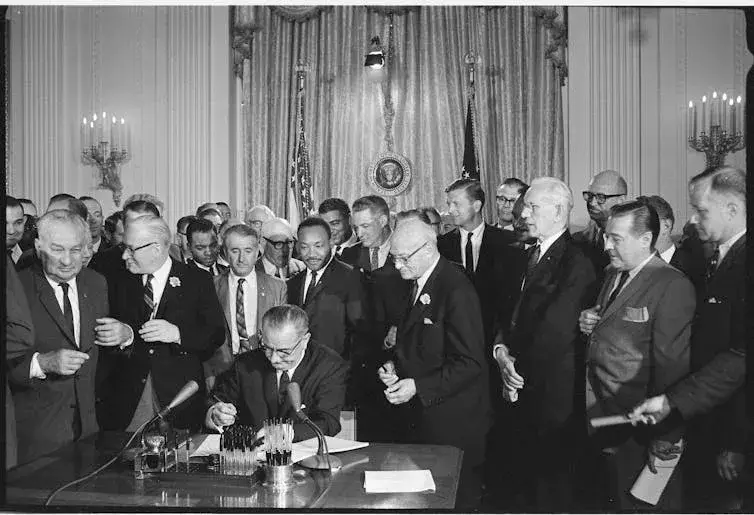
LBJ Library photo by Cecil Stoughton
But those laws only knocked down the most obvious, in-your-face forms of racism.
They didn’t undo the deeper structures that had been built up over generations.
Redlining kept Black families from buying homes in certain neighborhoods, which kept wealth and resources concentrated in white communities.

Schools stayed segregated. Job discrimination was everywhere.
In the Criminal Justice System
The racist policies didn’t stay in the past. They echoed forward into systems we still live with.



Take housing. Redlining is illegal now, yet many cities still show huge racial gaps in who owns a home, who builds wealth, and who can find decent housing.
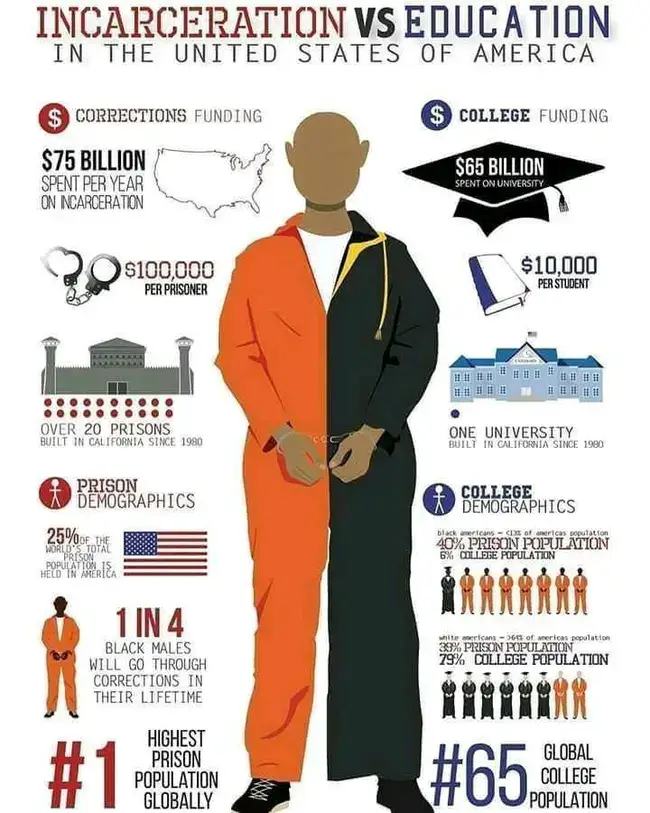
Look at the school-to-prison pipeline, where Black children—boys especially—are more likely to be suspended, expelled, and locked up than their white classmates, often for the exact same behavior.
And the criminal justice system still hits Black Americans hardest.
They’re more likely to be stopped, searched, arrested, and given longer sentences than white people for the same offenses.
The crime of Marijuana possession provides a clear example: a white man gets probation, while a Black man is sent to prison for the same charge.
None of this requires anyone to stand up and announce they’re a racist.
That’s exactly the point. It runs on policy and habit, not hateful speeches.
In Education
Critical Race Theory is simply a way of studying our institutions while accepting that systemic racism is built into them.
It’s an advanced framework taught in law schools. But politicians on the right twisted it, claiming it was being taught to children in elementary school.
It wasn’t. If it was, Those little kids are intelligent if they’re able to grasp a college-level course.
In Politics
We still see it in how power gets divided up today.
Gerrymandering is one example. Republicans draw voting districts to push Black residents outside the lines that matter, which gives them an edge in elections—since Black Americans have generally voted for Democrats (though that shifted somewhat in 2024).
We saw it again after the 2020 presidential election, when Donald Trump claimed fraud in cities with large Black populations and blamed their “cheating” for his loss. (He still insists he won.)

Those false claims became the excuse for a wave of voter suppression laws, all dressed up as “election integrity.”
Can We Fix Systemic Racism?
So what do we do?
There’s no easy fix. Fighting systemic racism means more than calling out individual prejudice.
It means looking honestly at the structures that keep inequality alive, from housing and schools to policing and healthcare.
The first step is the hardest and the most important: admitting this isn’t a one-time problem or a handful of bad people.
It’s a system that’s been built and rebuilt over hundreds of years. Only by facing the history of systemic racism — and the way it still shapes lives today — can we begin to dismantle it.