


This satirical analysis of the Commumarxisocialist was first published earlier this year. Because Trump and the GOP have decided to label DSA candidates “communists” and start The Red Scare 2.0, this updated version is back on the front page.
I’m taking a break from teaching PolitiCat how to fetch so I can tell you about a word I came up with last year after I had watched way too much Fox News (for work).
I heard Republicans frequently refer to Democrats as “communist Marxist socialists.” It was annoying and nonsensical, so I simplified their attack, making it even more nonsensical — I combined all three terms into one: Commumarxisocialists..
Here’s more about those three GOP ‘attack words.’
Somewhere, right now, a Republican pundit is red-faced on cable news, calling a Democrat who wants to expand Medicaid a “communist Marxist socialist.”Nobody in the segment stops to point out that this phrase makes about as much ideological sense as calling someone a “firefighting arsonist.” They just nod and move on.
Socialism doesn’t ask you to give up your house. It asks why some people have five houses while others sleep in their cars.
Resist Hate
The terms get mashed together so often — communist, Marxist, socialist, sometimes “radical left lunatics” thrown in for seasoning — that we’ve decided to merge them into one all-purpose slur: Commumarxisocialist.
It rolls off the tongue at rallies.
It fits on a yard sign.
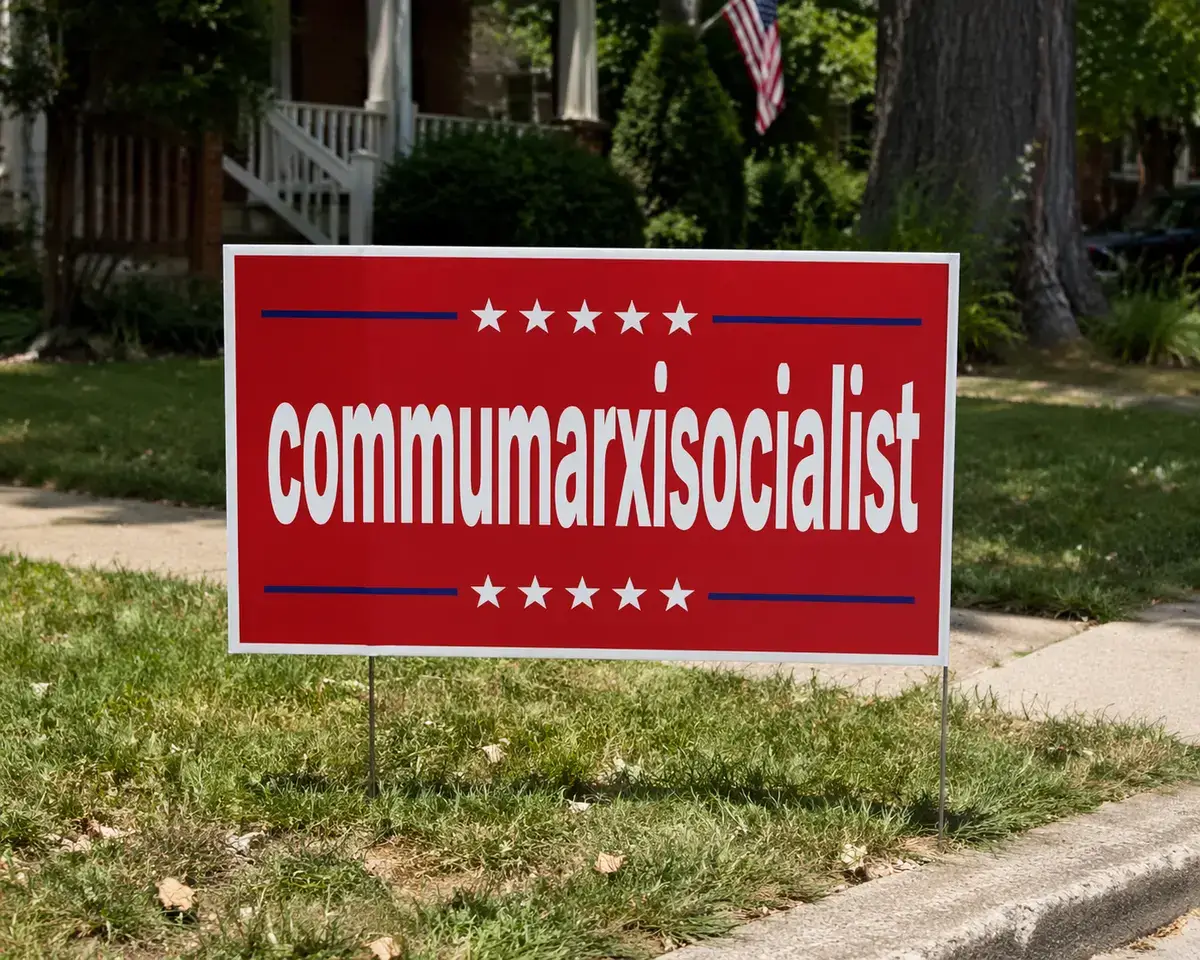
And it means absolutely nothing, because these three ideologies don’t actually agree with each other.
Let’s break down what each one actually is, why they’re not interchangeable, and why using them together is like calling someone a carnivore vegan pescatarian.
Communism: The One That Actually Scares People
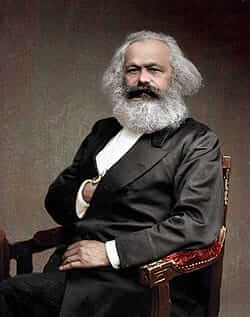
Communism is the granddaddy of modern socialist movements, and the one conservatives most love to invoke. The core idea, developed by Karl Marx and Friedrich Engels in the 19th century, is a classless society where private property doesn’t exist, and everyone contributes according to their ability and receives according to their need.
In theory: paradise. In practice: the Soviet Union, Maoist China, and a whole lot of suffering.

Communism calls for the complete abolition of private property, a revolutionary overthrow of capitalism, and a transitional period — the “dictatorship of the proletariat” — where the working class seizes control before the state eventually withers away into collective utopia. That last part has, historically, not happened.
The core ideas:
- History is driven by class conflict
- Private ownership of the means of production causes inequality
- Resources should be collectively owned
- A transitional working-class government leads to a stateless, classless society
The fact that no self-described communist government has ever actually reached that stateless endpoint is a detail that tends to get glossed over.
Marxism: The Philosophy, Not the Playbook
Here’s where the “communist Marxist socialist” combo starts to fall apart. Marxism isn’t a government system. It’s an analytical framework — a lens for understanding how capitalism works, how class conflict shapes history, and how economic power structures influence everything from laws to culture to what gets taught in schools.

Karl Marx and Friedrich Engels didn’t write a governing manual. They wrote a critique. Das Kapital isn’t a how-to guide for running a country. It’s a diagnosis of what capitalism does to workers.

Marxism explains the world. Communism prescribes what to replace it with. They’re related, but so is a doctor who identifies a disease and a surgeon who decides to operate. Same patient, very different roles.
The core ideas:
- Material conditions (economics) shape societies, not the other way around
- Class conflict drives historical change
- The value of goods comes from the labor required to produce them
- Workers must eventually overthrow capitalist structures to achieve liberation
A Marxist might analyze why housing costs have skyrocketed. A communist would tell you to abolish landlords entirely. A socialist might propose rent control and public housing. See the difference?
Socialism: The One That’s Already Here
Socialism is the ideological sibling that actually shows up to family dinners and has a job. While communism is dreaming about the end of private property, socialism is out here advocating for universal healthcare, public schools, regulated utilities, and a safety net that keeps people from dying in the street.
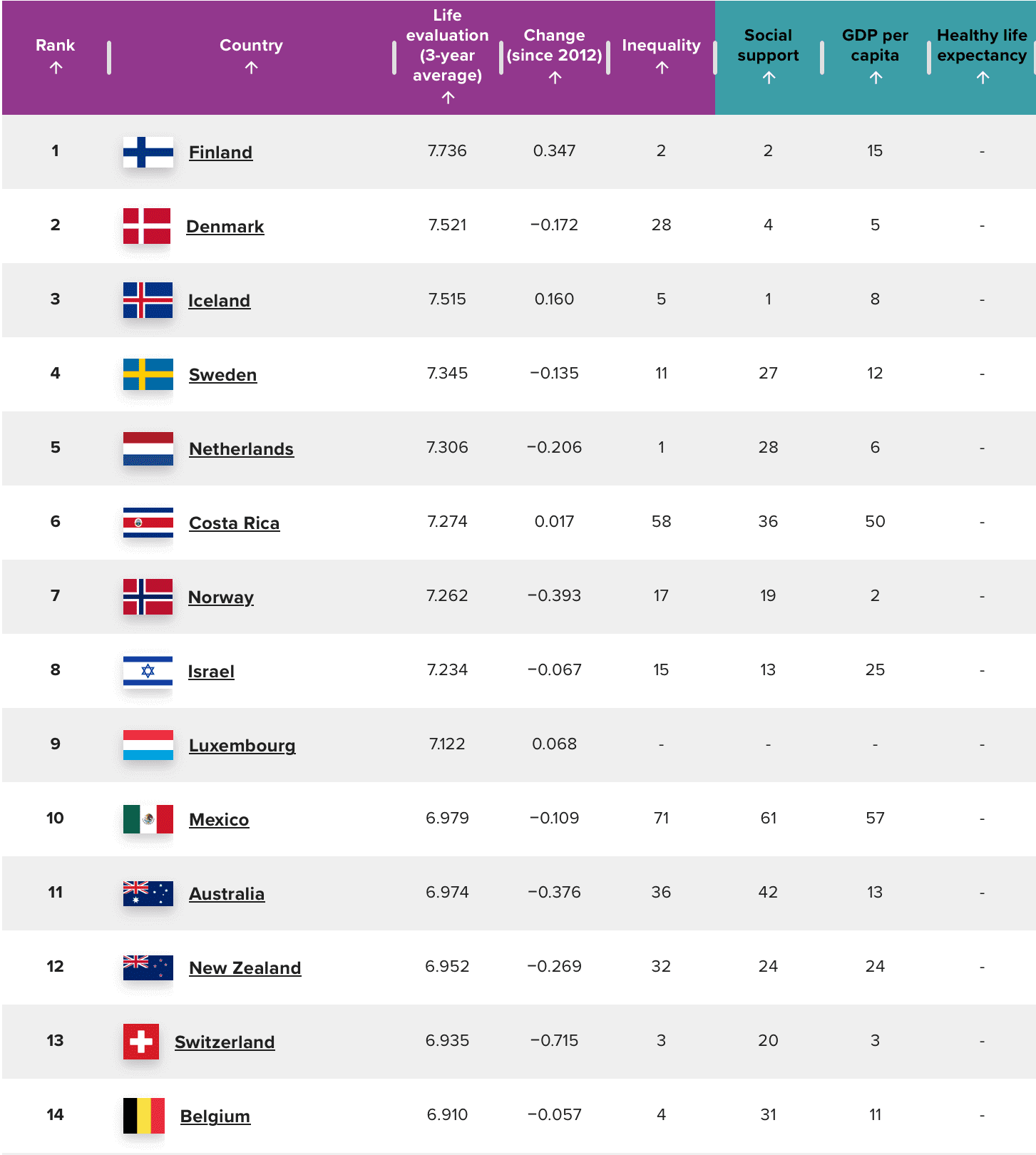
Socialism doesn’t require abolishing capitalism. It can — and often does — operate within capitalist systems. The Nordic countries are the most commonly cited example: robust free markets, strong private sectors, and also universal healthcare, free university education, generous parental leave, and some of the highest standards of living on earth.
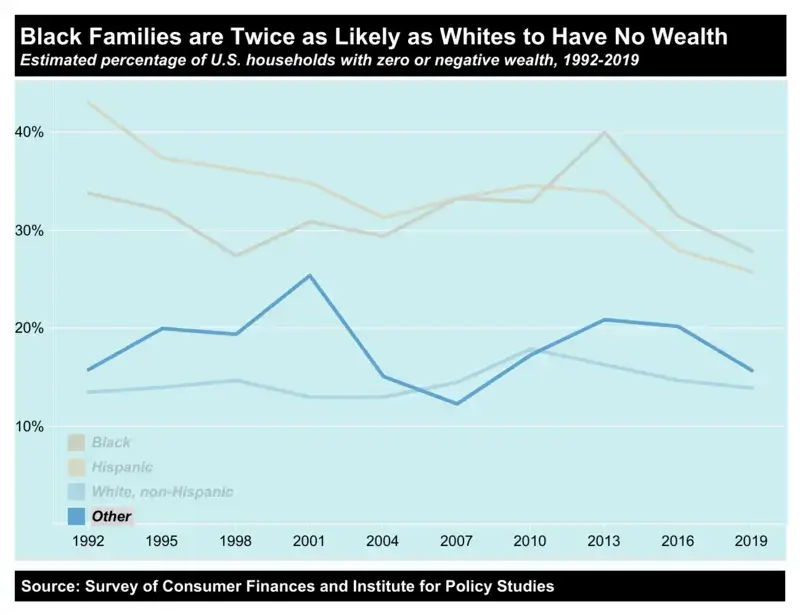
Maybe socialism has something to do with why those countries are always ranked highest on the list of “countries with the happiest citizens” in the Happiness Report?
Finland essentially solved homelessness by treating shelter as a human right. The economy did not collapse.




The United States already has socialist programs. Social Security is socialism. Medicare is socialism. The public library where you can borrow books for free is socialism. The interstate highway system is socialism.
Nobody is screaming about the highways.
The core ideas:
- The means of production should be socially or cooperatively owned
- The economy should be planned with community welfare in mind
- Redistributive policies reduce inequality
- Democratic processes are central, not obstacles
Socialism doesn’t ask you to give up your house. It asks why some people have five houses while others sleep in their cars.
Why You Can’t Actually Be All Three at Once
Here’s the punchline: communism, Marxism, and socialism are not a matching set. They don’t agree with each other on some of the most fundamental questions in political theory.
Communism wants to abolish private property entirely. Socialism is fine with you owning things; it just wants guardrails. That’s not a minor disagreement — that’s a foundational split.
Marxism is an analytical tool; it doesn’t prescribe a specific government model at all. A Marxist might conclude that democratic socialism is the correct response to capitalism. Or they might conclude that revolution is necessary. Marxism gives you the diagnosis; the treatment is up for debate.
Communism often ends up hostile to democratic processes, treating elections as a bourgeois distraction. Socialism, particularly democratic socialism, puts elections and political rights at the center of everything.
Calling someone a “communist Marxist socialist” is like calling someone a “carnivore vegan pescatarian.” You can pick one. You cannot have all three. They cancel each other out.
The Point of the Mush
If these ideologies contradict each other, why does the Right keep combining them?
Because the point was never accuracy. The point is the vibe. The word “socialist” sounds European and soft. “Marxist” sounds like a bearded revolutionary. “Communist” sounds like the Cold War enemy your grandfather warned you about. Stack them together and you get a verbal fog machine — something that feels dangerous and foreign without requiring the audience to understand any of it.
It’s the same reason people call Democrats “radical Leftists” for proposing policies that exist, without controversy, in every other wealthy democracy on earth.
It’s not an argument. It’s a fear tactic.
Understanding what these words actually mean is the antidote. Not because you need to defend socialism at dinner parties, but because when you know the definitions, the scare words lose their power.
You can’t be spooked by a label when you know exactly what it means — and what it doesn’t.
Share this with a friend or family member who supports Trump or who watches Fox News.
They are hearing these three terms used in attacks on Democrats (and especially progressives—they are terrifying!) on a regular basis.
Once your friend/family member knows what the words actually mean, people who use them to make the Left “seem scary” just look dumb.
The Takeaway—A Review
Communism wants to abolish private property and establish a classless society. It has a rough historical track record when implemented under authoritarian regimes.
Marxism is a philosophical and economic framework for analyzing capitalism and class conflict. It’s a critique, not a governing system.
Socialism advocates for collective ownership, robust public programs, and reducing inequality — and it can exist comfortably within a democratic, capitalist framework.
They’re related. They’re not the same. And no Democrat proposing student loan relief is a “communist Marxist socialist.” They’re just a person who thinks college shouldn’t cost $200,000.
The Commumarxisocialist doesn’t exist. But the people combining thise words to scare you definitely do.
FAQs
Are communism and socialism the same thing?
No. Communism calls for the abolition of private property and a classless society. Socialism allows private ownership with limitations and typically operates within a democratic framework.
Is Marxism the same as communism?
No. Marxism is the theoretical foundation — an analytical lens for understanding capitalism and class conflict. Communism is a political ideology that draws on Marxism but prescribes a specific end goal. You can be a Marxist without being a communist.
Does socialism mean the government takes everything?
No. Socialism advocates for social ownership of the means of production — factories, utilities, major industries — and strong public programs. You keep your house, your car, your stuff.
Can socialism coexist with capitalism?
Yes. The Scandinavian model is the most prominent example: free markets plus extensive welfare programs, resulting in some of the highest living standards in the world.
Why do Republicans combine all three into one insult?
Because it’s more effective as a scare tactic than as an argument. Lumping them together suggests a monolithic far-left threat. In reality, most of the policies being labeled “socialist” already exist in peer democracies and are quite popular when described without the labels.