

For more than a century, the American way of death has followed a script written by an industry: embalm the body with formaldehyde, seal it in a lacquered metal casket, lower it into a reinforced concrete vault, and mark it with polished granite.
It's expensive, it's resource-intensive, and — as more Americans are discovering — it's completely optional.
Green burial, the practice of returning a body to the earth without chemicals, metal, or concrete, is having its moment.
There are now more than 500 cemeteries across the U.S. and Canada offering green burial services, up from just over 100 in 2015.
A 2025 study from the National Funeral Directors Association found that more than 60% of Americans over 40 are interested in exploring natural burial options.
The irony? None of this is new. Before the Civil War, caring for the dead was a family responsibility, carried out at home and on family land — no chemicals, no vaults, no funeral-industrial complex.
Modern embalming was born on Civil War battlefields, when surgeons experimented with preservation so slain soldiers could be sent home.
Abraham Lincoln's embalmed body, viewed by over a million mourners on its journey to Springfield, sold the nation on the practice.
The industry took it from there.
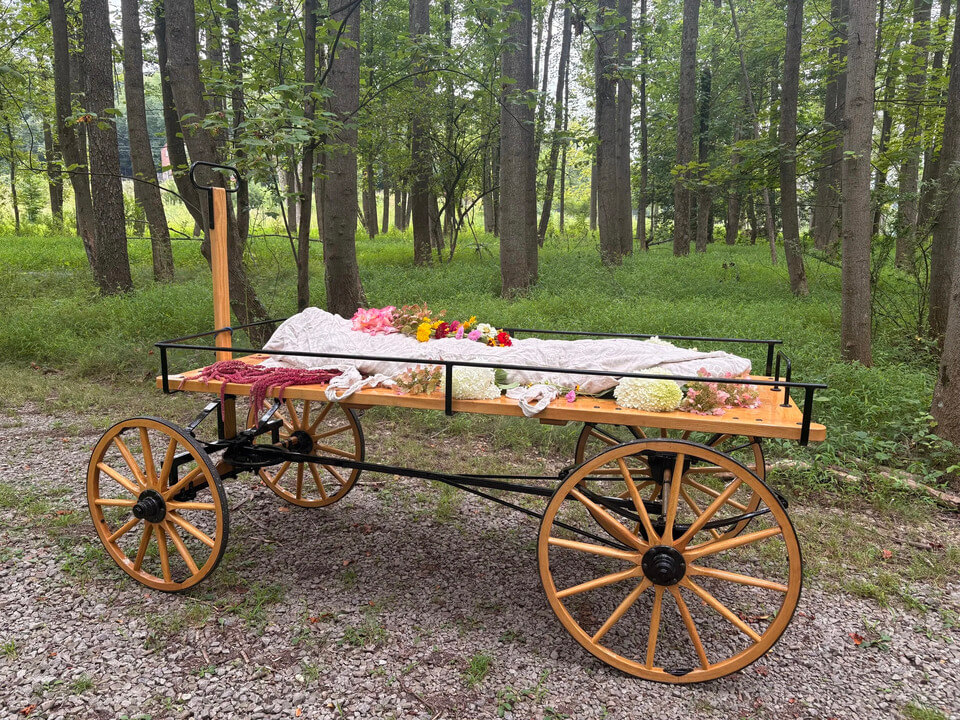
What conventional burial actually puts in the ground
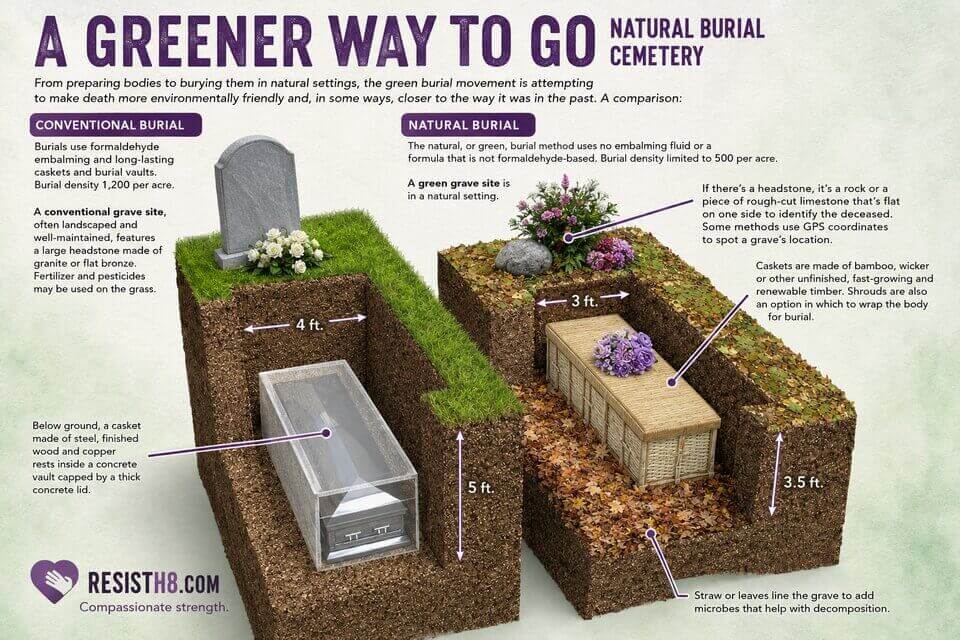
The numbers are staggering. Every year, American burials put into the soil roughly 20 million board feet of hardwood, 4.3 million gallons of embalming fluid, 1.6 million tons of reinforced concrete, 17,000 tons of copper and bronze, and 64,500 tons of steel.
Formaldehyde — a known carcinogen that poses serious occupational risks to the embalmers who handle it — leaches from caskets into soil and groundwater.
Cremation, often assumed to be the greener choice, isn't much better. A single cremation typically burns almost 30 gallons of fuel and releases an estimated 540 pounds of carbon dioxide into the atmosphere.
And look what the funeral industry doesn't tell you: no state requires routine embalming.
The Federal Trade Commission's Funeral Rule makes clear that many funeral home "policies" go well beyond what the law actually demands.
Vault requirements are typically cemetery policy — imposed to keep the lawn flat for mowing — not law.
What green burial looks like
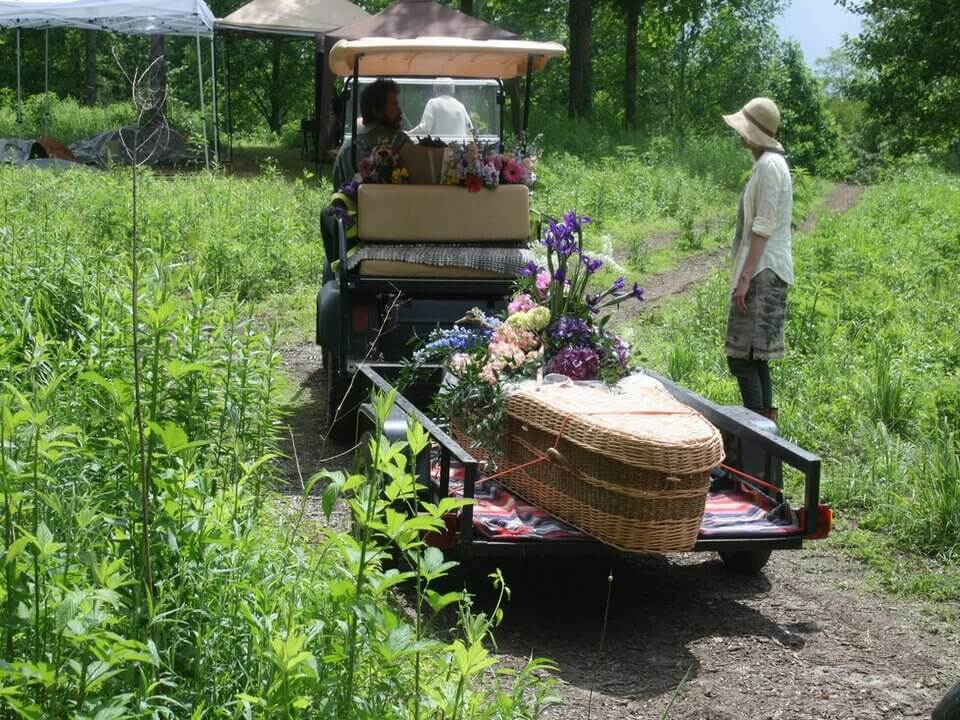
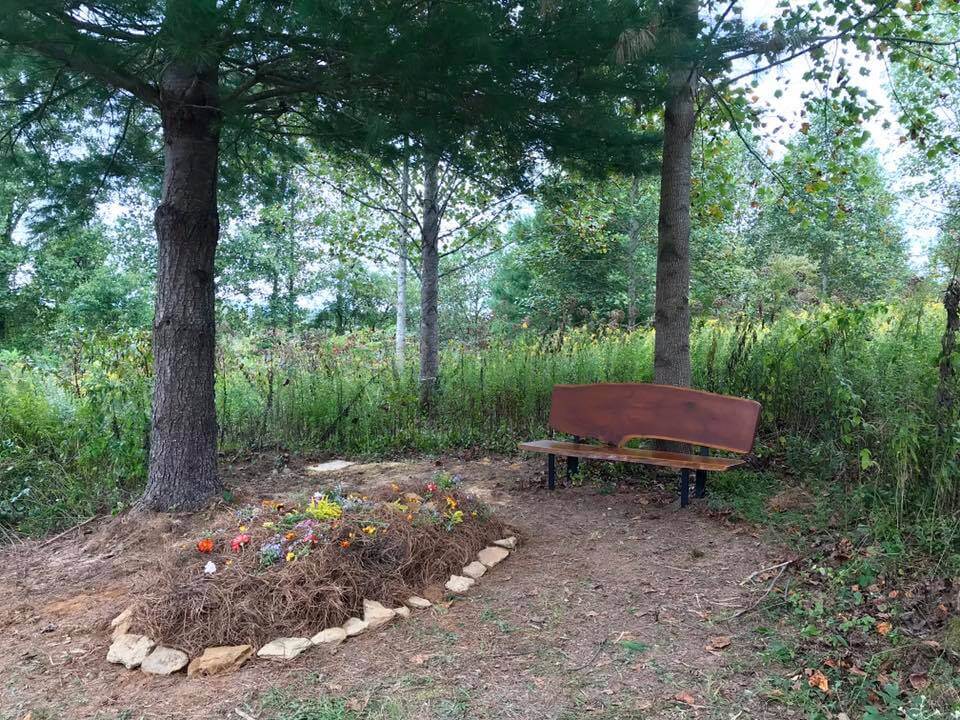
A green burial is simple by design.
The body is not embalmed (refrigeration or dry ice handles preservation).
It's wrapped in a cloth shroud or placed in a biodegradable casket of pine, wicker, bamboo, or cardboard.
The grave is dug without a concrete liner, and decomposition happens the way it has for all of human history. Many faith traditions — including Jewish and Muslim burial practices — have followed these principles all along.
The Green Burial Council, the movement's leading certification body, recognizes three tiers.
Hybrid cemeteries set aside natural burial sections within conventional grounds — the most accessible entry point.
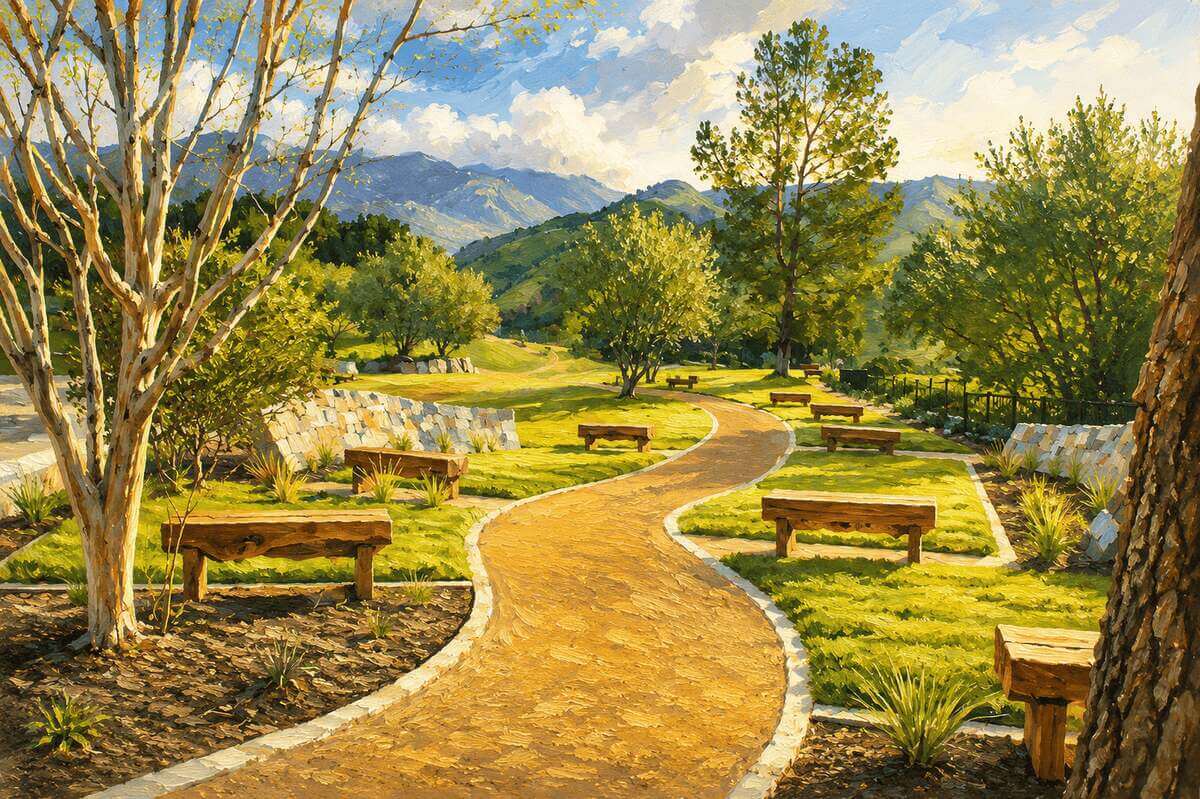
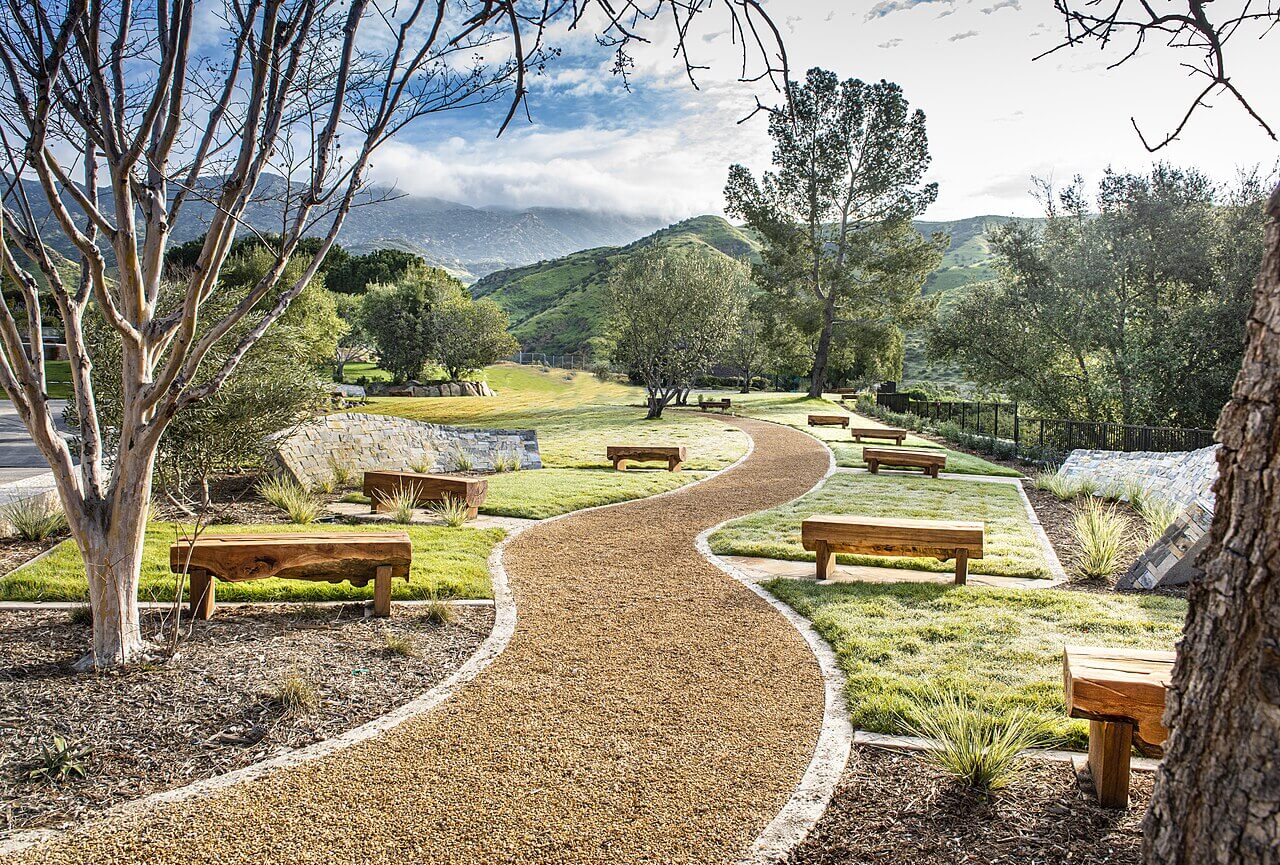
Natural burial grounds dedicate their entire land to green burial, often resembling meadows or preserves with native plantings instead of headstones.

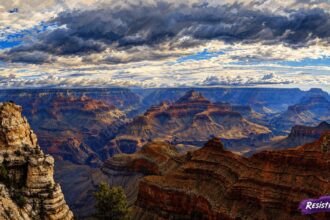

Conservation burial grounds go furthest: burial fees directly fund permanent land protection, meaning every grave becomes a legal anchor against development.
Your final act, quite literally, preserves land.
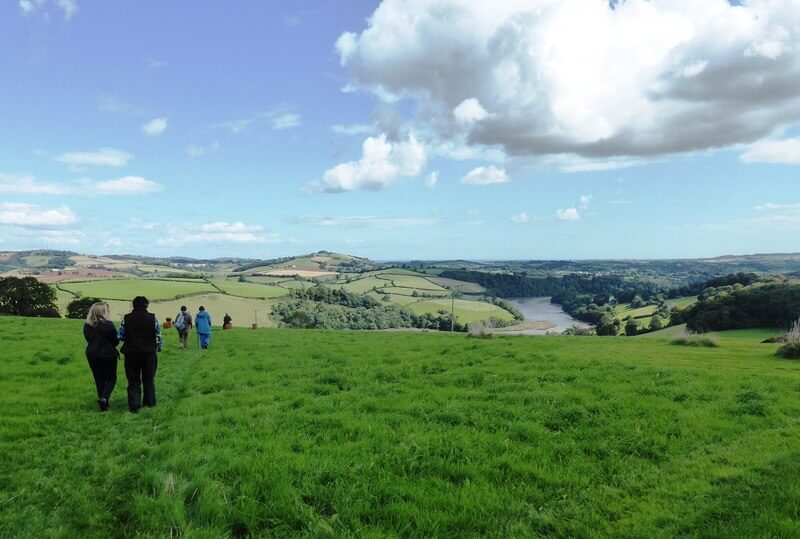
Then there's the newest frontier: natural organic reduction, better known as human composting.
The process transforms a body into nutrient-rich soil over one to two months, which families can return to gardens, forests, or conservation land. Fourteen states have now legalized it, starting with Washington in 2019.
New Jersey became the fourteenth — one widow there says her husband's composted remains now nourish a houseplant that's grown to the ceiling.
“He may not have liked that plant,” she joked, “but he's there to save it.”
Advocacy groups like The Order of the Good Death are pushing legalization in the remaining states, with a Rhode Island bill passing the House this spring.
The backlash — and why it misses the point
Progress hasn't come without resistance.
In rural Blackhoof Township, Minnesota, a landowner's plan to open a 20-acre green cemetery on a wildflower-dotted hayfield triggered a hostile campaign from neighbors — complete with surveillance drones and gunfire echoing near his property — over fears of groundwater contamination and scavenging wildlife.
As he put it, much of what Americans think they know about cemeteries comes from Scooby-Doo.
The science doesn't support the panic.
It's conventional burial — with its hundreds of thousands of gallons of formaldehyde-laden fluid entering the soil annually — that poses the documented contamination risk, not a shrouded body decomposing naturally at proper depth, exactly as humans were buried for millennia.
Death care as climate justice
There's an economic justice dimension here too. A conventional funeral with vault and cemetery fees routinely exceeds $8,500, and grief makes families vulnerable to upselling.
Green burial plots can cost a fraction of that — some conservation grounds offer plots for as little as a few hundred dollars for families in need.
Human composting typically runs $5,000–$7,000.
Simpler death care means families aren't pushed into debt to prove their love.
The way we die is one of the last consumer choices most of us will ever make.
For a growing number of Americans, making that choice green — feeding a forest instead of filling a vault — turns an ending into something closer to a gift.