


Under a new proposal from the Trump administration’s Environmental Protection Agency (EPA), the utilities that own the 42 toxic coal ash sites across Kentucky will no longer have to clean up what leaks out.
The EPA announced earlier this month that it wants to gut the wastewater rules that govern coal ash storage. Specifically, the agency is rolling back what’s called the Effluent Limitations Guidelines — a Biden-era 2024 standard that required power companies to pump out, treat, and properly dispose of the toxic leachate that drains from unmanaged coal ash pits.
In case you’ve never heard the term “leachate” before — I hadn't — It’s a widely used term in the environmental sciences that means ‘a liquid that has dissolved or entrained environmentally harmful substances that may then enter the environment.’
The Biden rule set a “zero discharge” limit on that leachate. The Trump rule replaces it with something much weaker. The EPA’s own proposal admits that discharges of unmanaged toxic leachate will increase under the new rules.
This matters more in Kentucky than almost anywhere. An analysis by the Kentucky Resources Council of federal data found Kentucky has the fifth most coal ash sites of any state in the country — 42 locations behind only Indiana, Illinois, Missouri, and Texas.
Kentucky’s electricity grid is still heavily coal-dependent, and the waste from that coal has to go somewhere. For decades it has gone into unlined pits and impoundments, where rainwater seeps through it, picks up heavy metals, and carries them into the surrounding groundwater.
The 2024 rule was the federal government finally requiring utilities to do something about that. The Trump administration is undoing it.
A Familiar Pattern
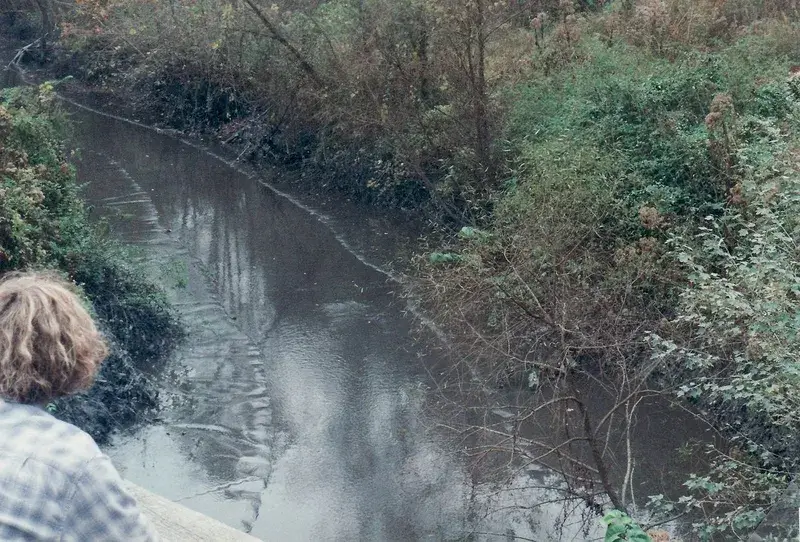
Kentucky already knows what happens when coal companies are trusted to manage their own waste. In October 2000, a coal slurry impoundment owned by Massey Energy in Martin County collapsed, releasing roughly 300 million gallons of black sludge into the headwaters of the Tug Fork and Big Sandy Rivers.
It killed every living thing in tributary streams for miles. The EPA called it one of the worst environmental disasters in the southeastern United States.
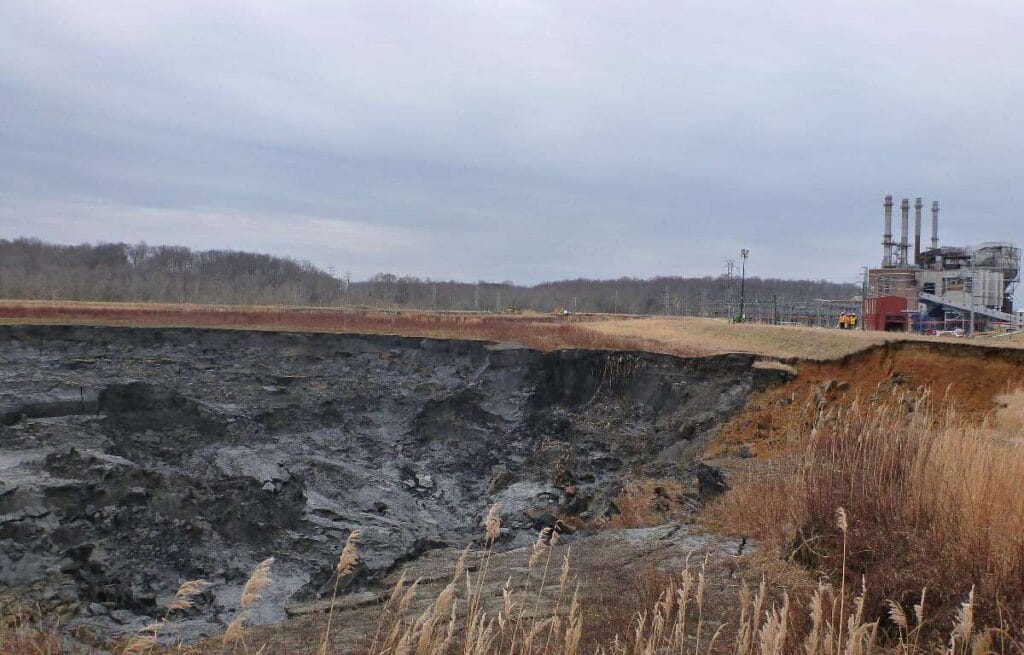
Eight years later, in December 2008, a dike at the Tennessee Valley Authority’s Kingston Fossil Plant in Tennessee gave way and dumped 1.1 billion gallons of coal ash slurry into the Emory River.
It was the largest industrial spill in U.S. history. No one died in the spill itself. The dying came later. Workers brought in to clean up the disaster were told the only ingredients of concern were arsenic and silica.
Training materials never mentioned the radium. They never mentioned the uranium. Coal ash contains 26 cancer-causing toxins, heavy metals, and radioactive material — and the Kingston ash tested six to eight times more radioactive than surrounding soil.
Within a decade, more than 50 of those cleanup workers were dead. Hundreds more were sick with lung cancer, brain cancer, leukemia, and chronic lung disease.
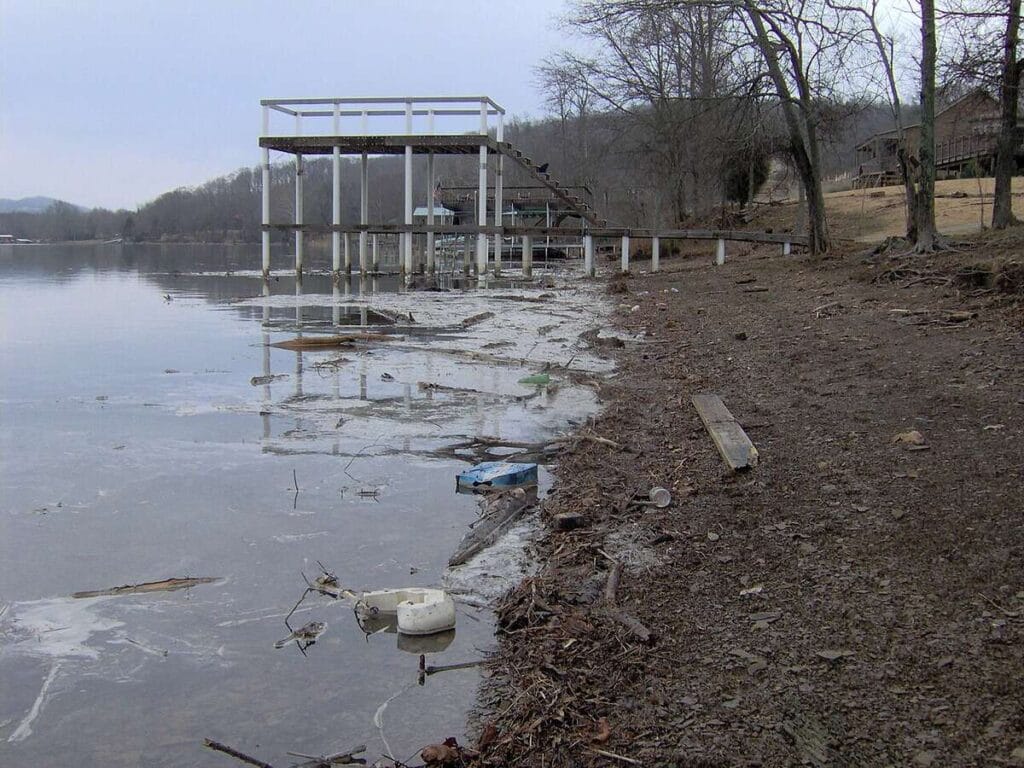
This is the history the 2024 rule was written to address. This is the history the Trump EPA is choosing to forget.
“Critical” for Whom
EPA Administrator Lee Zeldin called the rollback “critical” for making “electricity more affordable and reliable for all Americans while powering economic growth.” He blamed the “overly restrictive policies of past administrations” and cited the surging power demands of data centers and artificial intelligence as the justification.
America’s Power, the coal industry’s lobbying arm, cheered the announcement and called it another step toward “preserving the nation’s coal fleet.”
What none of them mentioned is who actually pays the cost when these regulations disappear. The EPA estimates the rollback will save electric utilities somewhere between $446 million and just over $1 billion a year. That savings comes from not treating the wastewater.
It comes from letting the leachate sit in the ground and migrate into private wells, into municipal drinking water systems, into rivers and streams used for fishing and drinking and bathing.
The people downstream of coal ash sites are the ones who pay — in cancer rates, in birth defects, in property values, in the long quiet poisoning of small communities that already get the worst end of every deal.
Byron Gary, an attorney with the Kentucky Resources Council, called it: “This is still favoring corporations over our health and environment. All that wastewater and leachate that is leaking into our groundwater contains heavy metals, cancer-causing substances, neurotoxins.”
The Bigger Pattern
The Trump administration has spent its second term systematically dismantling the environmental protections built up over the last fifteen years. Earlier this year the same EPA weakened the rules limiting toxic mercury emissions from power plants — another rollback Zeldin’s office sold as cost relief for utilities.
The administration has cut staff at the EPA’s enforcement division. It has pulled the U.S. out of international climate agreements. It has fast-tracked permits for fossil fuel infrastructure and slow-walked permits for renewables. The pattern is consistent and the direction is one-way.



What gets lost in the policy language is the basic moral question. The 2024 rule existed because ordinary people in places like Martin County and Kingston paid a terrible price to teach this country what happens when coal waste isn’t regulated. They paid with their land. They paid with their water. Some of them paid with their lives.
The federal government finally responded, almost two decades after Kingston, with a rule designed to make sure it didn’t happen again. Now that rule is being scrapped to save the coal industry a billion dollars a year.
Kentucky Residents: Take Action
The EPA is taking public comment on the proposal until June 19. The people who live next to Kentucky’s 42 coal ash sites — and the workers who might one day be called to clean up the next disaster — have until then to make themselves heard.