

Walk through the President’s House in Philadelphia and you’ll notice the National Park Service removed the plaques that tell the story of nine people George Washington enslaved there during the birth of the republic — among them Oney Judge, a young woman who escaped to be free rather than remain his property.
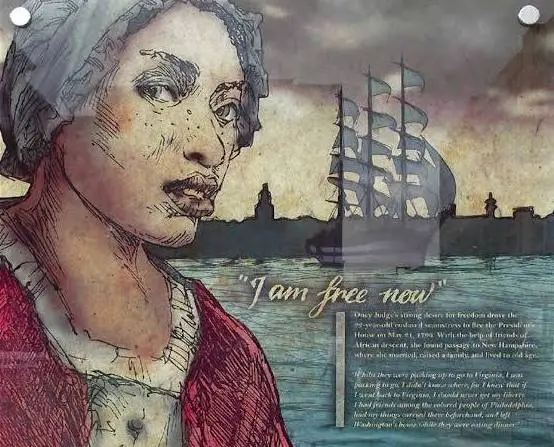
Those plaques didn’t flatter the founders. That was the point, but Trump doesn’t like historical facts that make him uncomfortable.
They make him uncomfortable angry because they don’t align with his version of America’s history. When a leader erases the bad parts of a nation’s history and is overly patriotic, that’s Nationalism. Nationalism is part of the authoritarian playbook.
Rather than give people the opportunity to learn more about the history of George Washington in their city, Trump ordered all evidence that those nine people ever lived in the President’s House in Philadelphia.
On Friday, a federal judge ordered the Trump administration to return the plaques.
U.S. District Judge Angel Kelley in Boston issued a preliminary injunction blocking the Trump administration from stripping or rewriting signs, films, and exhibits at national parks across the country — ordering the agency to restore what it had already removed.
In a 63-page ruling, Kelley gave the park service until July 3 to reinstall the materials, just before the nation’s 250th birthday celebrations.
She also barred any further changes while the lawsuit moves forward.
What was being erased?
The removals trace back to an executive order Trump signed* in March 2025, which called for clearing out anything at national parks, museums, and landmarks that “inappropriately disparage Americans” or cast the United States “in a negative light.”
*I don’t recall hearing anything about that particular executive order. It’s possible the story got lost in the onslaught of executive orders and chaos coming from the White House ar the beginning of this term.
Regardless, the fact that the President of the United States is erasing uncomfortable truths about the history of America across the country is — in my opinion — the most fascistic thing he’s done so far.
All of us must stand up, call out this administration’s overt Christian Nationalism, and fight to protect our past.

We’ve been so focused on protecting our freedoms right now and in the future, that we weren’t paying attention to efforts to erase some of what happened in the past.
A follow-up Park Service memo in June 2025 asked the public to flag signage that was “negative” about past or living Americans, with a summer deadline for every park unit to comb through its displays.
The result, according to the court, was a sweeping campaign that altered at least 45 signs nationwide.
To comply, the Park Service pulled the slavery plaques at the President’s House, a climate change sign at Fort Sumter in South Carolina, and a panel about Indigenous people at Acadia National Park in Maine.
The targets were predictable: slavery, climate science, Native history, and the contributions of people the administration would rather visitors not think too hard about.
“[This] sets a dangerous precedent of censorship and sanitization.”
The judge’s answer
Kelley, who was nominated by President Joe Biden, opened her ruling by walking through the parks that teach Americans about their own difficult past — from John Brown’s Fort at Harpers Ferry to the Stonewall National Monument to the shrinking glaciers that document a warming planet.
Stripping those stories out, she wrote, doesn’t protect the country’s dignity. It tells half-truths.
“Not only does this undermine the integrity of the national parks,” Kelley wrote, it “sets a dangerous precedent of censorship and sanitization.”
The plaintiffs — a coalition of conservation, history, and science groups that sued in February — argued the removals were arbitrary and capricious under the Administrative Procedure Act, and that the agency had overstepped its legal authority.
Emily Thompson, who leads the Coalition to Protect America’s National Parks, said parks exist to preserve the full American story, “not just the parts that make some politicians comfortable.”


“Activist judge” and other deflections
The Interior Department’s response was less a legal argument than a press release.
Spokesperson Katie Martin dismissed Kelley as a “liberal activist judge” and said the department was weighing an appeal — while pivoting to note the administration would be celebrating UFC Freedom 250 on the South Lawn this weekend in honor of the country’s 250th.
“Activist judge” is the standard label for any ruling the administration dislikes, and it’s meant to skip past the actual finding: that an agency cannot quietly decide which chapters of American history the public is allowed to read. Kelley didn’t invent a new doctrine.
Side note: Imagine the reaction on Fox News if a Democratic president’s spokesperson called a judge who just ruled against efforts to restore LGBTQ+ rights a “fascist judge,” a “Right-wing domestic terrorist judge,” or whatever the Left’s equivalent of “activist judge” would be.
Just for fun: What do you think a Democratic administration might call the conservative judge in that hypothetical scenario? Tell us in the comment section. Please don’t complicate things by saying ‘out loud” what we all thought, like, “our side would never attack a judge,” or “When they go low, we go high,’ and especially not “The Left always respects and accepts court rulings, even the ones we don’t like.”
Judge Kelley held the government to the basic requirement that it must follow its own laws when it acts.
This isn’t the only ruling on the Philadelphia slavery exhibit, either.
A separate judge already ordered the National Park Service not to touch the President’s House slavery exhibit while Philadelphia’s own lawsuit plays out.
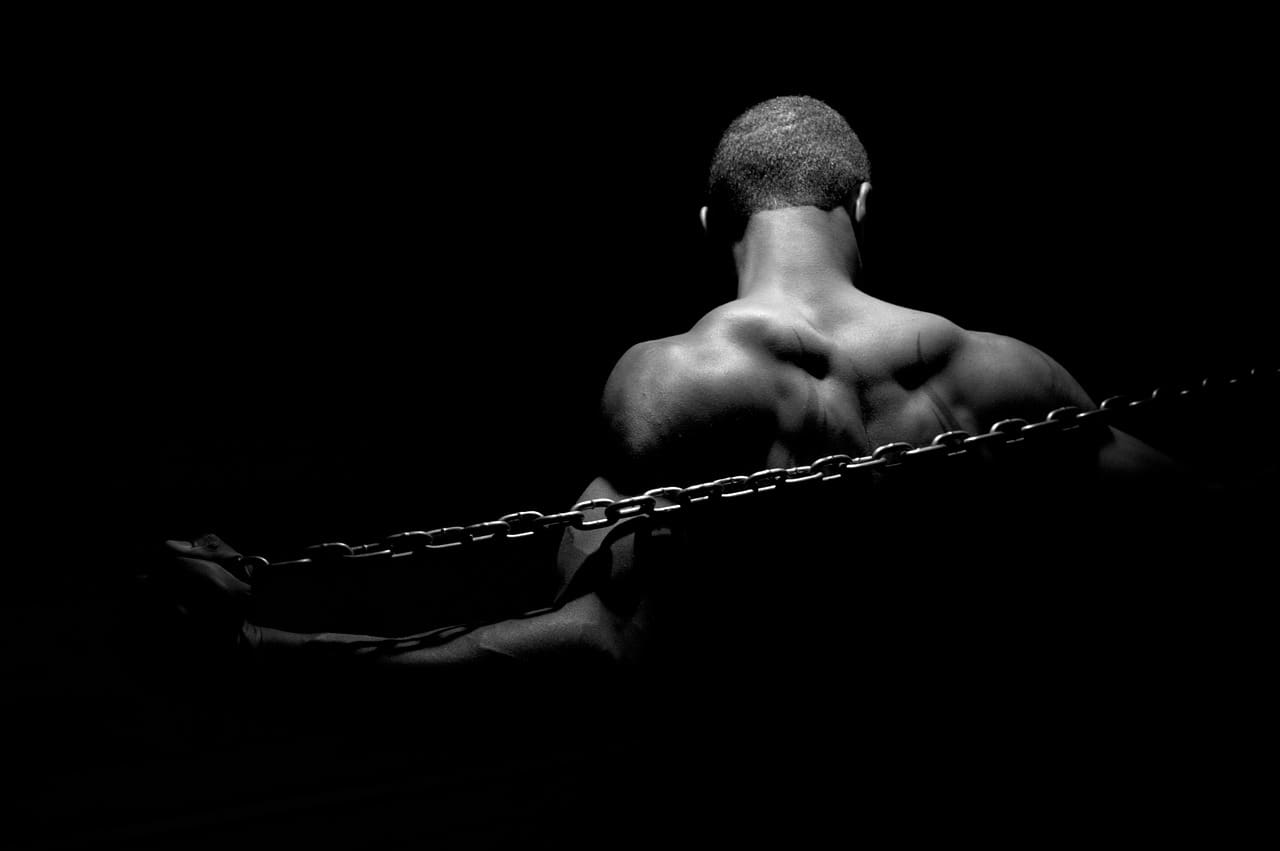
After Friday’s ruling, a Park Service official told regional supervisors to pause carrying out Trump’s directive “for the time being.”
What’s at stake
Strip away the legal procedure and this is a fight about memory. A government that can decide, by executive order, which signs stay on the wall can decide which truths citizens read when they bring their kids to a battlefield or a monument.
Censorship doesn’t always look like a banned book; sometimes it looks like a blank space where a plaque used to be, and a visitor who never knows what was taken down.
Friday’s ruling is a reprieve, not a verdict. The litigation continues, an appeal looms, and the deadline to restore the exhibits is tight.
But for now, the record stands: a court said that the country’s hardest history belongs to the public, and a sitting president does not get to sand it smooth before the anniversary photos.
Philadelphia’s plaques are going back to their home — hanging on the wall of George Washington’s house — where the true story of 9 other people who lived there is told.