

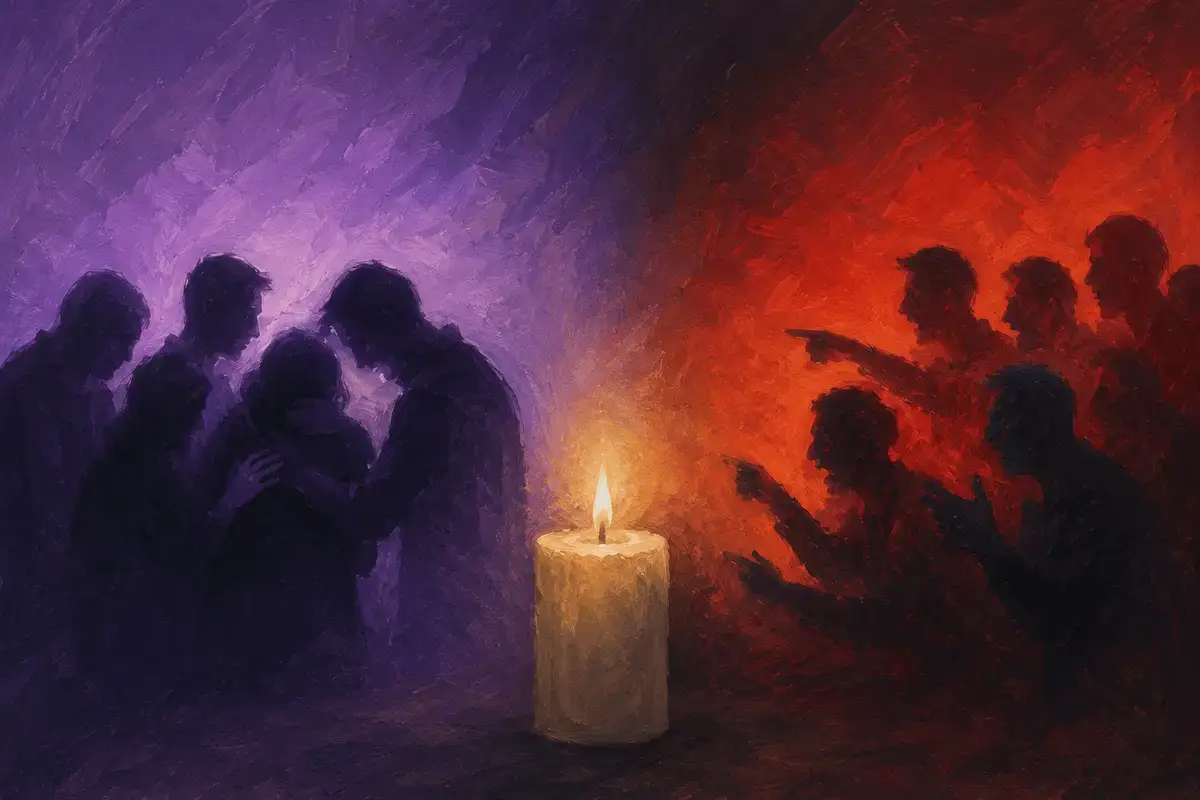

Lindsey Graham died Saturday night at 71, suddenly, of an aortic dissection, hours after returning from Ukraine.
The flags over the White House dropped to half-staff. Donald Trump called him "one of the greatest people and Senators I have ever known."
And within about eleven minutes, right-wing influencers discovered that some people on the internet were being unkind about it — and declared this proof of, per one Townhall column, "the true nature of the Left."
Ghouls, the columnist called them. People who celebrate death.
Strong words. Because if the Lindsey Graham death reactions prove anything, it's that the etiquette of political death in America is extremely well documented.
The governing party has spent ten months writing the rulebook. It just depends entirely on who died.
Rule 1: When a conservative dies, criticism is a fireable offense
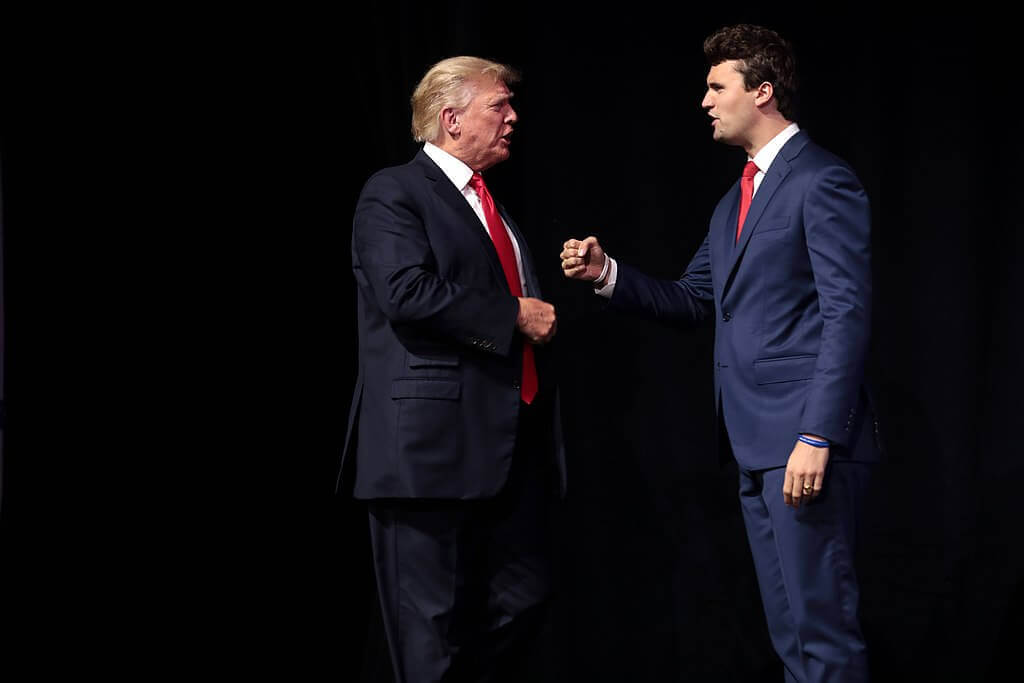
When Charlie Kirk was assassinated in September, the response from the governing party was not merely grief.
It was a purge.
More than 600 people were fired or otherwise punished for social media posts about his death, according to reporting from The Guardian.
Vice President JD Vance urged Americans to report their neighbors to their employers.
Attorney General Pam Bondi vowed to "target" ‘hate speech.’
Transportation Secretary Sean Duffy personally pressured airlines to fire pilots.
The State Department's number two promised consequences for foreigners who mocked the killing.
Not everyone punished had even celebrated.
A Phoenix sports reporter was fired for calling Kirk a bigot while explicitly condemning the violence.
Larry Bushart, a 61-year-old retired police officer in Tennessee, spent over a month in jail on a felony charge — missing the birth of his grandchild — for refusing to delete posts critical of Kirk and Trump.
A South Carolina teacher's aide was punished for posting a verbatim Kirk quote with the caption "Thoughts and prayers."
The courts have since been quietly issuing correction notices in the form of settlement checks: more than $2 million and counting to people punished for speech.
Kirk himself once posted that "hate speech does not exist legally in America" and that all of it is protected by the First Amendment.
His mourners honored his memory by proving the opposite as fast as humanly possible.
So that's Rule 1: a conservative's death is sacred, and impiety costs you your job, and possibly your freedom.
Rule 2: When a Trump critic dies, the President gets first swing
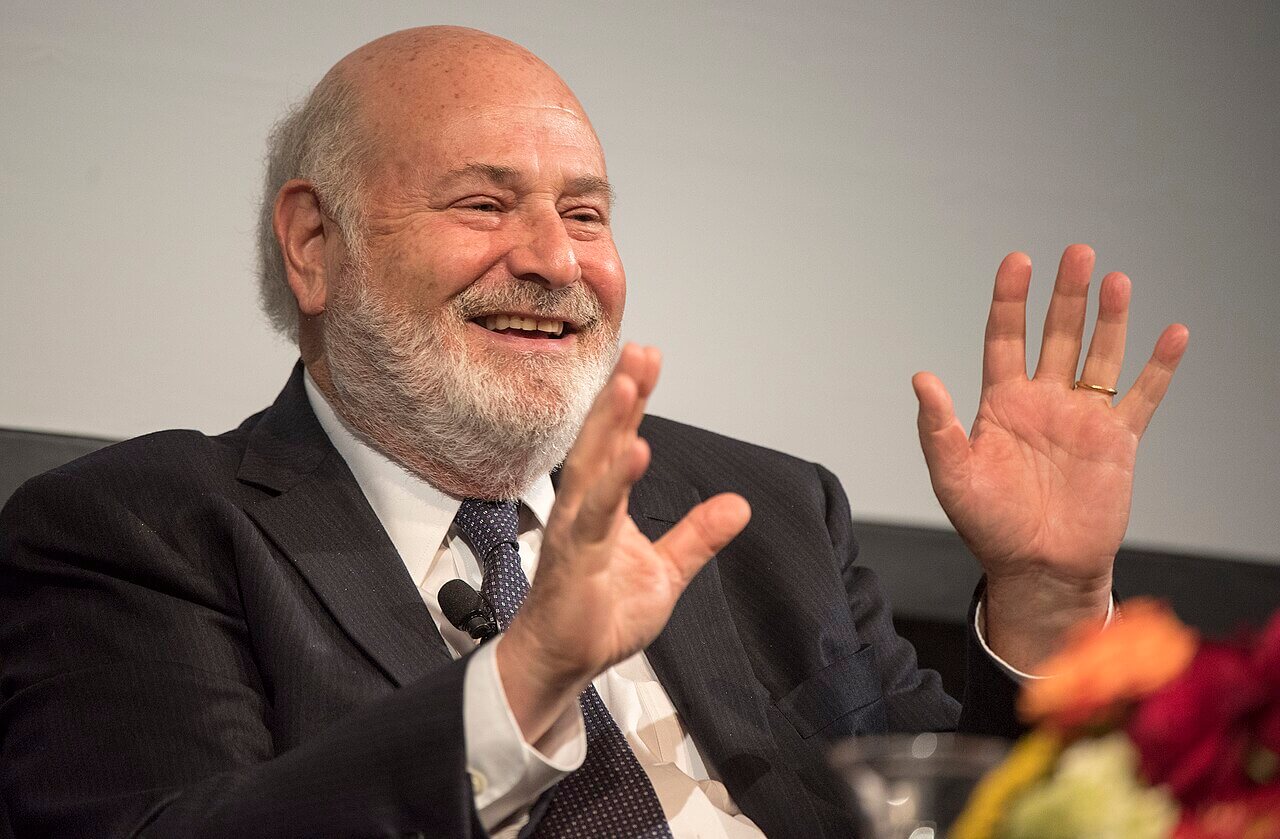
Three months later, filmmaker Rob Reiner and his wife Michele were stabbed to death in their home. Their son was arrested.

A double homicide, two grieving families, a nation that grew up on The Princess Bride.
Trump's official statement blamed the victim.
Reiner died, the president wrote, "reportedly due to the anger he caused others" through his affliction with "TRUMP DERANGEMENT SYNDROME."
To their credit, several Republicans objected — Rep. Mike Lawler called the statement flatly wrong.
Trump's response to his own party's rare display of a functioning conscience was to double down that afternoon, telling reporters Reiner was "very bad for our country."
Rule 2, then: a critic's murder is an opportunity, and the eulogy may be delivered as a diagnosis.
Rule 3: Sometimes you just say the quiet part in all caps
By March, even the pretense was gone.
When Robert Mueller — decorated Marine, 9/11-era FBI director, lifelong Republican — died at 81 after years with Parkinson's, Trump posted:
“Robert Mueller just died. Good, I'm glad he's dead. He can no longer hurt innocent people!"
Laura Loomer said Trump "said what everyone is thinking."
Roger Stone consigned Mueller's soul to a higher court.
And Fox News, which had six separate opportunities to mention the president of the United States celebrating a death, never once quoted the post on air.
Rule 3: gloating over the dead is disgusting ghoul behavior, unless the party leader does it, in which case it's candor.
The Lindsey Graham reactions, already in progress
Which brings us to this weekend.
Yes, social media was rough on Lindsey Graham.
Anonymous accounts made jokes.
Steve Schmidt called him a "malignant clown." None of them, notably, were the leader of a political party.
None of them were the president.
None of them commanded a Justice Department, a Pentagon, or a Transportation Secretary with strong opinions about who airlines should employ.
Meanwhile, Democrats spent September condemning Kirk's assassination alongside Republicans, and spent March asking that Mueller be allowed to rest in peace.
When Chuck Schumer responded to Trump's Mueller post, his radical demand was that a dead public servant not be spit on.
That's the actual comparison, and it isn't really about manners.
Decorum, in this framework, was never a value. It's a weapon — holstered when the president dances on a grave, drawn the instant a schoolteacher is insufficiently sad.
The same movement that jailed a grandfather over Facebook posts now demands the nation's tears on command, and calls anyone who hesitates a ghoul.
Condolences to Lindsey Graham’s sister, his staff, and everyone who loved him.
Genuinely.
That's how this is supposed to work — and it's supposed to work that way for everybody, including the dead who never voted your way.