
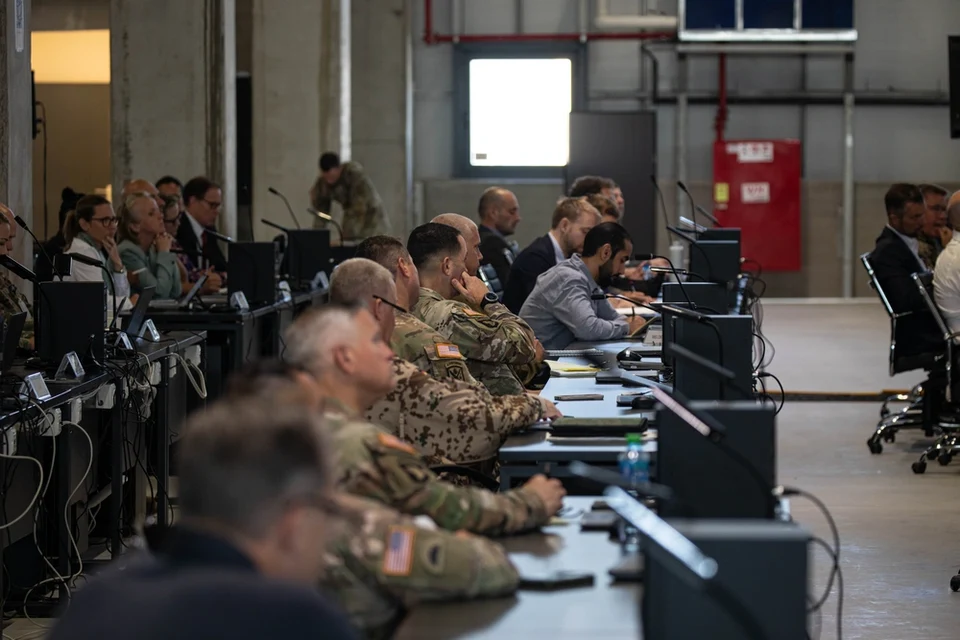

Tension is growing between the United States and Israel over allegations that Israel is spying on Americans and allied personnel at the Civil-Military Coordination Center (CMCC).
According to multiple reports, the Civil-Military Coordination Center (CMCC), a joint operations hub set up under a ceasefire agreement earlier this year, became the focus of dispute when U.S. military officials raised concerns that Israeli personnel were recording meetings and conducting surveillance inside the facility.
The U.S. commander of the center reportedly confronted his Israeli counterpart, demanding that the recordings and surveillance stop.
Diplomats, humanitarian workers, and allied personnel said they were sometimes cautioned against sharing sensitive information during CMCC discussions out of fear it could be accessed by Israeli intelligence.
Israeli officials have denied allegations that Israel is spying on Americans, calling them “absurd,” stating that discussions at the center involve unclassified information.
This raises concerns over trust and cooperation between Washington, D.C. and Israel as they work together to negotiate a peace agreement in one of the world’s most persistent conflict zones.
The CMCC
Created in October 2025 following a ceasefire between Israel and Hamas, the CMCC is a hub for U.S., Israeli, British, Emirati, and other international personnel working to deliver humanitarian aid into Gaza and ensure that both Israel and Hamas follow the terms of the ceasefire agreement.
About 200 U.S. troops already stationed in the Middle East were assigned to the center.
If Israel is Spying on Americans, Intelligence Sharing Concerns?
The spying allegations come at a sensitive moment in U.S.-Israeli relations.
While Israel remains a close ally, there have been occasional issues involving intelligence sharing and military operations.
Reports previously surfaced indicating that the U.S. temporarily paused certain intelligence sharing with Israel during the Biden administration due to concerns about Israel’s conduct in Gaza.
What Now?
U.S. military officials are now calling for clarity on the limits of information sharing inside the CMCC.

So far, Israel has denied the allegations that it’s spying on Americans.
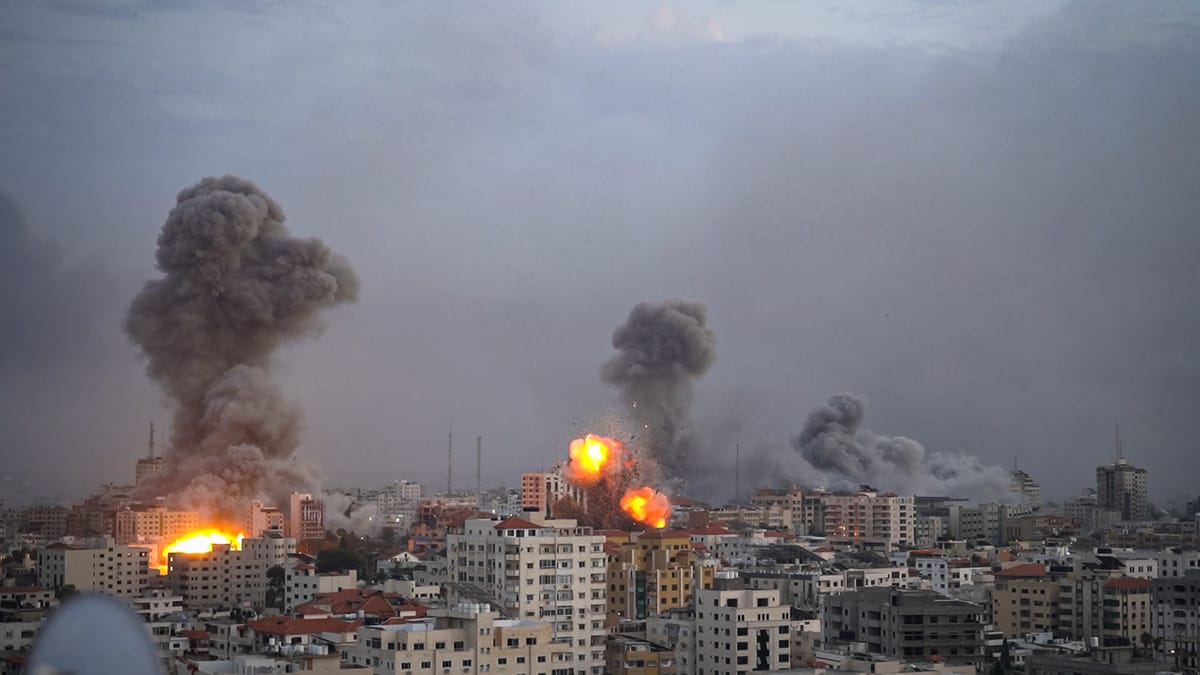
International stakeholders continue to push for the Gaza ceasefire to hold and for more humanitarian aid to enter the Strip.