
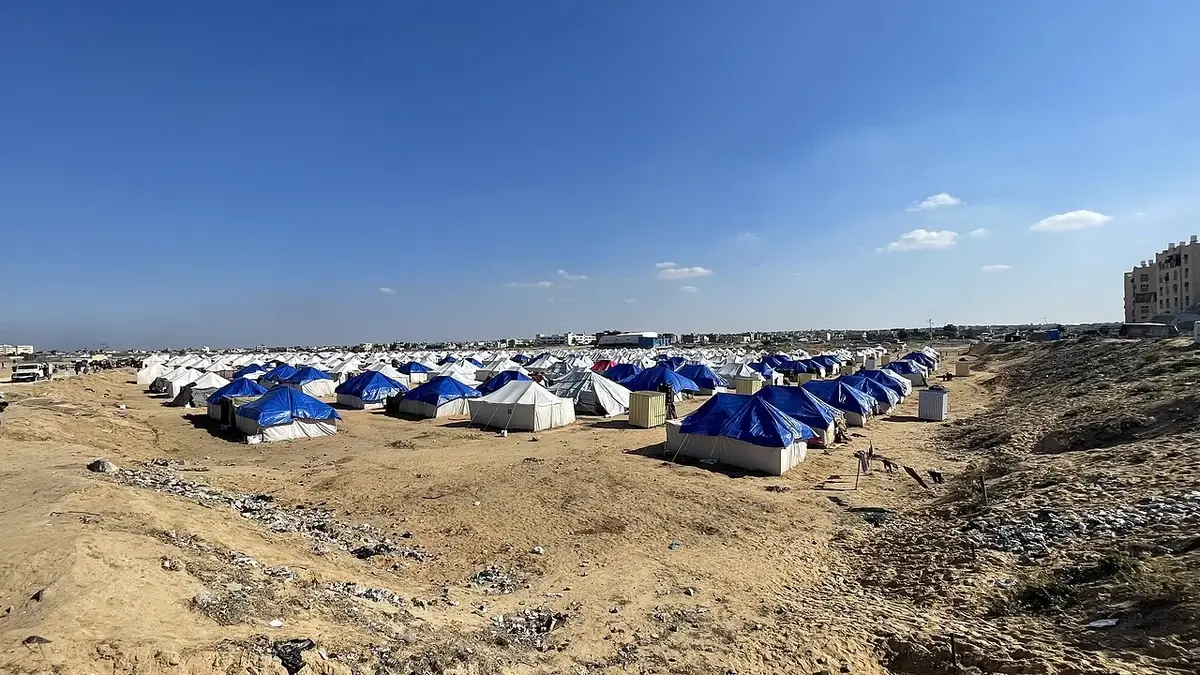

Rats are biting babies in Gaza while families sleep at night. Roughly 680,000 children in Gaza are sleeping in displacement camps where rats, mice, lice, and bedbugs have moved in alongside them. That is two-thirds of every child in the territory, according to Save the Children, which issued the warning on May 1 alongside fresh assessments from the United Nations.
The numbers are staggering, but the daily reality behind them is worse. Families are no longer just dodging airstrikes and rationing food. They are staying awake in shifts so the rats do not bite their children’s fingers and toes while they sleep.
What the Assessments Found
In mid-April, the UN Office for the Coordination of Humanitarian Affairs surveyed more than 1,600 displacement sites across Gaza. Rodents or pests were frequently visible in over 80 percent of them.
Skin infections and rashes turned up in nearly two-thirds of the sites. Lice were present in more than 65 percent. Bedbugs in over half. Roughly 1.4 million people, the majority of them displaced multiple times, are living in these conditions.
The World Health Organization has already logged more than 17,000 infections tied to rodents and parasites in Gaza since the start of this year alone.
WHO Representative Reinhilde Van de Weerdt described what she saw on her first visit to the territory as something no report could prepare her for: streets walled in by piles of rubble several meters high, with families pitching tents directly on top of damaged infrastructure because there is nowhere else to go.
Doctors at Al-Shifa Hospital, Gaza’s largest medical facility, say they are now admitting patients every single day for rat bites and rodent-related illness. The cases skew toward the people least able to fight infection: children, the elderly, and patients already weakened by malnutrition.
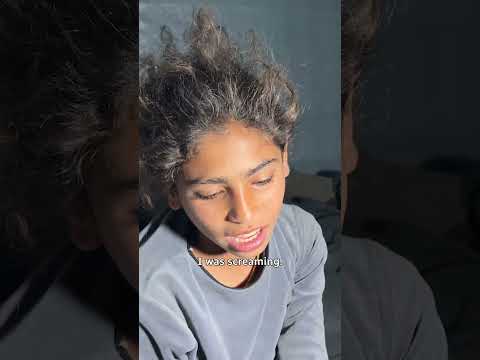
How a War Becomes a Public Health Collapse
Rats do not appear out of nowhere. They appear when sanitation systems are destroyed, when garbage stops getting collected, when sewage runs through residential streets, when bodies remain unrecovered beneath rubble, and when displaced people are packed into makeshift tents with no clean water.
All of that describes Gaza right now. More than two years of bombardment have damaged or destroyed over 1,800 health facilities, including hospitals, clinics, pharmacies, and labs.
WHO estimates the damage to Gaza’s health sector alone at $1.4 billion. Waste collection has largely halted. Raw sewage is being pumped into the Mediterranean, the same sea where families now fish and bathe because they cannot find clean water anywhere else.
The diseases now spreading through the camps include scabies, pneumonia, and diarrhea, all of them treatable in functioning health systems and all of them potential killers in a collapsed one. Doctors and aid workers have publicly raised the possibility of outbreaks of rat-bite fever, leptospirosis, and even plague. Plague. In 2026.
A Ceasefire That Has Not Delivered Relief
Israel and Hamas reached a ceasefire that took effect in October 2025. It stopped the bombing in much of the territory (Hundreds of Palestinians have been killed in Israeli drone strikes despite the ceasefire). It has not stopped the suffering.
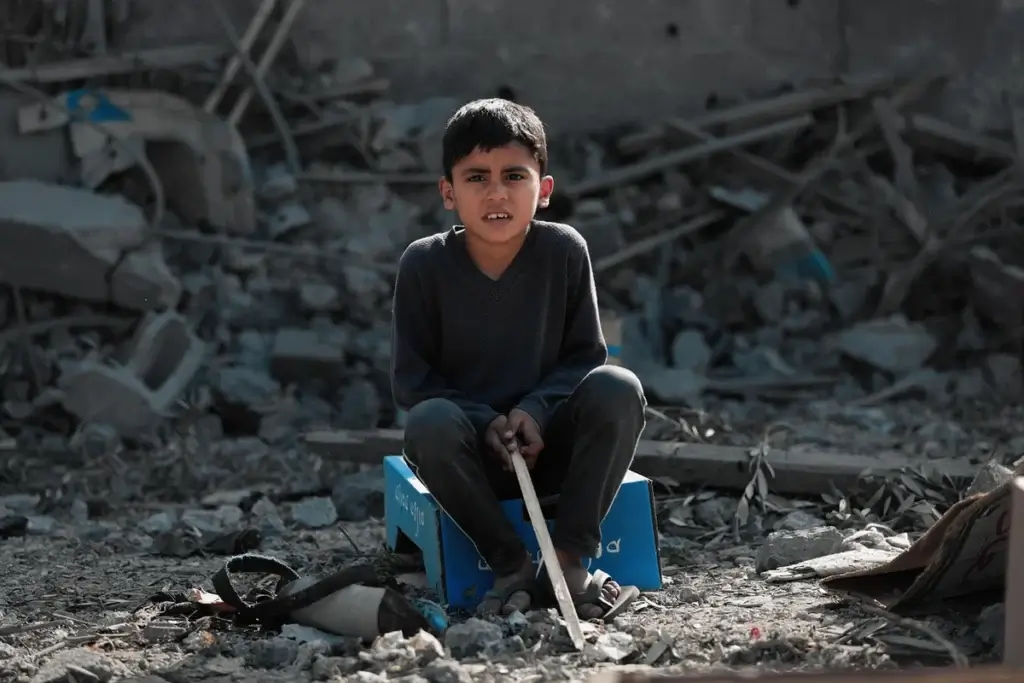
Humanitarian aid still moves into Gaza only with Israeli approval. The Israeli military agency that controls the crossings, COGAT, has said it recently facilitated the delivery of around 90 tons of pest control materials and over 1,000 mousetraps. Set against 1.4 million people living in rat-infested camps and 17,000 documented infections, that is not a response. It is a press release.
Aid workers and Palestinian officials have been clear about what is actually needed: rubble removal at scale, restored sewage and water infrastructure, full unrestricted entry of medical and sanitation supplies, and the lifting of restrictions that continue to throttle the movement of humanitarian goods.
None of those are technically complicated. They are political choices.

Why This Story Matters Beyond Gaza
It is tempting to read a story like this as a footnote to a war that has already produced too much horror to absorb. It is something else.
It is a window into what happens when the international community accepts the destruction of civilian infrastructure as a tolerable cost of military operations, and then accepts a “ceasefire” that leaves the destruction in place.
The children currently being bitten in their sleep did not start this war. They cannot end it. They are not collateral. They are the point at which abstract debates about siege, blockade, proportionality, and aid restrictions turn into a small body with an infected wound that no one has the antibiotics to treat.
Shurouq, who works for Save the Children in Gaza, put it plainly: she fears for her daughter’s health, she sees rats and sewage every day on the way to work, and she does not believe this is any way to live a dignified life. She is right.
And the systems responsible for letting it get this bad, including governments that continue to fund the military operations and impose the restrictions driving the collapse, do not get to look away from what they have built.
If the response to 680,000 children sleeping in plague conditions is 1,000 mousetraps, the real problem is not the rats.