


We have covered the Caribbean boat strikes from almost every angle: the double-tap that killed two survivors clinging to wreckage, the families suing over loved ones who were out fishing, the reporting that most of the dead were fishermen and broke men paid to steer a skiff.
By now the death toll from Operation Southern Spear has passed 200 across more than sixty strikes, and the government has never once shown the public evidence that a single targeted boat was carrying drugs.
But there are aspects of this campaign that almost no one is talking about.
So let's talk about them.
The bodies are just left in the ocean
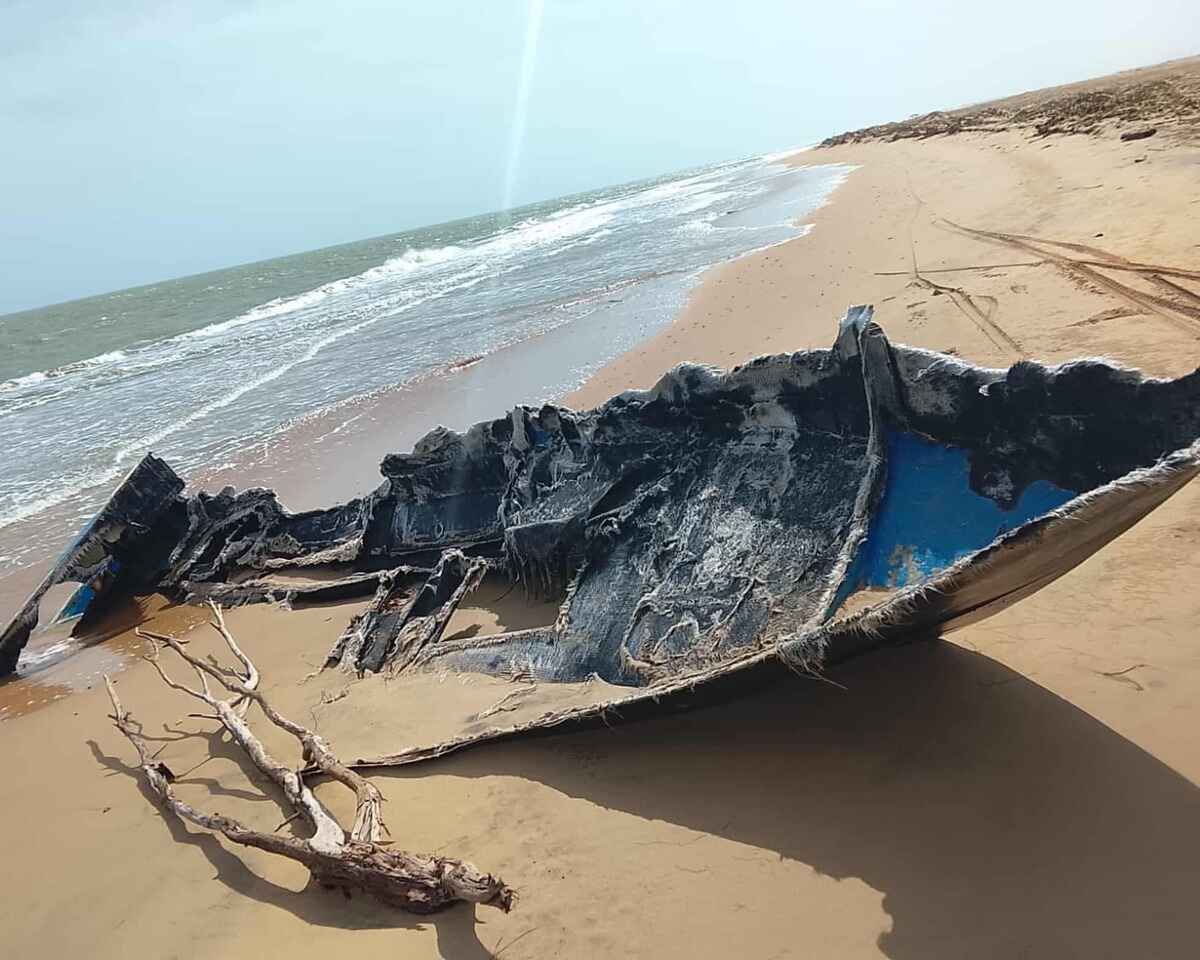
When a missile hits a small open-hulled boat, the people on it do not vanish. Their bodies go into the water.
And the United States, in most cases, simply leaves them there.
We know this because those bodies keep washing up on other countries' beaches.
After the very first strike in September, the first corpse came ashore on Trinidad's northeastern coast, burned and missing limbs.
Days later the tide brought a second body to a nearby beach, drawing vultures, its face unrecognizable and one leg blown off.
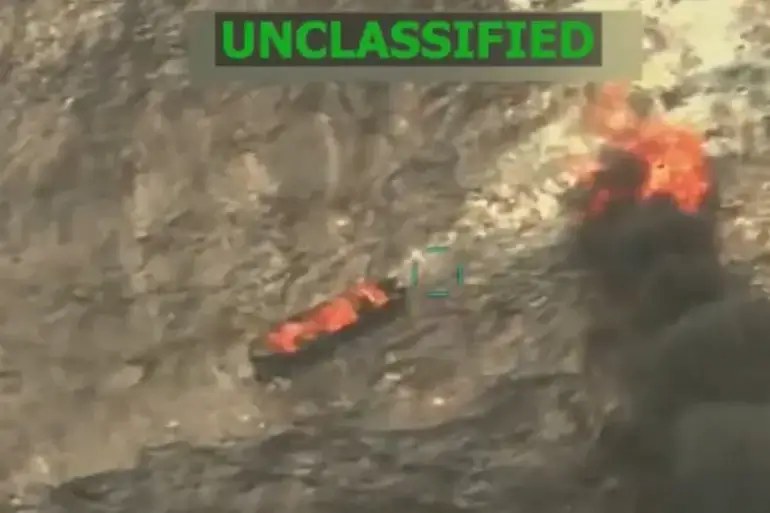
After the November 6 strike, a boat matching the one in the strike video washed ashore in northwestern Colombia, followed by bodies and charred debris.
Because the coast was remote, locals buried the dead themselves; the wider world didn't learn of it for nearly two months.
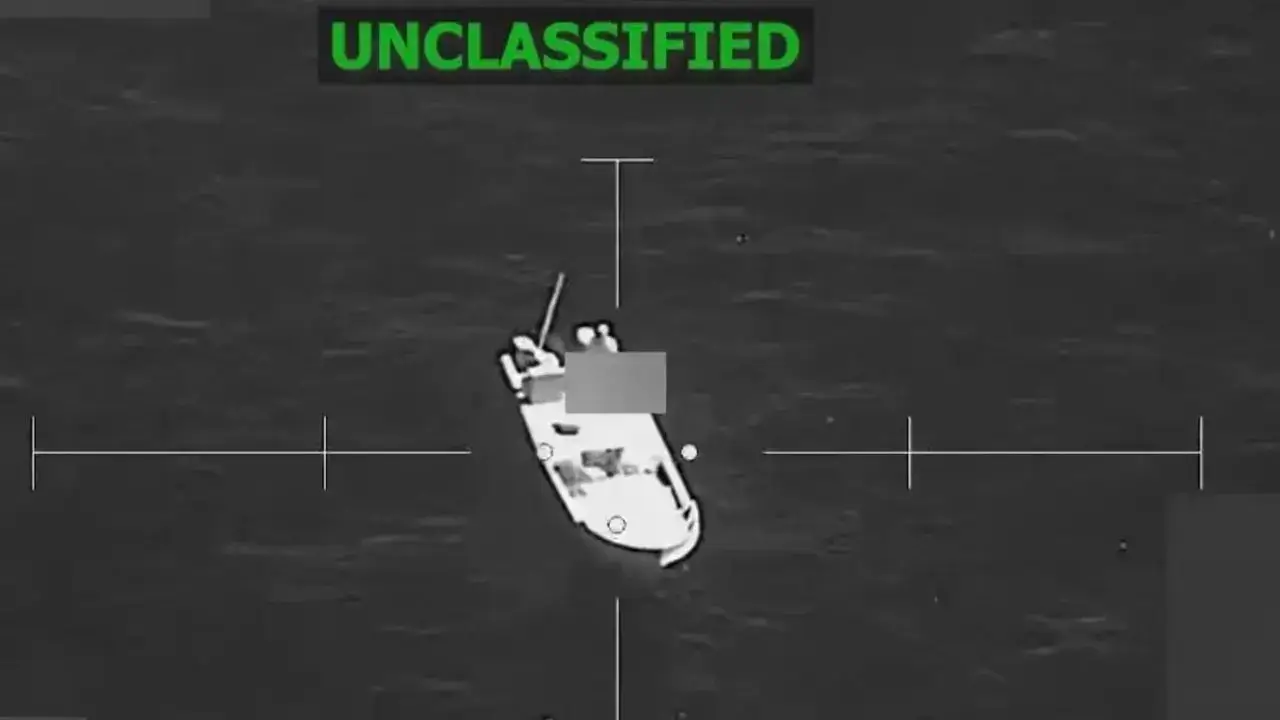
Think about what that means. Grieving families in Venezuela, Colombia, and Trinidad have been reduced to identifying their sons and husbands from photographs of mutilated corpses shared on WhatsApp.
In one case, relatives recognized a man only by the ostentatious watch still strapped to his wrist.
This is the reality ‘the strike videos’ crop out: not a clean explosion, but human remains drifting toward shore for strangers to bury.
What about the ocean itself?
Here's a question no press briefing has answered: what happens to the water?
Every strike puts a boat's fuel load, its shattered fiberglass and metal, and whatever cargo it carried directly into the sea.
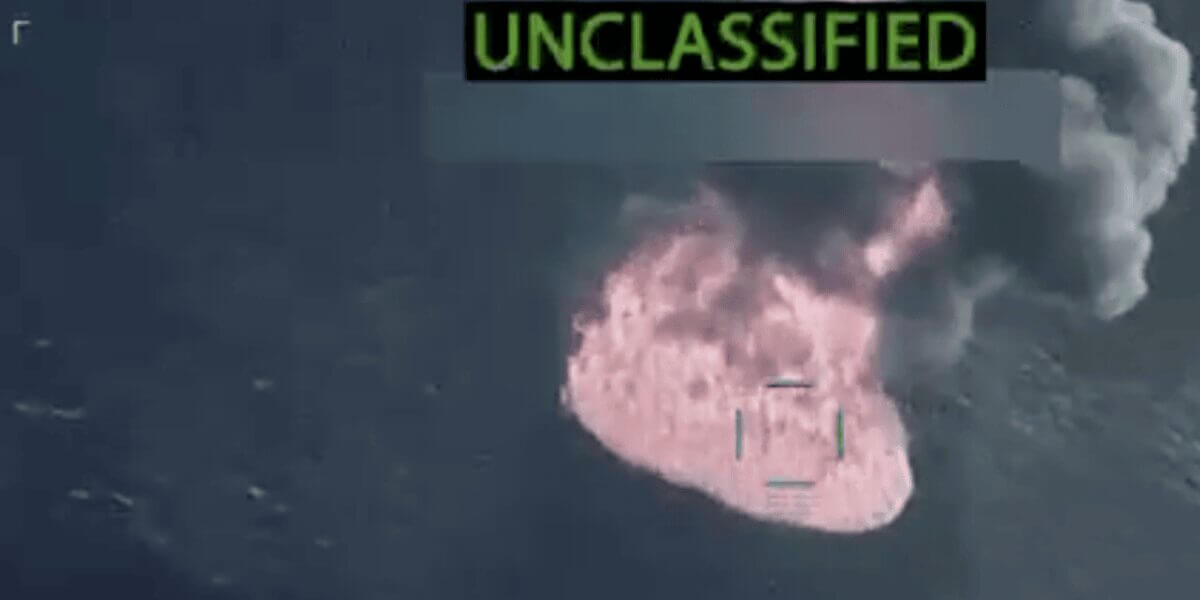
IThese are "go-fast" boats built to haul heavy loads over long distances, which means large tanks of gasoline — now aerosolized and burning across some of the most biodiverse fishing waters in the hemisphere.
The same waters that Colombian and Trinidadian fishermen depend on to feed their families, waters where fishermen already report their livelihoods are under threat and are now afraid to go out at all.
And if the government's own story is true — if these boats really were packed with narcotics — then the strikes have been dumping cocaine directly into the ocean by the ton, sixty-plus times over.
(When the Dominican Navy actually recovered cargo from one destroyed boat, it pulled up roughly 1,000 kilograms of cocaine.)
Either the boats were full of drugs, in which case the Pentagon is conducting the largest uncontrolled narcotics dump in modern history and calling it a drug-interdiction success — or they weren't, in which case innocent people are being incinerated for a lie.
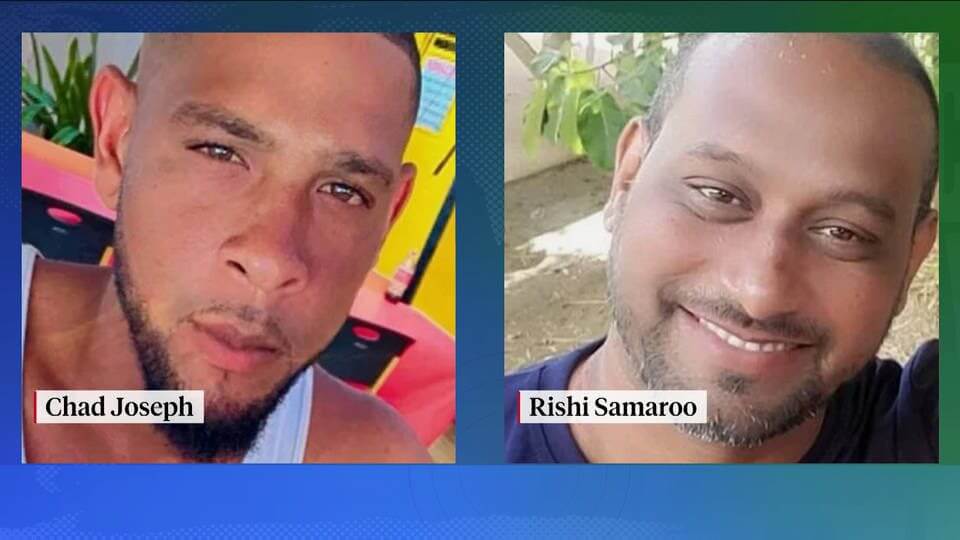
No one in the administration has been asked to account for the environmental cost, because to ask the question is to admit what the strikes actually do.



There is no version of this where the ocean comes out clean.
The question that unravels the whole story
Now grant the government its own premise.
Pretend, for the sake of argument, that every one of these boats was crewed by "narcoterrorists." Even then, the campaign makes no sense.
Because the people on these boats are the very bottom of the food chain.
Reporting by the Associated Press found that the higher-level traffickers had stopped riding the boats entirely to avoid the missiles, and were instead hiring desperate novices — men like a bus driver who couldn't feed his family, a fisherman who wanted to buy a boat engine — to make the runs.
These are not kingpins.
They are the most replaceable, most expendable, least-informed people in the entire supply chain. Some may not even have known what was in the hold.

(Photograph: Courtesy of Carranza family)
So here is the question that should end the debate: if you genuinely wanted to dismantle the cartels, why would you kill these people instead of capturing them?
A captured smuggler can be interrogated.
He can name the man who paid him, the dock he left from, the route, the buyer waiting on Trinidad.
That is how you actually work your way up a criminal network — the way the Coast Guard and DEA did it for decades, interdicting boats, boarding them, and detaining crews for prosecution.
We know it can be done in this exact campaign, because on the rare occasions the military bothered, it did.
The survivors of one strike were pulled from the water, treated, and repatriated to Ecuador and Colombia — and legal experts noted they could have been prosecuted in federal court.
A dead man tells you nothing.
Blowing up the courier destroys the one piece of intelligence that could lead to the people actually running the drugs.
If stopping the flow were the goal, this is close to the worst possible way to do it.
The flow confirms it: cocaine and fentanyl prices on American streets have not moved, and traffickers have simply shifted to semi-submersibles and cargo containers.
Which forces an uncomfortable conclusion: the killing isn't a means to an end.
The killing is the end.
So what is this actually about?
If the strikes don't gather intelligence, don't stop the drugs, and don't target anyone who matters, then we are owed an honest reckoning with what they do accomplish.
And the record the administration has come up with is not reassuring.
This is a Defense Secretary who was reported to have given the order to "kill them all" before the first boat was destroyed.

When the story broke that two survivors were finished off in a second strike, Hegseth said he "would have made the same call myself."
He declared: "We are killing them. We will keep killing them."
Hegseth refuses to release the unedited video to the public — the footage his own critics in Congress have seen — even as Sen. Rand Paul, a Republican, said plainly: shooting unarmed people clinging to wreckage "is not who we are as a people."
Rep. Jim Himes described what that video actually shows: the full force of the U.S. military turned on "two guys who are clinging to a piece of wood and about to go under."
You are allowed to ask why a man would want to keep doing this.
You are allowed to notice that every single person killed so far has been a poor Latin American — Venezuelan, Colombian, Ecuadorian — and to ask whether these same missiles would be flying if the boats were full of people who looked like the people ordering the strikes.
We are not going to tell you what is in Pete Hegseth's heart, because no one can.
But we can lay the facts on the table and let you sit with them: a campaign that produces no intelligence, stops no drugs, catches no kingpins, poisons the sea, and leaves the bodies of the poor to wash up on foreign beaches — defended by a man who calls it killing and promises more.
When something serves no stated purpose and the people running it keep doing it anyway, the honest move is to stop pretending the stated purpose is the point.