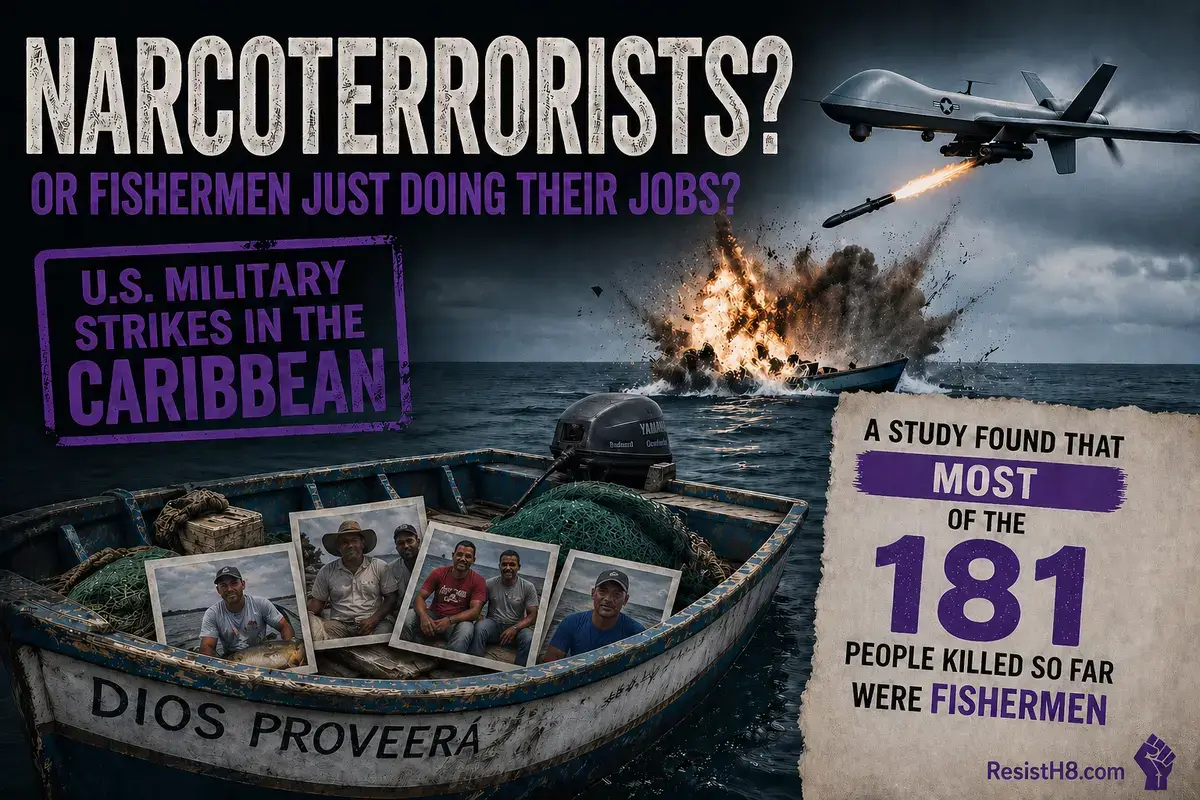

For nearly eight months, the Trump administration has described the people it kills in the Caribbean and the Eastern Pacific the same way: “narcoterrorists.” That word does a lot of work. It turns men into targets and extrajudicial killing into self-defense.
It turns the absence of any public evidence into a national security secret. And it lets the Pentagon post fifteen-second strike videos on social media as if they were highlight reels.
The word “narcoterrorist” is now collapsing under the weight of the people behind it.
We, as a society, haven’t really taken the time to reconcile the fact that our government is sharing horrific video clips of people being murdered. The US military bombs little fishing boats, then the administration posts video clips of the extrajudicial killings on social media for entertainment purposes.
What have we become?
The Pentagon was already sharing videos of illegal boat strikes, but it recently began posting video clips of the military bombing targets in Iran alternated with clips from video games or sporting events.
In late April, Drop Site News, The Guardian, and Ecuadorian news outlet Primicias published the testimony of 36 fishermen who survived recent US attacks. Their accounts are detailed, consistent, and devastating. They are also the closest thing the public has gotten to identifying who, exactly, the United States has been killing since September.
“I get scared in the middle of the night. I can’t sleep well. My ears still hurt. I thought they were going to kill us.”
According to multiple counts, the campaign — formally named Operation Southern Spear — has now killed at least 180 people across more than 50 strikes.
The Washington Office of the Latin Americas tracks the US military boat strikes in real time. They maintain a live tracker of boat strikes with the location, the number of people killed, the number of survivors (if any), and a link to the source of the report. View the WOLA Live Tracker.
The Men of La Fiorella
On January 19, 2026, an Ecuadorian fishing boat captain named Carlos Mero called his wife Roxanna from sea on an emergency line. He told her an American aircraft, two drones, and a blue patrol ship had been circling his vessel, La Fiorella.
The Ecuadorian coast guard had already inspected the boat at a checkpoint near the Galápagos and cleared it to keep working. The next day, La Fiorella went up in smoke. Three independent accounts from relatives say eyewitnesses on a nearby raft saw the vessel engulfed in flames.
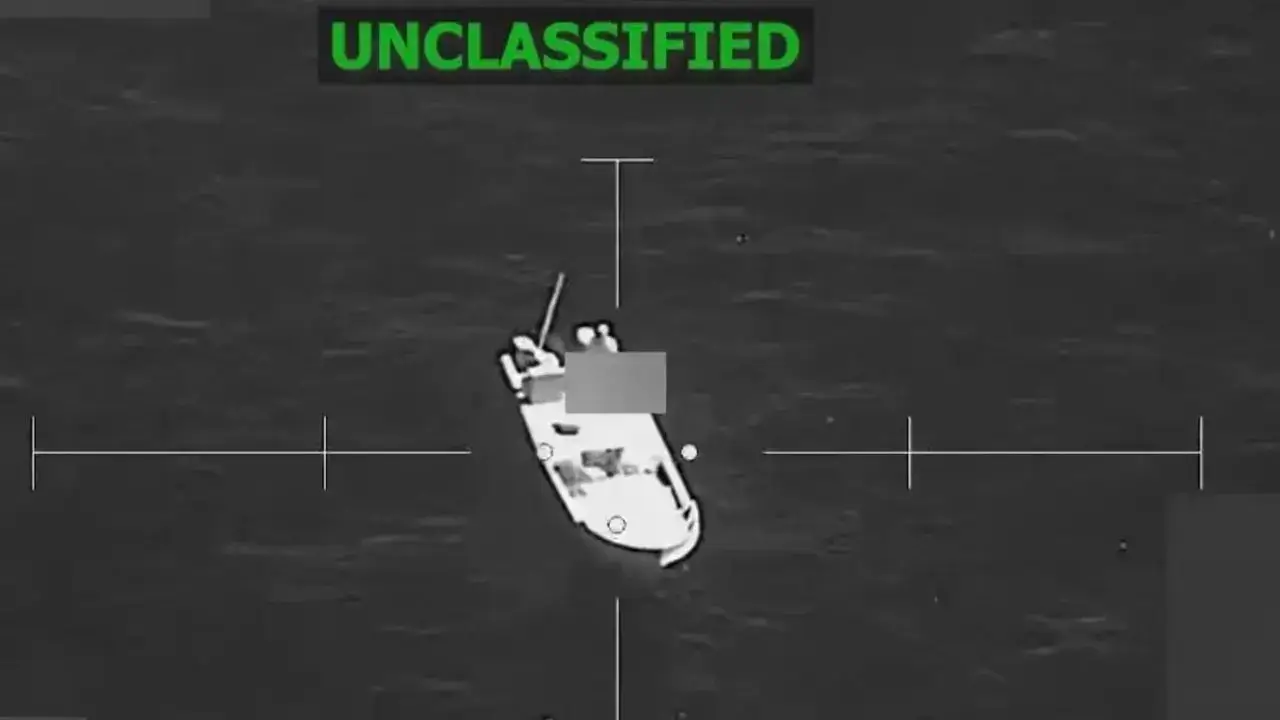
Carlos Mero and the seven other men aboard have not been seen since. They were fishermen from Jaramijó and Manta — small port towns on Ecuador’s coast. Their families have spent more than three months demanding answers from a government that has slammed the door on every inquiry.
According to Drop Site News, they were warned not to speak to the press, so many of the witnesses are scared. The United Nations Committee on Forced Disappearances has now formally demanded that Ecuador account for the missing crew. An opposition lawmaker, Mónica Palacios, has said she will bring the case directly to the U.N.
“No search team has been sent out,” Roxanna Mero told Drop Site News. “In Manta, we live with constant military helicopters circling overhead every hour, but none of them have been used to find my husband.”
María Cueva, the mother of another missing crew member, said two fishermen who had been working on a smaller boat nearby returned safely and described seeing a drone circle La Fiorella before smoke rose to the north. “I want my son to come home,” she said.

The Floor of Their Lifeboat “Filled With Blood”
Two other Ecuadorian fishing vessels — La Negra Francisca Duarte II and the Don Maca — were attacked in March. Their crews, miraculously, survived to describe what happened to them.
On March 17, a U.S. drone with what the captain described as a ‘yellow cylinder underneath’ flew through the cabin window of La Negra Francisca Duarte II and detonated. The boat’s captain, Hernán Flores, told Drop Site News that the explosion tore his nephew’s foot down to the bone, caved the roof onto the back of his neck, and left one young crew member bleeding so heavily that the floor of their lifeboat filled with blood.
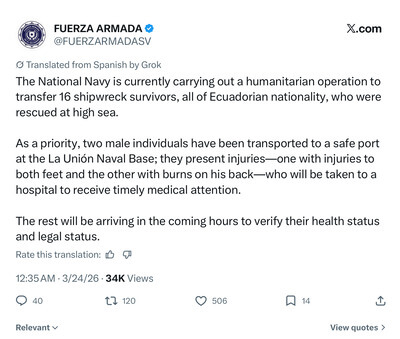
Sixteen men jumped from the burning ship, including those who couldn't swim, and survived eight days adrift before being found by a Salvadoran vessel.
On April 3, 2026, El Salvador intercepted 20 Ecuadorian fishermen with “vision and hearing loss, bruised limbs, and perforated arms” after they survived a the bombing of their boat by the US military.
Before the attack, La Negra Francisca Duarte II had also been cleared by the Ecuadorian coast guard at the same Galápagos checkpoint.
On March 26, the Don Maca — a 35-ton fishing vessel about 200 miles northwest of the Galápagos — was hit by what its 20 crew members described as a “double tap” drone strike.
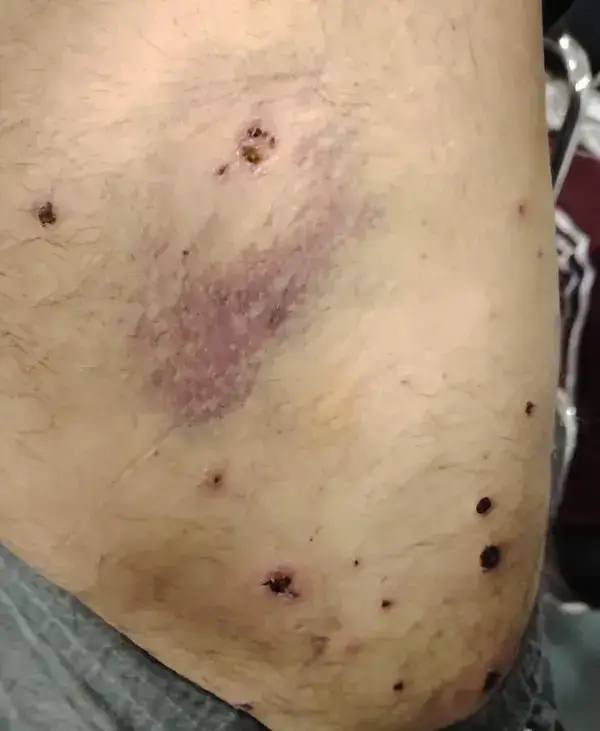
Crew member Erik Coello says he was shot at with glass pellet rounds after the strike, leaving him with 70 percent vision loss and his arms full of embedded glass. (Why glass pellet rounds?)
The men raised a white flag. They say uniformed Americans on a nearby vessel boarded their burning ship anyway, hooded them, handcuffed them, and held them on a scorching metal deck for more than 24 hours, blistering their skin. They say they were denied medical care and given one bottle of water among them.
We need an investigation to find out who is responsible for the directive to put hoods on arrested “drug-traffickers” and torture them. We already know about the inhumane treatment and abuse of people held in ICE detention centers. Will we discover that drug dealers are now being tortured in prison?
The surviving crew members were then taken to El Salvador, where they were held for eight days, interrogated at a military base, and eventually released back to Ecuador without charges. (Why were they taken to El Salvador? Why were they interrogated at a military base like war prisoners?)
“They treated us like animals,” survivor Sebastián Palacios told reporters at the airport in Manta when he finally came home. “I get scared in the middle of the night. I can’t sleep well. My ears still hurt. I thought they were going to kill us.” He said he would never go fishing again.
According to attorney Pilar Muñoz, who represents the Don Maca crew, at least two of her clients were told directly by US personnel that the strike on their boat was a mistake. An assistant to a US official reportedly told one fisherman’s family the attack and detention were “an error.” The official refused to reimburse the man’s airfare home from El Salvador.
What the Names Tell Us
A statement from a Foreign news source on the survivors is telling:
The campaign of extrajudicial killings has gone largely unreported in the US media, even as it has expanded dramatically in recent months. Not a single major US corporate media outlet has recounted the testimony of the fishermen who survived US strikes.”
The Trump administration has not publicly identified a single person it has killed in this campaign. Not one. SOUTHCOM’s strike announcements describe the dead only as “male narco-terrorists” killed on vessels operated by “Designated Terrorist Organizations.”
When journalists ask for evidence, they’re directed to Ecuador’s Port Authority, which hangs up on them. When families ask for answers, they’re stonewalled.
Meanwhile, the families have already done what the US government refuses to: they have given the dead their names back.
Alejandro Carranza, the Colombian fisherman whose family filed the first complaint at the Inter-American Commission on Human Rights.
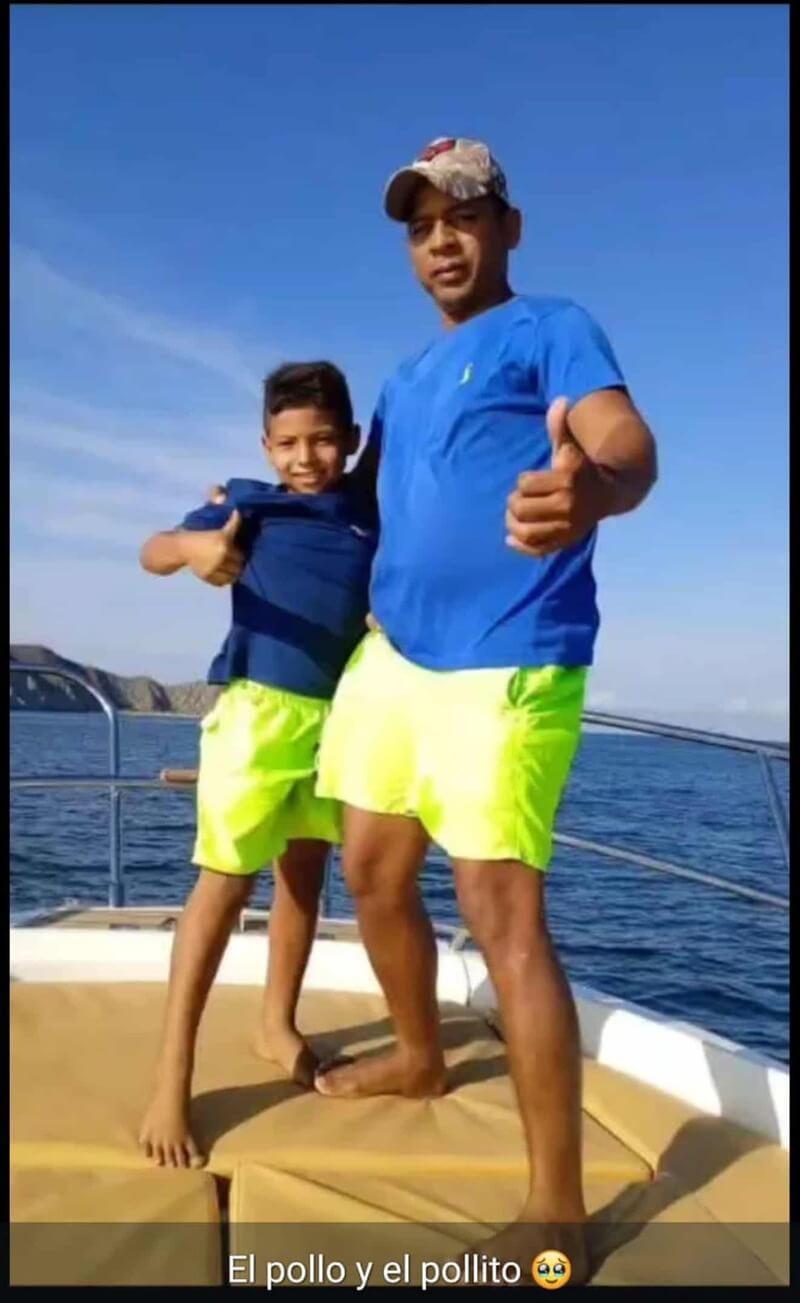
(Photograph: Courtesy of Carranza family)
Chad Joseph and Rishi Samaroo, the Trinidadian workers whose relatives filed a wrongful death lawsuit in US federal court.
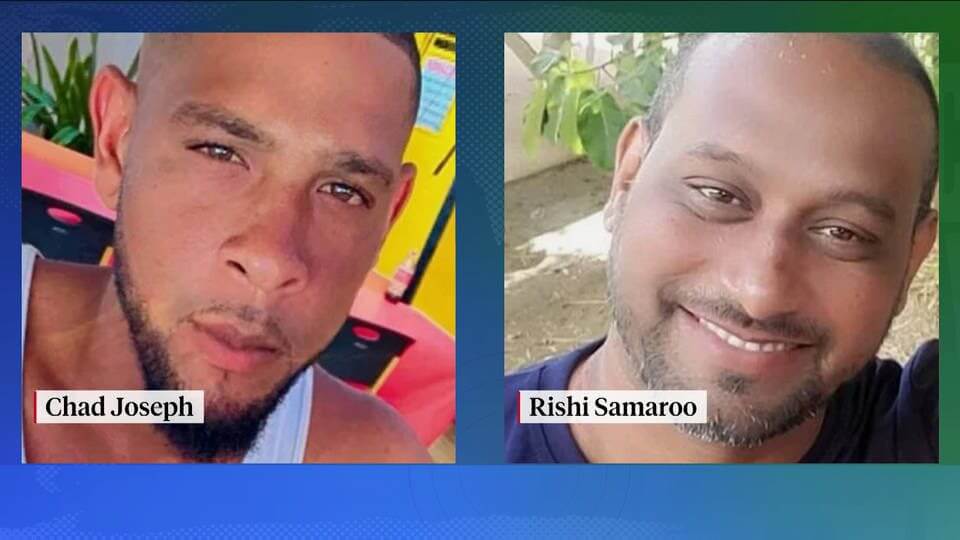
The eight men of La Fiorella, whose families are still waiting.
The 36 survivors of the Don Maca and La Negra Francisca Duarte II, who are now in psychiatric care, who are missing fingers and vision and hearing, who said they raised a white flag and were tortured anyway.
(The stories of Carranza and Joseph/Samaroo, their families, and the lawsuits against the US government are covered in more detail below.)
International law experts have been clear from the beginning. The U.N. high commissioner for human rights, Volker Türk, said in October that none of the people on these targeted boats appeared to pose any imminent threat that could justify lethal force under international law.
CFR’s Matthew Waxman has put it plainly: the United States cannot go around the world killing people without a lawful basis, and drug trafficking — even violent drug trafficking — is traditionally handled through interdiction and criminal law, not bombs.
But the Trump administration has declared itself in an “armed conflict” with cartels. The Republican-controlled Senate has twice voted down resolutions to limit that authority.
The campaign has only escalated. In a February State of the Union address, Trump joked that US operations had been so aggressive that “nobody wants to go fishing anymore.” Carlos Mero’s wife knows what that joke means now.

What the Manifesto Knew
You may have noticed something familiar in the descriptions above. In the writings left behind by Cole Tomas Allen, the man who opened fire outside the White House Correspondents’ Dinner on April 25, was a specific reference to “the fisherman executed without trial.”
A line that, until very recently, almost no one in US corporate media was talking about.
Whatever else is true about Allen — and there is much that is true and damning, including his decision to bring violence to a room full of journalists — he was not making up the fishermen. They are real. They have names.
They had wives, children, parents, attorneys, white flags. Their boats had been cleared by their own coast guard.
They were killed, or kidnapped, or tortured, or are still missing, by the country that markets itself as the leader of the free world.
The investigation into Allen continues, as it should. So should the investigation into Operation Southern Spear. Both stories are about who decides whose life counts. One of them is being told constantly. The other one, eight months in, is just barely starting to break through.
This section provides more detailed information on the cases of Alejandro Carranza and the Trinidadian workers: Chad Joseph and Rishi Samaroo.
ACLU Case: Suing on Behalf of Families of Fishermen Killed in illegal U.S. Military Boat Strike
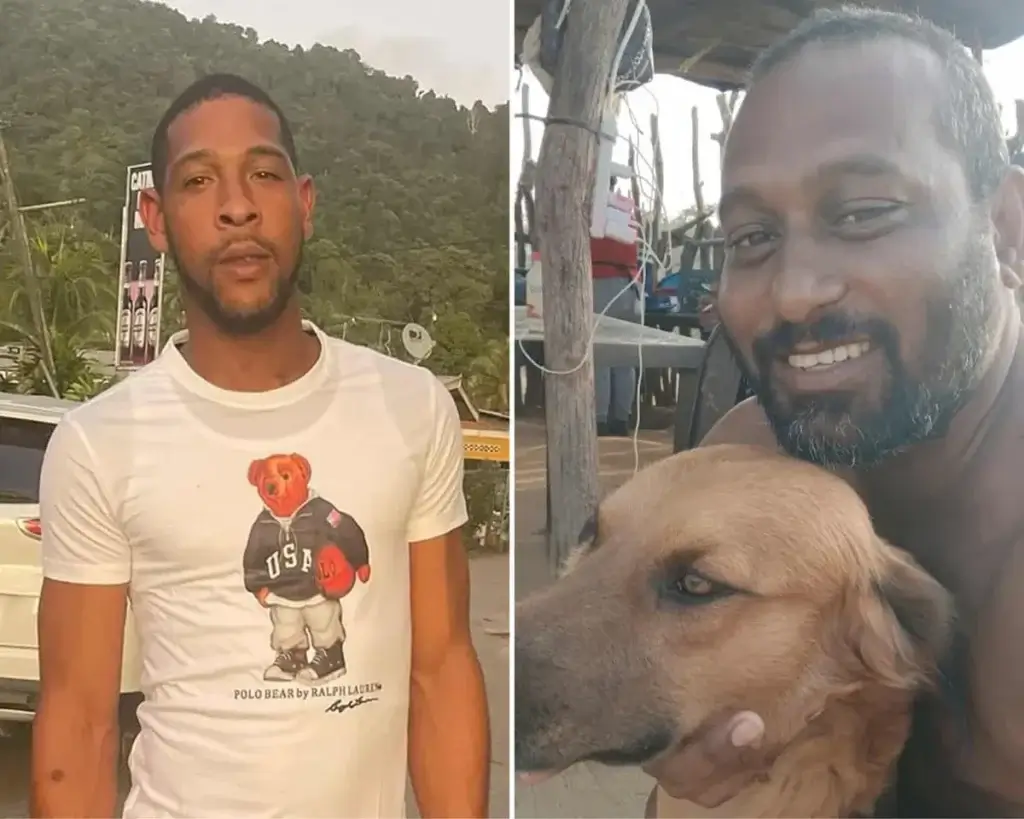
On October 14, 2025, the United States military carried out an illegal boat strike that killed Chad Joseph and Rishi Samaroo, two Trinidadian fishermen who were traveling by boat from Venezuela to their homes in Las Cuevas, Trinidad and Tobago.
The American Civil Liberties Union, the Center for Constitutional Rights, the American Civil Liberties Union of Massachusetts, and Professor Jonathan Hafetz of Seton Hall Law School filed suit on behalf of Lenore Burnley, Mr. Joseph’s mother, and Sallycar Korasingh, Mr. Samaroo’s sister, seeking redress and accountability for these extrajudicial killings pursuant to the Death on the High Seas Act and the Alien Tort Statute.
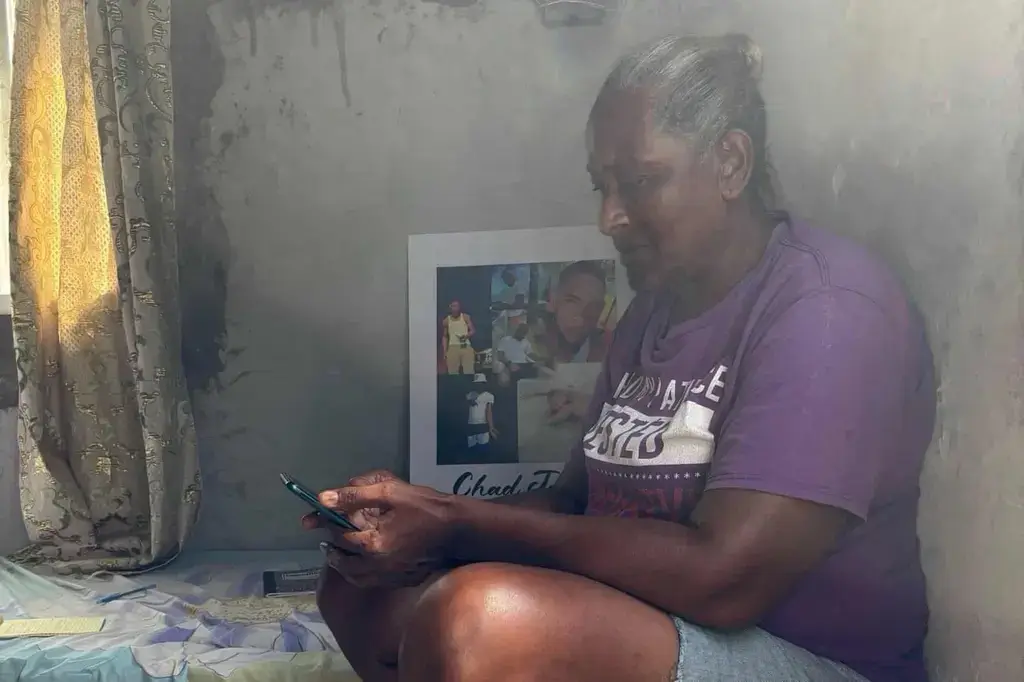
The lawsuit, shared in advance with the Guardian, says that Chad Joseph, 26, and Rishi Samaroo, 41, both of Las Cuevas, Trinidad, were returning to Trinidad from Venezuela when they and four other people were killed in the strike.
From the ACLU website on the case brought by the Massachusetts ACLU:
On October 14, Mr. Joseph and Mr. Samaroo were returning from Venezuela to their homes in Las Cuevas, Trinidad and Tobago when a missile struck their boat. Four other people also died in the strike. The plaintiffs are Lenore Burnley, Mr. Joseph’s mother, and Sallycar Korasingh, Mr. Samaroo’s sister. They bring this case on behalf of surviving members of Mr. Joseph’s and Mr. Samaroo’s families.
“Chad was a loving and caring son who was always there for me, for his wife and children, and for our whole family. I miss him terribly. We all do,” said Mr. Joseph’s mother, Lenore Burnley. “We know this lawsuit won’t bring Chad back to us, but we’re trusting God to carry us through this, and we hope that speaking out will help get us some truth and closure.”
“Rishi used to call our family almost every day, and then one day he disappeared, and we never heard from him again,” said Sallycar Korasingh, Rishi Samaroo’s sister. “Rishi was a hardworking man who paid his debt to society and was just trying to get back on his feet again and to make a decent living in Venezuela to help provide for his family. If the U.S. government believed Rishi had done anything wrong, it should have arrested, charged, and detained him, not murdered him. They must be held accountable.”
Colombian Fisherman Case
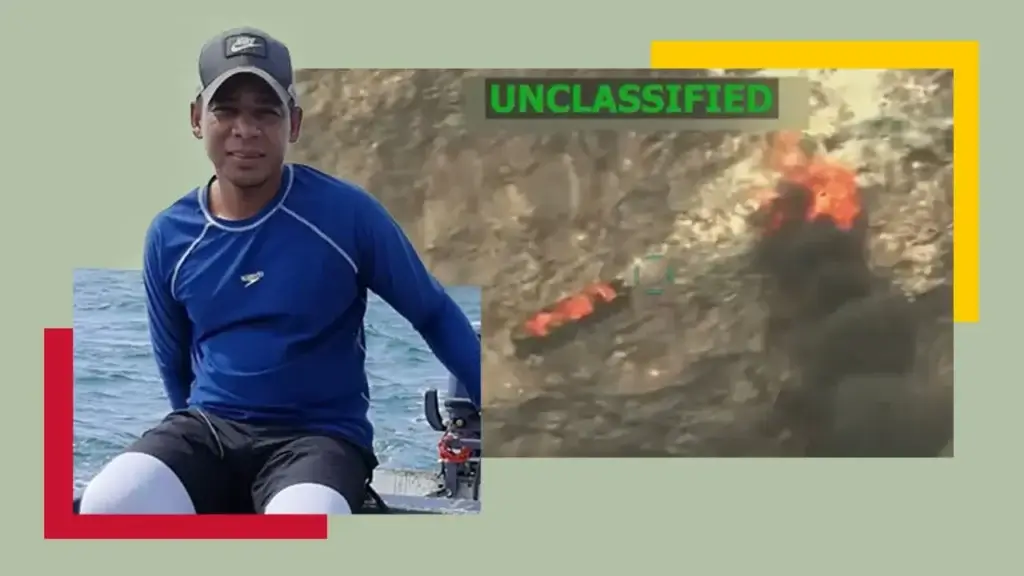
In another case, the parents of Colombian fisherman, Alejandro Carranza, sued the U.S. government for the murder of their son. At the time of our reporting, the parents refused to accept the death of their son without seeing his remains. They also stated that the President had not called them.
(Credit: The Sunday Times)
Statement from Amnesty International from 2025:
US officials have announced thirteen air strikes around Latin America so far, with eight in the Caribbean and five in the Pacific. The Trump administration has tried to justify its actions by claiming—without presenting any evidence—that the targets were drug-smuggling “narco-terrorists.”
Stopping suspected drug boats is a law enforcement operation, subject to international human rights law, which holds that all people have the rights to life and a fair trial and only allows states to use lethal force when an imminent threat to life exists and less extreme means, like capture, are insufficient.
A state intentionally killing someone outside those circumstances is committing an extrajudicial killing, a form of murder, no matter any alleged crime the victim might have committed.
In the case of these bombings, the Trump administration has not provided any proof that its victims posed imminent threats to human life. Even if the boats or individuals were smuggling narcotics, carrying such drugs alone is not an imminent threat to life that could possibly justify using lethal force.
Administration officials have also not shown that they could not have stopped and boarded the vessels, as the U.S. Coast Guard does regularly. In fact, Secretary of State Marco Rubio confirmed the U.S. could have intercepted the first boat they struck but chose to bomb it instead.
“The U.S. SOUTHCOM air strikes are rogue actions by an administration acting lawlessly,” said Daphne Eviatar. “If Trump’s administration wants to address drug addiction, it should fully fund public health programs for treatment and prevention in the US instead of illegally blowing up boats in Latin America and the Caribbean.
Regardless of the crimes committed by drug cartels, it is a crime under both international and domestic law for U.S. officials to execute someone they claim is part of a drug cartel transporting drugs. They cannot do that on the streets of the U.S., and they cannot do that in international waters.”