

When the United States bid to co-host the 2026 FIFA World Cup, it made a simple promise: everyone the tournament needs — players, coaches, referees, journalists, and the fans who fill the stadiums — would be allowed into the country.
Days before the opening whistle on June 11, that promise is being broken at the airport gate.
According to Washington Post reporting, some players and team staff are being pulled aside for up to 11 hours of questioning or sent back to their home country as they try to enter the U.S.
The pattern has rattled federations, fans, and FIFA itself, and it offers an early answer to a question many human rights advocates have been asking for months: what happens when the Trump administration’s immigration machine meets one of the most international events on earth?
A Referee Who Never Got to Officiate the 2026 FIFA World Cup After Earning it
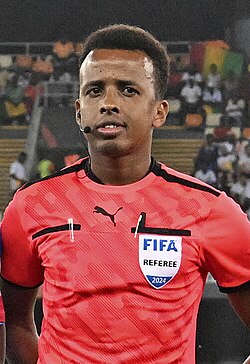
The most jarring case is Somali referee Omar Abdulkadir Artan. Named the Confederation of African Football’s best male referee of 2025, he was set to become the first Somali ever to officiate a World Cup.
When he landed at Miami International Airport on a Somali diplomatic passport carrying FIFA documentation, he was pulled into secondary inspection and then refused entry.
Customs and Border Protection said he was found “inadmissible due to vetting concerns” and offered no further explanation.
FIFA, which had reportedly told Artan days earlier that his visa issues were resolved, confirmed he will not be able to train or officiate and said host-country immigration decisions are out of its hands.
Somalia is one of the countries on the administration’s travel ban list. Artan has since been sent back to Istanbul.
Here’s an idea, FIFA: Do not offer a country the privilege of hosting the World Cup unless it respects the “world” part. A country cannot host if it won’t allow teams and their officials from all participating nations to attend.
Detained at the Gate
Artan is not alone. On Friday, two members of Iraq’s delegation — player Aymen Hussein and team photographer Talal Salah — were held at Chicago’s O’Hare airport.
Hussein was questioned for roughly seven hours before being let through.
Salah was held even longer, had his phone searched, and was eventually sent back home, with CBP again citing vague “vetting concerns.”
Iran’s experience has been the longest-running fight. Players received visas, but more than a dozen federation officials and support staff did not, including the federation’s president, secretary general, and vice president.
The Iranian National Football Team posted a video on social media with the caption: “The boys are ready to play despite all the obstacles…”
The team relocated its base camp from Arizona to Mexico and is allowed across the border only on game days. They’re required to return to Mexico immediately after a game.

Iran’s federation called the rejections “vindictive behavior” aimed at keeping out its key managerial staff.
A State Department official responded, stating that the necessary visas had been issued and that the U.S. “will not allow the Iranian team to abuse this system to sneak terrorists into the United States.”
Fans and Journalists Locked Out, too
The carveouts the administration created for athletes and coaches do not extend to fans.
The June travel order fully bars entry for citizens of 12 countries and partially restricts seven more. Haiti, another country on the full ban list, also qualified for the 2026 FIFA World Cup.
Travel Ban: List of Countries
- BAN
- Afghanistan
- Burkina Faso
- Chad
- Equatorial Guinea
- Eritrea
- Haiti
- Iran
- Laos
- Libya
- Mali
- Myanmar
- Niger
- Republic of Congo
- Sierra Leone
- Somalia
- South Sudan
- Sudan
- Syria
- Yemen
- PARTIAL BAN
- Angola
- Antigua and Barbuda
- Benin
- Burundi
- Ivory Coast
- Cuba
- Dominica
- Gabon
- Gambia
- Malawi
- Mauritania
- Nigeria
- Senegal
- Tanzania
- Togo
- Tonga
- Venezuela
- Zambia
- Zimbabwe
Fans from banned nations have been turned away, and others have faced visa bonds reported to run as high as $15,000 — an amount that prices working families out of attending.
Journalists are facing the same wall.
The International Sports Press Association wrote to FIFA about African and Iranian reporters who were denied entry or granted single-use visas that will leave them stranded outside the U.S. if they follow a team to Canada or Mexico.



Ahead of the tournament, more than 120 civil organizations issued a joint travel advisory urging visitors to plan for emergencies and “exercise caution” simply for showing up.
The Same Machinery, a Bigger Stage
The discretion that lets a border officer hold a photographer for ten hours or wave away a decorated referee with two words — “vetting concerns” — is the same discretion that powers the mass-deportation and detention system Resist Hate has covered all year.
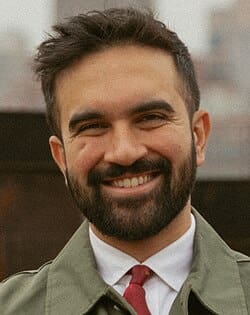
(Karamccurdy, CC BY-SA 4.0)
The 2026 FIFA World Cup just puts it in front of a global audience.
New York City Mayor Zohran Mamdani called the denials of visas to journalists and coaches “anathema to what this tournament is supposed to be about.”
Former England star Ian Wright, watching the news pile up, described it as a “World Cup of chaos.”
For the people caught in it, chaos is too gentle a word.
Omar Artan trained for a career to reach this moment and was sent home without a hearing.
A photographer lost his job at the 2026 FIFA World Cup over the contents of his phone.
They are the recognizable faces of a system that processes far less visible people the same way every day — and the World Cup hasn’t even started.