
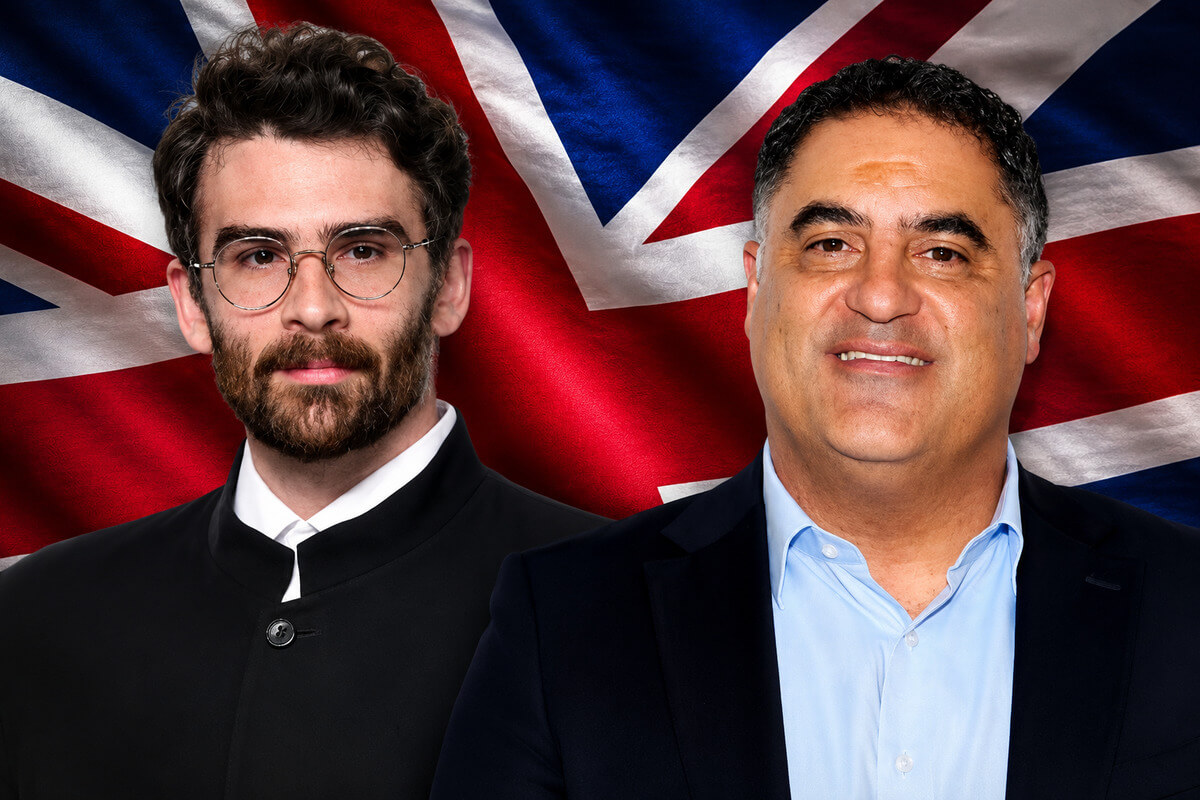

Two of the most-watched left-wing commentators in the United States were stopped at the airport this week — not by their own government, but by Britain’s. The UK banned Cenk Uygur and Hasan Piker.
Cenk Uygur, the co-host of the YouTube show The Young Turks, and his nephew Hasan Piker, the Twitch streamer known online as HasanAbi, said on Monday that the United Kingdom had blocked them from entering the country.
Both say the reason is simple: they criticize Israel.
The two were scheduled to appear this week at SXSW London, the first European edition of the Austin technology-and-culture festival, and to address the Oxford Union, the debating society at the University of Oxford.
Piker’s billed talk was about how the American left learned to communicate online.
Uygur’s was about the concentration of power in the tech economy. Neither session mentioned Israel.
What the government says — and what it won’t say
British officials canceled both men’s Electronic Travel Authorization, the permit that lets non-citizens visit for up to six months without a visa.
The Home Office’s public explanation was carefully empty:
Their presence “may not be conducive to the public good,” and such decisions rest “solely on an assessment of the potential risk an individual may pose to UK society.”
The statement did not name Israel, antisemitism, or any specific act.
Behind that bureaucratic language, British media filled in the blanks.
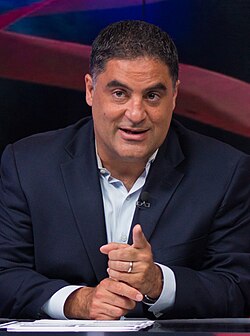
The Times of London reported that the decision to bar Uygur was understood to rest on several grounds, including the claim that his presence would “risk exacerbating antisemitism.”
Home Secretary Shabana Mahmood reportedly signed off on canceling the permits.
Uygur learned he was barred when he tried to board his flight.
“I’ve been banned for criticizing Israel,” he wrote on X, asking whether Western citizens are free anymore.
Cenk posted a video on YouTube about what happened to him at when he got home from the airport.

Piker put it more bluntly, posting that his visa had been revoked “at the behest of Israel.”
The Israeli government did not respond to requests for comment.
The word doing the heavy lifting
The honest center of this story is the gap between “criticizing a government” and “exacerbating antisemitism,” and how easily officials slide from one to the other.
Both men have said provocative things.
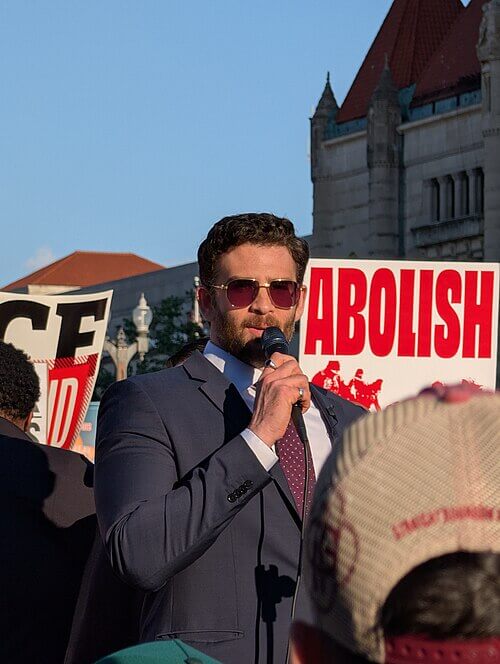
Piker, an outspoken defender of Palestinians under bombardment in Gaza, once said he would vote for Hamas over Israel and years ago made a remark about 9/11 that he later apologized for.
Uygur has made the contested claim that Israel exerts control over the American government through campaign donations from AIPAC.
Some people might disagree or find the claim offensive.

But that is exactly the point of free expression: the test is never the speech we like.
When a democracy reaches for its border controls to keep out commentators because their political views might “exacerbate” a social problem, it has stopped policing conduct and started policing opinion.
The category of “antisemitism” — a real and rising danger — becomes a container roomy enough to hold any sharp criticism of the Israeli state, and the people deciding what fits are government ministers.
A pattern that cuts both ways
This is not only a story about the left, and pretending otherwise would miss the danger.
Last month Britain barred 11 people it called “foreign far-right agitators,” who had been set to speak at an event organized by anti-Islam activist Tommy Robinson.
In April it blocked the rapper Ye over antisemitic posts.
British commentator Aaron Bastani, no ally of the far right, warned that the state will happily turn the same powers it uses on one side against anyone.
He is right. A power built to silence speech does not check your politics at the door.
There is a bitter irony in the timing, too.
Donald Trump and JD Vance have spent months lecturing Britain about free speech — even as their own administration has detained, questioned, and moved to deport students and visa-holders in the U.S. for pro-Palestinian expression.
The censorship is bipartisan and transatlantic, and the consistent target is criticism of one foreign government’s war.
Strip away the personalities, the YouTube numbers, and the X spats, and what’s left is a precedent.
Two democracies are increasingly treating opinions about Gaza as a security threat to be filtered at the border.
The names this week are Uygur and Piker, who have lawyers, platforms, and millions of viewers to make noise.
The next ones may not.
When the right to speak about a war depends on whether a minister finds your speech “conducive to the public good,” it is no longer a right at all.