
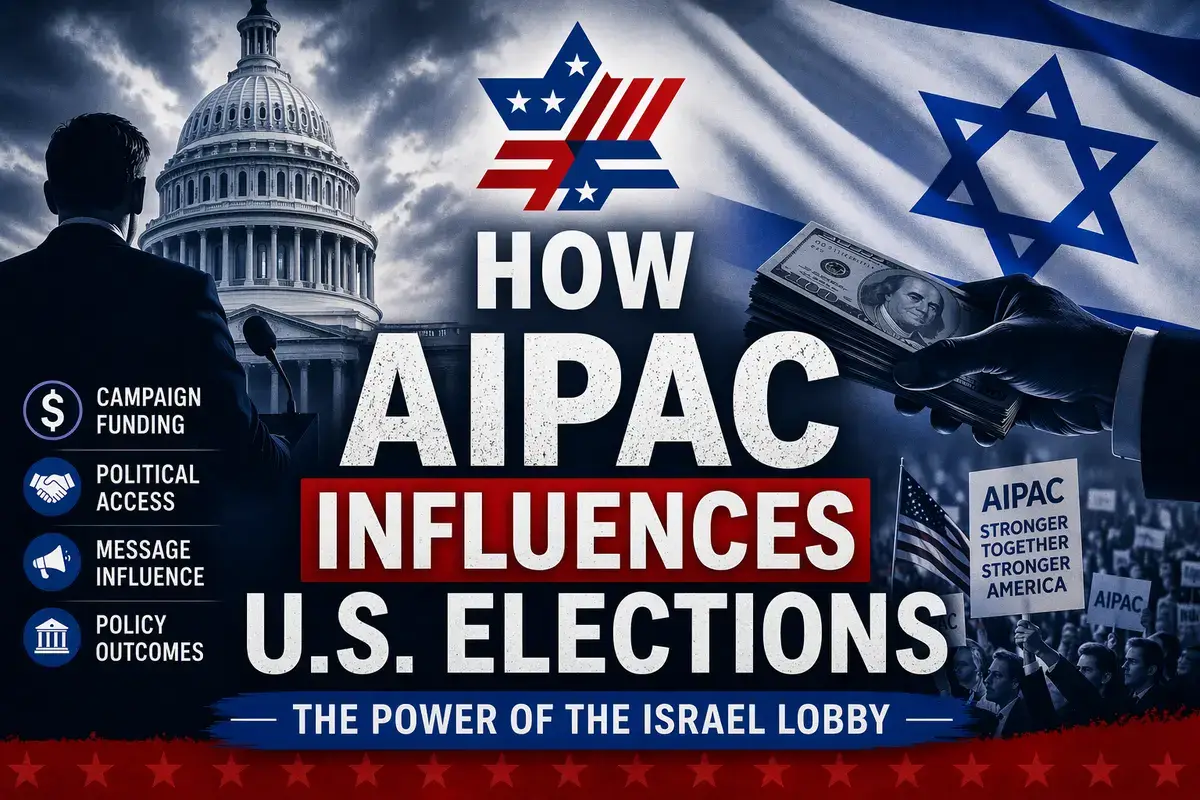

If you’ve watched a congressional primary in the last few years and wondered why an obscure super PAC with a patriotic name was flooding the airwaves with attack ads against a progressive Democrat, there’s a good chance you were watching AIPAC at work.
The American Israel Public Affairs Committee is the most powerful foreign-policy lobby in the United States. It is also, in recent cycles, one of the single largest sources of money in congressional elections—period.
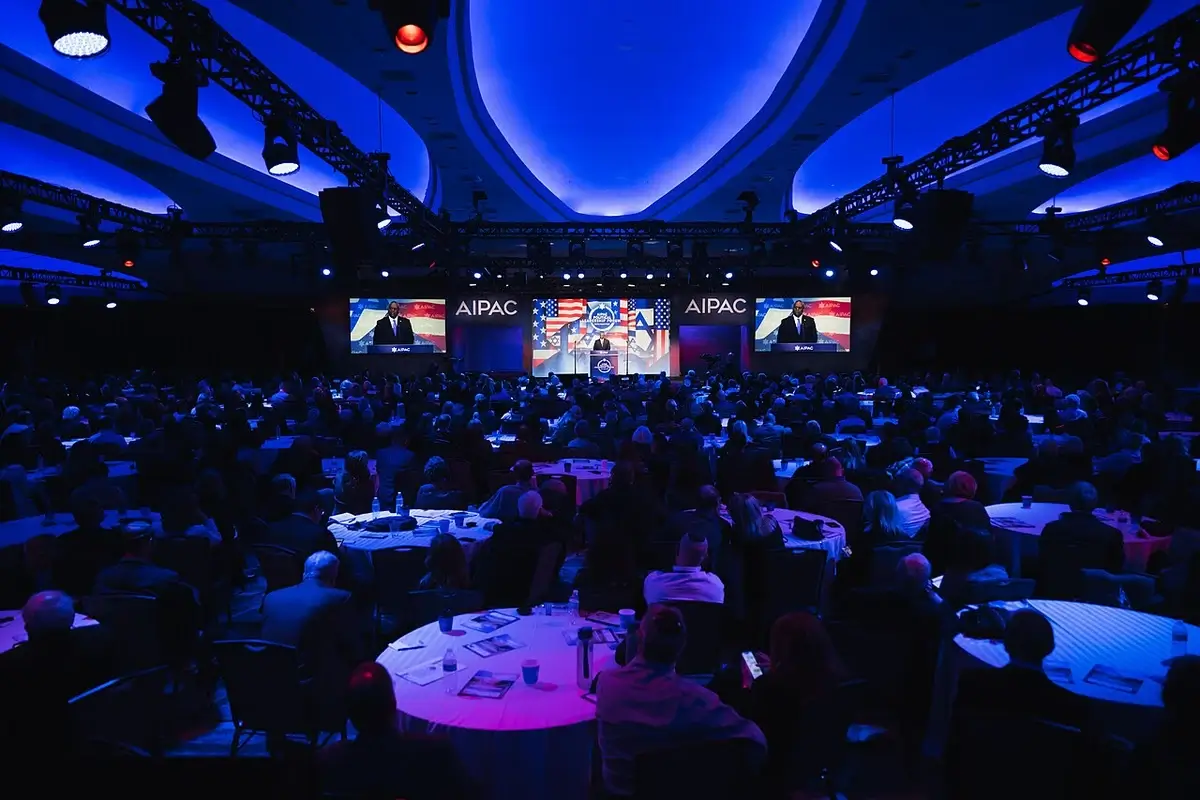
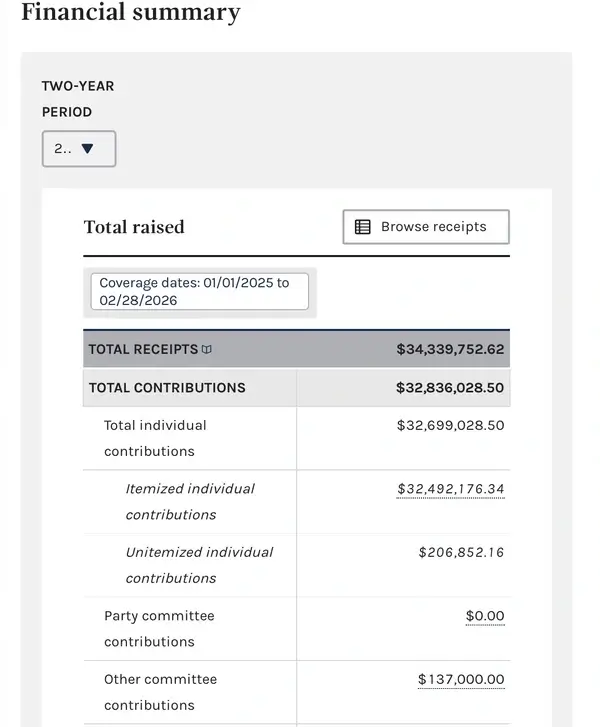
In 2024, AIPAC and its super PAC spent a combined $126.9 million to shape who sits in Congress, and 318 AIPAC-backed candidates won their races. That’s not a typo, and it’s not a fringe claim. It’s pulled directly from Federal Election Commission filings.
Here’s more on what AIPAC is, where it came from, and how it uses its money to move American foreign policy in one direction—no matter which party holds power.
Where Did AIPAC Come From?
AIPAC’s origin story is tied to a massacre.
In October 1953, Israeli soldiers attacked the Palestinian village of Qibya in the West Bank. More than 60 villagers were killed, and dozens of homes, a school, and a mosque were destroyed with dynamite. The international condemnation was severe enough that American supporters of Israel organized a formal response.
The group was founded in 1954 by Isaiah L. “Sy” Kenen, originally a public relations specialist for Israel’s Ministry of Foreign Affairs.
It was first called the American Zionist Committee for Public Affairs, and its job was straightforward: lobby Congress directly for aid to Israel, going around a State Department that was often skeptical.
There’s a piece of this history that rarely gets mentioned in mainstream coverage. In 1963, the Kennedy Justice Department ordered the American Zionist Council—AIPAC’s parent group—to register as a foreign agent of Israel under the Foreign Agents Registration Act.
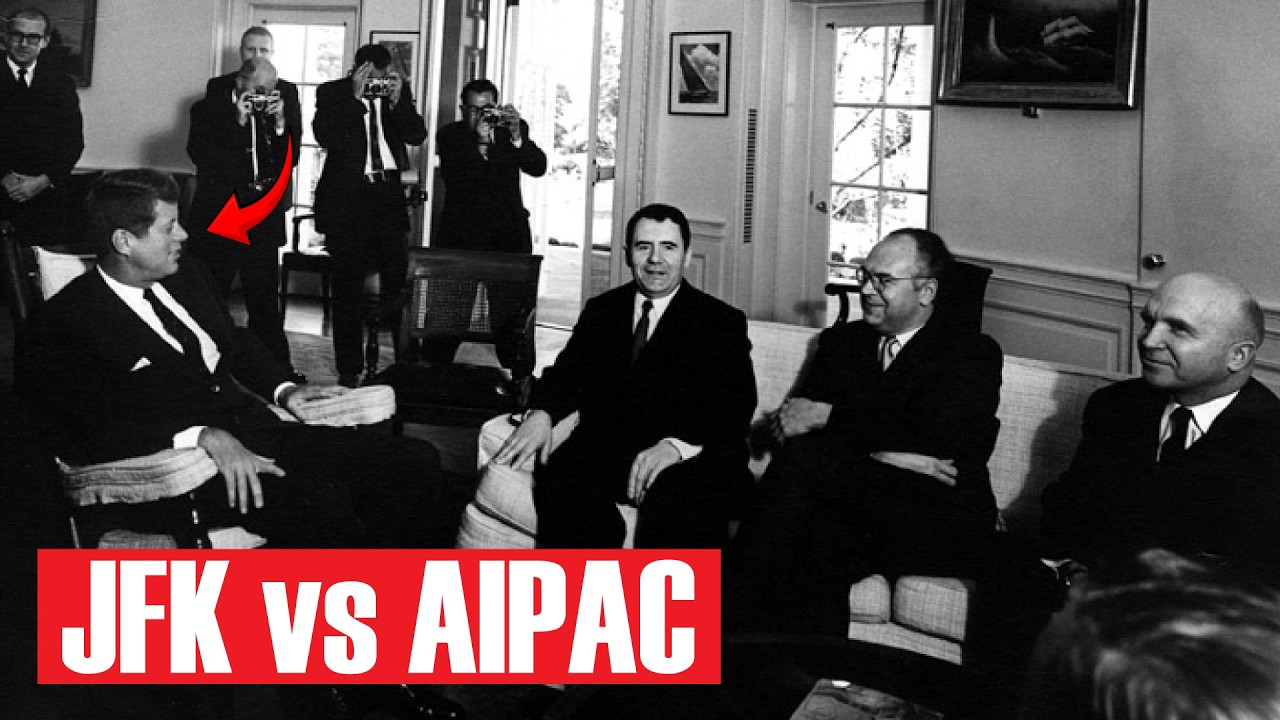
Kenen restructured the lobbying operation as AIPAC to avoid that requirement. The group has operated as a domestic lobby ever since, not a registered foreign agent, despite its singular focus on the foreign policy of another country.
AIPAC grew slowly for its first two decades, then exploded after the 1973 Yom Kippur War (Arab-Israeli war). By the 1980s, it was a fixture in Washington.
Today, the Israel lobby claims over 5 million grassroots members and runs a political operation that dwarfs most domestic issue groups.
What Does AIPAC Actually Do?
AIPAC has three main functions, and understanding them explains why the organization has so much reach.
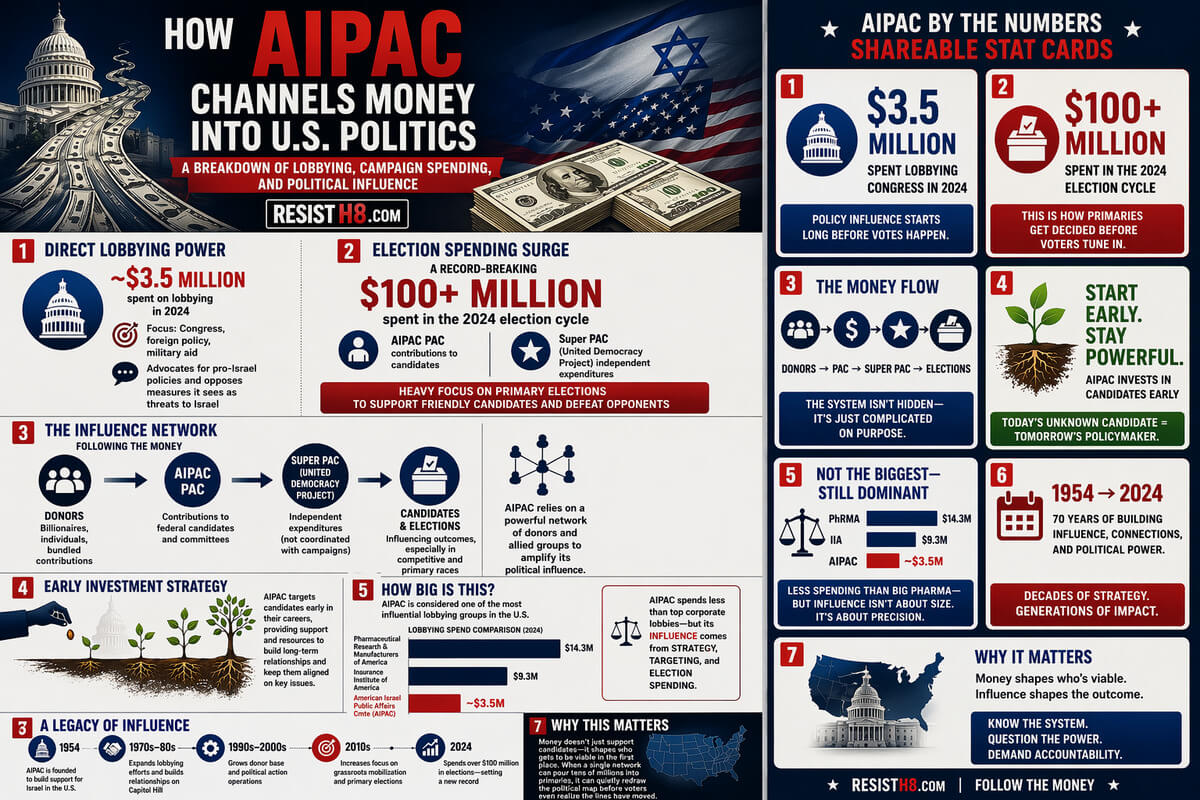
Direct Lobbying. AIPAC is the main organized voice pressuring Congress to pass pro-Israel legislation—military aid packages, weapons sales (or gifts), sanctions on Israel’s adversaries, and resolutions condemning critics.
It spent $3.3 million on federal lobbying in 2024 alone and employs 11 registered lobbyists. Several of them previously worked in government, the classic revolving door.
Shaping the Political Class. AIPAC runs trips to Israel for members of Congress, congressional staff, journalists, and state legislators. These are guided tours—Israeli officials, Israeli perspectives, Israeli talking points. For many newly elected members, an AIPAC-sponsored trip is their first real introduction to the region.
Elections. This is the piece that has changed American politics most dramatically in the last few years, and it’s where the real money lives.
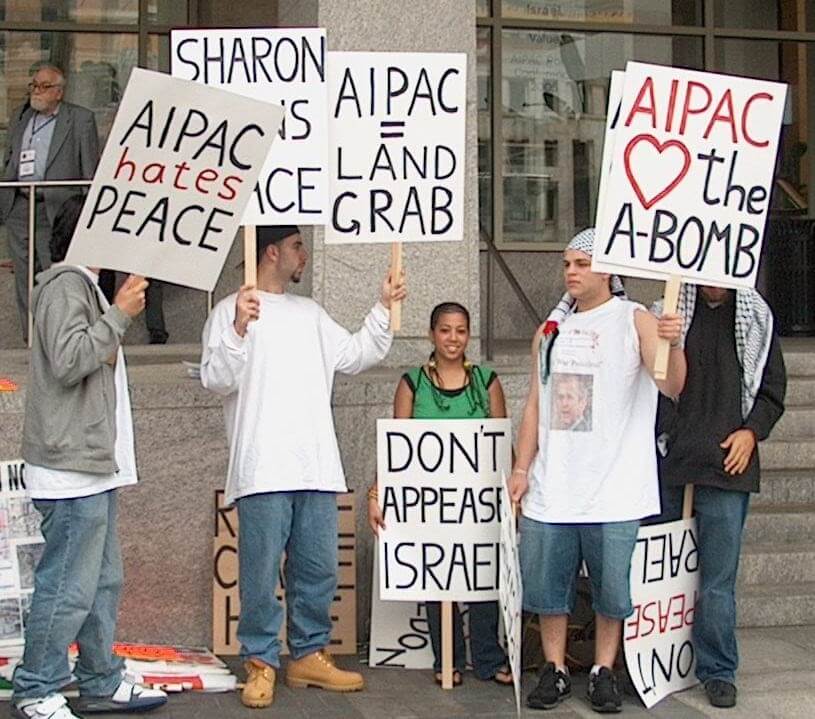
How AIPAC Influences U.S. Elections With Millions
For most of its history, AIPAC did not directly fund candidates. That changed in late 2021, when the organization created two new political vehicles:
AIPAC PAC — a traditional political action committee that donates directly to candidates. Federal law limits it to $5,000 per candidate per election, but AIPAC bundles contributions from thousands of wealthy donors through it. In the 2024 cycle, AIPAC PAC contributed $51.8 million to federal candidates, making it the single largest PAC contributor to members of Congress.
No other single-issue PAC comes close.
United Democracy Project (UDP) — AIPAC’s super PAC, launched in January 2022. Under the Supreme Court’s Citizens United decision, super PACs can raise and spend unlimited amounts on “independent expenditures”—ads, mailers, digital buys—as long as they don’t “coordinate with campaigns.” UDP has become one of the highest-spending super PACs in the entire country. It raised $87 million for the 2024 cycle and spent $37.9 million on independent expenditures alone.
Put those numbers together and you get the $126.9 million figure. For context, that’s more than many presidential campaigns have spent in entire primary seasons!


Who Funds the Israel Lobby?
Here’s where things get uncomfortable for Democrats who take AIPAC money.
UDP’s largest individual donors in the 2024 cycle included Jan Koum (WhatsApp co-founder) at roughly $7.4 million, Miriam Adelson (the Republican megadonor and Trump backer) at $5 million, Paul Singer (hedge-fund billionaire, longtime Republican financier), Bernie Marcus (Home Depot co-founder, Trump donor, and funder of anti-union groups), and Robert Kraft’s company, which gave through the Kraft Group.
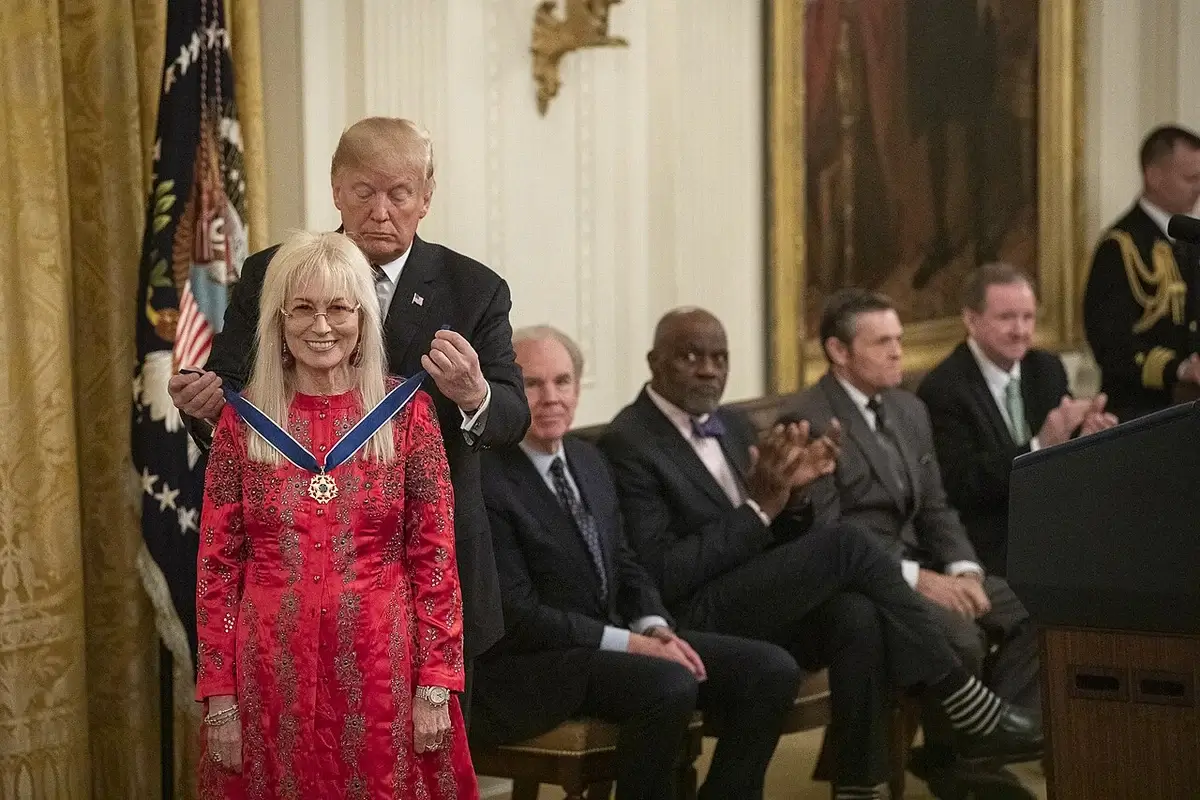
Most of AIPAC’s super PAC money comes from Republican billionaires, and much of it is spent inside Democratic primaries. That’s the core mechanic: Republican donors funding ads that defeat progressive Democrats, usually without ever mentioning Israel in the ads themselves.
Critics—including J Street, a pro-Israel group that supports diplomacy—have called this an existential threat to the Democratic Party. It’s not hard to see why.
The Primaries AIPAC Has Decided
Since launching its super PAC, AIPAC has used it to target progressive members of Congress who criticized Israel’s conduct. The pattern is consistent.
In 2022, the lobby helped defeat former Rep. Andy Levin, a self-described Zionist Jew whose sin was supporting conditions on military aid to Israel.
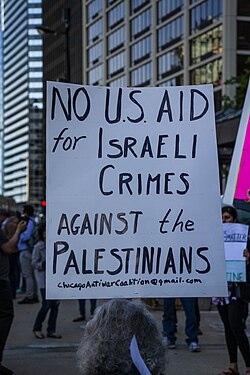
In 2024, UDP spent $14.7 million in a single House race—the New York primary between Rep. Jamaal Bowman and George Latimer. That made it the most expensive House race in American history by outside spending. Bowman had called Israel an apartheid state. He lost.
In Missouri, UDP spent more than $8 million to oust Rep. Cori Bush, another outspoken critic of the war on Gaza. She lost too.
AIPAC also endorsed more than 100 Republican election deniers who voted against certifying the 2020 presidential election. The group’s defenders argue this is pragmatism: support anyone, from any party, who votes the right way on Israel. Critics argue that bankrolling candidates who tried to overturn a democratic election—while claiming the mantle of “democracy” in your super PAC’s name—is a moral line that should not be crossed.
In the 2026 primary cycle, AIPAC has adjusted its strategy. After its brand became toxic among Democratic grassroots voters, the lobby began routing money through shell PACs with names like “Elect Chicago Women” and “Chicago Progressive Partnership” to disguise its involvement. In the March 2026 Illinois primaries, AIPAC-tied groups spent $5.8 million in a single 9th District race and nearly $4 million in another.
Editor’s note: This is not good. The Left has discussed not voting for candidates receiving AIPAC money. However, with shell PACS called “Chicago Progressive Partnership” and “Elect Chicago Women,” conversations about how we’re going to vet every PAC we’re unfamiliar with in case it’s “AIPAC in disguise,” need to start happening—preferably before the 2026 midterm elections.
Why This Matters
AIPAC’s spending isn’t just about Israel. It’s about what one well-funded foreign-policy lobby can do to a democracy when campaign finance law allows unlimited outside money.
Members of Congress know that criticizing Israel’s military conduct—even as civilians die in Gaza, Lebanon, and Iran—can trigger a multi-million-dollar campaign against them. That knowledge shapes votes, shapes floor speeches, shapes what lawmakers are willing to say publicly. It produces the near-total congressional silence that has accompanied some of the gravest humanitarian crises of our time.

CC BY-SA 3.0)
A new pro-Palestine super PAC called American Priorities launched in February 2026 to counter AIPAC’s spending, pledging at least $10 million for the midterms. It’s a start. But $10 million against $127 million is not a fair fight, and it shouldn’t have to be a fight at all.
The ordinary people on both sides of a war—Palestinian families in Gaza, Lebanese civilians, Iranian families, Israeli hostages’ relatives, Americans sent to fight in a region their grandparents never asked to occupy—rarely have lobbyists. They have grief, and they have their voices, and they have elections that are supposed to translate those voices into policy.
When a single lobby can spend $127 million to decide who gets to speak for them in Congress, the translation is in a different language.