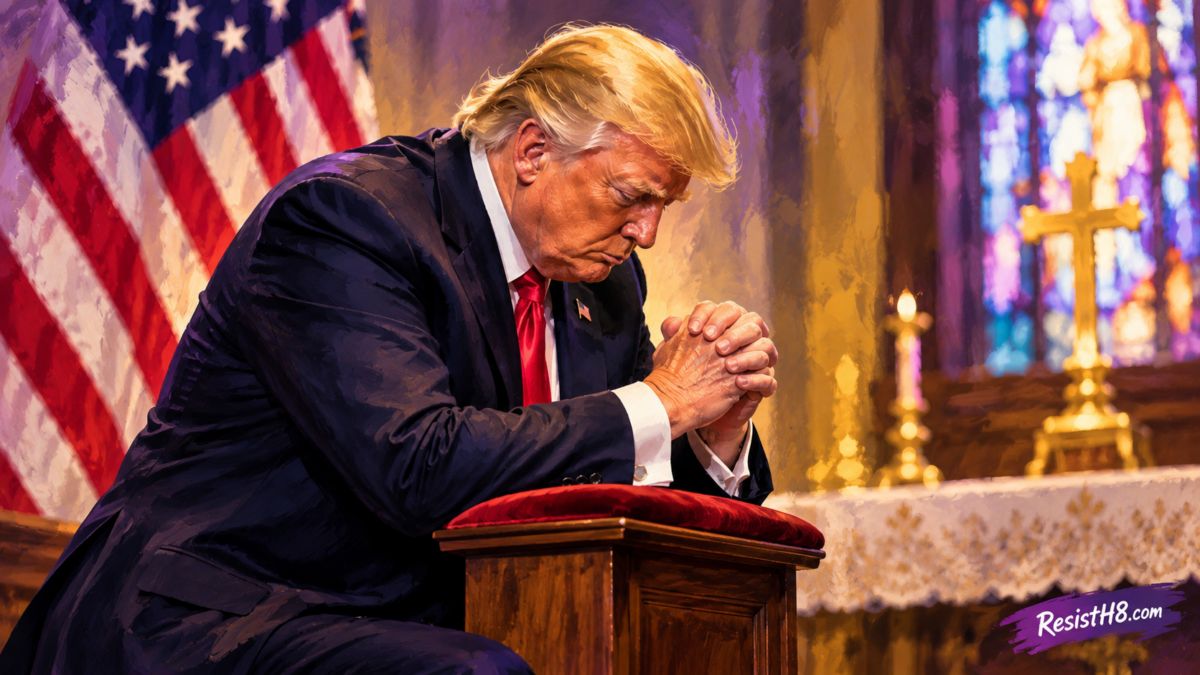

Religious political ideology is becoming more common among MAGA Republican politicians and their voters. In Congress, it’s a major factor in the selection of Supreme Court Justice nominees. appointments (Ziklag, Federalist Society).
Republican politicians would deny associations with Christian nationalists in the past. Today, they defend religious extremists and embrace Christian nationalism
What impact could Christian nationalism in the Trump administration have on Americans? On democracy?
In July 2024, Republican Sen. Josh Hawley of Missouri stood at the podium of the National Conservatism Conference in Washington and said the quiet part out loud.
"Some will say now that I am calling America a Christian nation. And so I am," he told the crowd. "And some will say that I am advocating Christian nationalism. And so I do."
He went on to claim that "Christian nationalism founded American democracy."
Two years later, that idea left the conference stage and moved into the White House. In April 2026, the woman who runs the White House Faith Office compared President Trump to Jesus at an Easter lunch.
On September 30, Defense Secretary Pete Hegseth announced a new Office of Religious Affairs at the Pentagon and told troops the department was "putting on the full armor of God."
- What is Christian nationalism?
- Many Christians want no part of it
- Where did Christian nationalism come from?
- The playbook
- Moral crusaders, moral failures
- The courts: Where the damage is made to last
- Inside the White House and the Pentagon
- This isn't just an American problem
- Now What?
- Why this matters to all of us
- FAQs
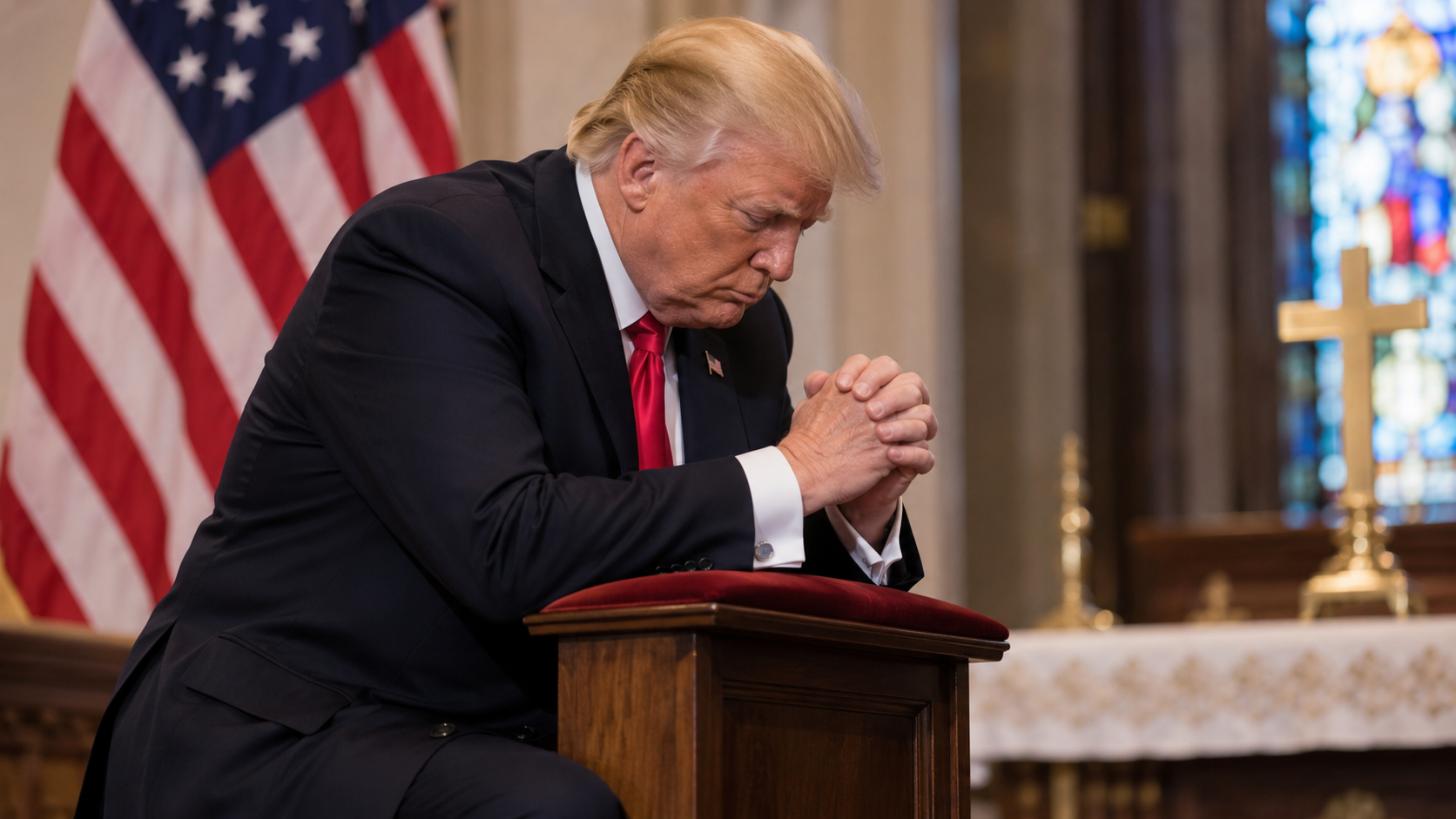
So what is Christian nationalism? Here's what it is, where it came from, and why it affects you even if you don’t go to church.
What is Christian nationalism?
Christian nationalism is not the same as being a Christian who loves their country. Millions of Americans are both, and there's nothing wrong with that.
It’s a political ideology that believes this country was founded as a Christian nation, so its laws, schools, and government should favor Christianity (A more conservative, fundamentalist interpretation).
With this perspective, being a "real American" and being a Christian are the same thing.
The coalition Christians Against Christian Nationalism describes it this way: An ideology that "demands the State privilege Christianity and implies that to be a good American, one must be Christian."
You can see it in impactful decisions:
- In February 2024, the Alabama Supreme Court ruled that frozen embryos are children under state law. Chief Justice Tom Parker wrote that human life cannot be destroyed "without incurring the wrath of a holy God." IVF clinics paused treatment until lawmakers rushed to pass a law protecting them.
- The 2022 decision that overturned Roe v. Wade was the payoff of a 50-year campaign led largely by the evangelicals.
- The same movement drives efforts to roll back LGBTQ+ rights and to ban or remove books from school libraries.
The thread running through it all: one group's religious beliefs should be everyone’s law.
Many Christians want no part of it

Some of the loudest critics of Christian nationalism are Christians. The same way that a lot of Jewish-Americans are against Zionism and Israel’s occupation of Palestine and the West Bank (as well as the genocide, of course).
The Christians Against Christian Nationalism statement, started in 2019 by the Baptist Joint Committee, says the ideology distorts "both the Christian faith and America's constitutional democracy."
It warns that Christian nationalism "often overlaps with and provides cover for white supremacy and racial subjugation."
The statement also calls mixing religious authority with political authority "idolatrous." That's their word, not mine. Nearly 50,000 Christians have signed it.
Plenty of devout believers see Christian nationalism for what it is: a power grab in church clothing.
Where did Christian nationalism come from?
The ideology is old. The Puritans who settled New England in the 1600s believed they had a special covenant with God (like the Netanyahu government’s claim that God promised them land 3,000 years ago?). Revivals like the First Great Awakening in the 1700s kept that belief alive.
The political movement we see today took shape in the 1970s. In 1977, singer Anita Bryant led a campaign called Save Our Children to repeal a gay rights law in Miami-Dade County.
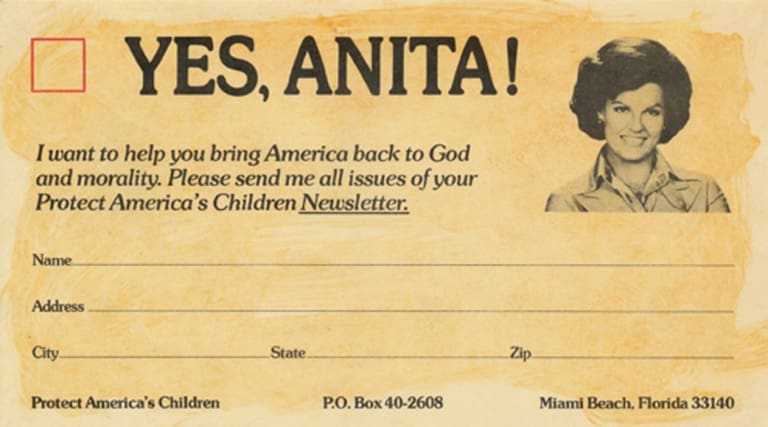
It worked. Conservative churches now knew how much power they had at the ballot box.
In 1979, televangelist Jerry Falwell founded the Moral Majority to organize evangelical voters. Ronald Reagan rode that coalition into the White House the following year.
The religious Right has been a pillar of the Republican Party ever since.
Then came Donald Trump. About 8 in 10 white evangelical voters backed him in 2016, and that loyalty has held through every scandal since.
The playbook
If you've been following American politics over the last few years, everything in this list will feel familiar.
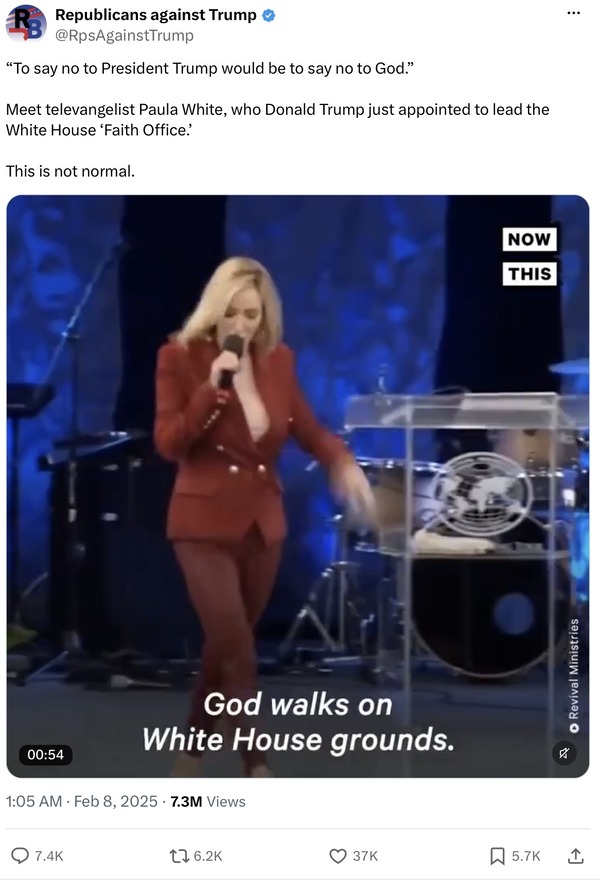
✝️A chosen leader. The movement treats its favorite politician as God's pick, so criticizing him becomes a sin. Paula White, who now runs the White House Faith Office, once said "to say no to President Trump would be saying no to God." She repeated it in April 2026.✝️Us versus them. You're either a defender of faith and nation, or you're the enemy. Political opponents aren't just people who disagree. They're threats to the soul of the country.✝️A persecution story. About 62% of American adults call themselves Christian. Yet in 2025, Trump created a federal task force to root out "anti-Christian bias." Its 200-page report came out in April 2026. A group that makes up most of the country, most of Congress, and the president's base is not a persecuted minority. But feeling under attack keeps them angry and motivated to vote.✝️Rewriting history. Christian nationalists push a version of the past where the founders wanted a Christian government. In 2025, the Pentagon's anti-"DEI" purge took down pages honoring Jackie Robinson, the Navajo Code Talkers, and the Tuskegee Airmen. Public outrage forced officials to put them back.✝️Religion in public schools. Oklahoma's former superintendent Ryan Walters ordered public schools to keep a Bible in every classroom for grades 5 through 12. It couldn’t be just any Bible, though. Walters attempted several times to spend $3 million in taxpayer funds to purchase the Bibles. In the end, his agency ordered 532 “Trump Bibles” for $25,000. He resigned in September 2025, and his successor, Lindel Fields, dropped the Bible mandate a month later.
Texas and Louisiana went even further. Both passed laws requiring a Protestant version of the Ten Commandments in every public school classroom. A federal judge first blocked Louisiana's law, and a three-judge appeals panel called it "plainly unconstitutional."
Then in 2026, the full Fifth Circuit Court of Appeals let Louisiana's law take effect and upheld Texas's law by a single vote, 9-8.
The Supreme Court struck down a nearly identical Kentucky law in 1980. Now Christian, Jewish, Hindu, Baha'i, and nonreligious families are asking the justices to hear their case.
Moral crusaders, moral failures
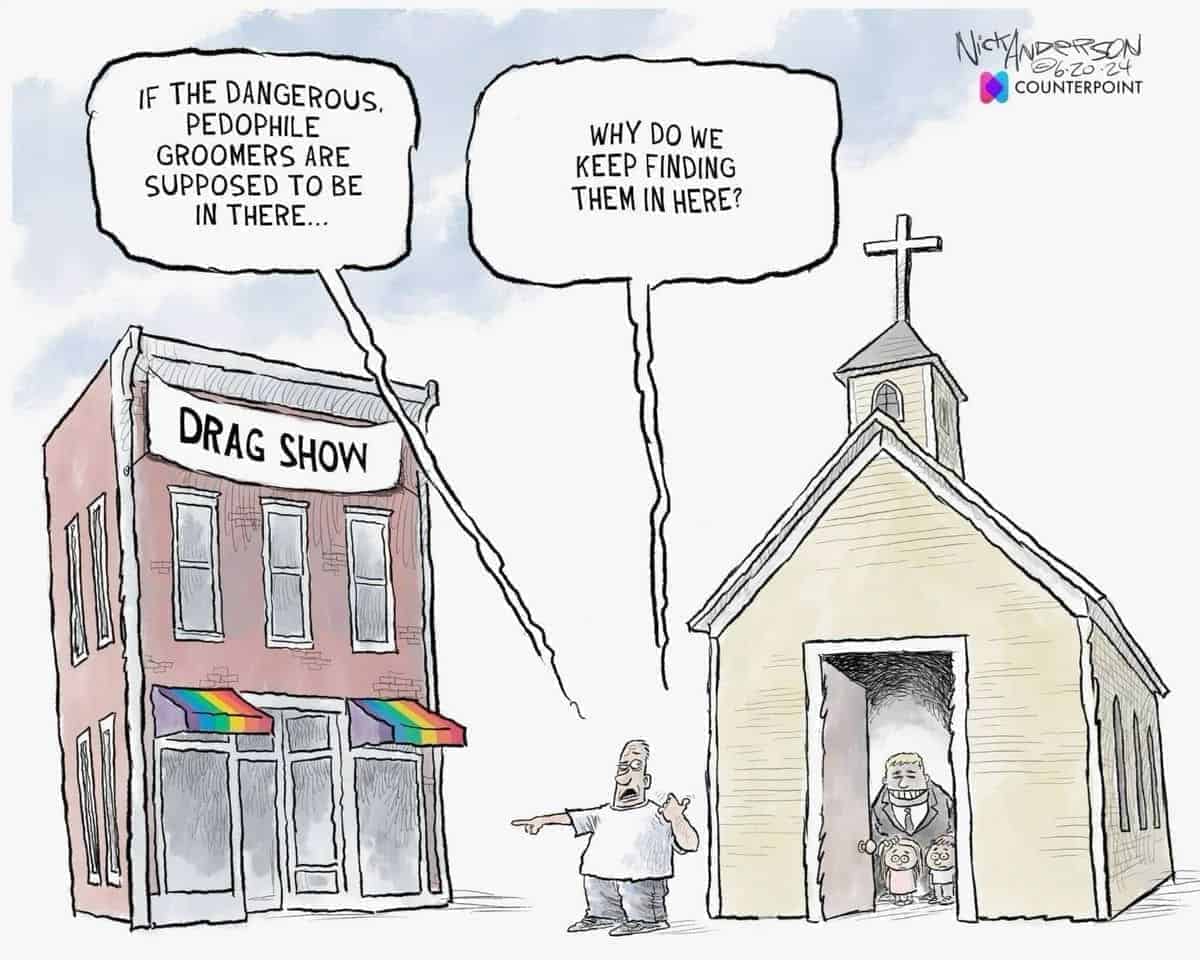
The people who want to police everyone else's morals have a hard time policing their own.
In 2022, an independent investigation found that leaders of the Southern Baptist Convention, the country's largest Protestant denomination, kept a secret list of hundreds of accused abusers for more than a decade.
Investigators found no sign that anyone acted to keep those men away from churches.
In 2018, a Pennsylvania grand jury found that more than 300 Catholic priests had abused over 1,000 children in six dioceses while church leaders covered it up.
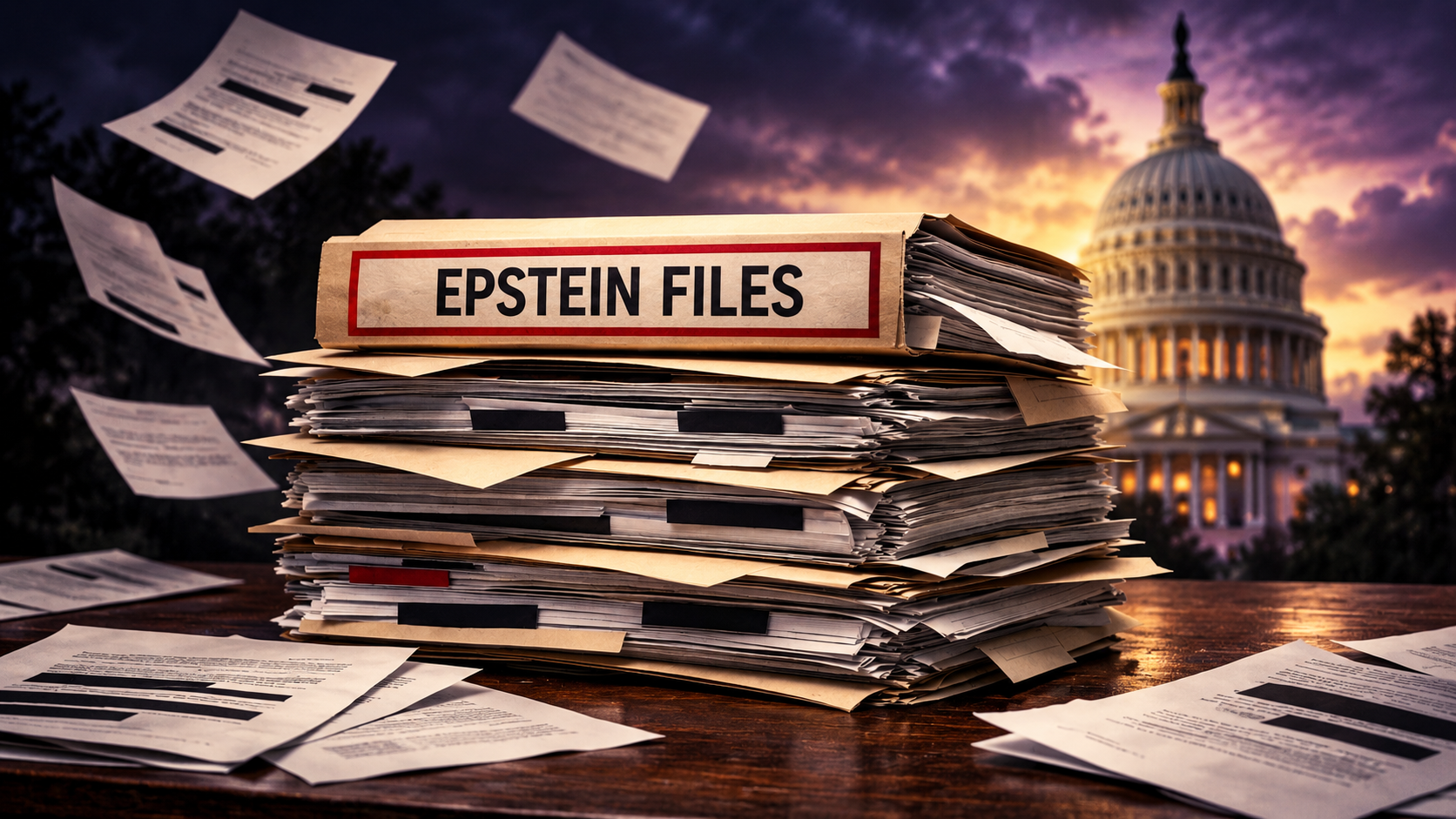
And then there are the Epstein files. The president that evangelical leaders call God's chosen fought their release until Congress forced his hand with the Epstein Files Transparency Act. The Justice Department has since declared it released them, even though millions of pages are still not public by its own count.
The courts: Where the damage is made to last
Laws can be repealed. Lifetime judges are much more difficult to get rid of.
The religious Right spent decades putting like-minded judges on the bench. The big payoff came in 2022 with the end of Roe. In its 2025-26 term, the Supreme Court also:
✝️Sided 8-1 with a Christian counselor who challenged Colorado's ban on conversion therapy for minors, putting similar bans in other states at risk.✝️Blocked California's policy of keeping a student's gender transition private from parents, siding with religious parents.
More fights are in line. In 2025, the court deadlocked 4-4 on whether taxpayers can fund a religious charter school in Oklahoma, because Justice Amy Coney Barrett sat out. New religious charter cases are already headed back to the court. The Ten Commandments case is waiting, too.
These justices serve for life. The choices they make now will affect civil rights, schools, and healthcare for a generation.
Inside the White House and the Pentagon
In February 2025, Trump created the White House Faith Office and put televangelist Paula White in charge.
At an Easter lunch on April 1, 2026, she compared Trump to Jesus. She told him that, like Christ, he had been "betrayed and arrested and falsely accused," and "because of His resurrection, you rose up."
Prior to that, she said, “To say no to President Trump would be to say no to God.”
The Pentagon has gone even further.
Hegseth belongs to a church network founded by Idaho pastor Doug Wilson, a self-described Christian nationalist who believes husbands should vote for their households. Hegseth started monthly Christian worship services inside the Pentagon in 2025 and invited Wilson to preach at one in February 2026.
Days after the U.S. and Israel attacked Iran on February 28, the Military Religious Freedom Foundation received more than 200 complaints from troops. They said commanders told them the war was part of God's plan for Armageddon.
One complaint said a commander claimed Trump "has been anointed by Jesus to light the signal fire in Iran to cause Armageddon and mark his return to Earth."
At a Pentagon service in March, Hegseth prayed: "Let every round find its mark against the enemies of righteousness and our great nation."
This year, the Pentagon also cut its list of recognized religions from about 200 to 31. Twenty-two of the 31 are Christian. Atheists, humanists, and pagans disappeared from the list.
Then came the new Office of Religious Affairs, which reports straight to Hegseth. Its funding priorities include "faith-based homeschool support for military families."
Roughly 3 in 10 troops don't identify as Christian. Every one of them swore an oath to the Constitution, not to a church.
This isn't just an American problem
Hungary
For 16 years, Prime Minister Viktor Orbán cast himself as the defender of Christian Europe while he rewrote the constitution, helped allies take over most of the media, and banned Pride marches.
American conservatives viewed him as a hero. Trump endorsed him, and Vice President JD Vance flew to Budapest to campaign for him days before the April 2026 election.
Hungarian voters said no regardless. Péter Magyar's Tisza party won more than two-thirds of parliament, with the highest turnout since the fall of communism.
In June, the new parliament passed an eight-year term limit to keep Orbán away from government and power.
Brazil
Former President Jair Bolsonaro built his base on evangelical voters. After he lost in 2022, he plotted to stay in power, and Brazil's Supreme Court sentenced him to more than 25 years in prison.
Trump retaliated by imposing a 50% tariff on Brazil as punishment. The U.S. Supreme Court struck those tariffs down in February 2026, so Trump imposed new ones under a different law.
Brazil votes on October 4. Bolsonaro's son Flávio is running neck and neck with President Lula da Silva, and his strongest supporters are evangelicals.
Poland
In 2019 and 2020, towns and regions covering about a third of Poland declared themselves "LGBT-free zones," cheered on by the ruling party and leading Catholic clergy.
Many ended up getting scrapped after pressure from the European Union.
History gives us darker examples.
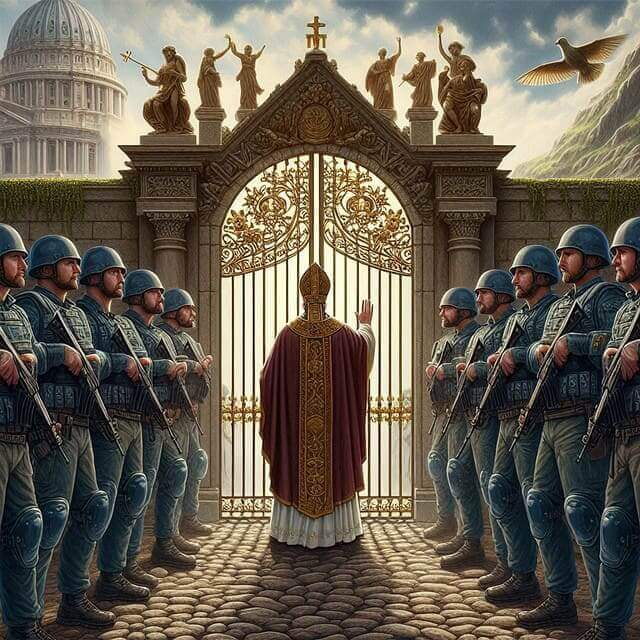
Spanish dictator Francisco Franco ruled for nearly 40 years under a system called "National Catholicism," with the Catholic Church as his partner.
In South Africa, the Dutch Reformed Church used the Bible to defend apartheid until 1986. It didn't call apartheid a sin until 1989.
Now What?
Christian nationalists can read the numbers. According to Pew Research Center, the share of Americans who call themselves Christian fell from 78% in 2007 to 62% today.
The drop has leveled off since 2019, but young adults are less religious than their parents, and that doesn'tchanged as they get older.
That's what makes this moment dangerous. A movement that believes it's losing power will act fast to lock in power inside the judiciary, in state election offices, and by putting more of its allies in positions of power.
Vance spelled out that plan in a 2021 podcast interview. His advice for Trump: "Fire every single midlevel bureaucrat, every civil servant in the administrative state, replace them with our people." And if the courts object, he said, defy them.
Project 2025 has a similar objective: fire all government workers and replace them with people vetted for loyalty to the administration. Heritage Foundation vetted each applicant for ‘sufficient loyalty,’ adding qualified applicants to the personnel database found in Project 2025.
The White House misses an irony. A report from evangelical and Catholic groups found that about 80% of immigrants at risk of deportation are Christians, most of them Catholic.
1 in 12 Christians in America is at risk of deportation or lives with someone who is. The Trump administration is deporting some of the most faithful churchgoers in the country. This is happening at the same time that they’re complaining about anti-Christian bias.
But Hungary proves none of this is permanent. Orbán had 16 years, the media, his own constitution, and the full backing of the White House. He still lost when people showed up to vote.
Why this matters to all of us

Christian nationalism isn't a culture-war talking point. It's a direct threat to the separation of church and state, to the civil rights of anyone who doesn't fit its definition of a "real American," and to democracy itself.
Whether you're a person of faith or an atheist, this affects you. When one group mandates its beliefs onto everyone through laws, freedom dies.
The most vulnerable groups in society lose their rights first. Eventually, everyone loses the rights of a democratic society.
The answer isn't to blame religion. It's to keep religious beliefs where they belong: in our hearts, our homes, and places of worship. Not in our courtrooms, our classrooms, or our government.
Wanna dig even deeper into this administration? Read our 10 Warning Signs of Fascism, our detailed chapter-by-chapter explanation of what’s in Project 2025, our collection on the psychology of Trumpism, or our reporting on the results of a study on MAGA Psychology.
FAQs
What is Christian nationalism? (Explain it to me like I'm 5)
Christian nationalism is the political belief that America is a Christian nation and that its laws and government should favor Christianity. It treats being Christian as part of being a "real American."
Is Christian nationalism the same as Christianity?
No. Christianity is a religion. Christian nationalism is a political ideology, and many Christians reject it.
Is Christian nationalism new?
No. Its roots go back to the Puritans. The modern movement took shape with the Moral Majority in 1979 and has grown much more open since 2016.
How does Christian nationalism affect the law?
It shapes laws and rulings on abortion, IVF, LGBTQ+ rights, and religion in public schools, like the Texas and Louisiana Ten Commandments laws.
Does Christian nationalism exist in other countries?
Yes. Similar movements have gained power in Hungary, Brazil, and Poland. In Hungary, voters ousted Viktor Orbán in April 2026 after 16 years in power.