
How do the strategists feel about their “strategy” of moving the Party to the center now that Progressives are winning with the same policy proposals and causes that were blamed for the loss in 2024?
Are these “strategists” so blind that they do not see how Harris; refusing to allow a Palestinian-American to speak at the DNC, not budging on the talking point that “Israel has the right to defend itself,” campaigning with Dick and Liz Cheney, saying she would make our military the “most lethal” fighting force on earth, doing nothing to separate herself from Biden, turning down the interview on Joe Rogan’s podcast, and choosing not to respond to claims in the Trump campaign’s “She’s for they/them” attack ad, might have contributed to the loss?
A little over a year ago, after the 2024 “shellacking” of the Democratic party, the conventional wisdom was that the left was finished. Party strategists blamed progressive causes for the losses and determined the safe bet was for the party to move to the center [right].
Instead, the opposite happened. From New York City to California's farm country, candidates running on economic populism, affordability, and a willingness to stand up to Donald Trump are winning — and not just in the bluest corners of the map.
The winning streak for progressive candidates’ began in November, when Zohran Mamdani defeated Andrew Cuomo to become mayor of New York City. It hasn't slowed down since.
Progressives are winning despite the long history of sabotage from their own side. Progressive candidates like Bernie Sanders and Nina Turner have experienced it themselves.
When a Progressive runs, they face attacks from corporate media and the beltway press. The Democratic establishment will pour money into the campaign of a corporate Democrat in the race. If there isn’t one, they will find someone to run.
How else do you reconcile a candidate who gives speeches like the one in the ad below losing to a billionaire and corporate donor-backed politician promising the status quo in Congress?

In June alone, progressives swept Washington, D.C., flipped a Senate primary in Maine, and advanced in a competitive House district in California's Central Valley.
So why is this happening? As The New Republic's Perry Bacon laid out, it's partly the establishment's own unforced errors — backing tired, well-funded candidates who couldn't connect with voters — and partly the left getting sharper.
Progressives stopped leading with slogans that turned voters off and started leading with the things people actually feel at the kitchen table: rent, childcare, utility bills, and the sense that the system is rigged for billionaires.
Many of them can also speak plainly about opposing Israel's atrocities in Gaza at a time when most Democratic voters want exactly that, while establishment-backed opponents who take AIPAC money tie themselves in knots.
Here's a look at some of the people winning right now.
Progressives Who Just Won
Zohran Mamdani — New York. The catalyst. A 34-year-old democratic socialist and former state assembly member, Mamdani won the mayoral race with just over 50% of the vote, becoming the city's first Muslim and first South Asian mayor and its youngest in generations.
He ran almost entirely on affordability — freezing the rent, free buses, universal childcare — and took office January.

Janeese Lewis George — Washington, D.C. A Ward 4 councilmember and former prosecutor, Lewis George won the city's Democratic mayoral primary by double digits in D.C.'s first-ever ranked-choice election, with her opponent conceding the race. Her platform centered on cutting childcare costs, reining in utility bills, and building more housing. Trump publicly threatened to "take back Washington" if she won; she said the threats only helped her.
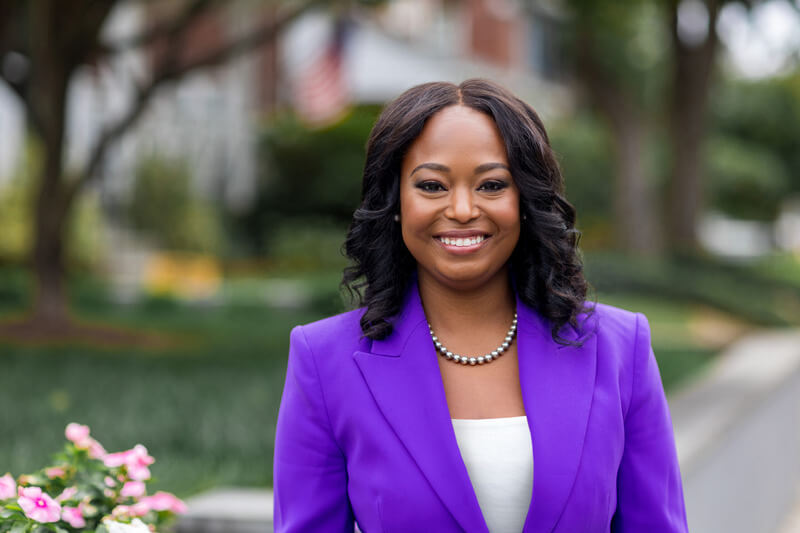
Robert White — Washington, D.C. The at-large councilmember won the primary for D.C.'s congressional delegate seat with 63% of the vote, succeeding Eleanor Holmes Norton, who is stepping down after three decades.
Aparna Raj — Washington, D.C. A tenant organizer and former local Democratic Socialists of America chair, Raj led the Ward 1 council race with 47%, consolidating support from the city's labor and progressive groups in an open-seat contest.
Oye Owolewa — Washington, D.C. D.C.'s "shadow representative" to Congress, Owolewa led a crowded nine-way at-large council primary with the backing of numerous progressive organizations.
The pattern is hard to miss: in D.C.'s most competitive races, left-leaning candidates either won outright or led by significant margins, while the more moderate, establishment-backed options fell short.
Progressives Are Winnjnvt! Here are the Races to Watch
The wave isn't done. Several of the most important contests are still ahead — and a few of them are in genuinely purple territory, which is what makes them worth watching.
- Graham Platner — Maine (U.S. Senate). A combat veteran and oyster farmer who'd never run for office, Platner won Maine's Democratic Senate primary on June 9 after the establishment favorite, Gov. Janet Mills, suspended her campaign for lack of momentum. He now faces longtime Republican Sen. Susan Collins in November in one of the Democrats' top pickup targets. His outsider campaign drew huge crowds — and intense national scrutiny.
- Randy Villegas — California (House, 22nd District). A community college professor and Visalia school board trustee backed by Bernie Sanders and Alexandria Ocasio-Cortez, Villegas advanced from the June 2 primary in a Central Valley swing district — beating a moderate, party-backed Democrat without taking corporate PAC money. He'll challenge Republican Rep. David Valadao in November.
- Abdul El-Sayed — Michigan (U.S. Senate). A physician who rebuilt Detroit's and Wayne County's health departments and ran for governor in 2018, El-Sayed is running again with Bernie Sanders's backing and is effectively tied with the establishment's pick heading into the August 4 primary.
- Peggy Flanagan — Minnesota (U.S. Senate). Minnesota's lieutenant governor and a citizen of the White Earth Nation of Ojibwe, Flanagan won the state party's endorsement and is leading her Democratic Senate primary ahead of the August 11 vote, running on lowering costs and standing up to corporate power.
None of this guarantees a sweep in November. Mamdani has to actually govern. Platner could stumble. Villegas, El-Sayed, and Flanagan all have hard races in front of them.



Progressives are winning. The movement that was supposed to be dead is, instead, defining what it looks like to fight Trump — and voters keep rewarding it.