
There is a particular kind of cruelty in Trump’s cuts to USAID and the CDC, defunding the people whose entire job is to keep you from getting sick — and then acting surprised when sickness arrives. That is the story of the last seventeen months. The Trump administration took a wrecking ball to the agencies that detect, contain, and prevent disease, both abroad and at home, and we are now watching the predictable results unfold across four very different threats: Ebola, measles, hantavirus, and a flesh-eating parasite that the United States eradicated sixty years ago.
These are not four unrelated headlines. They are four readings on the same broken instrument.
First, they took the system apart
Start with USAID, the agency that quietly funded most of America’s global health work — the labs, the disease detectives, the community health workers who spot an outbreak in a remote village before it boards a plane.
Beginning on day one of his second term, Trump froze foreign aid, and Elon Musk’s DOGE crew set about, in Musk’s own words, feeding the agency “into the woodchipper.”
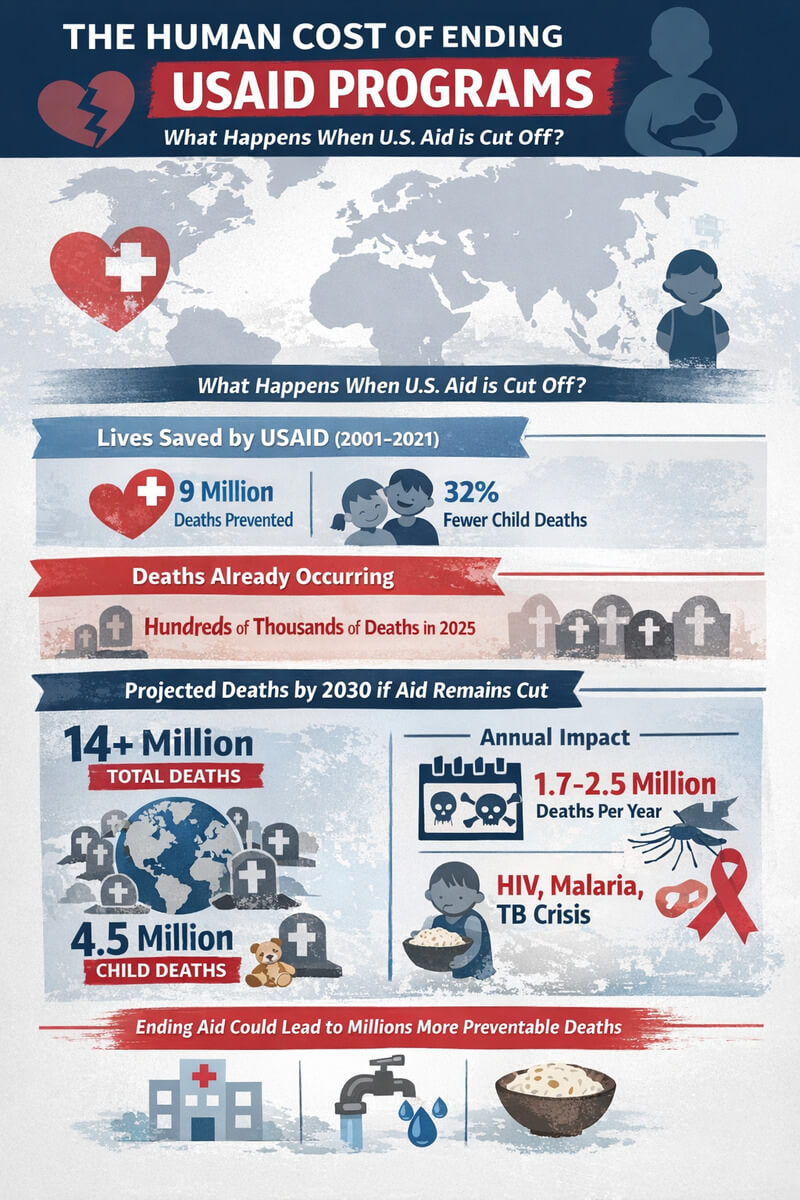
The plan slashed a workforce of roughly 8,000 down to fewer than 300. USAID was officially closed on July 1, 2025.
Oxfam’s analysis warns the cuts could lead to more than three million preventable deaths a year worldwide.
Then came the domestic gutting. Under Health Secretary Robert F. Kennedy Jr., the CDC lost nearly a quarter of its workforce in 2025 — close to 3,000 people through layoffs, forced retirements, and resignations.
Kennedy called it a return to the agency’s “core mission.” But the people shown the door included HIV researchers, chronic disease scientists, and the Epidemic Intelligence Service — the agency’s elite corps of outbreak investigators. You do not strengthen disease surveillance by firing the disease detectives.
Ebola: the first outbreak of the post-USAID era
In May 2026, Ebola erupted in the Democratic Republic of the Congo and spilled into Uganda — the 17th outbreak in the DRC and, by late May, one with hundreds of confirmed and suspected cases and a death toll in the hundreds.
Public health workers call it the first major Ebola outbreak of the post-USAID era, and they are not being poetic.
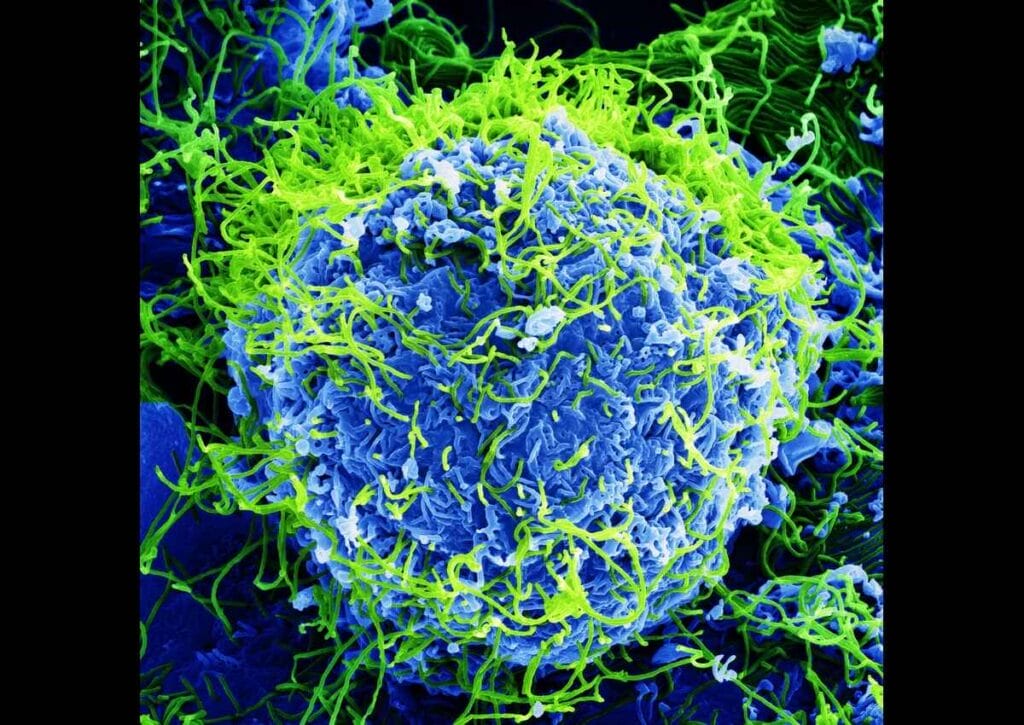
Former officials say the virus likely spread undetected for weeks because the surveillance systems USAID once funded had unraveled. “What we’ve lost is speed, which is the most important thing in an outbreak like this,” said Nicholas Enrich, USAID’s former acting global health chief.
U.S. aid to the DRC had already collapsed from nearly $1.2 billion in fiscal 2024 to a fraction of that.
Oxfam says eastern Congo lost 70% of its humanitarian aid after USAID shuttered. And because the administration withdrew from the World Health Organization, the U.S. is now, in one expert’s words, “more out of the loop” — which “makes America less safe.”
The administration insists it responded, pointing to $23 million in emergency funding. But emergency money after an outbreak is not the same as the prevention infrastructure that stops one.
You can’t woodchipper a fire department and then take credit for showing up with a garden hose.

Measles: the canary is dead in the coal mine
Closer to home, measles — a disease the U.S. declared eliminated in 2000 — is back with a vengeance.
After a record 2,288 cases in 2025, including the deaths of three unvaccinated people, two of them children, 2026 is running even hotter: over 2,000 confirmed cases by early June, with experts warning the country is highly likely to lose its measles elimination status this fall.
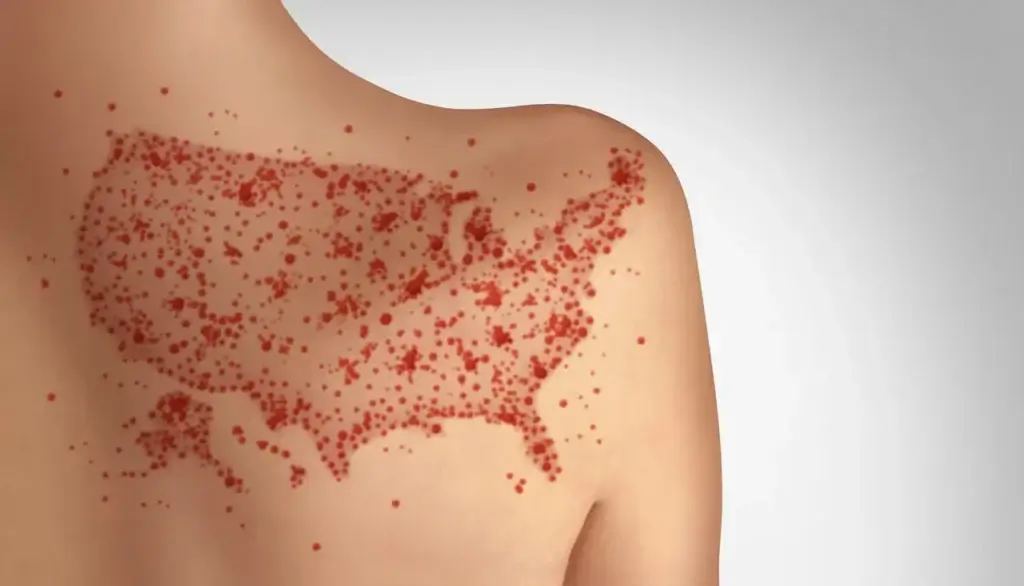
Roughly 92% of this year’s cases are in unvaccinated people.
This is not an accident of nature. Kennedy purged all 17 members of the CDC’s vaccine advisory committee and replaced them with handpicked appointees, several with ties to anti-vaccine groups.
The new panel downgraded the combined MMRV vaccine, and in January 2026 the CDC cut the childhood immunization schedule from 17 diseases to 11.
Vaccine experts call measles “the canary in the coal mine” — the first disease to find the gaps when immunization rates fall.
The canary is telling us something. The administration is telling us to take vitamin A.



Hantavirus: a test the depleted system barely passed
In May 2026, an outbreak of the rare, person-to-person Andes hantavirus tore through a cruise ship in the Atlantic, killing three and prompting the CDC to monitor 41 people in the U.S. and repatriate American passengers to a specialized facility in Nebraska.
Credit where due: the CDC handled it, and the public risk remains extremely low. But this is what a near-miss looks like when your outbreak-response corps has been hollowed out by a quarter.
The system passed the test — this time, on a small cluster.
The question is what happens when the test is bigger and the staff are fewer.
Screwworm: the exception that proves the rule
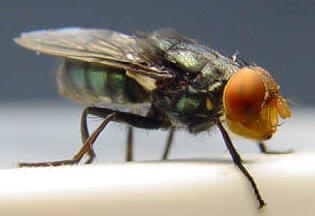
Now the strangest of the four. On June 3, 2026, the USDA confirmed the first New World screwworm case in U.S. cattle in decades, in Zavala County, Texas — a flesh-eating parasite eradicated from the country in 1966.
The first human U.S. case in decades turned up in Maryland in August 2025, in a traveler returning from El Salvador.
In fairness, this one is not the result of cuts to USAID or the CDC. Screwworm containment runs through the USDA, which has actually been spending heavily — including on a sterile-fly program in Panama that for decades saved the U.S. cattle industry an estimated $2.3 billion a year.
But that is precisely the point. The screwworm’s slow march north — from 25 cases a year in Panama to more than 6,500 — is a textbook example of what happens when a biological barrier maintained through international cooperation begins to fail at the source.
The lesson screwworm teaches is the same one Ebola teaches: threats are cheapest to stop far from your border, and ruinous to fight once they cross it.
This was a choice
None of this is a natural disaster. Every one of these stories traces back to a decision — to treat prevention as waste, expertise as bureaucracy, and the rest of the world as someone else’s problem.
The architects of Project 2025 wanted a smaller government that “does more at a lower cost.”
What we got is a country with fewer disease detectives, weaker borders against pathogens, a vaccine schedule rewritten by skeptics, and four outbreaks where there should have been four prevented ones.
The bill for dismantling public health with cuts to USAID and the CDC does not come due in a budget line. It comes due in a child’s lungs, a rancher’s herd, a Congolese family’s coffin.
We were warned. We are paying. And the people who lit the match are still calling it efficiency.