

An outbreak of the Ebola virus is spreading across the Democratic Republic of the Congo and into Uganda, and the World Health Organization has declared it a Public Health Emergency of International Concern — its highest level of alarm. This is what happens when “America First” meets a virus that doesn’t care about borders.
The video below breaks down where things stand with the Ebola outbreaks around the world right now. Host Jonathan Cohn is joined by Dr. Craig Spencer to break down the growing Ebola outbreak in Central Africa, why global health officials are sounding the alarm, and how Trump-era cuts to public health infrastructure could affect the response.
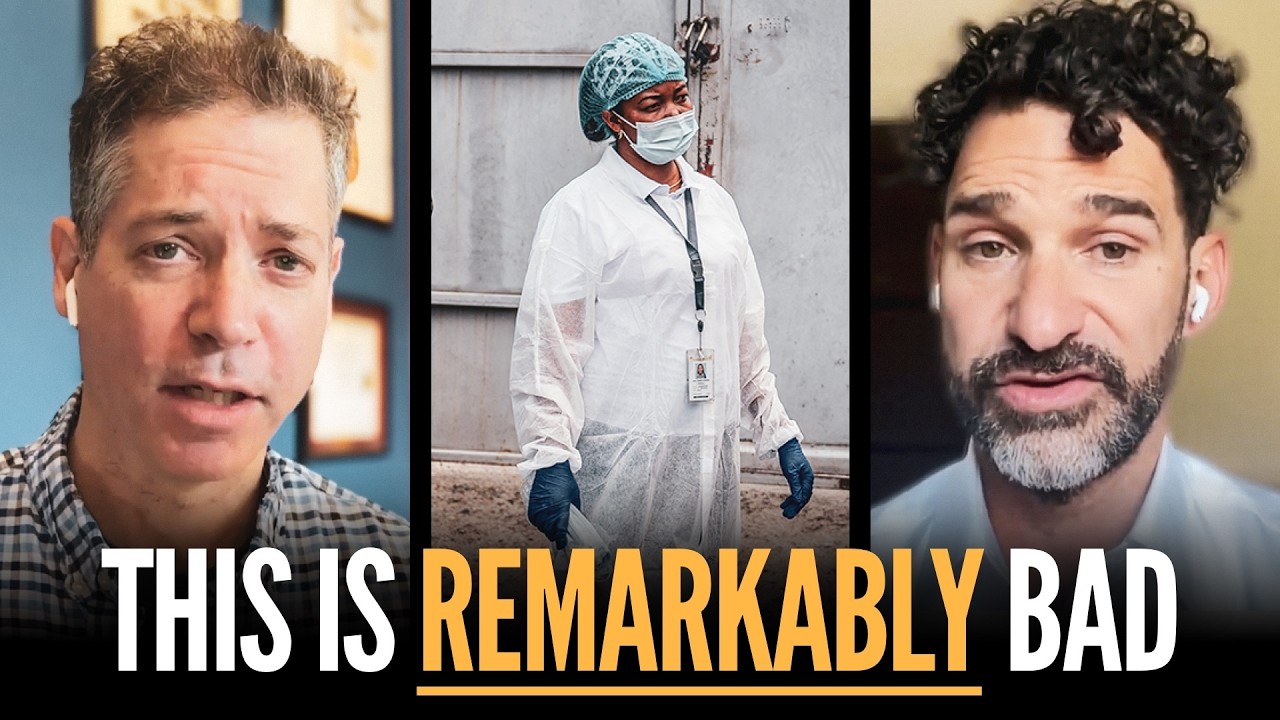
Spencer is an emergency medicine physician and Ebola survivor. During the historic 2014 outbreak, he treated patients and then contracted Ebola himself, becoming one of the most visible voices during that crisis. Dr. Spencer explains why this outbreak has experts more worried than past Ebola flare-ups, how Ebola actually spreads, and why it is very different from a respiratory virus like COVID.
As of May 20, roughly 600 suspected cases had been reported, including 139 deaths among them, with 51 confirmed cases in the DRC and two imported cases in Uganda.
This is the 17th Ebola outbreak in the DRC since 1976 , and it is caused by the Bundibugyo strain — a rare variant with no licensed vaccine and no specific treatment. The outbreak began in a remote gold-mining area of Ituri Province , then jumped more than a thousand kilometers to Kinshasa, the DRC’s capital, and across the border to Kampala, Uganda — where at least one patient has already died.
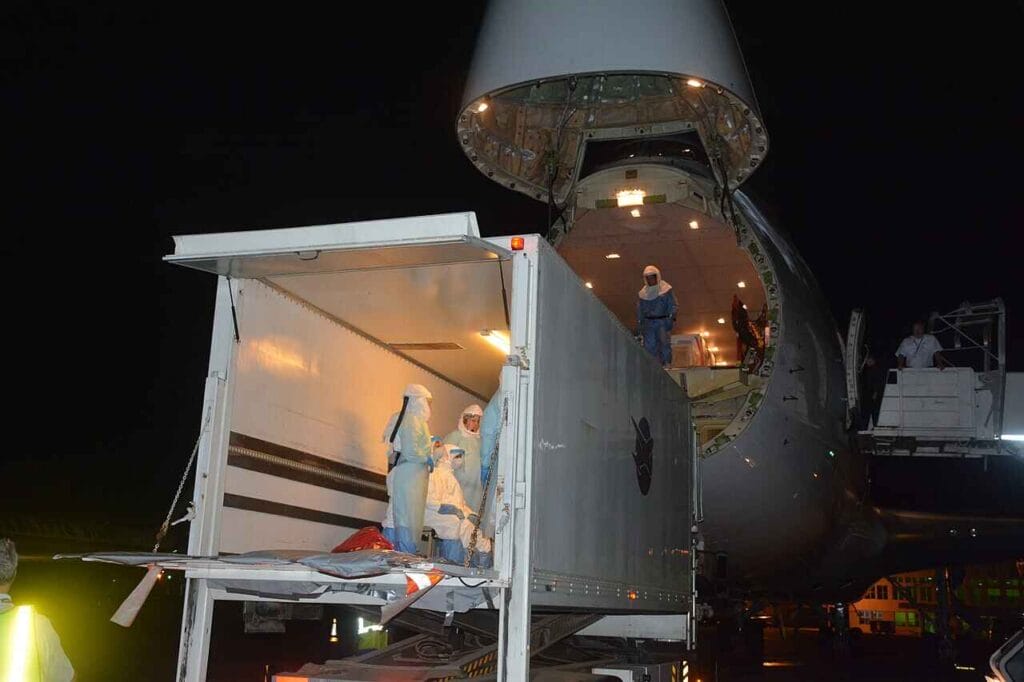
An American missionary doctor infected while treating patients has been airlifted to Berlin for care.
What makes this outbreak different isn’t just the virus. It’s the gutted American response to it. In January 2025, USAID terminated the $100 million STOP Spillover program — a five-year project built to detect outbreaks of Ebola, Marburg, Lassa and other hemorrhagic fevers in the region now on fire.
Field teams monitoring bat reservoirs were dispersed within days. The Trump administration then dismantled USAID entirely and withdrew the United States from the World Health Organization.
A former USAID official said almost everyone on the team that worked the previous DRC Ebola outbreak has been fired, and the U.S. exit from WHO means the CDC no longer receives information through official reporting channels.
The cost of those decisions is now measurable. U.S. foreign aid to the DRC collapsed from nearly $1.2 billion in fiscal 2024 to a fraction of that in 2025 , and the surveillance networks that normally catch outbreaks early were gone before this one started.
The CDC’s Ebola response manager confirmed the agency was notified of the first case only the day before the outbreak was publicly announced — when it would normally have gotten far more warning. Aid workers on the ground are more blunt: “Funding cuts have left the region dangerously exposed.
The sharp rise in reported cases over the last few days reflects the reality that surveillance systems are now catching up with transmission that has likely been occurring for some time.”
The State Department insists none of this has affected the U.S. response. The people who used to do the work say otherwise.