
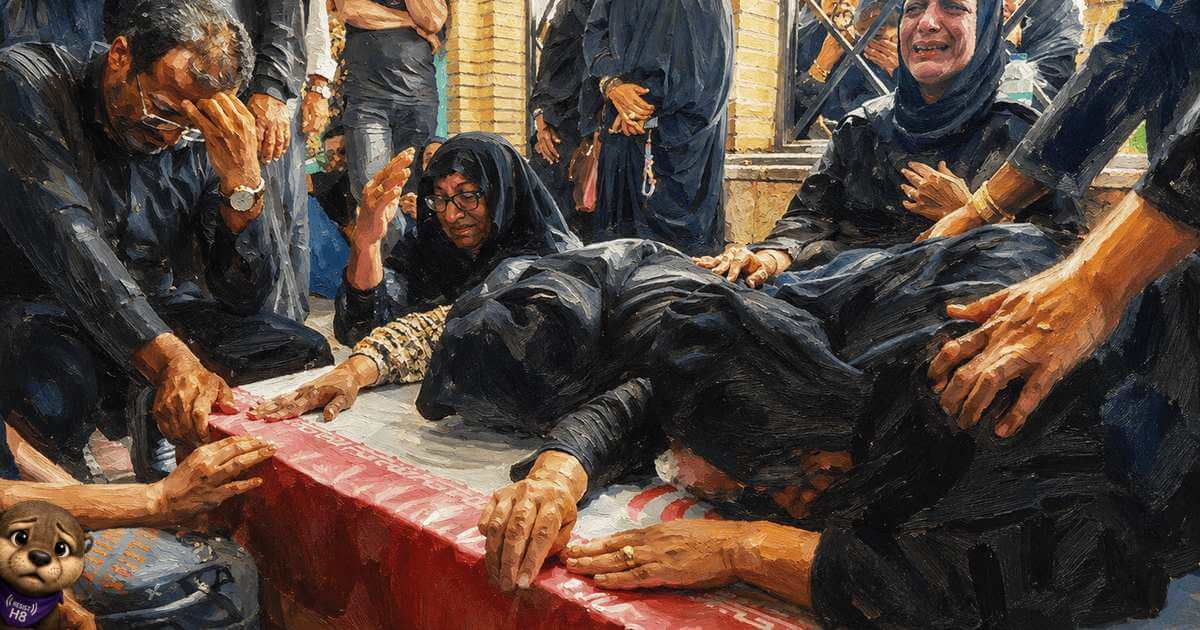

On the first day of the U.S. war on Iran, the U.S. military bombed an elementary school in Minab using a Tomahawk missile.
Iranian state media reported at least 168 children and 14 teachers killed.
Amnesty International verified at least 156 dead, including 120 children — most of them between six and thirteen years old.
Now we know the strike wasn't just a tragedy.
It was a choice.
According to a CNN investigation published this week, senior U.S. military commanders saw warnings — embedded directly in the Pentagon's own targeting systems — that the intelligence behind their Iran strike list was years out of date and needed to be re-verified before use.
They approved the strikes anyway.
Three sources familiar with the decision-making told CNN the warnings were bypassed for "expediency."
Commanders were racing to build target lists at the start of the war, and re-checking old intelligence would have slowed them down.
That decision, two of the sources said, directly contributed to the missile that hit the school on February 28.
The warning was right there
The outdated records lived in two Pentagon databases: the Modernized Integrated Database (MIDB), a targeting system dating back to the 1980s, and MARS, its newer AI-powered replacement.
Both systems flagged that the Iranian target data was stale.
Here's what makes it worse.
A U.S. intelligence analyst had already noticed that the Minab site had changed.
What was once part of an Islamic Revolutionary Guard Corps naval compound now included a school, separated from the base by a fence with its own entrance.
Satellite imagery confirms the timeline: the school and the base were part of one compound in 2013, but by 2016 the fence and separate school entrance were clearly visible.
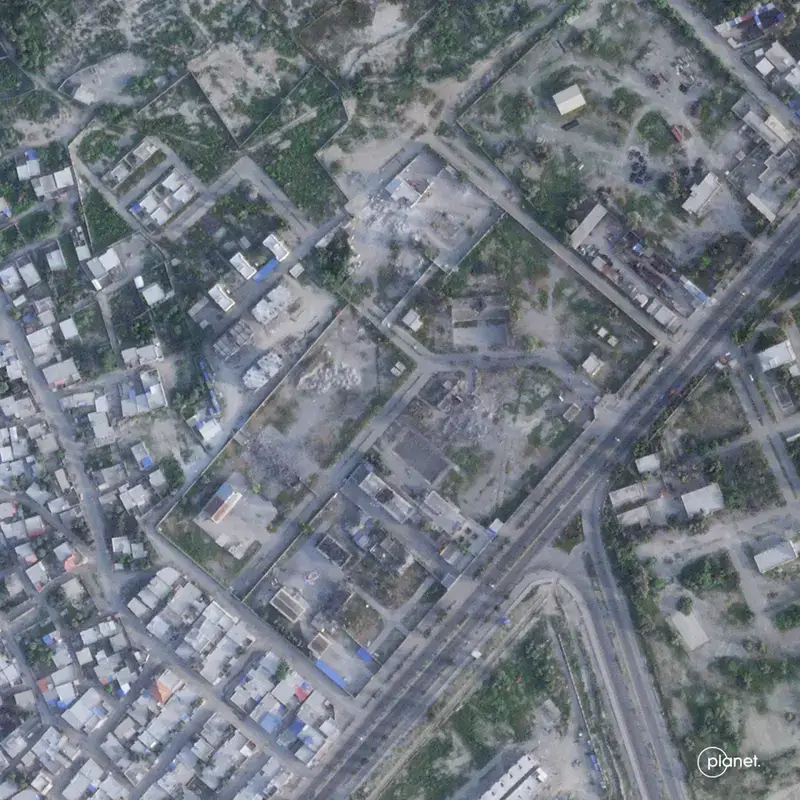
(Planet Labs PBC)
The analyst's note was saved — in a separate intelligence tool that never fed into the official database commanders used to build the strike list.
The warning existed.
The system just wasn't built to deliver it, and no one slowed down long enough to look.
One source told CNN that military officials knew within days of the strike exactly how the mistake happened.
That was more than four months ago.
The Pentagon's investigation still has not been released.


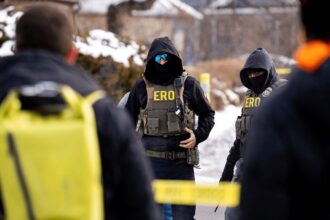
A White House official would only say the inquiry is ongoing, adding: "The United States does not target civilians."
Tell that to the families in Minab. PBS NewsHour visited the school in May, where residents described a grief that hasn't loosened its grip.
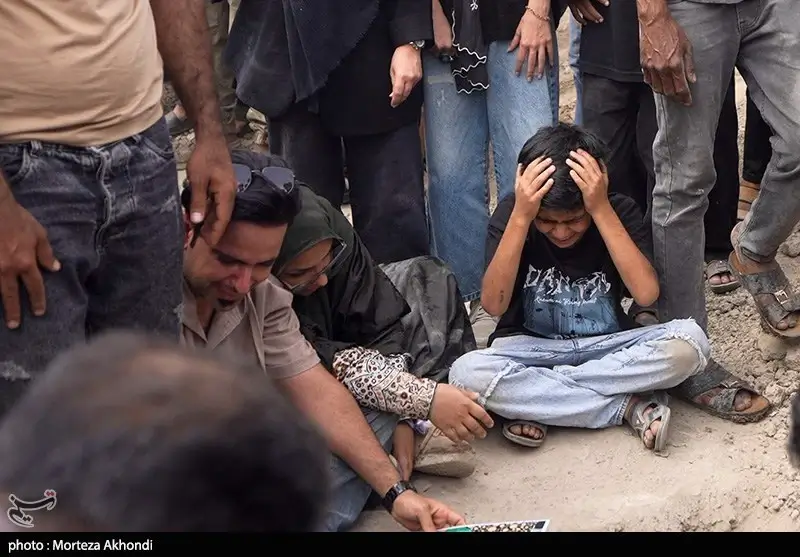
“The sounds of children are still here for me," one woman told them.
This disaster was set up in advance
The bypassed warnings are only half the story.
The other half is what the Trump administration did to the safeguards that existed precisely to catch mistakes like this one.
A ProPublica investigation published in March detailed how the Pentagon spent years building a Civilian Harm Mitigation and Response framework — a systematic program to map civilian presence before strikes, maintain "no-strike lists" of schools and hospitals, and investigate when things went wrong.
Roughly 200 personnel worked the mission, including about 30 at a dedicated Civilian Protection Center of Excellence.
Defense Secretary Pete Hegseth gutted it.
Around 90% of the program was eliminated before the Iran war began.
At Central Command — the command running the Iran campaign — a 10-person civilian protection team was cut to a single person.
Hegseth, who fired the military's top JAG lawyers and has dismissed legal guardrails as obstacles to the "warrior ethos," summarized his doctrine to commanders as "maximum lethality, not tepid legality."
Wes Bryant, a former special operations targeting specialist who served as a senior adviser in the program before being forced out, told ProPublica the consequences were predictable.
"There's zero accountability," he said.
Former officials told ProPublica that under the scrapped framework, civilian-environment mapping and no-strike list verification for Iran would have started months before the first missile launched.
One of the central questions investigators must answer is whether the Minab school was on the no-strike list at all — a list the gutted teams would have been responsible for updating.
Two of CNN's sources confirmed the connection: short-staffed civilian harm teams at CENTCOM increased the risk of exactly this kind of mistake.
Accountability keeps not coming
President Trump initially claimed, without evidence, that the strike was "done by Iran" — even after Bellingcat authenticated video of a U.S. Tomahawk hitting next to the school and Tomahawk fragments were recovered at the site. The United States is the only party to the war known to possess Tomahawks.
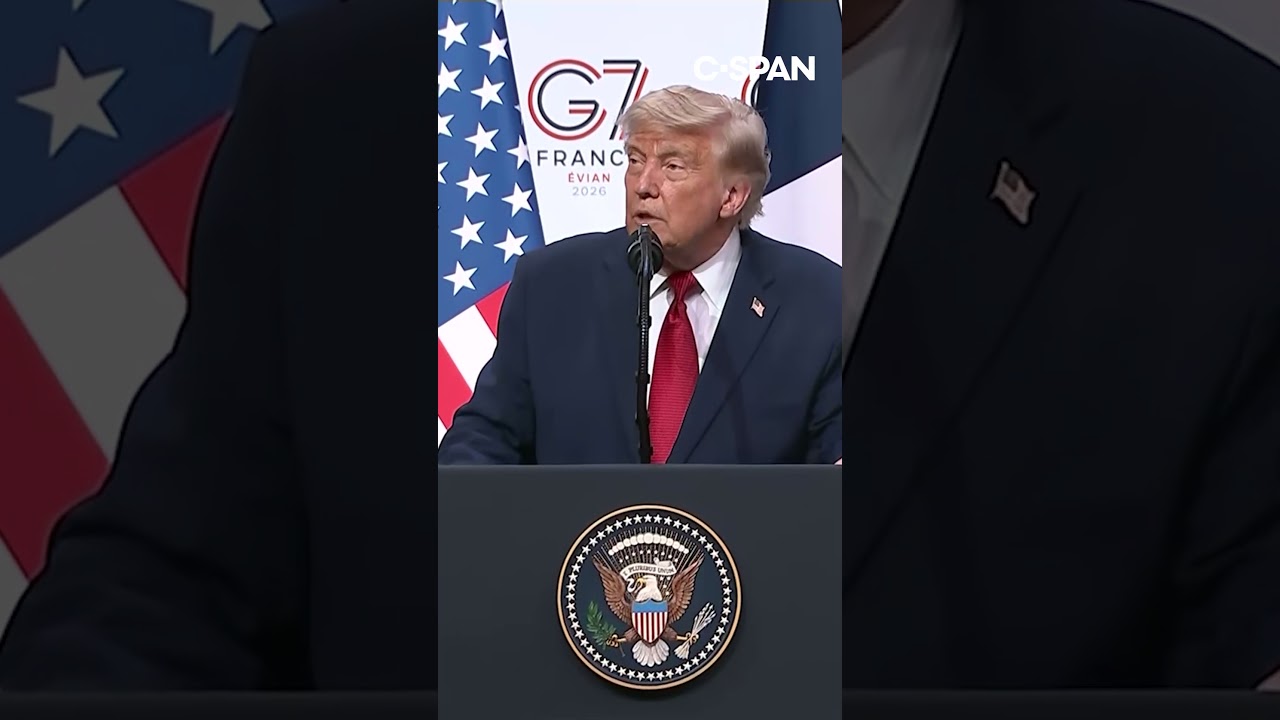
Amnesty International has called the strike unlawful and said those responsible must be held accountable, finding that the U.S. failed to take all feasible precautions to protect civilians.
Democratic senators, including Elizabeth Warren and Chris Van Hollen, pressed Hegseth in April to explain the status of the investigation, disclose whether AI was used in target development, and commit to releasing the findings publicly.
Rep. Adam Smith, the top Democrat on the House Armed Services Committee, has publicly criticized the Pentagon's refusal to take responsibility despite clear evidence.
None of it has produced answers. And the children of Minab are a fraction of the toll: the Human Rights Activists News Agency has documented more than 1,200 Iranian civilians killed by U.S.-Israeli strikes, including nearly 200 children — with hundreds more deaths still under review.
The Pentagon knew its intelligence was old.
Its own systems said so.
An analyst had flagged the school years earlier.
The safeguards designed to catch the error had been deliberately dismantled. And 168 little girls and their teachers paid for all of it.
The investigation the Pentagon has been sitting on for four months belongs to the public.
So does the answer to a simple question: who approved the strike, and what happens to them now?