
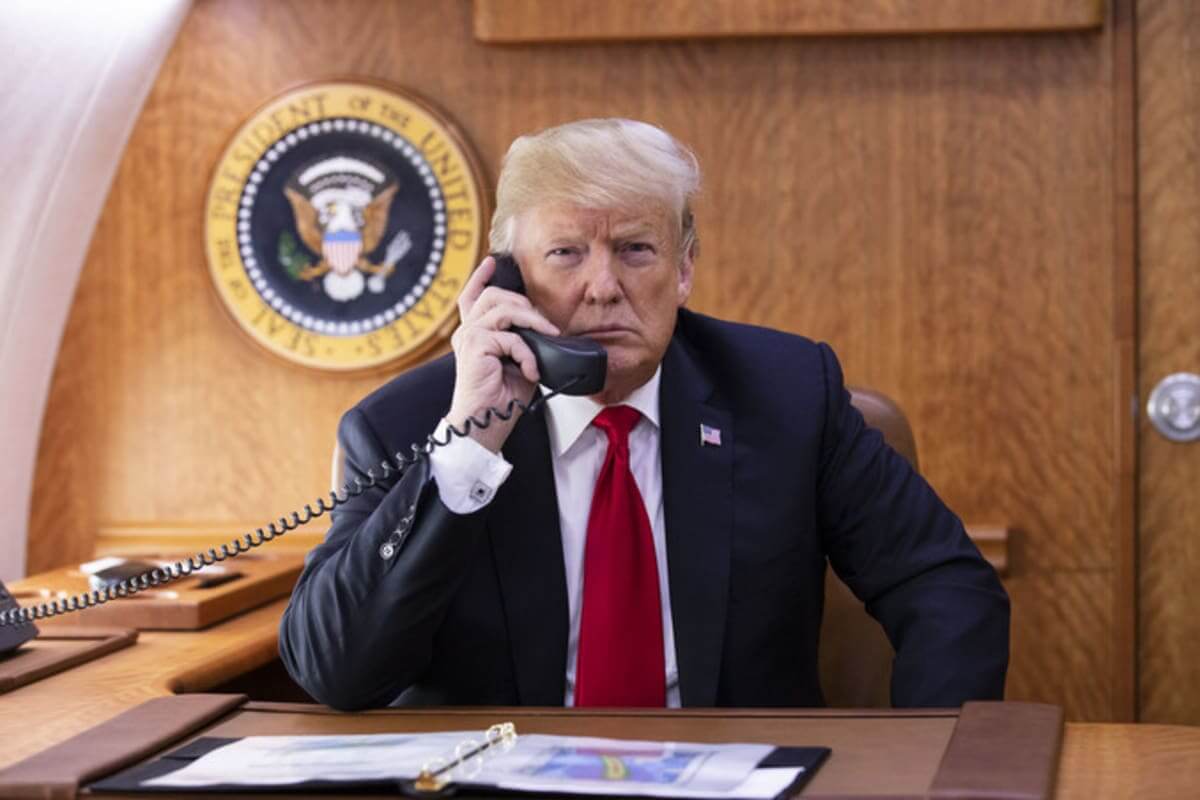

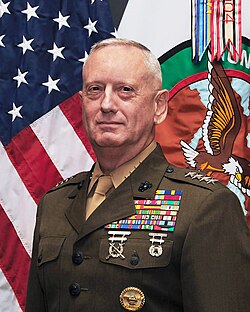
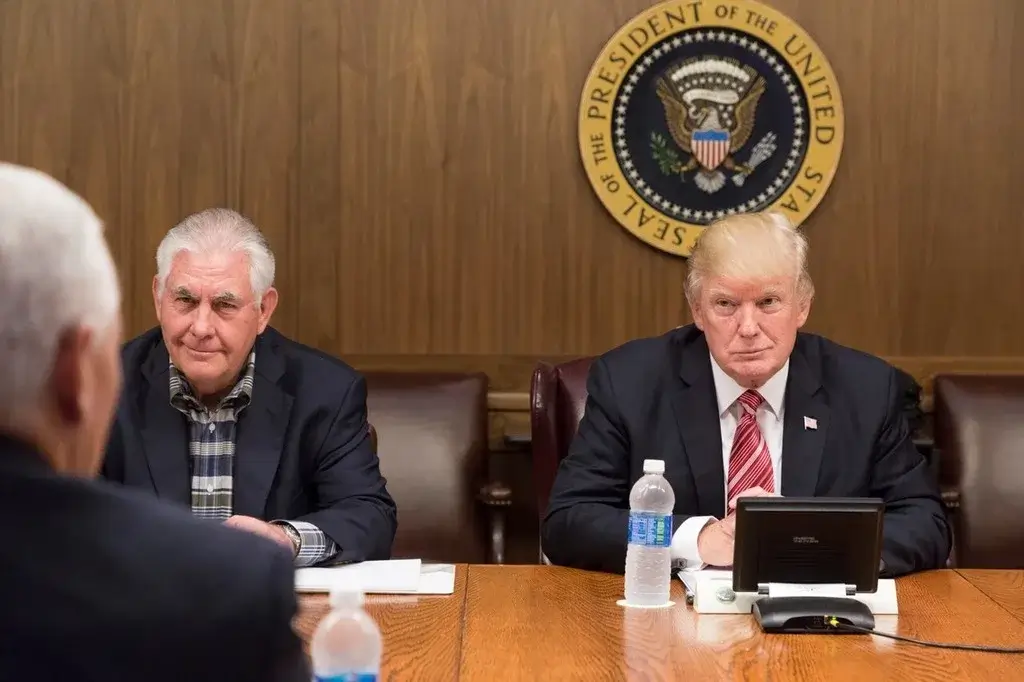
For four years, a single reassurance held Washington together: however reckless President Donald Trump became, the ‘adults in the room’ would catch the worst of it before it left the building. Commentators called them the “axis of adults” — Defense Secretary Jim Mattis, Secretary of State Rex Tillerson, national security adviser H.R. McMaster, chief of staff John Kelly, economic adviser Gary Cohn, and a rotating cast of generals and Republican veterans in Trump’s first term.
The idea was simple and comforting: these were serious people who would restrain a president many of them privately considered dangerously impulsive.
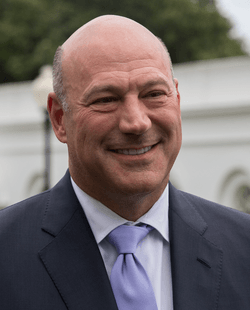
The most famous example reads like a heist. In Bob Woodward’s Fear, economic adviser Gary Cohn reportedly walked into the Oval Office in September 2017 and lifted a one-page draft letter off the president’s desk. Had Trump signed it, the United States would have withdrawn from its free-trade agreement with South Korea — a move Cohn and others feared could compromise a classified program able to detect a North Korean missile launch in seconds. “I stole it off his desk,” Cohn reportedly told an associate. Trump never noticed it was gone.
It wasn’t a one-time rescue. A year later, an anonymous senior official admitted in The New York Times that many appointees were quietly working to “frustrate parts of his agenda and his worst inclinations.”
The author — later revealed to be Department of Homeland Security official Miles Taylor — described colleagues who slow-walked dangerous orders, kept resignation letters ready in their desks, and at one point weighed invoking the 25th Amendment.
The job, as they understood it, was to manage the president rather than serve him.
It would be a mistake to turn these men into heroes. Mattis went along with family separations and the election-season deployment of troops to the border; Tillerson, McMaster, Bolton, and Pompeo brought their own appetite for confrontation; and the “adults” often guarded Republican orthodoxy as zealously as they guarded the country.
Critics warned at the time that the guardrail story handed unelected officials too much credit. Taylor eventually agreed: the nation, he conceded after coming forward, could not count on well-meaning bureaucrats to steer the president — and besides, Trump had already purged most of them.

That admission is the entire story of the second term.
Trump returned to office in January 2025 having absorbed one lesson above all others: never again hire people who might tell him no.
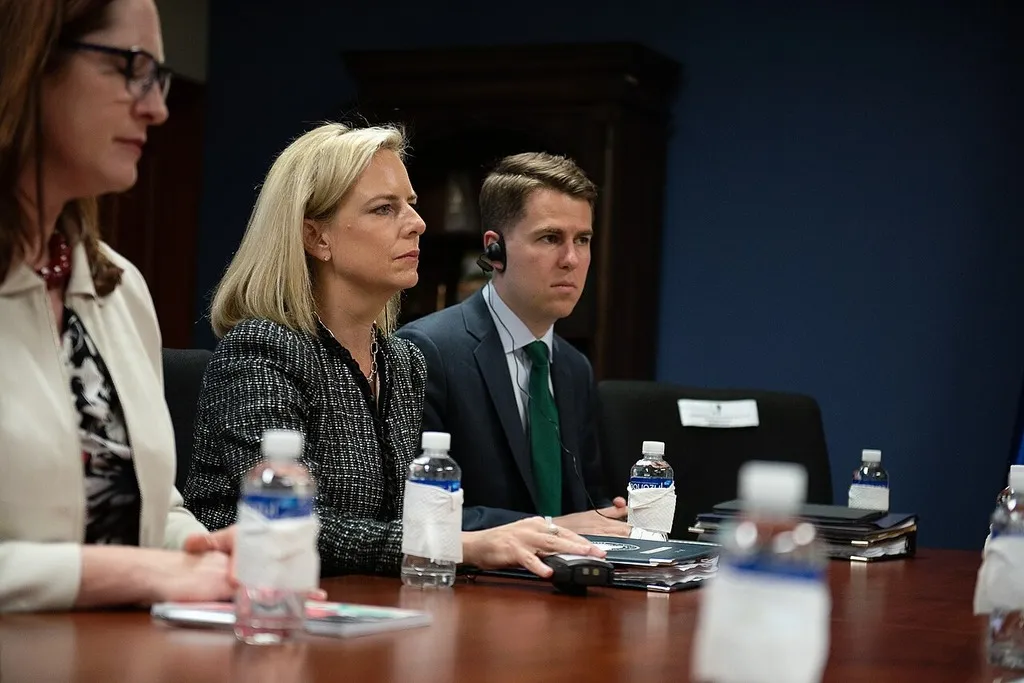
Working from the Heritage Foundation‘s Project 2025 and allied groups, his transition screened candidates for loyalty over experience.
The Brookings Institution found that Trump “focused primarily on job candidates who were loyal to him,” producing a cabinet far less prone to infighting and far more responsive to his wishes.
The proof is in the stability: through the end of 2025, not one of his original cabinet members had resigned or been pushed out — the lowest first-year turnover of any administration since Ronald Reagan.
The thinner checks are being dismantled on purpose. The administration has reclassified roughly 8,000 federal jobs under a new “Schedule Policy/Career” status — a revival of the first term’s “Schedule F” plan — stripping civil-service protections so career employees can be fired for political reasons.
Watchdog groups warned it would silence the very people who once reported waste, abuse, and danger from inside government.
The aide who slips a letter off the desk now risks their livelihood for doing so.
And where Trump’s first term had people quietly stopping dangerous orders, the second has people carrying them out.
On September 2, 2025, a U.S. strike on an alleged drug boat in the Caribbean left two men clinging to the wreckage; a second strike then killed them.
The Washington Post reported that Defense Secretary Pete Hegseth — a former Fox News host confirmed only by the vice president’s tie-breaking vote — gave a verbal order to “kill everybody.” Legal experts, former military lawyers, and a former defense secretary called the second strike a war crime, and a bipartisan pair of senators opened an investigation.
Tellingly, the senior military lawyers who would have called the order illegal had already been fired, and the regional commander who reportedly raised legal concerns resigned.
The guardrails didn’t fail. They had been removed in advance.
This is the pattern everywhere now.
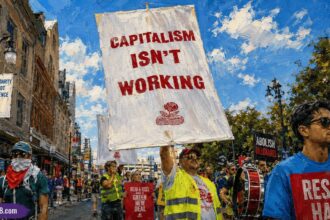

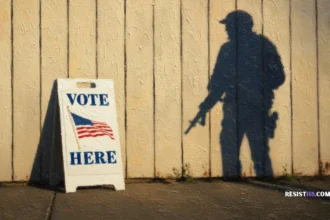
The same administration escalated to open war with Iran in early 2026 with the stated goal of regime change — exactly the kind of move a Mattis or a Cohn might once have slowed, or at least argued against in the room.
There is no one playing that role today, because the people who might have were never hired, or were shown the door.
The ‘adults in the room’ in Trump’s first term were never the saviors their admirers imagined, and the protection they offered was always partial and self-interested.

But partial protection is not the same as none.
In Trump’s first term, a reckless order could quietly die on a staffer’s desk.
In his second, there is no desk, no staffer, and no letter left to steal — only a government rebuilt, top to bottom, to say yes.