


For more than two years, the story of October 7, 2023, has centered on the horror Hamas inflicted that morning.
A British parliamentary commission chaired by the historian Lord Andrew Roberts spent 14 months documenting it: 1,182 people killed, 251 taken hostage, more than 4,000 wounded, and sexual violence recorded at multiple sites across southern Israel.
That account exists to make denial impossible, and it succeeds.
A harder question is underneath the bloodshed, and it has gone largely unexamined outside Israel.
How was a country that built one of the most heavily surveilled borders on earth caught so completely unprepared?
One of the commission's own researchers, Jonathan Foreman, laid out an answer in a detailed Commentary essay drawn from his interviews for the report.
The attack was enabled by warnings that Israeli leaders saw, wrote down, and dismissed — and by an army that had been hollowed out long before Hamas arrived.
The People Who Saw it Coming
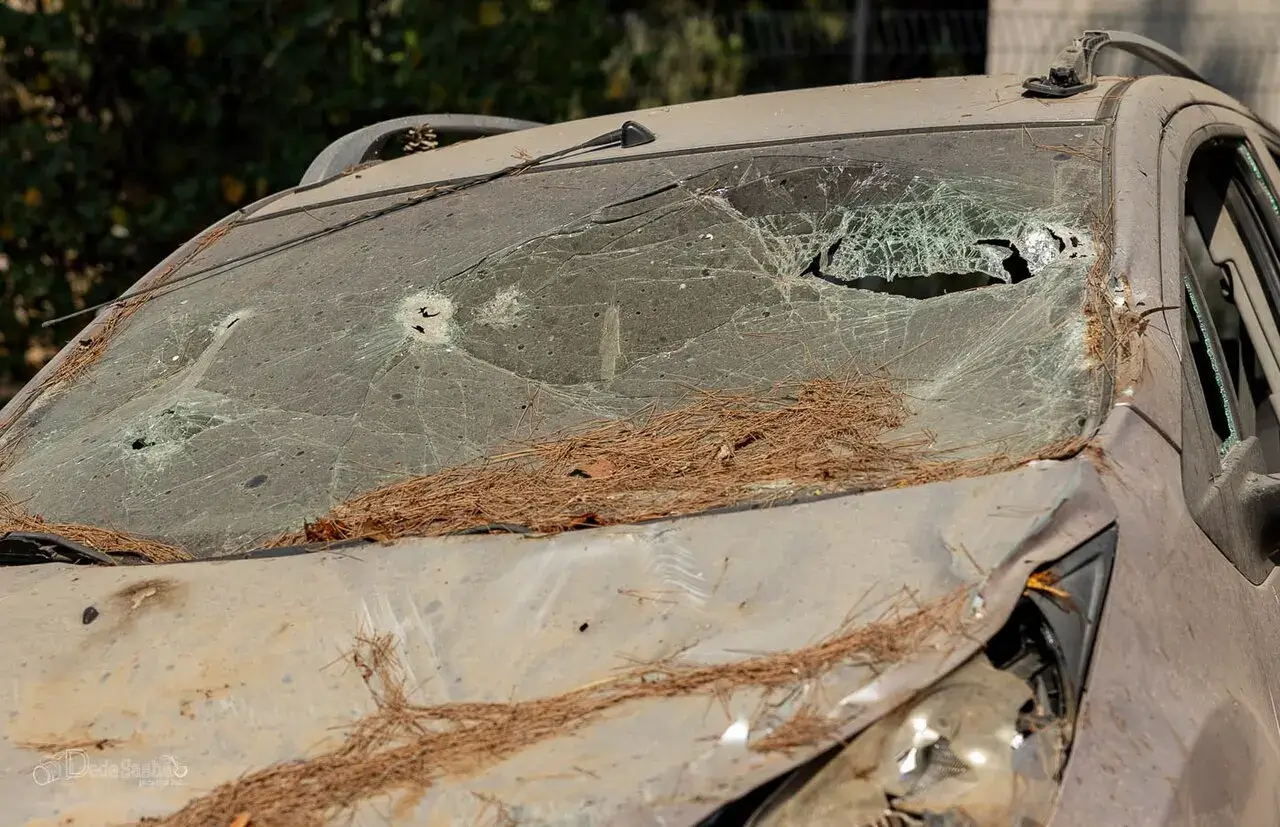
The clearest warnings came from young women. The female surveillance soldiers stationed at the Nahal Oz base, whose job was to watch footage from Gaza around the clock, repeatedly flagged what looked like preparations for a large-scale assault in the months before the attack.
Their alerts were brushed aside as overwrought.
Sixteen of those soldiers were killed and seven kidnapped when their thinly guarded base was overrun in the first half hour of the invasion.
A retired battalion commander who had relied on observers like them told Foreman that in his day, "we trusted them with our lives."
They were not alone. In July 2023, a signals-intelligence analyst in Israel's elite Unit 8200 reported that a daylong Hamas training exercise matched a captured invasion plan almost point for point.

When her commander ignored her, she went over his head — and was formally reprimanded for it.
Years earlier, in 2016, then–Defense Minister Avigdor Lieberman sent Prime Minister Benjamin Netanyahu a secret memo warning that Hamas intended to push trained fighters across the border to seize a community and take hostages, and that the expensive high-tech fence could never substitute for an actual strategy.
Each of these warnings ran into a fixed belief that Israeli analysts call the conceptsia: the conviction that Hamas had been deterred and bought off with Qatari cash, and was more interested in governing Gaza than destroying Israel.
An Israeli military investigation later concluded that this misjudgment of Hamas's intentions sat at the heart of the failure, along with a wild underestimate of its capabilities — military planners imagined an attack from as many as eight border points, while Hamas came through more than sixty.
Hamas had rehearsed the plan in plain sight, even broadcasting a dramatized version of the assault on its own television.
The people who noticed were too junior to be heard.
A Border Left Open
When the attack came, the frontier was nearly empty.
Fewer than 800 combat troops were guarding the 40-mile border region and its twelve military installations, with many posts at just 40 percent strength, because it was the Sabbath and the Simchat Torah holiday and the troops had been sent home.
The standard pre-dawn routine of taking up defensive positions had been quietly abandoned.
The observers monitoring the cameras were unarmed and had no combat training.



Civilian defense squads found their rifles locked in armories whose locations Hamas had already mapped.
Cheap drones knocked out cameras and gun towers.
Bulldozers tore through the fence in more than a hundred places.
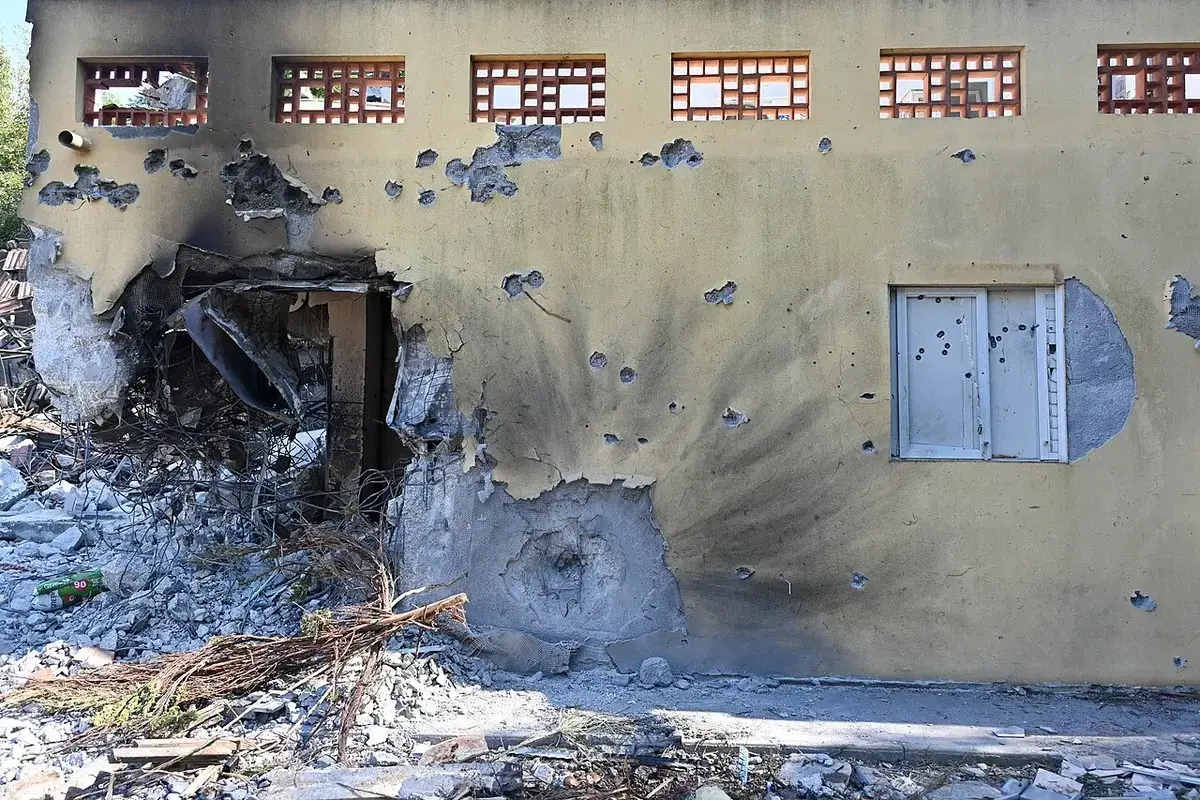
Hamas overran Reim Base, the headquarters of the IDF's Gaza Division — arguably its most important military success of the day, and one that left Israel's top commanders blind to where the attack was even unfolding for hours.
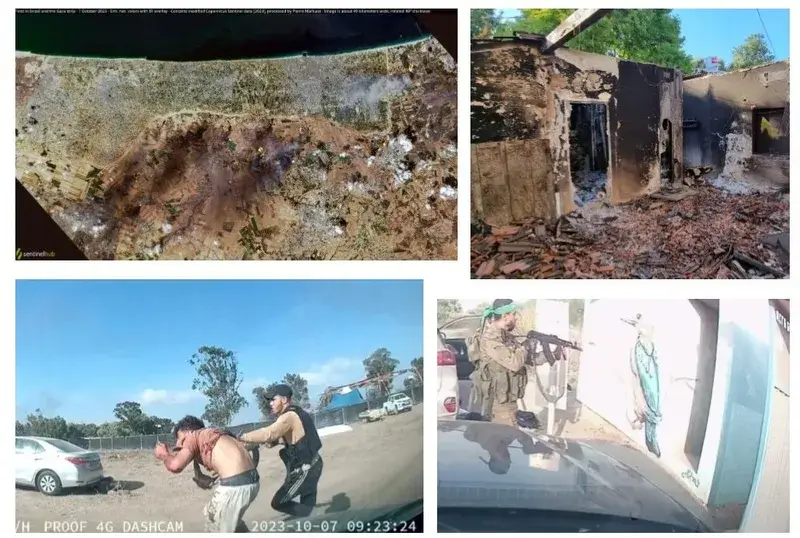
In several communities, attackers had five uninterrupted hours to kill and abduct before sizeable army units arrived.
At the Nova music festival, more than 340 people were murdered.
The nearby garrisons did not know the festival was happening, because no one had told them it existed.
The Inquiry Netanyahu Won't Allow
What Israel does with this record is now a live fight, and it is reaching a deadline.
In April 2026, the Supreme Court gave Netanyahu's government until July 1 to produce an acceptable way to investigate October 7, 2023 — stopping short of ordering the independent state commission of inquiry that most of the public wants.
In Israel, that kind of commission, with members appointed by the president of the Supreme Court, is the traditional reckoning for national catastrophe; one such body toppled Prime Minister Golda Meir after the 1973 war.
Roughly 72 percent of Israelis support one for October 7, including a majority of Netanyahu's own right-wing base.
He has refused. Netanyahu has called the attack "a severe intelligence failure, but not a betrayal," and has pushed instead for a government-appointed committee whose scope he would help define — a bill that strips the Supreme Court out of the process entirely.
Critics across the spectrum, from opposition leaders to former military chiefs, call it an attempt to investigate himself.
The watchdog Movement for Quality Government called it "a cover-up commission."
Bereaved and former-hostage families, organized as the October Council by a father whose 19-year-old daughter was killed at her border post, have spent months demanding the real thing.
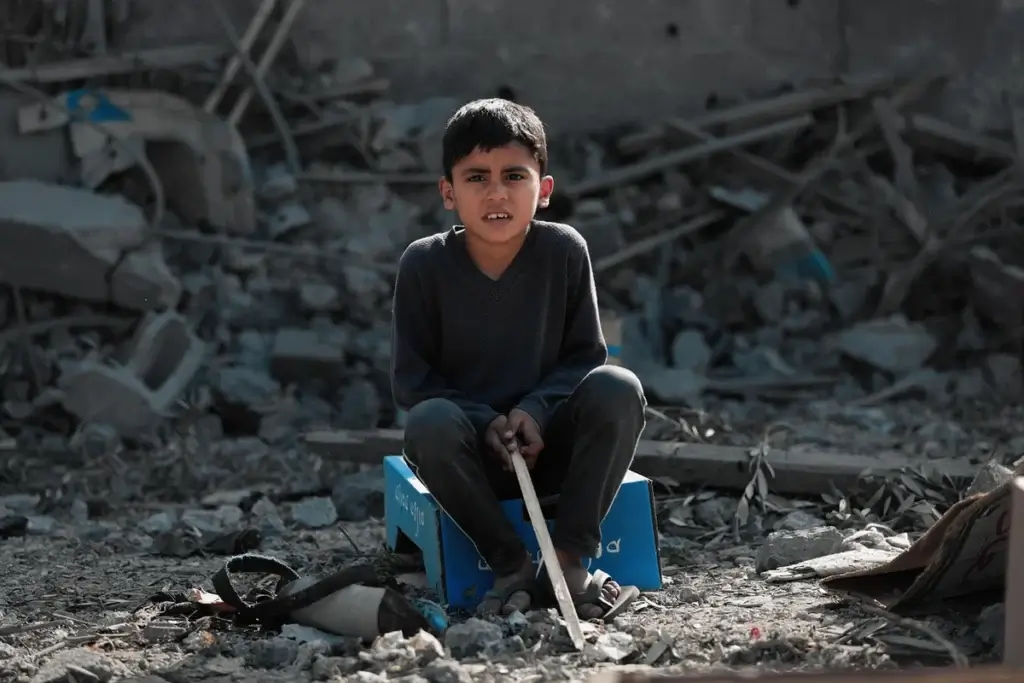
The stakes reach past the past. Netanyahu's critics argue that he has dragged out the war in Gaza — which Gaza health officials say has killed more than 70,000 Palestinians — in part to postpone the reckoning a full inquiry would bring.
Whatever the motive, the pattern is difficult to miss.
The same leadership that ignored years of warnings, then presided over the deadliest day in the country's history and a war that has leveled much of Gaza, is the one insisting it should set the terms of its own investigation.
The soldiers who tried to sound the alarm were the ones least listened to and most exposed.
Sixteen of them did not survive the morning they had spent months warning about.
The institutions that failed them are still fighting to avoid an honest account of why.