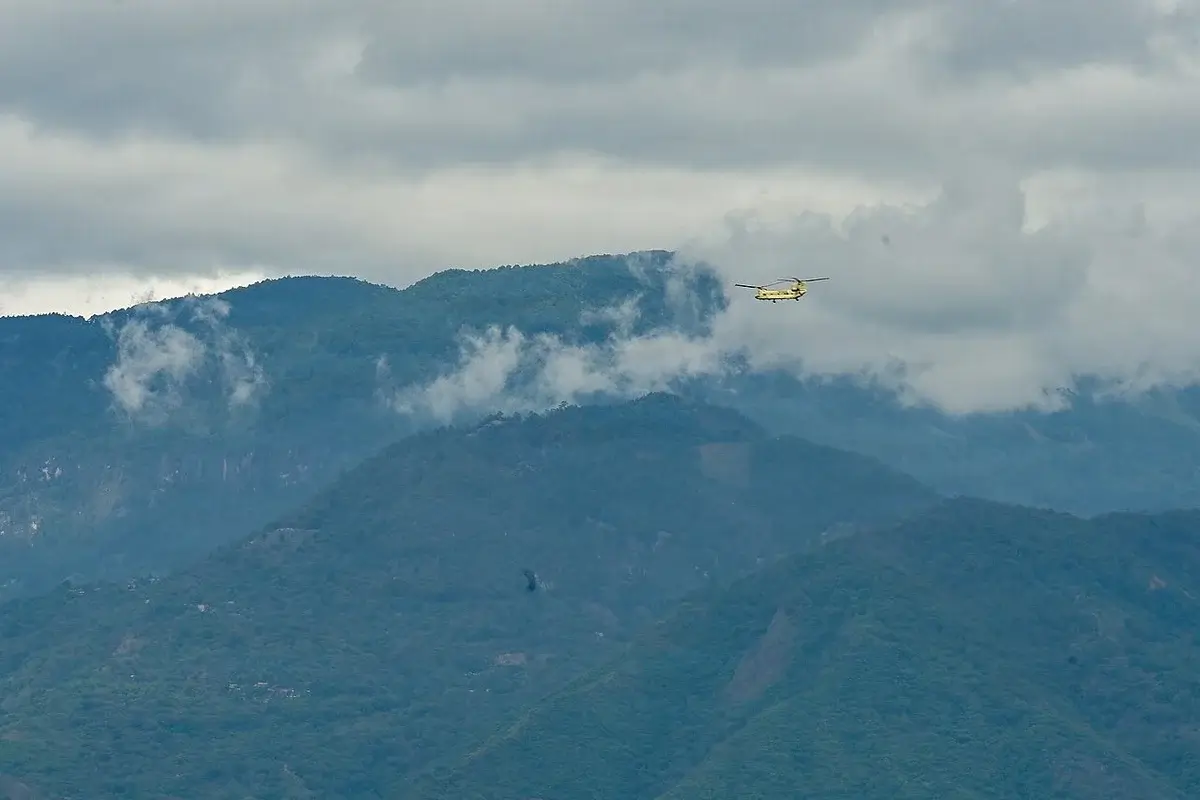

Just after 6 p.m. on Wednesday, June 24, the ground beneath northern Venezuela tore open twice in less than a minute. A magnitude 7.2 quake struck near the city of San Felipe, in Yaracuy state west of Caracas. Thirty-nine seconds later, a magnitude 7.5 mainshock hit the same area — Venezuela’s strongest earthquake since 1900. The shaking flattened apartment blocks, collapsed roads, and buried entire families in their homes.
By Friday, Venezuela's National Assembly reported at least 920 people dead and more than 3,000 injured, with over 170 still trapped under rubble and tens of thousands reported missing.
Those numbers are climbing as rescuers dig through debris by hand.
The U.S. Geological Survey, which issued its highest-level alert, estimated the final death toll could run into the thousands — with a real chance it climbs far higher.
The timing made everything worse. June 24 is a national holiday in Venezuela, marking the 1821 Battle of Carabobo, so most people were home when their buildings came down.
Years of economic collapse had already gutted the country's hospitals and weakened its building stock.
Roughly 80% of Venezuelans live in earthquake-prone areas, many in informal housing that was never built to survive a shock this size.
The healthcare system was overwhelmed within hours — International Medical Corps reported that one facility in La Guaira saw its daily emergency calls jump from a couple dozen to more than 300, with patients treated on the ground outside because there was no room left inside.
Aid is now arriving. International Medical Corps, which has worked in Venezuela since 2019, sent rapid-response teams to Caracas and the battered coastal state of La Guaira within hours and is deploying mobile medical units, clean water, and emergency supplies.
Americares, the United Nations, and rescue crews from the U.S., Mexico, Spain, and Qatar have joined the effort.
Acting President Delcy Rodríguez declared a state of emergency and announced a reconstruction fund.
The U.S. pledged $150 million and deployed search-and-rescue teams, including firefighters and dogs from Los Angeles County.

The catastrophe also lands in the middle of a U.S. immigration fight over Venezuela — and one detail from the first hours after the quake shows exactly what is at stake.
Hours before the first tremor hit, a deportation flight from the United States landed in Venezuela carrying more than 160 people, who were housed at a hotel called La Granada in La Guaira.
According to Venezuelan American activist Juan Correa Villalonga, the building collapsed in the earthquake and most of the people the U.S. had just deported were killed.
His account has not been independently verified amid the chaos, but it puts a face on what advocates have been warning about for more than a year.
The Trump administration spent 2025 stripping Temporary Protected Status from more than 600,000 Venezuelans — the largest rollback of humanitarian immigration protection in U.S. history — and deported at least 13,000 of them.
When pressed on whether it was safe to send people back, then-DHS Secretary Kristi Noem claimed Venezuela was "more free today" than before.
A federal appeals court ruled in January that the administration had acted illegally when it ended those protections.
The deportations continued anyway.
Now the country the administration insisted was safe enough is a disaster zone.
Members of the Congressional Hispanic Caucus have called on President Trump and Secretary of State Marco Rubio to surge aid to Venezuela, extend TPS, and halt removals, writing that deporting people to a country in the middle of an active disaster cannot be justified.

Venezuelan communities in South Florida and beyond are running round-the-clock donation drives while they wait for news about missing relatives, some holding posters of family members last seen inside buildings that are no longer standing.
Helping the survivors and ending the deportations are not two separate requests.
They are the same moral test. A government cannot send people into a collapsing country and call it the law.
Readers who want to help can contribute to International Medical Corps' Venezuela earthquake response or to other relief groups working on the ground.