
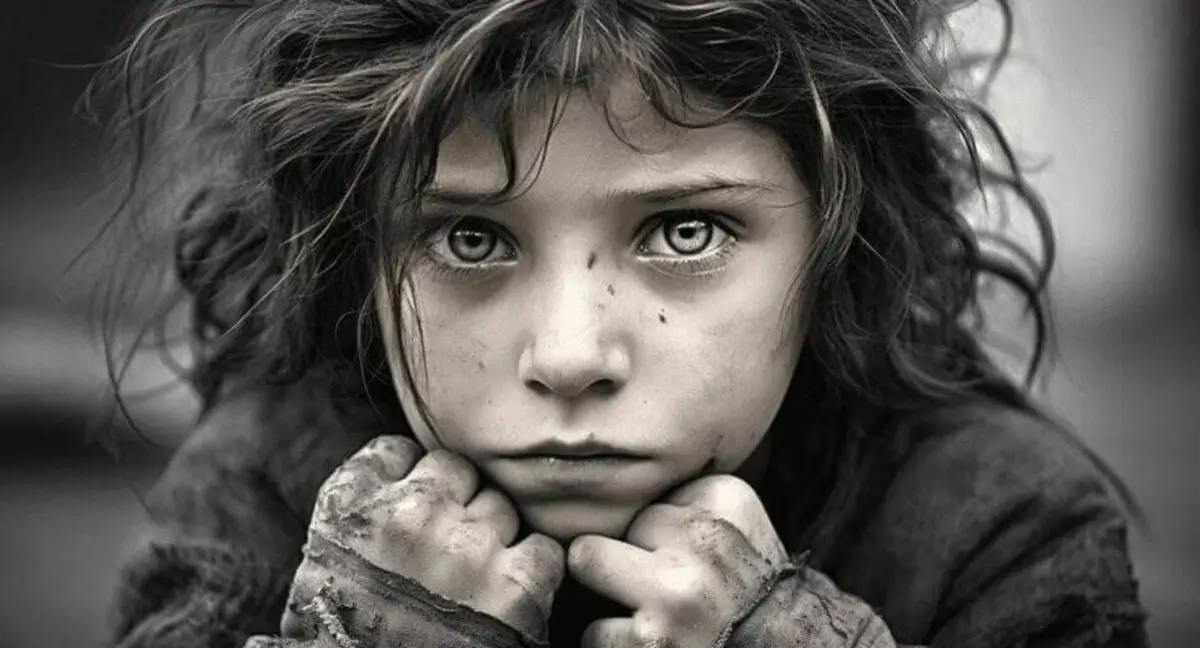

Genocide is the deliberate killing of a group of people because of who they are — their religion, their ethnicity, their nationality. It’s the worst thing one group of humans can do to another, and it has happened more times than most people realize.
This article walks through the five worst genocides in modern history: who carried them out, who died, and why. The point isn’t to rank suffering. It’s to recognize the patterns, because genocides don’t come out of nowhere. They’re built — slowly, deliberately, with rhetoric and propaganda and dehumanization that almost always show up first.
Gaza Genocide
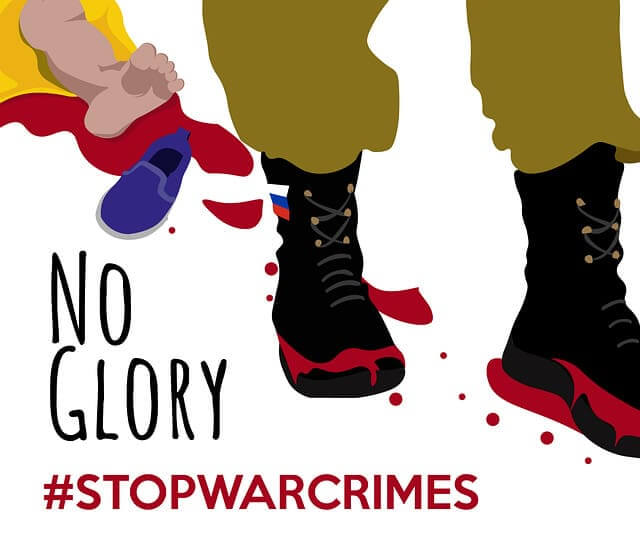
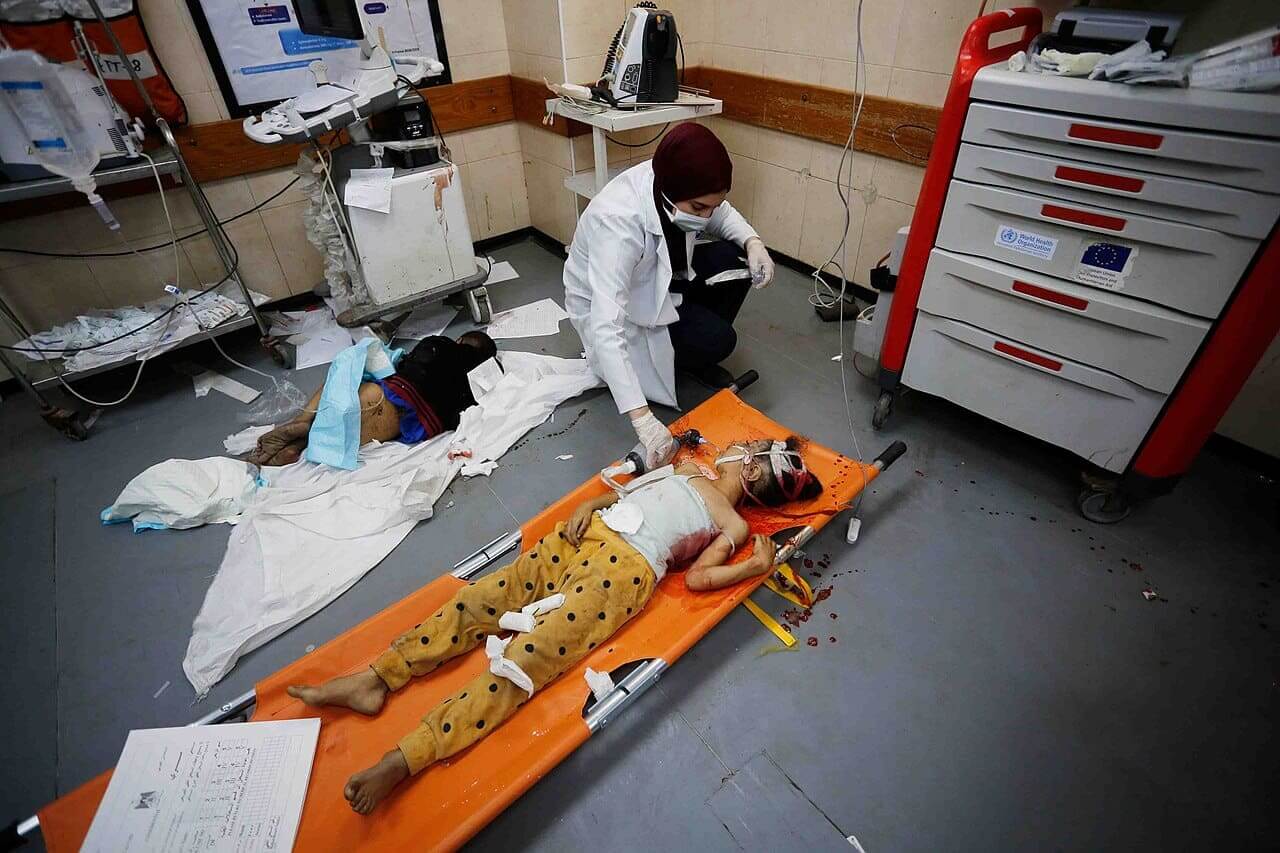
Before we get into the past, it’s worth saying out loud what’s happening right now. The war in Gaza has been called a genocide by Amnesty International in December 2024, by United Nations human rights experts in March 2024, by the EU’s former top diplomat in May 2025, and by South Africa in its case before the International Criminal Court. South Africa’s filing lays out the war crimes — including the use of starvation as a weapon — in detail.
Some experts on the region, including longtime supporters of Israel, agree that what’s happening in Gaza fits the definition of genocide. Others push back, arguing it’s ethnic cleansing, or “just” war crimes, or a humanitarian catastrophe.
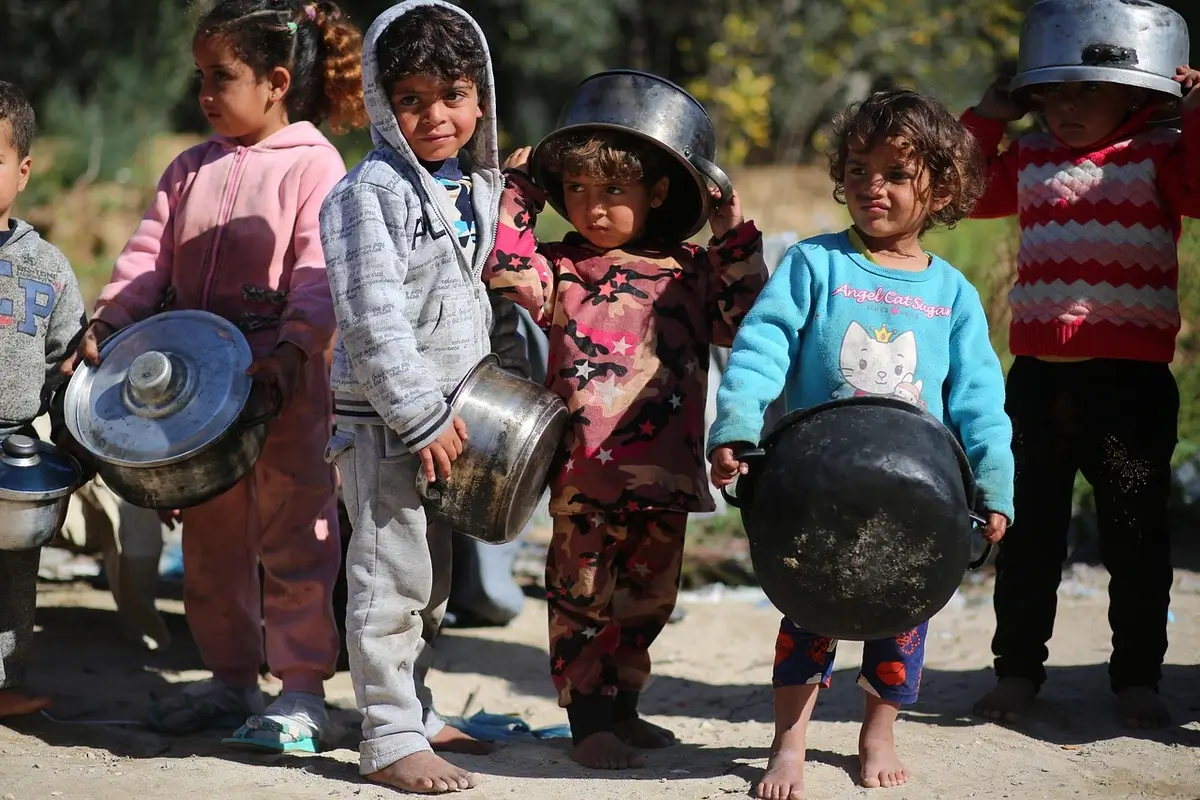
The arguments have gone in circles since Israel’s response to the Hamas attack on October 7, 2023, which killed close to 1,200 Israelis and took 250 hostage.
But the debate gets a lot simpler when you listen to what Israel’s far-right ministers are saying themselves. Bezalel Smotrich and Itamar Ben Gvir have been open about the plan: push Palestinians into a small strip of southern Gaza, then push them out of Palestine entirely so Israel can take the land.
Ben Gvir said the only reason any food is being allowed in is because the United States — which funds the war — is worried about the optics of children starving to death. Just enough food to keep them alive, he said, so the U.S. keeps writing checks.
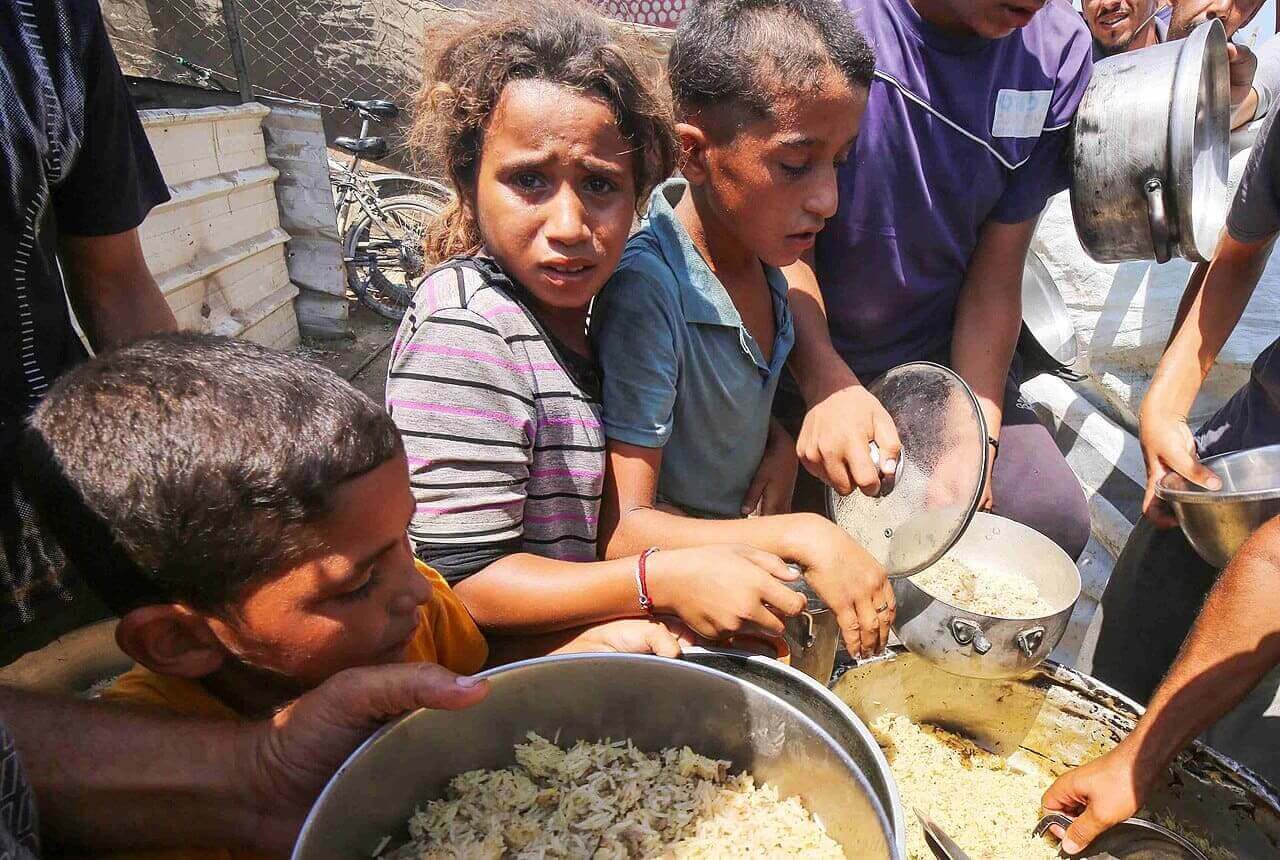
After the U.S. State Department slammed the Israeli Ministers for publicly stating the plan, Ben Gvir was unfazed: “We are not another star in the US flag.”
That’s now. The rest of this article is about the past — but the past is what teaches us to recognize the warning signs.
What Genocide Actually Means
A Polish-Jewish lawyer named Raphael Lemkin made up the word genocide in 1944. He combined the Greek genos (race or family) with the Latin cide (killing). He needed a word for what the Nazis were doing because no existing word was big enough.
The United Nations Genocide Convention, passed in 1948, defines it more precisely: acts committed with intent to destroy, in whole or in part, a national, ethnic, racial, or religious group. That includes outright killing, but also causing serious physical or mental harm and deliberately creating conditions designed to wipe the group out — like cutting off food, water, or medical care.
The intent part is what separates genocide from other mass violence. You don’t need to kill every single person in the group. You just need to be trying to destroy the group itself.
If you want to go deeper on any of the events in this article, the Cambridge World History of Genocide is the most thorough resource available. It comes in two volumes.
Genocide vs. Ethnic Cleansing
These two terms get used interchangeably, and they shouldn’t be.
Ethnic cleansing is forcing a group of people out of a place — through violence, threats, burned villages, mass deportation. The goal is to change who lives there. The group itself isn’t necessarily meant to be destroyed; they’re just meant to be gone.

Genocide goes further. The goal is the destruction of the group itself, wherever they are. Ethnic cleansing can lead to genocide and often does. They overlap. But the legal and moral difference matters, especially when you’re trying to recognize what stage of horror you’re watching unfold.
The 5 Worst Genocides in Modern History
1. The Holocaust
Who did it
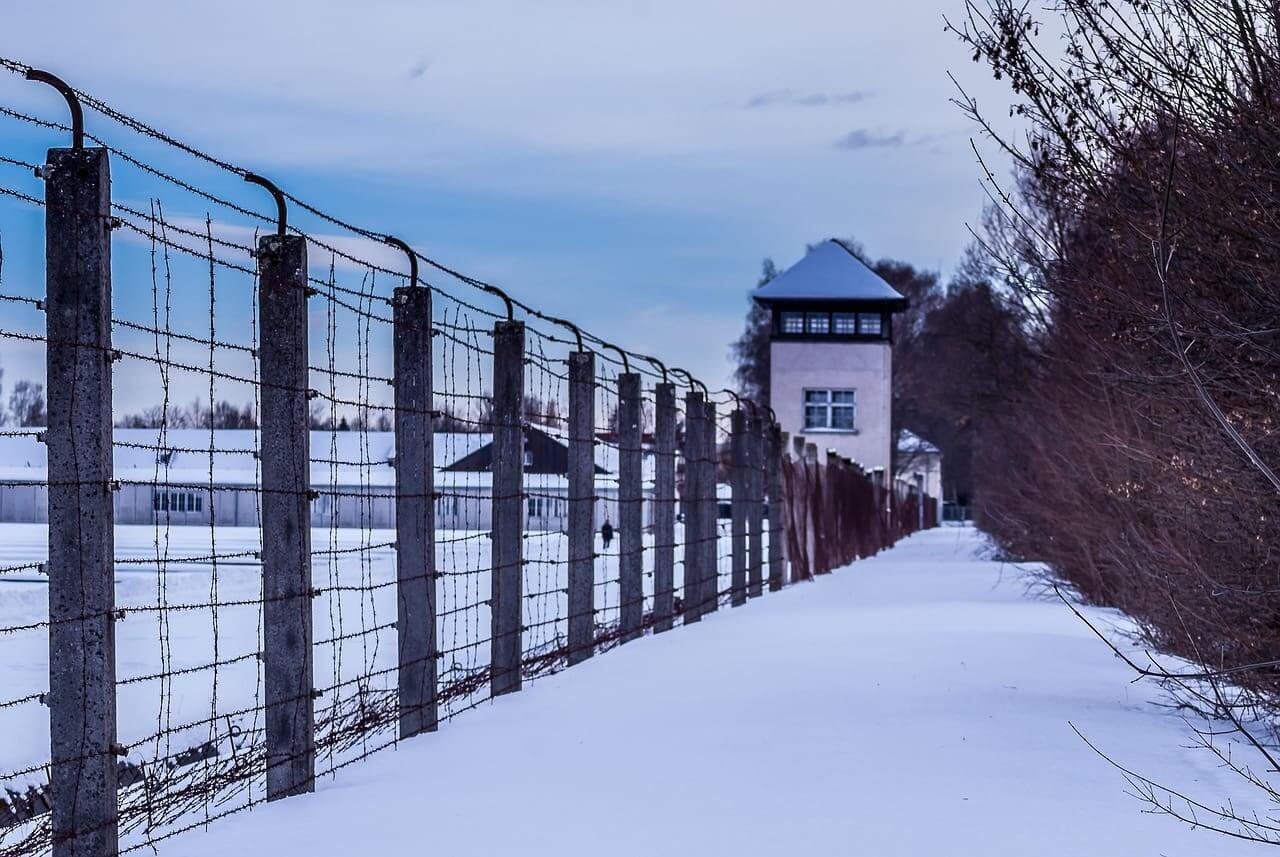
Nazi Germany, under Adolf Hitler, between 1941 and 1945. The Nazis built an industrial-scale killing system — concentration camps, gas chambers, mass shooting squads — designed to murder Jews on a continental scale. By the end, the Holocaust had killed six million Jews, roughly two-thirds of every Jew alive in Europe.
Who they killed
Jews were the primary target, but the Nazis murdered millions of others they considered “undesirable”: Romani people, disabled people, Polish civilians, Soviet prisoners of war, gay men, political dissidents, Jehovah’s Witnesses. The total death toll across all targeted groups was around 11 million.
Why
The Nazis told Germans that Jews were the cause of every problem the country had — economic collapse, military defeat in World War I, cultural decline. They built an entire ideology around the idea that the so-called Aryan race was being polluted and weakened by Jewish people, and that the only solution was to remove them.
First through laws that stripped them of citizenship, then through ghettos, then through mass deportation, then through extermination.
It’s worth pausing on this part because the playbook hasn’t actually changed much. The Nazis didn’t start with the gas chambers. They started by telling people that an unpopular minority was responsible for the country’s problems. Once enough people believed it, the rest followed.
We’re seeing a softer version of the same tactic in the United States right now. The Trump administration isn’t pursuing genocide — that’s an important distinction — but it is using the same propaganda technique.
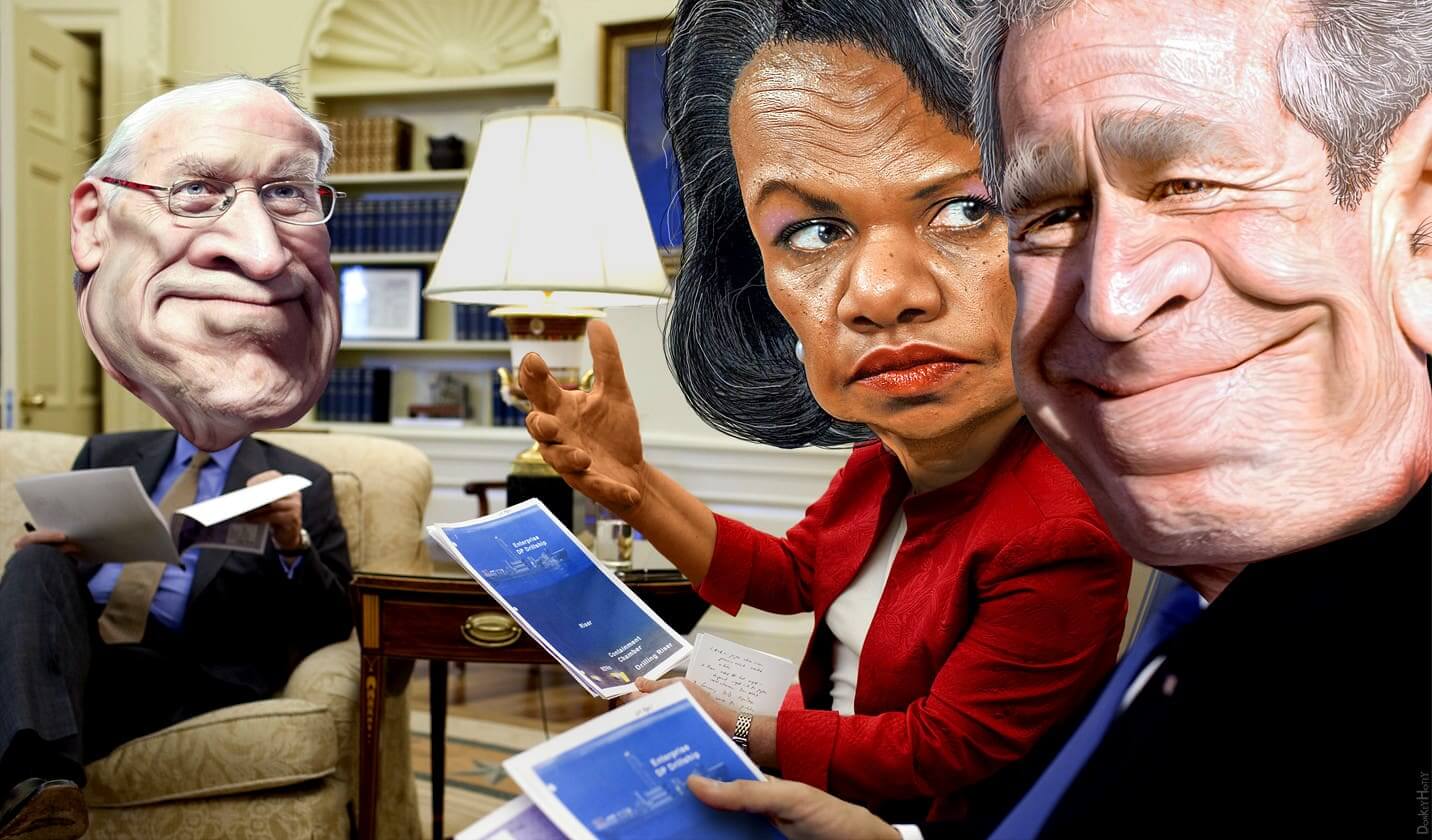

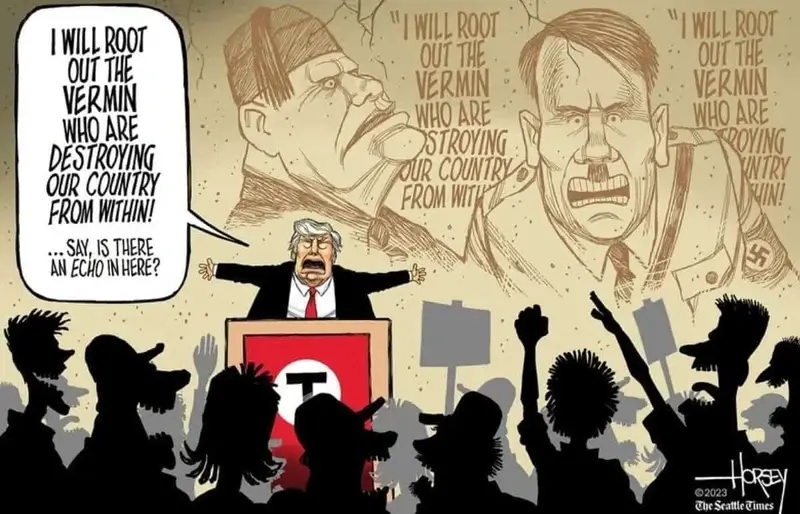
Immigrants are being blamed for housing shortages, unemployment, and crime in struggling rural areas. The dehumanization has gotten extreme enough that American citizens now cheer at videos of immigrants being shackled or detained.
Two separate investigations have shown that 75% of the migrants the administration sent to a notorious prison in El Salvador had no criminal record, and that DHS knew they weren’t gang members or criminals before sending them. The administration sent them anyway.
That’s how this kind of slide starts — and it’s why so many historians who study the Holocaust have been sounding alarms about where this is heading.
2. The Cambodian Genocide
Who did it
The Khmer Rouge, a communist movement led by Pol Pot, ruled Cambodia from 1975 to 1979. In four years, they killed around 1.7 million people — about a quarter of the entire country’s population.
You can read more about the Khmer Rouge regime and how it came to power, but the short version is that the U.S. bombing of Cambodia during the Vietnam War destabilized the country enough to let extremists take over.
Who they killed
Anyone who didn’t fit Pol Pot’s vision of a “pure” peasant society. That meant teachers, doctors, monks, lawyers, anyone who spoke a foreign language, anyone who wore glasses (seriously — glasses suggested literacy, which suggested education, which made you suspect).
Ethnic Vietnamese and Chinese minorities. Religious minorities. People were marched out of cities, forced into the countryside, and worked, starved, or executed in fields that came to be known as the Killing Fields.
Why
The Khmer Rouge wanted to wipe Cambodian society clean and rebuild it from scratch as a rural, classless agrarian society. To do that, they decided everyone connected to the old society had to be eliminated.
The genocide was driven by ideology — the belief that the right kind of country could only exist if you killed off everyone who reminded you of the wrong kind. That’s what utopian thinking looks like when it has a body count.
3. The Armenian Genocide
Who did it
The Ottoman Empire’s “Young Turk” government, between 1915 and 1923. The empire was collapsing, and its leaders decided their Christian Armenian population was the problem. You can read about the broader context of the Ottoman Empire and how its disintegration created conditions for genocide.
Who they killed
Roughly 1.5 million Armenians. Men were rounded up and shot. Women, children, and the elderly were forced on death marches into the Syrian desert without food or water. Many were drowned. Many died of exhaustion and starvation along the way. Whole villages were emptied. It was the first modern genocide of the 20th century, and it set the template for the ones that followed.
Why
Turkish nationalism — the idea that the empire needed to be remade as a homogeneous Turkish state with no room for minorities. Wartime paranoia during World War I made Armenians convenient scapegoats; the government accused them of secretly siding with Russia. None of it was true at scale, but it didn’t need to be true to work as a justification.
What makes the Armenian Genocide distinct, even now, is the aggressive denial that’s still going on. The Turkish government has spent more than a century insisting it didn’t happen.
Many countries — including the U.S., for most of its history — have refused to officially recognize it for fear of upsetting Turkey. Denial is part of how the harm continues after the killing stops.
History repeats itself: There is a genocide happening right now that started in 2023, yet many stull refuse to acknowledge.
4. The Rwandan Genocide
Who did it
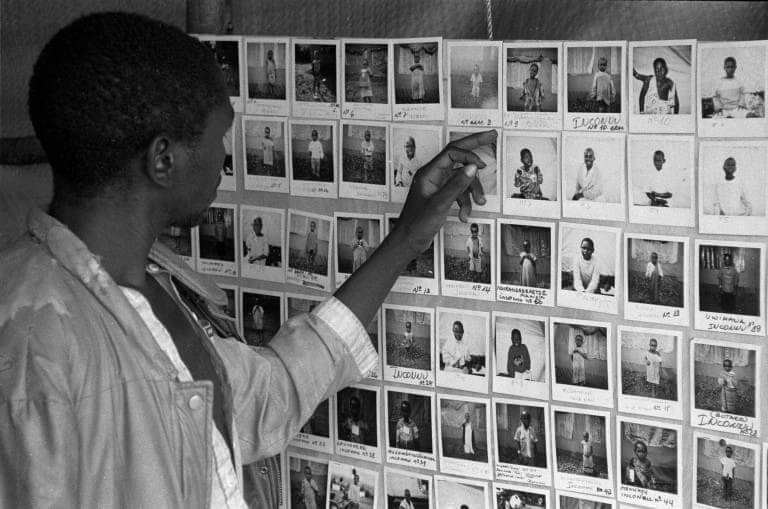
Hutu extremists in Rwanda, including the government, the military, and a militia called the Interahamwe. In 100 days in the spring of 1994, they killed roughly 800,000 people. That’s 8,000 deaths a day.
Most of the killing was done with machetes, by neighbors, often against people the killers had known their whole lives.
Who they killed
Tutsi civilians, primarily. Also Hutus who refused to participate, who tried to protect their Tutsi neighbors, or who were married to Tutsis. The violence included mass sexual assault used as a deliberate weapon — rape was so widespread and systematic that it was later prosecuted as a war crime in international court for the first time in history.
Why
The split between Hutus and Tutsis wasn’t really an ancient ethnic divide — it was largely manufactured by Belgian colonizers, who in the early 20th century classified people by physical features and gave Tutsis preferential treatment. That created decades of resentment that politicians later weaponized.
When Hutu President Juvénal Habyarimana’s plane was shot down in April 1994, extremists used it as a trigger to launch killings they’d been planning for months. Radio broadcasts read out names and addresses. The whole thing was choreographed.
The world watched it happen. The UN had peacekeepers on the ground who were ordered not to intervene. The U.S. spent weeks refusing to use the word “genocide” because using it would have legally obligated a response. By the time anyone acted, three-quarters of the Tutsi population was dead.
5. The Bosnian Genocide
Who did it
Bosnian Serb forces during the Bosnian War from 1992 to 1995, after Yugoslavia broke apart. The worst single act was the Srebrenica massacre in July 1995, where about 8,000 Bosniak (Bosnian Muslim) men and boys were rounded up and killed over a few days, in what was supposed to be a UN “safe area.”
Who they killed
Bosniak Muslims, primarily, along with Bosnian Croats. Men and boys were the main targets of mass killings, but women and girls were the targets of mass sexual violence — rape camps were established as part of the systematic effort to terrorize and destroy the Bosniak population. Around 100,000 people died across the war, with up to half being civilians.
Why
The breakup of Yugoslavia released ethnic tensions that nationalist politicians on every side rushed to inflame. Slobodan Milošević and Bosnian Serb leader Radovan Karadžić promoted the idea of a “Greater Serbia” that required clearing Muslims out of their territory.
Old grievances, some real and some invented, got dressed up as historical destiny. The result was Europe’s worst atrocity since the Holocaust — happening on live television, while the world debated whether to call it what it was.
Why We Keep Studying Them
There’s a temptation to treat past genocides as cautionary tales from a different world — bad things that happened back when people were less civilized. That’s a comforting story. It’s not true.
The five events on this list span a century. They happened in Europe, in Asia, in Africa, in the Middle East. They were carried out by Nazis, communists, nationalists, religious extremists, and ordinary neighbors with machetes.
The common thread isn’t ideology. The common thread is dehumanization — the moment when one group of people becomes convinced that another group isn’t really human, isn’t really entitled to live, isn’t really their problem.
That moment doesn’t announce itself. It’s built up gradually, through speeches and laws and headlines and jokes. By the time the killing starts, most of the work is already done.
Recognizing it is the only protection we have. That’s why we remember.
FAQs
What’s the difference between genocide and war crimes?
Genocide is specifically about trying to destroy a group of people because of who they are. War crimes are serious violations of the laws of war — like deliberately bombing civilians, torturing prisoners, or using banned weapons. The two often happen together, but they’re legally distinct. A war can be full of war crimes without being a genocide. A genocide can happen outside the context of a war.
How do societies prevent genocide?
The honest answer is: by paying attention to the early signs and refusing to look away. That means strong legal protections for minorities, a free press willing to call dehumanization what it is, education that teaches what propaganda looks like, and political leaders willing to address real grievances without scapegoating powerless groups for them. None of this is easy. But every genocide in history was preceded by warning signs that were ignored.
Why does it matter to remember past genocides?
Because the people who carried them out wanted them forgotten. Remembering is how we honor the victims and refuse to let the killers have the last word. It’s also how we recognize the patterns when they show up again — and they do show up again.
What does international law actually do about this?
The Genocide Convention and the International Criminal Court give the world legal tools to prosecute people who commit genocide. They’ve worked in some cases — Bosnian war criminals were convicted, Rwandan organizers were convicted. They’ve failed in others, especially when powerful countries protect themselves or their allies from accountability. The tools exist. The political will to use them comes and goes.