
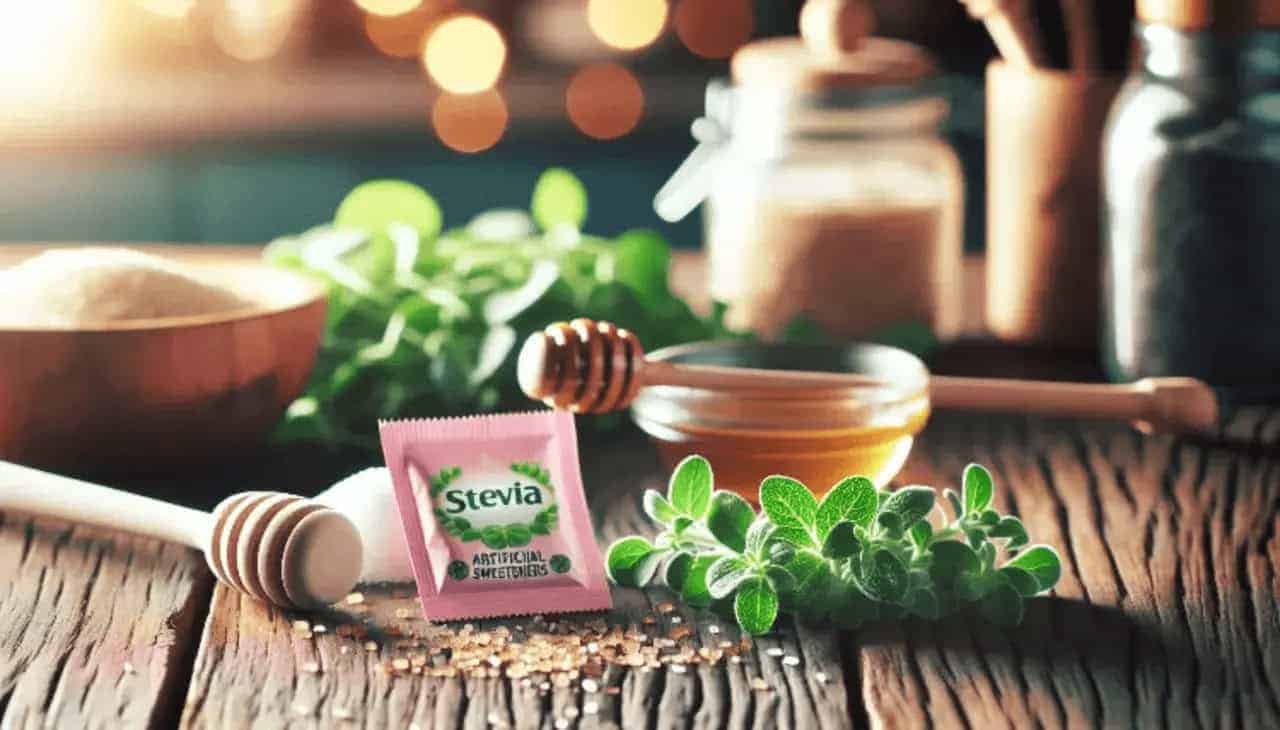

Why was Stevia banned in Europe? Short answer: it wasn't — not the way people mean when they say "banned." Europe just never got around to approving stevia, and that took twenty years and a pile of money.
If you've ever picked up a green packet of stevia in an American grocery store and heard that Europe banned the stuff, you probably assumed regulators found something nasty.
They didn't. What actually happened is duller, weirder, and a lot more revealing about who decides what’s allowed in your coffee.
The EU never banned stevia. It just never said yes.
European food law works backward from what most Americans are accustomed to. In the U.S., an ingredient is generally fair game until somebody proves it's a problem.
In the EU, a sweetener is illegal until it has been formally approved and assigned an E number. No approval, no sale. Nobody in Europe banned stevia. It just got stuck at a locked door nobody had the key to.
Stevia sat at that locked door for two decades.
In June 1999, the EU's Scientific Committee on Food reviewed an application to use stevioside — the sweet compound in stevia leaves — and said no.
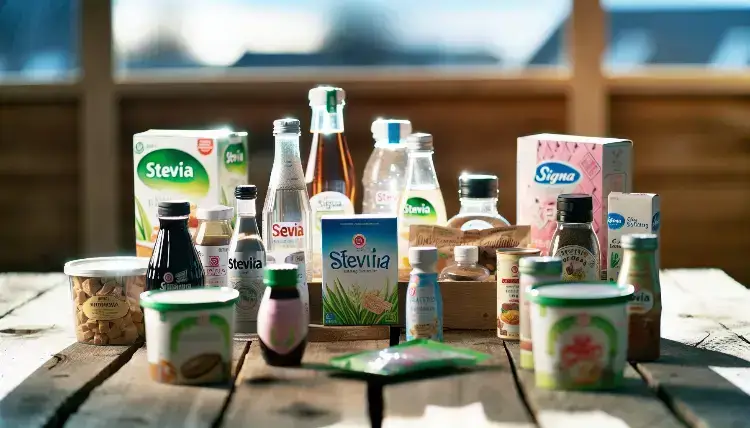
The committee's problem wasn't that it had discovered stevia was dangerous. It was that the data submitted was incomplete. Old rat studies raised unresolved questions about effects on the male reproductive system, and the committee wanted better research in a different rat strain before signing off.
A parallel application to sell the plant and dried leaves as food was refused in 2000 for the same reason: the paperwork contained no safety studies at all.
So stevia stayed off European shelves. Not because it was condemned, but because nobody had done testing, so they didn't have the science to prove it was safe.
Then, in 2011, the door opened
Somebody finally had the science.
After the World Health Organization's food additive committee set a safe intake level and the European Food Safety Authority reviewed the evidence in 2010 and concluded that purified steviol glycosides don't damage DNA and don't cause cancer, the European Commission approved them on November 11, 2011.
They got the designation E960, and products hit European shelves on December 2 of that year.
Stevia leaves took another six years to clear the EU's novel food process in 2017.
You can now buy stevia leaf tea in Europe legally. What you still can't sell there — or here — is crude, unpurified stevia extract in food. Both regulators want at least 95% purity, and the toxicology on the messy stuff was never done.
America looks worse, not better
In May 1991, the FDA issued an import alert blocking stevia leaves and extracts from entering the country, citing inadequate toxicological information.
Federal agents raided health food stores. One company was ordered to destroy its supply. The FDA even went after books that described stevia as a sweetener.
And the complaint that triggered it? Anonymous.
The FDA has never disclosed who filed it. In 1993, Senator Jon Kyl — a Republican, for the record — wrote to the FDA commissioner calling the action a restraint of trade that conveniently benefited the artificial sweetener industry.
Aspartame's patent was minting money at the time, and you cannot patent a plant.
Is that proof the sugar and sweetener lobbies knifed stevia? No. Nobody has produced a smoking gun on either continent, and honest reporting says so.
But a federal agency banned a South American herb on the say-so of an informant it still refuses to name, thirty-five years later. You don't need a conspiracy theory when the transparency failure is in the public record.
The FDA relented in stages: supplements allowed in 1995, then in 2008 it declined to object when Cargill and Merisant declared purified rebaudioside A "generally recognized as safe."


That's the GRAS pathway — where companies certify their own ingredients and the agency simply doesn't argue.
Coke and Pepsi had stevia-sweetened products on the market almost immediately. Whole leaf stevia is still barred from American food, under an import alert last revised in 2025.
Look at that sequence of events again. Stevia was too dangerous to sell until multinationals wanted to sell it.

So is stevia actually safe?

Within limits, the science says yes. The WHO's expert committee set an acceptable daily intake of 4 mg of steviol equivalents per kilogram of body weight, which converts to roughly 12 mg/kg of purified extract. For a 154-pound adult, that's about 840 mg a day — far more than anyone sprinkles in their tea.
But "not carcinogenic" isn't the same as "good for you."
In May 2023, the WHO advised against using non-sugar sweeteners for weight control — and named stevia specifically alongside aspartame and sucralose.
The evidence review found no long-term benefit for body fat, and possible links to type 2 diabetes and cardiovascular disease over time.
Two months later, WHO's cancer agency classified aspartame as possibly carcinogenic while its food safety committee left the daily limit unchanged, which tells you how much regulators themselves disagree.
Stevia is a plant, and the purified sweetener made from it is an industrial product that went through the same corporate gauntlet as everything else in the sugar and sweetener aisle.
The real scandal was never the sweetener. It was a regulatory system opaque enough that twenty years later, we still don't know who made the call that resulted in health food stores being raided.