
When we first asked "what are neocons?" back in June 2025, Donald Trump was deciding whether to bomb Iran's nuclear sites, and a chunk of his own base was begging him not to. He bombed them anyway.
Then, on February 28, 2026, he went much further. The U.S. and Israel launched Operation Epic Fury, a full-scale war on Iran whose opening strikes killed Supreme Leader Ali Khamenei. Iran answered by choking off the Strait of Hormuz. Nearly seven months later, the two countries are still bombing each other, and nobody in Washington can say when the war will end.
So "neocon" is everywhere again. MAGA podcasters hurl it like a slur. Antisemites use it as a code word. And plenty of the people using it couldn't tell you what it means.
Let's fix that. Here's what a neocon is, where the idea came from, and who's playing the part in 2026.
What are neocons? The short answer
Neocons, short for neoconservatives, believe America should use its military power to reshape the world: overthrow hostile governments, stay the planet's unchallenged superpower, and spread democracy, at least in the speeches. War isn't a last resort in this worldview. It's a tool, and they reach for it early and often.
Three terms get tossed around like they mean the same thing. They don't.
- Hawk: anyone who favors military force. Every neocon is a hawk. Not every hawk is a neocon.
- Neocon: a specific movement with a specific family tree, built on the idea that U.S. power should remake other countries.
- Restrainer: someone who wants fewer wars. On the right, that's the "America First" crowd, though their idea of restraint has limits (more on that below).
Where neocons came from
The first neoconservatives weren't conservatives at all. They were mostly New York liberals and former leftists, some of them ex-Trotskyists, who broke with the Democratic Party in the 1960s and '70s. They hated the New Left and the counterculture, soured on Great Society programs, and thought Democrats had gone soft on the Soviet Union.
The socialist writer Michael Harrington popularized "neoconservative" in 1973 as a jab, calling the defectors "socialists for Nixon." Irving Kristol, whom Esquire later crowned the movement's godfather, wore the label proudly and famously described a neoconservative as a liberal who'd been "mugged by reality."
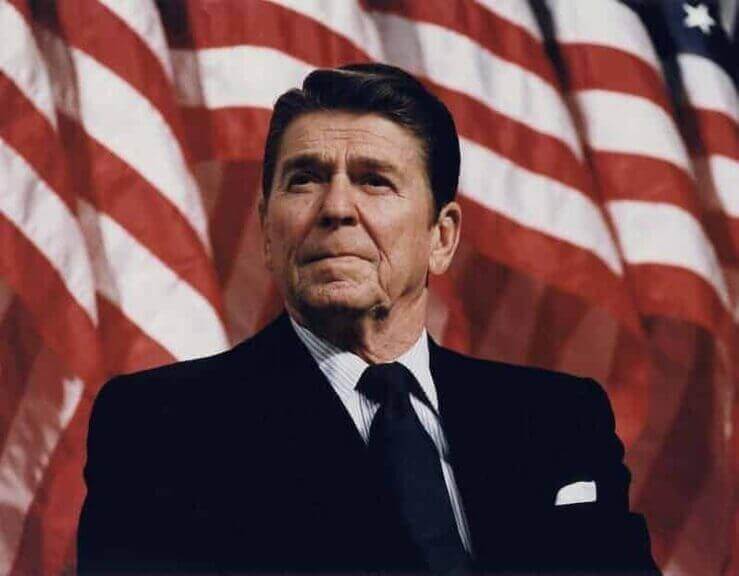
Their influence reached well beyond war. According to National Affairs, the circle's rightward drift helped hand America supply-side economics (you know it as trickle-down), broken-windows policing, and a harder line against détente with the USSR.
They found a home in Ronald Reagan's Republican Party. In 1996, Irving's son Bill Kristol and foreign policy writer Robert Kagan published a Foreign Affairs essay calling for a "neo-Reaganite" foreign policy and a far bigger military budget. The next year, they launched the Project for the New American Century (PNAC).
Dick Cheney, Donald Rumsfeld, and Paul Wolfowitz all signed its founding statement. In January 1998, PNAC urged Bill Clinton to remove Saddam Hussein from power, then pressed Congress that May when he didn't.
After 9/11, those same men were running the vice president's office and the Pentagon. The 2003 invasion of Iraq was sold on weapons of mass destruction that didn't exist. More than 4,400 American troops died there.
Brown University's Costs of War project puts the bill for the post-9/11 wars at about $8 trillion, with 905,000 to 940,000 people killed by direct violence and millions more lost to the disease, hunger, and collapse those wars left behind.
No, "neocon" is not code for "Jewish"
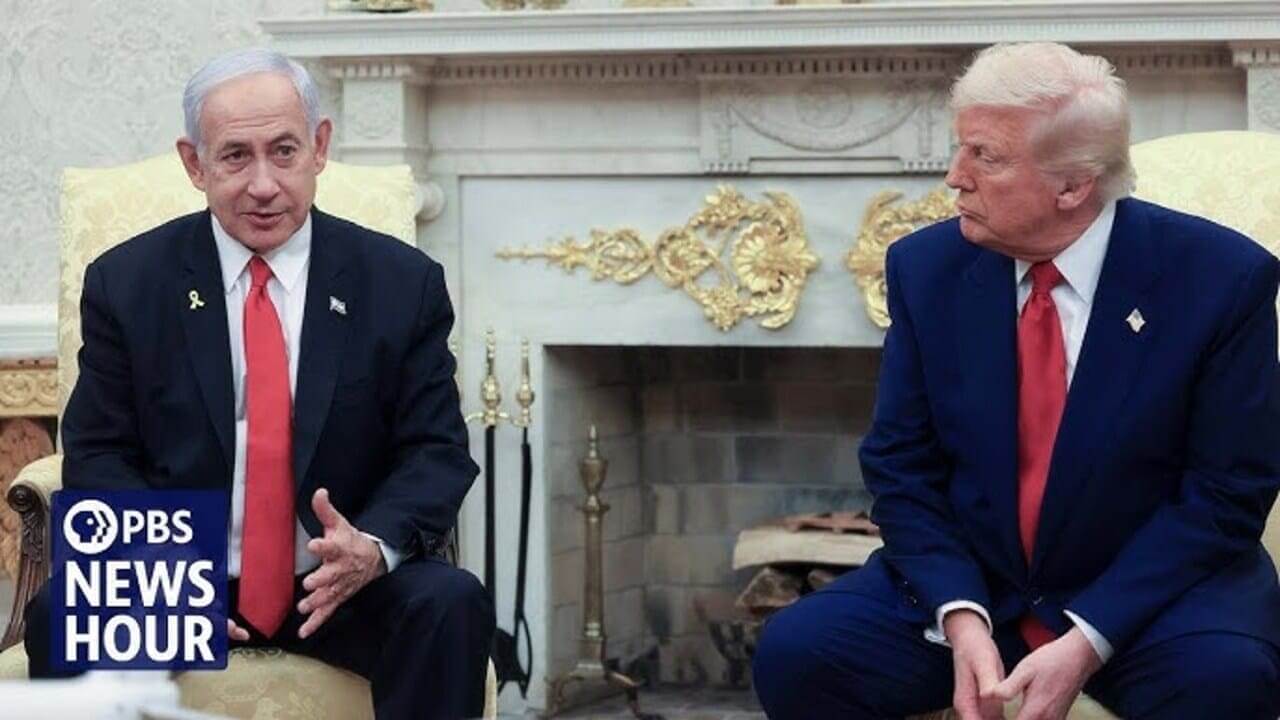
Several of the best-known neocons were Jewish, including Paul Wolfowitz, Richard Perle, and both Kristols (Washington Jewish Week). Antisemites have spent two decades twisting that into a conspiracy theory that Jews secretly drag America into wars.
The Jewish Telegraphic Agency reports the trope resurfaced around this war, pushed by Iranian state media and Western far-right accounts. It’s important to separate Netanyahu and the Israeli government from the citizens of Israel — and especially — Jewish-Americans.
So let's be precise about what's fair and what's poison.
Fair: Benjamin Netanyahu lobbied Trump for a joint strike on Iran's leadership, and reporting cites Israeli intelligence as a decisive factor in Trump's decision. AIPAC money shapes Congress, which is exactly why we built our AIPAC money tracker. The Israeli government's influence on U.S. war policy is a legitimate subject, and we'll keep covering it.
Poison: blaming Jewish people as a group. Cheney and Rumsfeld weren't Jewish. Neither is Trump, who gave the order in 2026, or Pete Hegseth, who carried it out. The conspiracy theory lets the actual decision-makers off the hook and paints a target on Jewish Americans who had nothing to do with any of it.
Where the original neocons ended up
Plot twist: the original neocons became Trump's loudest conservative critics. Trump won the 2016 primary partly by trashing the Iraq War, and the neocon establishment never forgave him. Their flagship magazine, The Weekly Standard, shut down in 2018 after its owner pulled funding over its anti-Trump stance. Bill Kristol co-founded The Bulwark. Kagan left the Republican Party in 2016.
In 2026, the men who spent decades pushing for a showdown with Iran turned on this one. At the Foreign Policy Initiative, the think tank he co-founded after PNAC wound down, Kagan once argued it was "time to take military action" against Iranian targets tied to terrorism and the nuclear program. This May, he wrote that the U.S. had suffered a strategic defeat it can't reverse, leaving Iran holding the Strait of Hormuz and America looking unreliable to friends and enemies alike (Brookings). Kristol said the country had been "humiliated" and urged voters to hold Trump accountable for the war (Mondoweiss).
Before anyone hands them a peace prize, though: Responsible Statecraft points out that some never-Trump hawks object to the man running the war, and how he's running it, more than to the war's goals.
Who plays the neocon role in 2026?
Trump didn't sell this war with Bush-style promises to build democracy. He sold it as self-defense against an "imminent" threat. By the textbook definition, that makes it less a neocon war than a nationalist one.

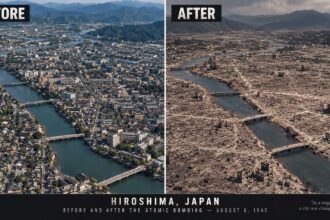
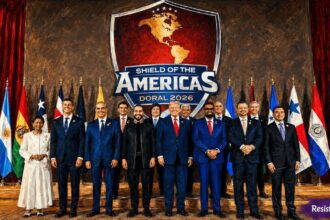
But the cheerleading section looked awfully familiar.
Before his sudden death in July, Sen. Lindsey Graham was the last surviving member of the Senate's old circle of defense hawks and one of the war's most vocal champions.
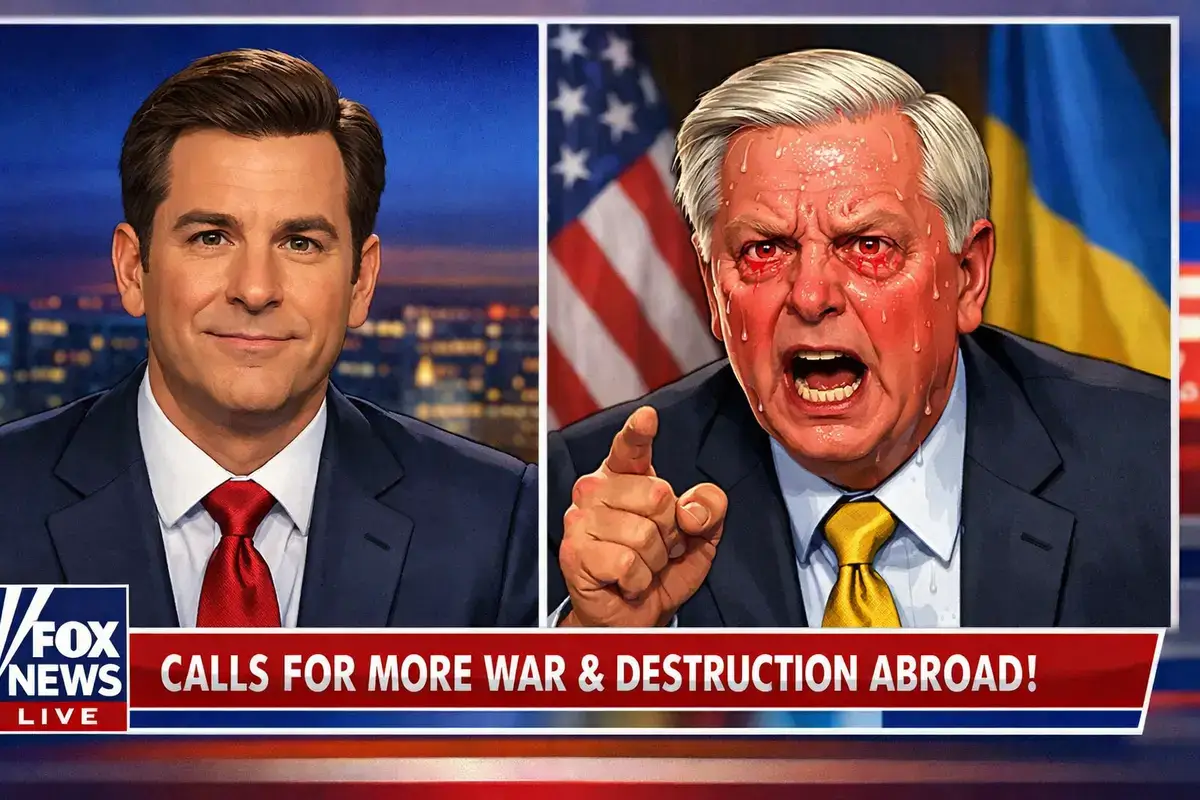
Graham and radio host Mark Levin backed the war all the way and reportedly lobbied for it behind the scenes (Slate). After the April ceasefire, Levin warned Fox viewers that Iran wouldn't go away without regime change.
When a deal to wind down the war took shape in June, he attacked that too, and even tangled with a Trump adviser who accused him of undermining the president. Sen. Roger Wicker, who chairs the Armed Services Committee, called a rumored 60-day ceasefire a "disaster." Sen. Ted Cruz, a likely 2028 contender, backed the war from the start.
Once the bombs started falling, argued Jack Hunter at Responsible Statecraft, you could barely tell MAGA's foreign policy apart from the neocon agenda Trump used to mock.
The "anti-war" right: loud, but not your ally
On the other side stand MAGA's restrainers. Tucker Carlson called the war a "betrayal" of the voters who elected Trump, and Steve Bannon warned it would cost Republicans at the ballot box in November (ABC News). Former Rep. Marjorie Taylor Greene accused Trump of breaking his no-new-wars promise (Slate).
Trump's response was to call Carlson, Megyn Kelly, and Candace Owens "stupid people" and insist they weren't real MAGA (CNN).
The biggest defection came from inside the government. In March, Joe Kent resigned as director of the National Counterterrorism Center, writing that "Iran posed no imminent threat to our nation" and blaming pressure from Israel and its American lobby (CNN).
But anti-war isn't the same as anti-violence. Religion Dispatches warned progressives not to mistake Kent for an ally. Bannon's big complaint was that the Middle East was a distraction from immigration enforcement and China (NBC News). The same movement cheers mass deportations and the administration's boat strikes and ground operations in Latin America. Their problem isn't the violence. It's the zip code.
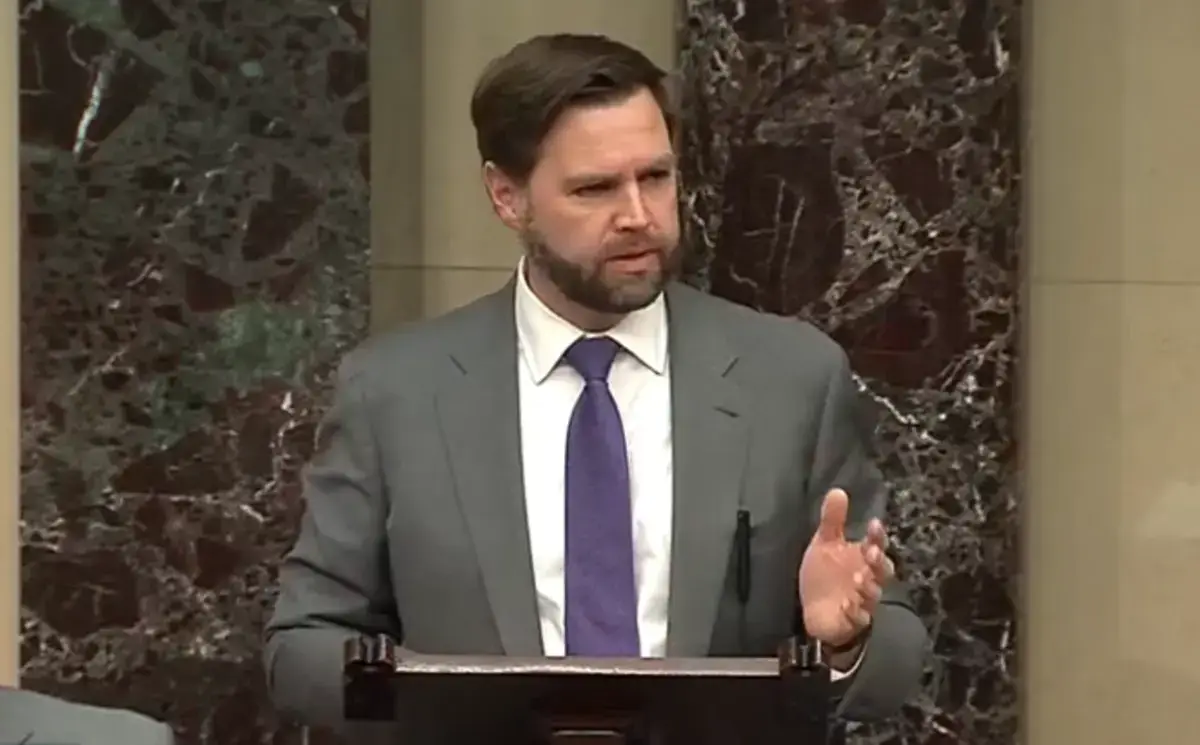
As for JD Vance, once the restraint wing's great hope: he initially opposed going to war, then defended it, and this month told reporters he "wouldn't call it a war" while U.S. and Iranian forces kept exchanging fire.
The "MAGA split" was smaller than the headlines
Our original guide bet on young MAGA voters pushing back against the war hawks. The numbers tell a messier story.
A Marist poll taken days after the strikes found 84% of Republicans supported the military action, even as 56% of all Americans opposed it. Gabe Fleisher at Wake Up to Politics estimated that MAGA critics like Carlson and Bannon speak for about 3% of Republicans.
The real generation gap runs through the whole country. Americans ages 18 to 29 were the most opposed of any age group, at 64% (NPR). Among young conservatives specifically, the data conflict: a Schoen Cooperman poll found 61% supported the war, while young Republicans interviewed by PBS News described sharp divisions.
When Trump chose war, most of his base followed Trump, not Tucker.
Where the Iran war stands now
A Pakistan-brokered ceasefire took hold April 8, and Trump and Iran's president signed a memorandum of understanding on June 17 to extend it 60 days while they negotiated. It didn't hold. After Iran fired on commercial ships in early July, Trump declared the truce over (Britannica). On September 5, U.S. forces struck an Iranian oil tanker in the Gulf of Oman, and on September 13 a regional meeting on reopening Hormuz was postponed indefinitely.
At least 18 U.S. service members have been killed. Thousands have died in Iran and Lebanon. The aftershocks reach home, too, from record diesel prices to sailors pushed past their breaking point.
Congress never authorized any of it. On September 15, the House voted 220–204 to end the war, the third time it has done so, with seven Republicans joining every Democrat. CNN now calls it the nation's first "one-party war."
Why the pattern matters more than the label
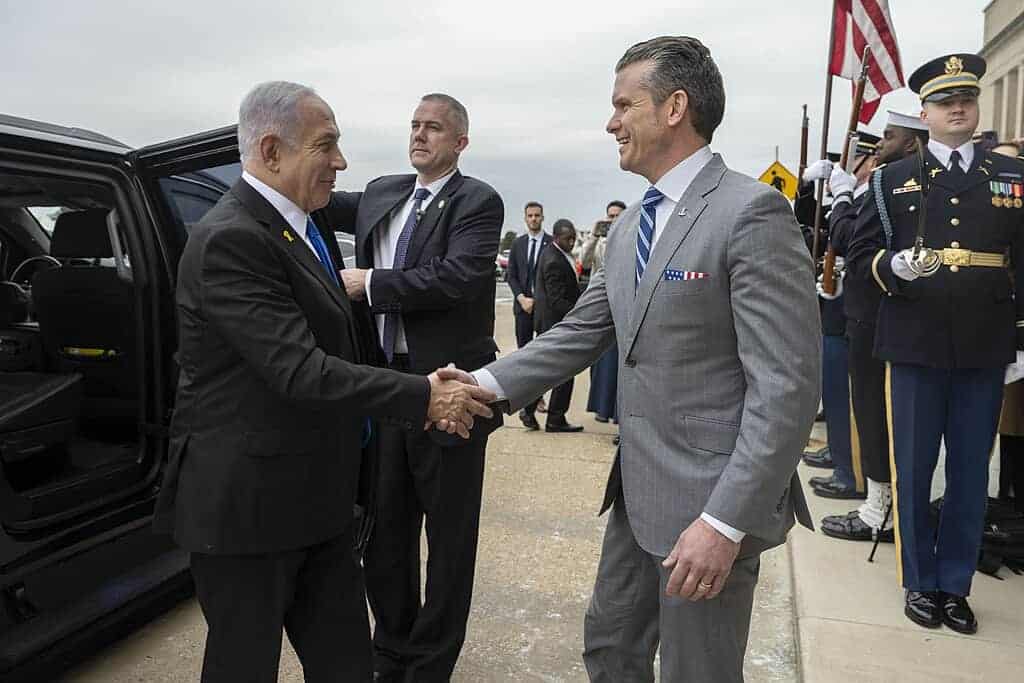
Iraq was supposed to be quick. In this war's first week, Hegseth promised America was winning "decisively, devastatingly and without mercy." Seven months later, even the vice president can't say whether it will be over by the midterms.
Call them neocons, America Firsters, or "peace through strength" Republicans. The pattern doesn't change: the people who sell wars on fear rarely pay for them. Soldiers do. Civilians do. Eventually, so does your grocery bill.
With the midterms on November 3, look up how your representative voted on war powers, and check whether they take AIPAC money. For everything else, our Iran war hub has the full story.
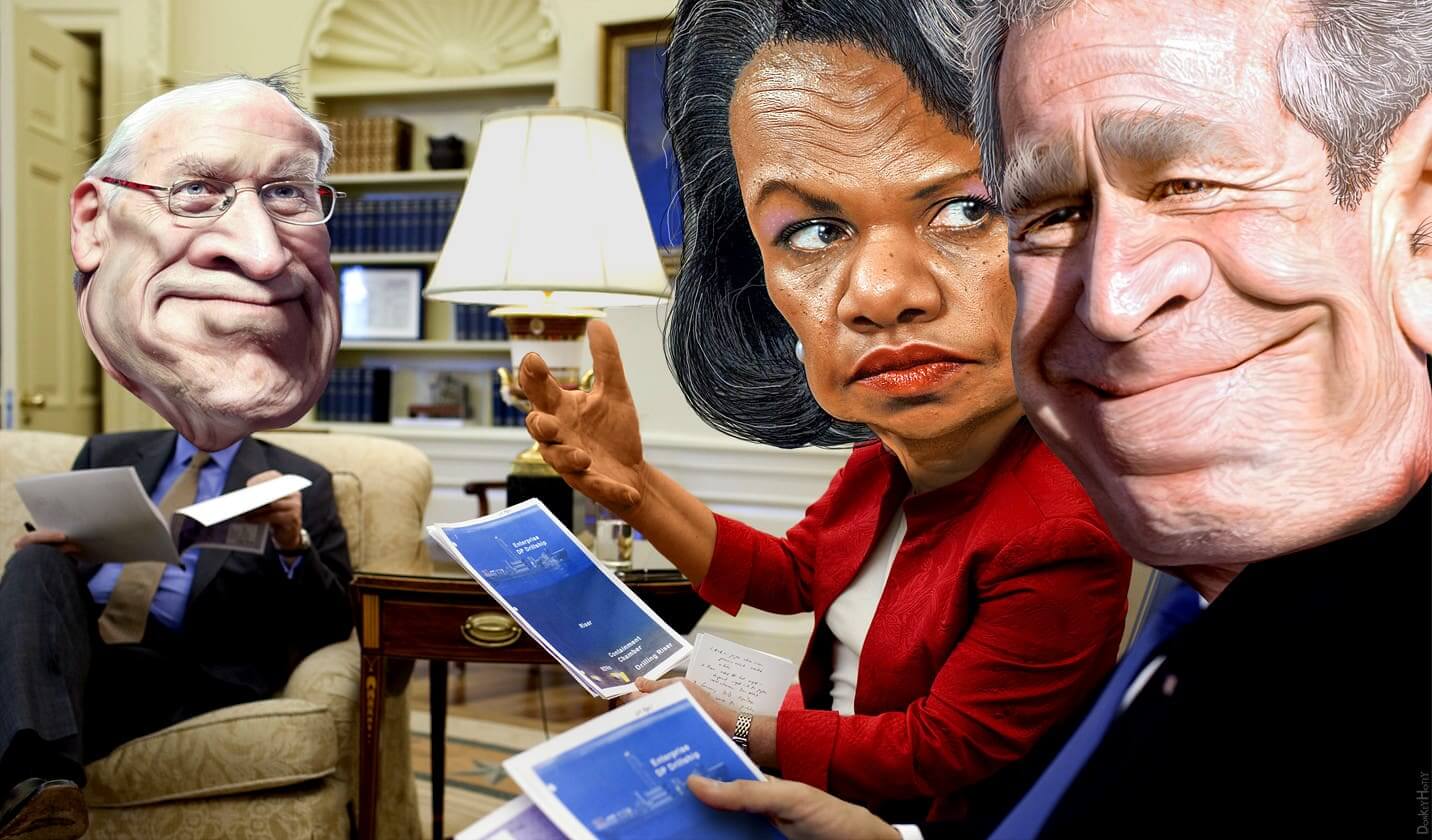
Featured image of “Neocons” by Donkeyhotey.