

The United Kingdom is experiencing record-breaking May temperatures during a UK heatwave. People are turning to the water for relief.
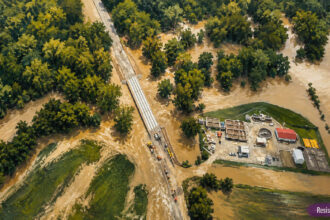
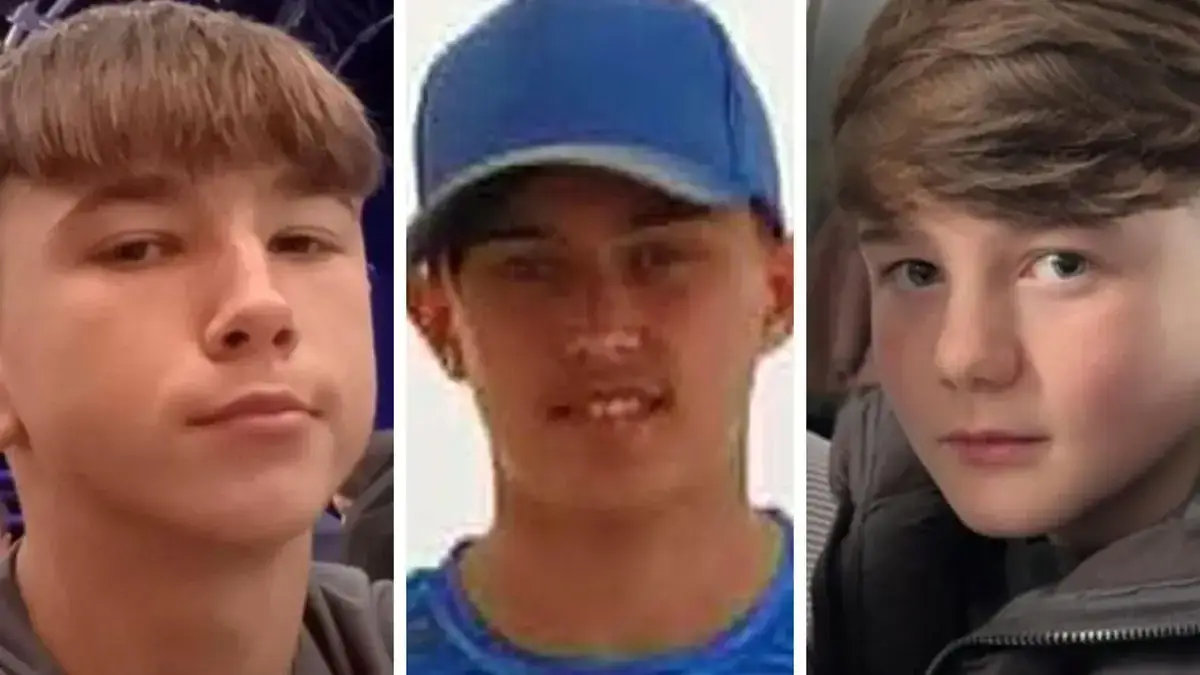
Junior Slater was twelve years old. On Tuesday afternoon, he went swimming with his friends in the River Ribble at Ribchester, in Lancashire. He got into trouble in the water. A massive emergency response — fire crews, paramedics, police, underwater search teams — converged on the village.
His body was recovered just before 8 p.m. His family called him their “little blue-eyed boy,” and said he would be truly missed.
He is one of at least nine people who have died in open water across the United Kingdom during the past week’s record-shattering May UK heatwave. Seven of them were children.
The pattern is brutal in its repetition. Fifteen-year-old Declan Sawyer drowned at Swanholme Lakes in Lincoln on Sunday. A 13-year-old boy died at Leadbeater Dam near Halifax. Teenagers were found dead in Warwickshire and South Yorkshire. On Wednesday afternoon, Hampshire and Isle of Wight Constabulary recovered the body of another teenager from Hawley Lake near Blackwater. A man in his sixties died of cardiac arrest at a Cornish beach after wading in to help family members who were in trouble.
UK heatwave water warnings
The Royal Life Saving Society UK issued a warning following the deaths: “warmer weather unfortunately sees an increase in accidental drownings.” The Royal National Lifeboat Institution warned of the “very real risk” of swimming in open water during the heatwave, noting that while air temperatures have hit record highs, the water remains dangerously cold.
That is the part that catches people. The sun is out, the air is hot, the surface of a lake or a river looks inviting. Underneath, the water is still in early spring.
The shock of entering it can take a strong swimmer’s breath away — a phenomenon called cold water shock — and even people who swim well in pools can find themselves unable to control their breathing or move their limbs.
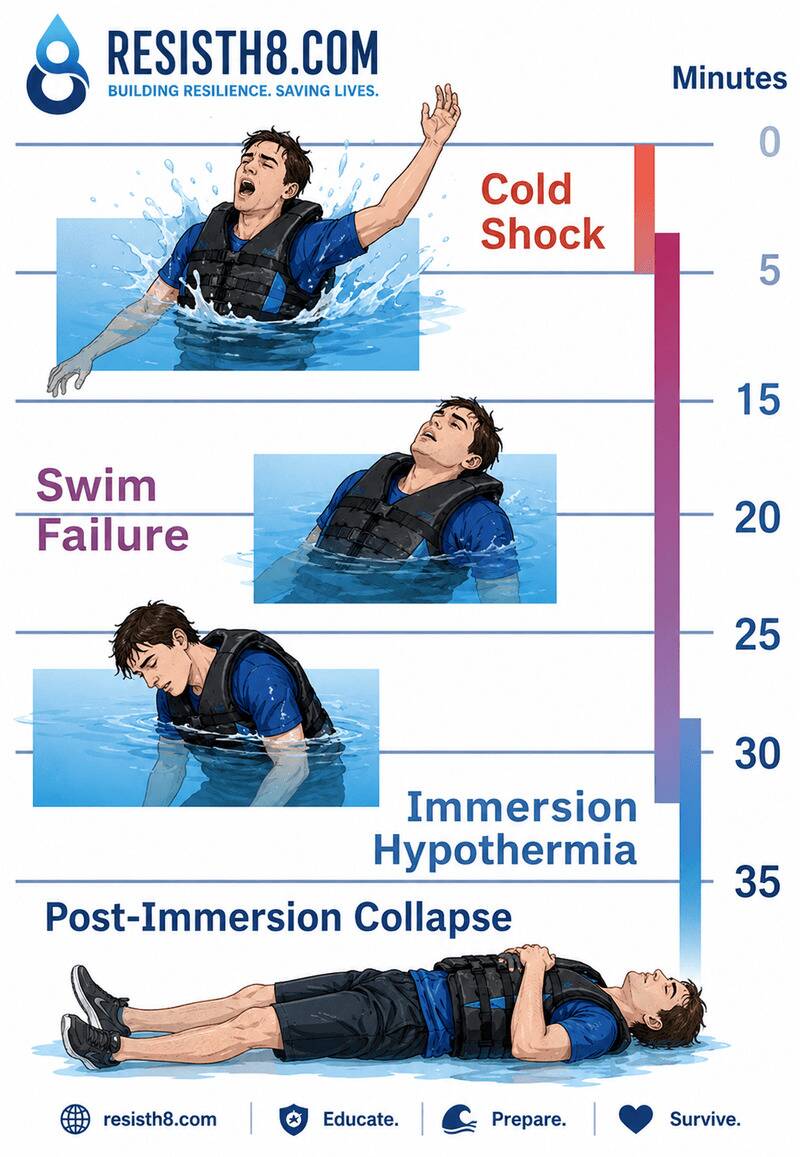
Currents underneath the calm surface of a river do the rest. Lee Heard of the RLSS has described it as “silent, invisible and deadly.”
The heat that broke records
This was not an ordinary spring warm spell. The United Kingdom recorded its hottest May day ever on Monday, when 34.8°C (94.6°F) was logged at Kew Gardens in London. The record was broken again the next day, when 35.1°C (95.2°F) was recorded. The previous high for May had stood since 1922.
Overnight temperatures broke records too. In Kenley, the temperature did not fall below 19.4°C (66.9°F), surpassing a record set in Folkestone in 1944.
Climate scientists have been saying for years that what people in Britain experience as a freak heatwave will, with each passing year, look more like an ordinary summer. May 2026 has now offered the country a preview of what that means in practice: bodies pulled from rivers and lakes, parents identifying their children, a charity sector that prevents drownings warning that it cannot keep up with the curve.
The deaths are not climate change in the way a hurricane making landfall is climate change. People drown in British rivers every summer. But the scale of this week’s losses, in May, on what should still be a chilly bank holiday weekend, is what happens when a country built for cool, damp weather is repeatedly subjected to conditions it was not built for.
Schools are not on break yet. Lifeguard services at lakes and beaches aren’t yet fully staffed. Families head to the water because the air is unbearable, and the water has not had time to warm.
What the safety guidance actually says
The advice from the RLSS and the RNLI is unglamorous and worth repeating.
- Swim only at supervised sites.
- If supervised swimming is not an option, do not jump in.
- Enter the water slowly, allowing the body to acclimate.
- If you do get into trouble, fight the urge to thrash — lean back, extend your arms and legs, float on your back until you can control your breathing, and only then call for help or attempt to move.
- If you see someone in trouble, do not enter the water yourself. Call 999 (911 in US) and ask for the coastguard if you are on the coast, or for the fire and rescue service inland.
- Throw something that floats.
These instructions feel inadequate next to a child’s death. They are, however, what survives the encounter.
The families
The families are doing the worst work a family can do. They are choosing photographs to release to the press. They are reading tributes online. They are answering questions from officers and coroners.
Junior Slater’s family released a single sentence: “Our little blue-eyed boy. He will be truly missed.”
The temptation in coverage of stories like this is to treat the dead as a number. Nine drownings. Seven children. The numbers are how the warning lands. The names are how the grief lands. Both belong in the record.
The heat will pass. The next one will arrive sooner, and last longer, and the water will not have caught up to the air. The country will need to decide whether the response is more lifeguards, more education in schools, more bans on swimming at unsupervised sites, or some combination of all three.
What is not an option is the response Britain has reached for in past heatwaves: shock at the deaths, a week of warnings, and then nothing until the next round of bodies.
Junior Slater was twelve years old. He was swimming with his friends on a hot afternoon in May.