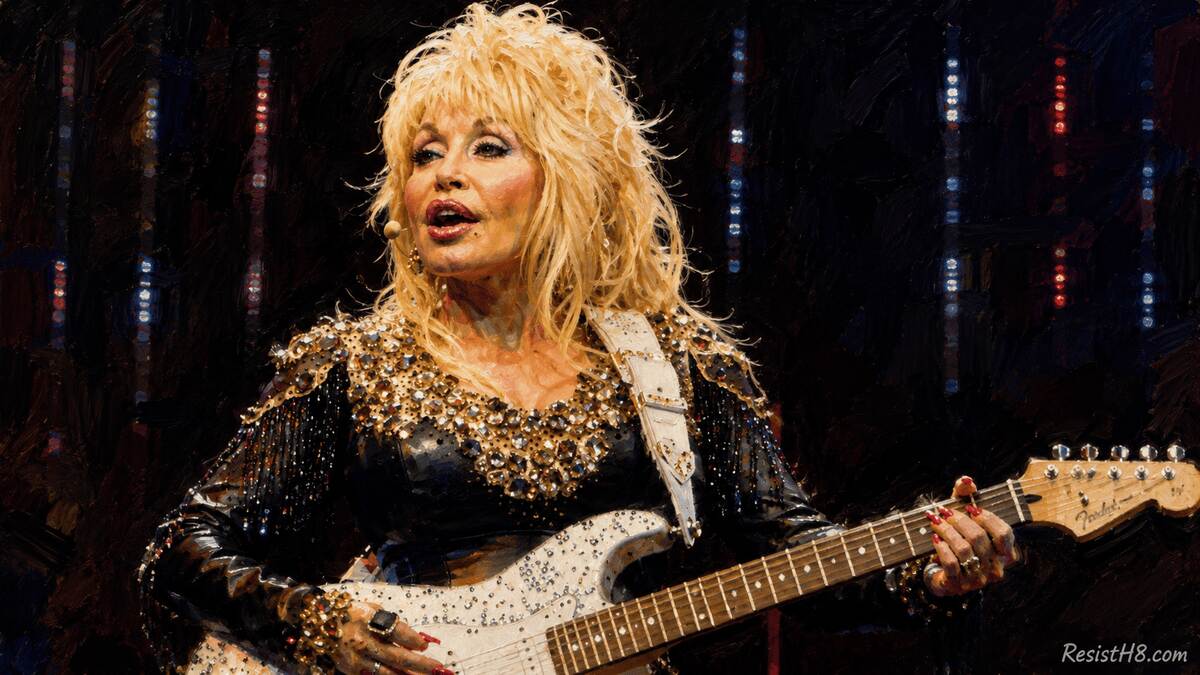

Dolly Parton died in Nashville on Tuesday, August 25, at 80 years old. That same day, in a federal courthouse in Houston, a judge appointed by Ronald Reagan struck down the Texas drag ban — and cited her by name as an example of a performer the law could have criminalized.
What the law did
S.B. 12, signed by Gov. Greg Abbott in 2023, never uses the word "drag." That was the point.
Instead, it banned "sexually oriented" performances on public property or anywhere a person under 18 might be present. It defined the target so specifically that nobody could miss who it meant: a male performer presenting as female, or a female performer presenting as male, using clothing or makeup, who then sings, lip-syncs, or dances for an audience.
Businesses that hosted an all-ages show faced $10,000 fines. Performers faced a Class A misdemeanor and up to a year in jail.
Putting on a wig and doing a Dolly number in a bar where somebody's teenager was eating fries could land you in jail.
The ruling
U.S. District Judge David Hittner ruled Tuesday that S.B. 12 is an unconstitutional restriction on speech under the First Amendment, and separately unconstitutionally vague under the Fourteenth Amendment's Due Process Clause.
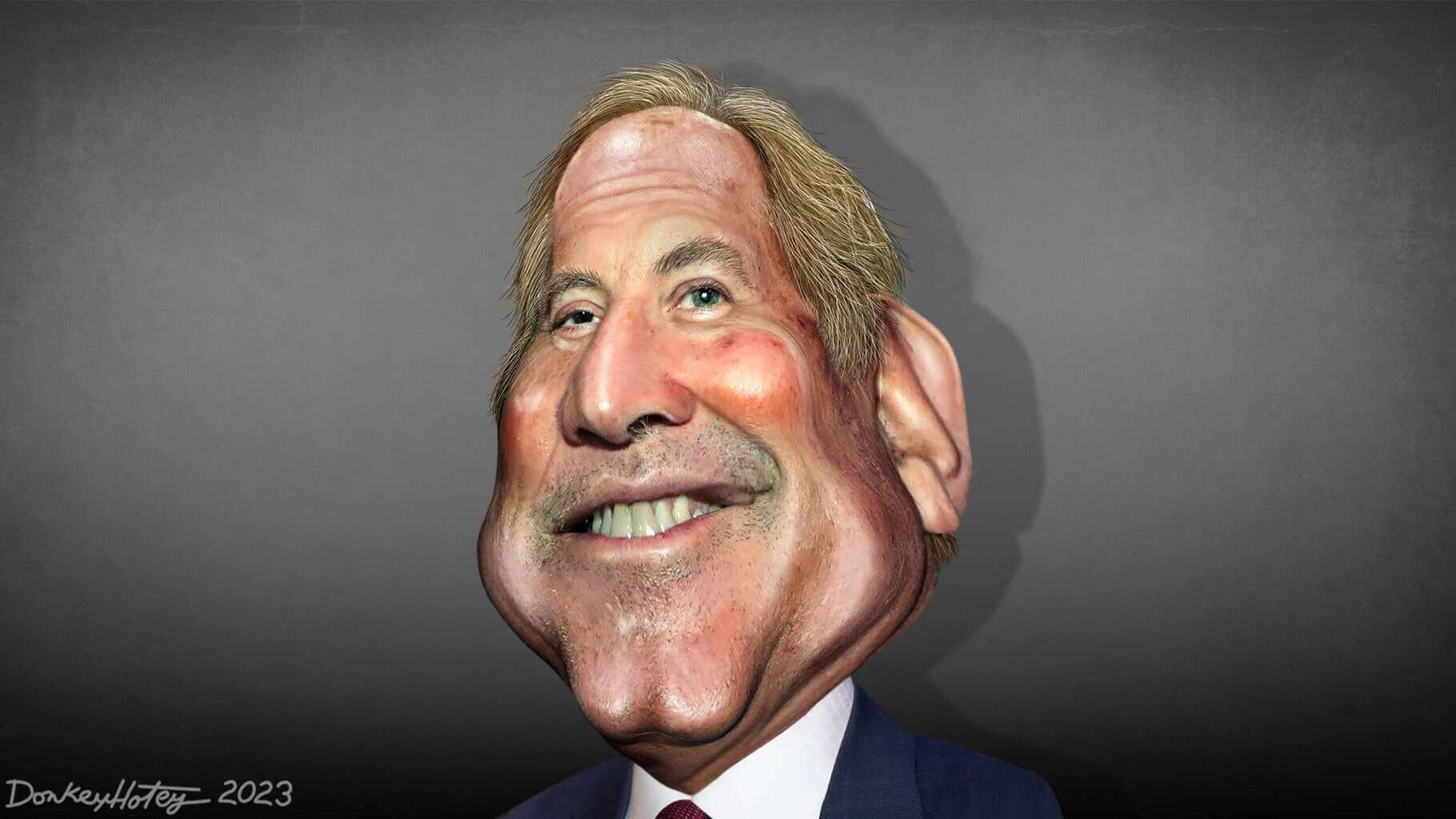
He barred Attorney General Ken Paxton from enforcing it and denied Paxton's motion for a new trial.
The vagueness finding is the part worth understanding, because it does the most damage to laws like this one.
Texas built S.B. 12 around performances appealing to a "prurient interest in sex."
That phrase, Hittner noted, isn't defined anywhere in Texas law and has no plain everyday meaning — and yet it's the trigger for every penalty in the statute.
A law that puts you in jail has to tell you in advance what will put you in jail. This one couldn't.
So Hittner ran the phrase out to its logical end. A gymnast in a leotard. A singer in a low-cut dress.
And, as NBC News reported, Dolly Parton — whose reputation as a sex symbol rested, in the state's own logic, on big hair, flamboyant clothes, and her figure.
Texas's attorneys had actually argued in court that a Parton impersonator could violate the law. Hittner took them at their word and showed them where it led.
He closed with a line that has been shared online all week:
For anyone who finds these performances offensive, he wrote, the solution is simple: just don't go.
Brigitte Bandit
One of the plaintiffs is Brigitte Bandit, an Austin drag performer whose signature act is Dolly Parton. In 2023, Parton sent her a rhinestone guitar.
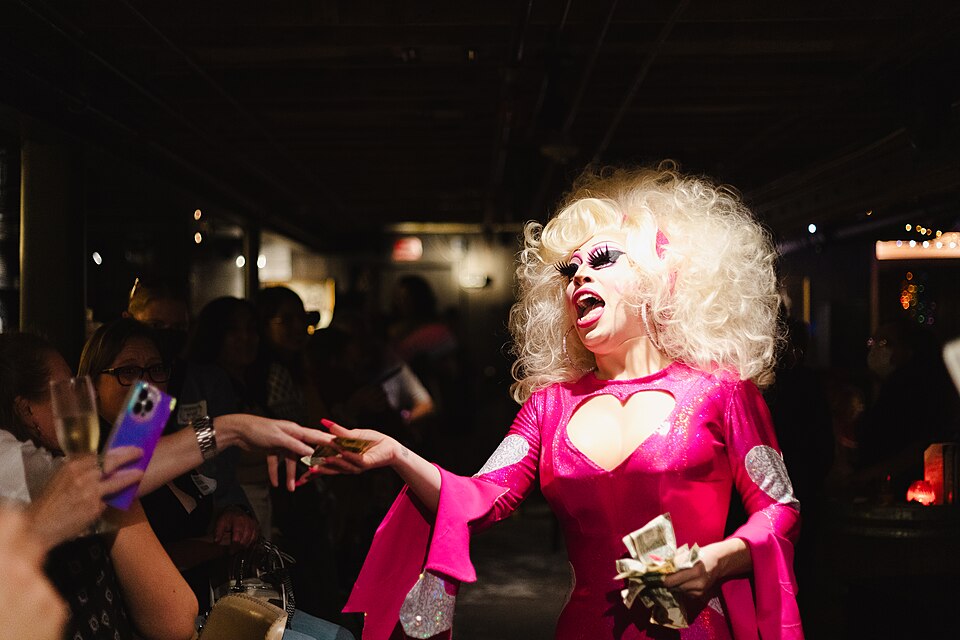
Bandit spent three years as a named defendant-in-waiting in her own state, testifying at the Capitol, fighting a law written to make her act a crime.
On Tuesday, she learned her hero had died and that she had won, in a ruling that invoked her hero to explain why.
She posted that drag is free speech, and announced a tribute show in Austin that weekend.
That's the human scale of this — a working performer in Texas who spent three years wondering whether her job was a misdemeanor.
It’s not over
Paxton, who is running for U.S. Senate, called the ruling profoundly flawed and an affront to Texas values, and said he will appeal immediately.

He has reason to think that will work. Hittner struck this same law down once before, in September 2023.
The Fifth Circuit vacated that injunction last November on standing grounds, let the law take effect, and sent the case back with instructions to narrow it.
Hittner narrowed it and reached the same conclusion. Now it goes back up to the same appeals court.
And the national picture is moving the other way.
In late July, the full Eleventh Circuit ruled 8-5 for Florida in the Hamburger Mary's case, reversing an injunction that had blocked that state's restrictions on minors attending drag performances.
Legal observers expect that case to reach the Supreme Court. Arkansas, North Dakota, and Tennessee have similar laws on the books.
Texas queens can work again today. Whether they can work next year depends on judges who haven’t ruled yet.
Why they keep writing laws like the Texas drag ban
Notice what S.B. 12 actually required. Not proof of harm. Not obscenity, which is already unprotected and already illegal.
It required a performer to be the wrong gender in the wrong outfit in a room with a minor in it.
That's the tell. These bills are not about protecting kids from explicit content — Texas already has laws for that, and always did.
They are about making a category of person unemployable and then, eventually, arrestable.
The same week Hittner ruled, the Department of Health and Human Services published a report suggesting that people who support trans rights carry a psychological profile relevant to counterterrorism.
Different agency, same project.
Dolly Parton once said that if she hadn't been born a girl, she'd have been a drag queen.
She spent sixty years making a career out of glitter, exaggeration, and refusing to be smaller than she was — and half the country loved her for exactly the thing Texas tried to criminalize in somebody else.