

Content note: This article describes child sexual abuse and torture.
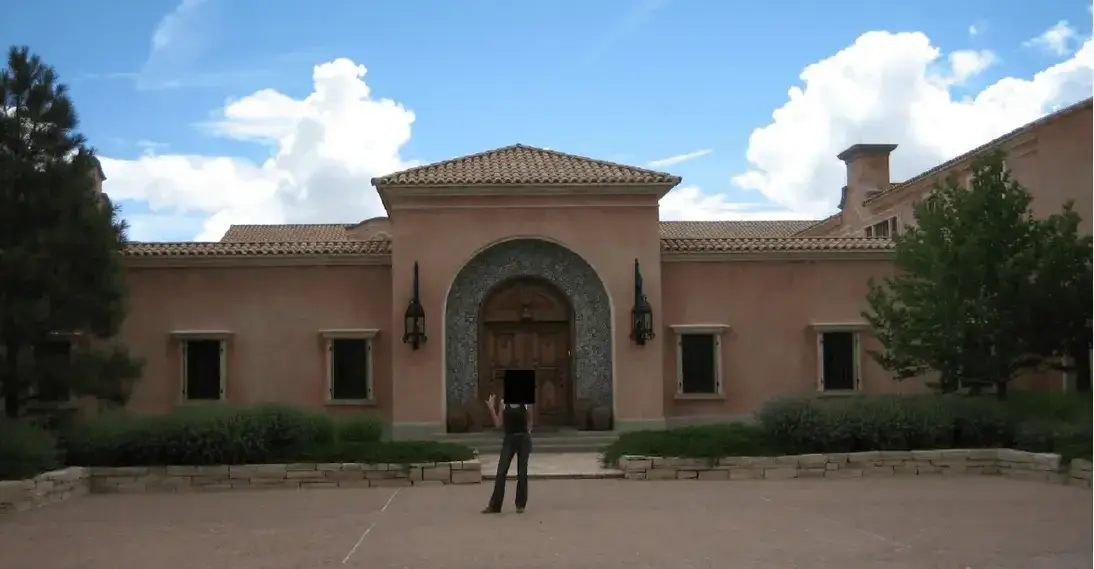
There are new developments in the investigation of Jeffrey Epstein’s Zorro Ranch. Straining through tears on a video call, a woman who gave her name as Annette Church told New Mexico lawmakers last week that she was tortured at Zorro Ranch as a child and a teenager.
In testimony before the state's legislative Truth Commission, she described being kidnapped, kept under constant surveillance, and forced again and again into a tank of water until she nearly drowned — then revived to endure it all over again.
She said she was put through the tank even while pregnant as a teenager, and afterward remembered only cramping and bleeding.
"I will not remain silent nor be silenced anymore," she said.
Her account, delivered June 18, came at the third public hearing of the New Mexico Survivors' Truth Commission — and it arrived alongside a new wave of subpoenas aimed at some of the most powerful institutions tied to the late sex offender.
A Survivor-Centered Investigation
The Truth Commission is a bipartisan panel of four state representatives, created by the New Mexico Legislature earlier this year to build a documented record of what Epstein did in the state and whether anyone else should be held responsible.
According to CNN, it runs on a roughly $2 million budget — funded, fittingly, by money New Mexico collected in settlements with Epstein's banks — and works in parallel with the state Department of Justice.
The commission faces a July 31 deadline for an interim report, with a fuller accounting due by the end of the year.
Commission Chair Rep. Andrea Romero (D-Santa Fe) told Church that her testimony was exactly the kind of account the panel was built to surface, and that no survivor's words would be taken lightly.
Romero later noted the commission had not met Church before the hearing and had not yet verified her account — a reminder that these are allegations being entered into a public record, and also a signal of the panel's central promise: that survivors who come forward will be heard rather than turned away.
Church described abuse at the hands of both Epstein and his convicted co-conspirator, Ghislaine Maxwell, beginning when she was 17.

She also recounted hidden cameras and even a tracking device she says was placed in one of her teeth — measures meant, she said, to keep victims controlled and silent.
Subpoenas Reach Banks, Prosecutors, and a Research Institute
At the same hearing, the commission announced a fresh round of subpoenas.
They went to the financial giants JPMorgan Chase and Deutsche Bank, both long linked to Epstein's finances; to seven U.S. Attorney's offices across the country; to the Federal Aviation Administration, whose records could shed light on Epstein's frequent flights; and to several New Mexico agencies, including the departments of Health and of Regulation and Licensing, the Public Regulation Commission, and the State Records Center and Archives.
(US DEPARTMENT OF JUSTICE)
The demands seek a sweeping range of material — correspondence, financial documents, real estate records, and more — tracked through the commission's public subpoena list.
The latest round builds on earlier subpoenas to the New Mexico Attorney General, the Governor's Office, the State Land Office, the Santa Fe County Sheriff, and the Santa Fe Institute, a prestigious research nonprofit that Epstein supported.
Federal Justice Department files reviewed by the Santa Fe New Mexican show Epstein gave the institute at least $680,000, though the organization has said its own records reflect far less.
Records tied to former Gov. Bill Richardson are also being sought; his name appears more than 800 times in the Epstein files, according to the Albuquerque Journal, often in messages arranging dinners and calls — despite earlier claims that Richardson, who died in 2023, had visited Zorro Ranch only once.
Years of Missed Chances - Were Others Tortured at Zorro Ranch?
The commission exists because New Mexico, for decades, never held Epstein to account.
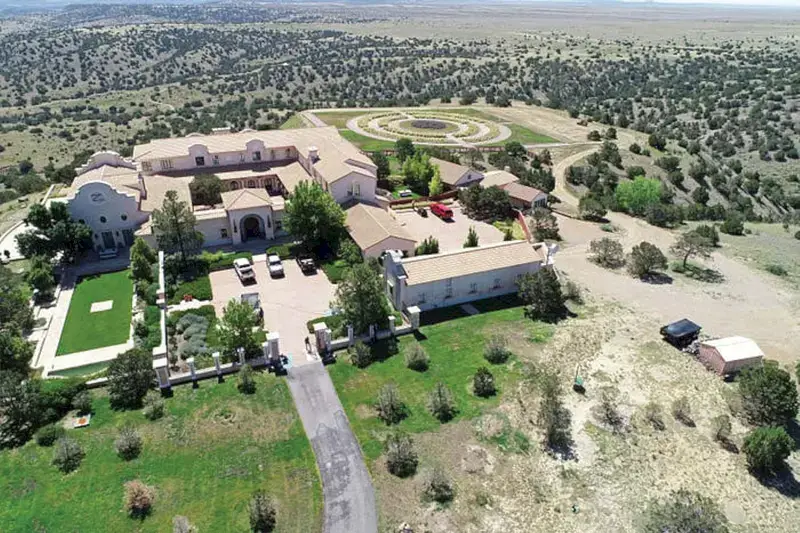
He bought the roughly 10,000-acre ranch outside Santa Fe in 1993 and was never charged with a crime in the state, even as at least 10 women later said he groomed or abused them there beginning in the mid-1990s — half of them teenagers at the time.

REX FEATURES
No agency searched the property until this year.



Resist Hate previously reported when state Attorney General Raúl Torrez reopened New Mexico's criminal investigation in February; investigators searched the ranch in March with the new owner's consent.
The renewed scrutiny followed the January release of millions of federal Epstein documents, which included an unsubstantiated allegation that two bodies were buried on the property.
For the survivors pressing this work forward, the goal is bigger than any single property.
Rachel Benavidez, who says Epstein abused her at the ranch, has urged the panel to dismantle the systems that let him operate for so long, insisting that Epstein "could not have acted alone."
The web of enablers who shielded him, she warned, must not be allowed to outlast him. New Mexico's Truth Commission is, at last, testing whether that warning will be answered.