
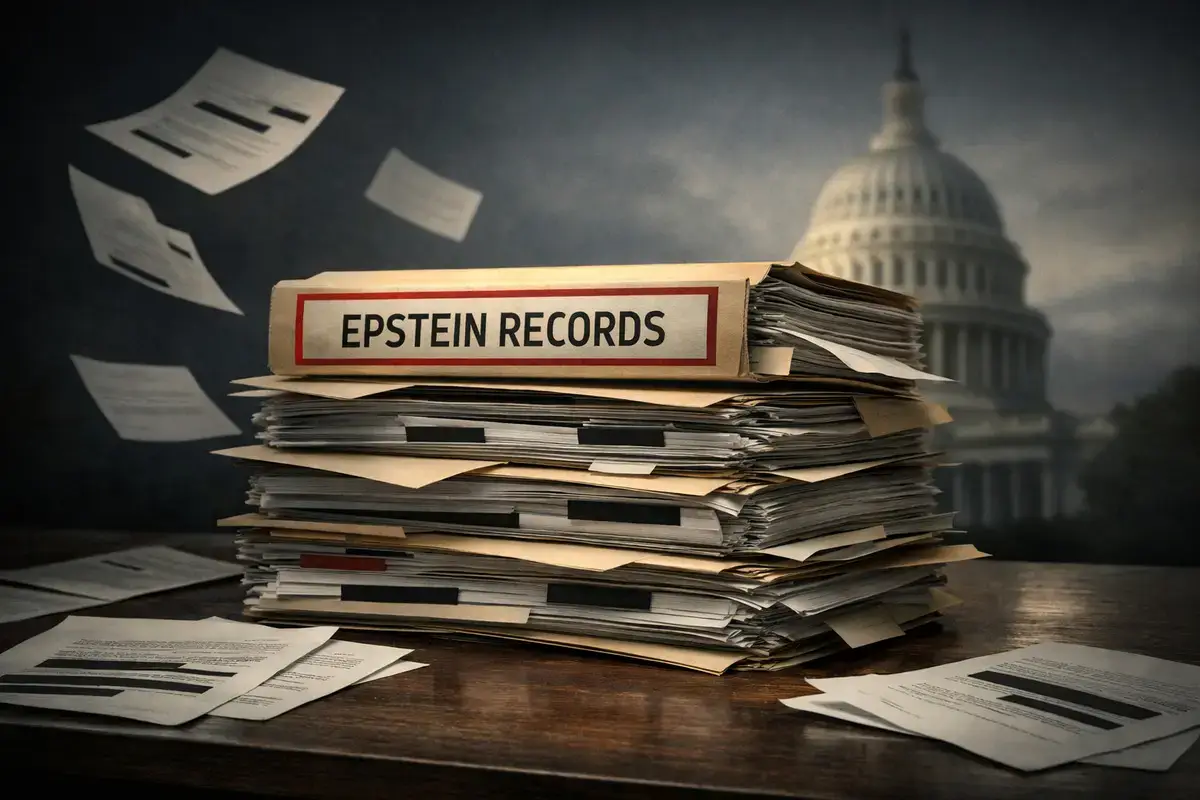

When the people running the country sat down to deal with the Epstein files, the question on the table was not “How do we get justice for the survivors?” According to a new bombshell report, the question was “How do we make this stop hurting us?”
On Wednesday, New York Times reporters Maggie Haberman and Jonathan Swan published a deeply sourced account, “Inside the White House Freakout Over the Epstein Files,” drawn from reporting for their forthcoming book on Donald Trump’s return to power.
Mediaite rounded up the most striking moments.
Taken together, they paint a picture of an administration that spent the summer of 2025 not pursuing the truth about a convicted sex trafficker and his network, but tearing itself apart over how to spin its way out of the political fallout.
The Memo That Started the War
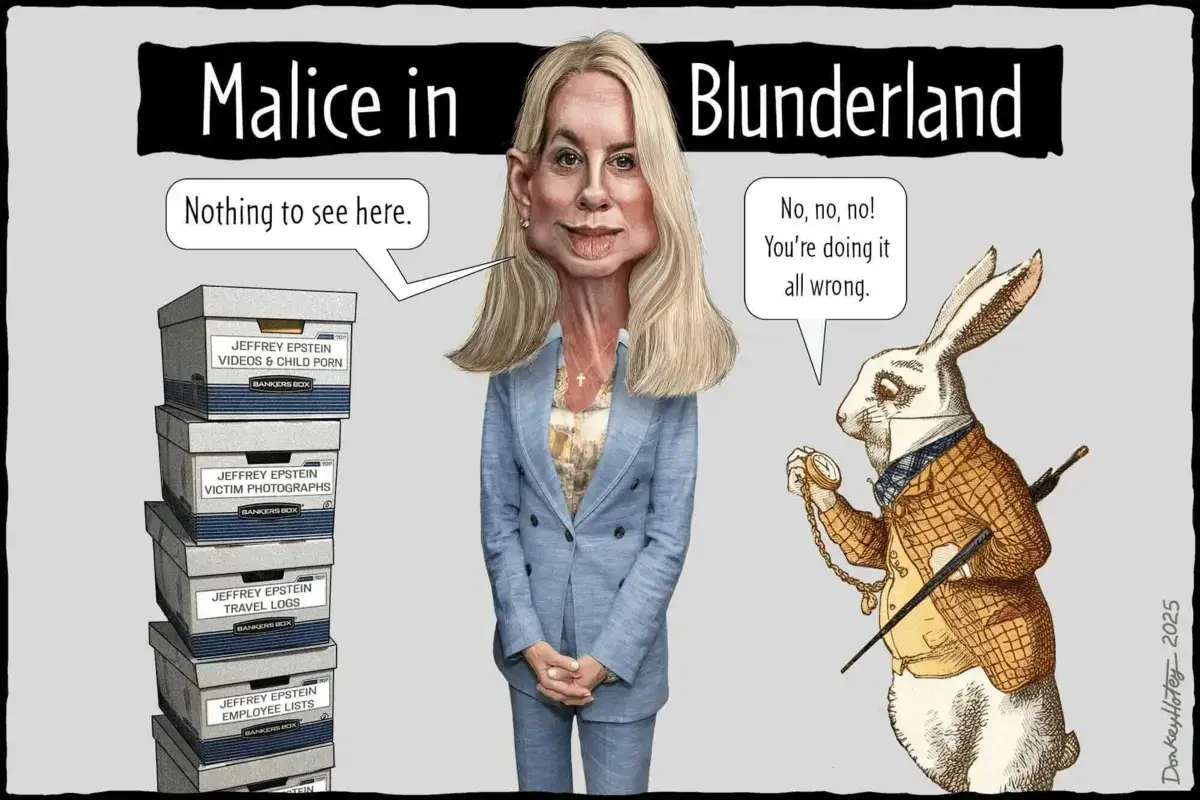
The flashpoint, per the reporting, was a July 2025 Justice Department memo declaring that Epstein had no incriminating “client list” and that no further disclosures would be coming.

For a base that had been promised the Epstein files — including by then-Attorney General Pam Bondi, who had publicly suggested the “client list” was sitting on her desk — the abrupt “nothing to see here” was a betrayal.
It set off a revolt that, in Haberman and Swan’s telling, played out almost entirely behind closed doors and almost entirely as damage control.
Allies Turning on Each Other
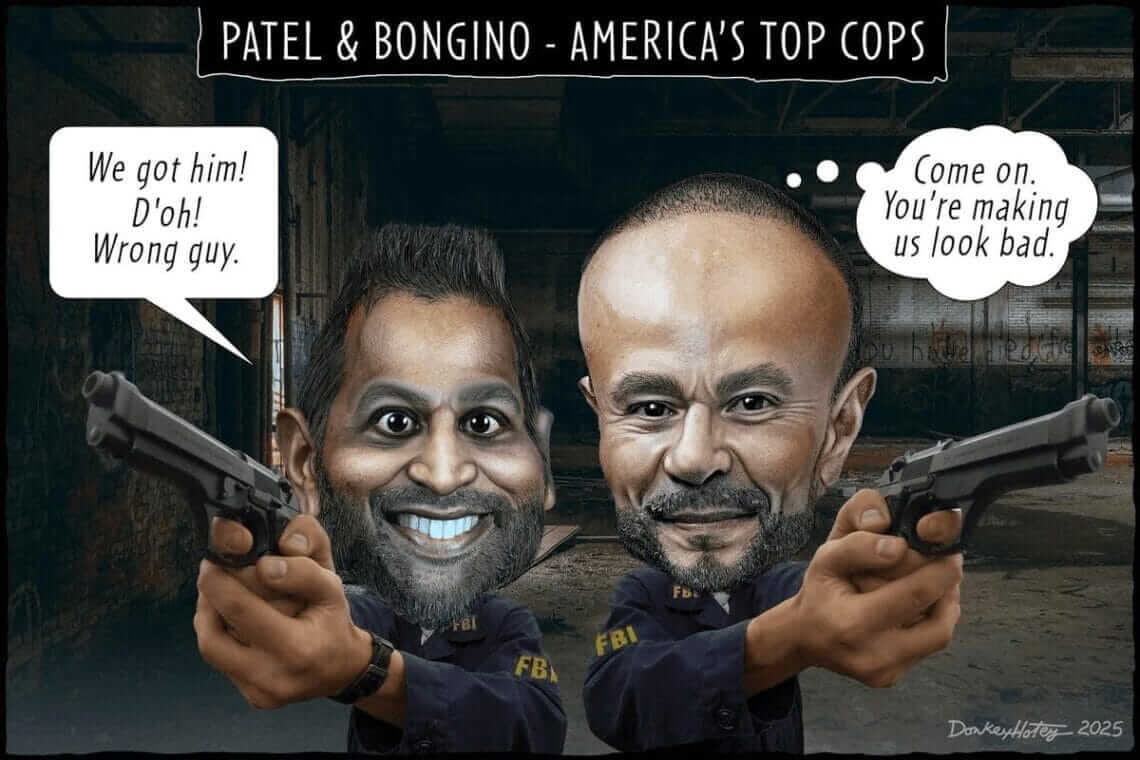
The reporting describes then-FBI Deputy Director Dan Bongino storming into a Justice Department meeting and erupting at Bondi over how she’d handled the files, blaming her for the promises that couldn’t be kept.
He and FBI Director Kash Patel both reportedly told a White House official that Bondi needed to resign.
It escalated from there.
According to the book, a Situation Room confrontation followed in which Chief of Staff Susie Wiles accused Bongino of leaking a sensitive Epstein-related story to ABC News — an accusation Bongino furiously denied, reportedly offering a six-figure cash bet on the spot to anyone who could prove it, before storming out.
He later vented to a confidant that Epstein would become Trump’s “Iran-Contra” — a reference to the scandal that nearly consumed the Reagan presidency.
Trump, for his part, was reportedly furious not at the situation but at his own loudest supporters.
When a Turning Point USA event hosted by Charlie Kirk turned into what the authors describe as an Epstein grievance session bashing Bondi, Trump called Kirk to scold him.
The same day, he backed Bondi publicly and told his followers to stop wasting their energy on Epstein.

The PR Schemes Discussed During Freakout Over the Epstein Files
The most revealing details from Maggie Haberman and Jonathan Swan are the schemes floated to make the story go away.
Vice President JD Vance, the reporting says, was worried the saga was bleeding support among “low-propensity voters” — young men in particular — and went looking for a friendly venue to clean it up.
He pushed for a Justice Department official to appear on Joe Rogan’s podcast tied to the launch of a DOJ Epstein-files website, then pitched himself for the slot, reasoning that a Vance interview could pivot quickly from Epstein to the administration’s legislative wins.
Rogan, per the account, declined to have him on. The episode never happened.
Then, Vance, described as panicked over the rift in Trump’s base, reportedly floated enlisting Tucker Carlson to interview Ghislaine Maxwell — Epstein’s co-conspirator, convicted of child sex trafficking — in prison.
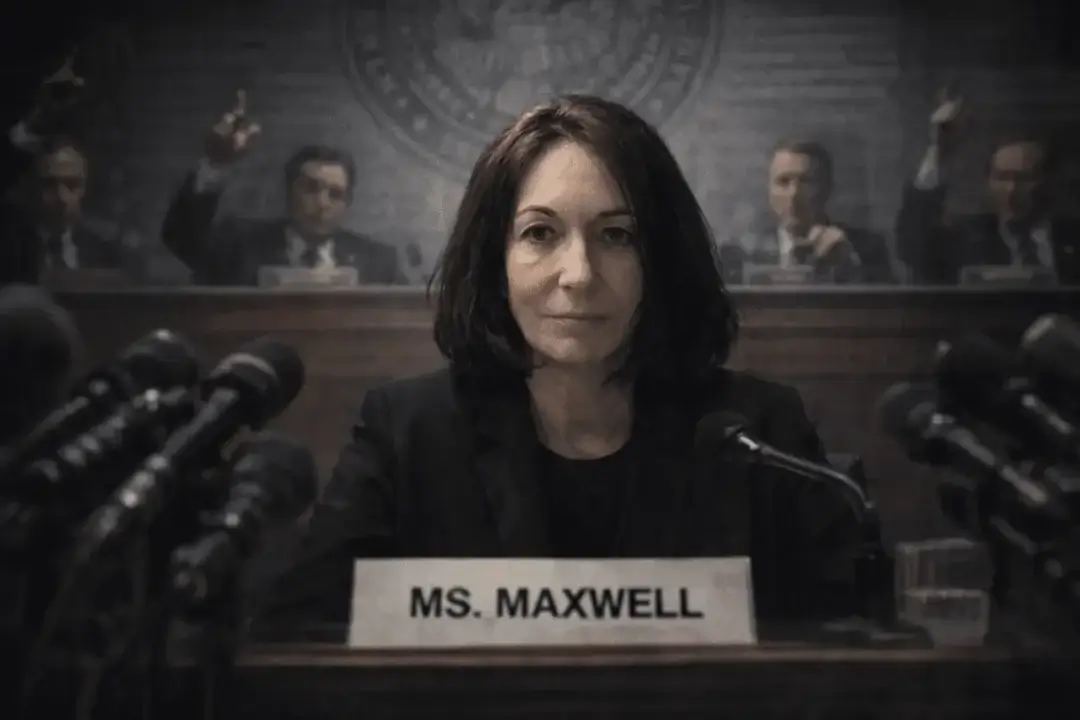
The reasoning, according to Haberman and Swan: it might help the president if Maxwell were willing to say publicly that Trump had no part in any wrongdoing.
Sit with that.



The proposed crisis-management plan was to put a convicted child sex trafficker on camera as a character witness for the President of the United States.
In the end, it was Todd Blanche who interviewed Maxwell in prison. The interview spanned two days, with her telling Blanche that she “never saw” Trump “in any inappropriate setting.”
A week later, Maxwell was removed from the prison where she was serving a 20-year sentence and she was transferred to a “club fed” Texas prison camp where she has a puppy, private visits, the “good” toilet paper, and the warden is ‘at her service.’
Who’s Missing From the Story
Read the whole account and one absence becomes clear.
In all the shouting, the resignation demands, the leak accusations, the podcast bookings and prison-interview schemes, there is no one in the room speaking for the girls and women Epstein and Maxwell trafficked and abused.
The files exist because of them. The promises were made over their stories.
And when the political bill came due, the survivors weren’t victims to be helped — they were a liability to be managed.
That is the real revelation here. Not that the administration fought over Epstein, but that it never fought for anyone but itself.
These are claims attributed to Haberman and Swan’s reporting and their forthcoming book; the White House figures named have not publicly confirmed the private exchanges described.
But the broader record — the broken promises, the memo, the public meltdown of Trump’s own movement — has played out in plain sight.
The details of what went on behind closed doors just fills in why.