
The United States hit back at ISIS in Syria on Friday with one of its largest strikes there in years. The military is calling it Operation Hawkeye Strike. It comes six days after a gunman killed two American soldiers and the interpreter who worked beside them.
According to U.S. Central Command, fighter jets, attack helicopters and rocket artillery hit more than 70 ISIS targets across central Syria, using about 100 precision munitions. A U.S. official told Reuters the strikes were carried out by F-15 and A-10 jets, Apache helicopters and HIMARS rocket launchers. Jordan's air force took part too, hitting ISIS sites in southern Syria.
The name is a tribute. "Hawkeye" points to Iowa, because both soldiers who died served in the Iowa Army National Guard.
Three Americans Who Didn't Come Home
On Saturday, Dec. 13, U.S. and Syrian security officials were sharing a meal near the ancient city of Palmyra when a man stormed the meeting and opened fire after clashing with Syrian guards.
Sgt. Edgar Brian Torres-Tovar was 25. Sgt. William Nathaniel "Nate" Howard was 29. Both were Iowa guardsmen who deployed on May 28 as part of the military's counter-ISIS mission. Howard's father, Jeffrey Bunn, is the police chief for the Meskwaki Nation. He wrote on Facebook that he and his wife got "that visit from Army Commanders you never want to have."
The third person killed was Ayad Mansoor Sakat, 54, of Macomb, Michigan. He was born in Bakhdida, Iraq, and interpreted for the U.S. Army from 2003 to 2007. That work is how his family earned Special Immigrant Visas to come to America. He's remembered as a loving husband and father of four.
Sakat risked his life for American troops in Iraq. The U.S. brought his family here because of it. Then he went back to the Middle East and put himself in harm's way for American soldiers again.
Three other U.S. troops were wounded, along with members of Syria's security forces. On Wednesday, President Donald Trump and Defense Secretary Pete Hegseth stood at Dover Air Force Base as the remains of all three came home.
The Gunman Was Wearing a Syrian Uniform
The shooter wasn't an outsider who slipped past security. He was part of it.
Syria's Interior Ministry says he joined the country's internal security forces as a base guard two months earlier. Officials had recently moved him to a different post because they suspected he might have ties to ISIS. He was still armed and still on duty. The gunman was killed at the scene, and no group has claimed responsibility.
Why Are U.S. Troops Still In Syria?
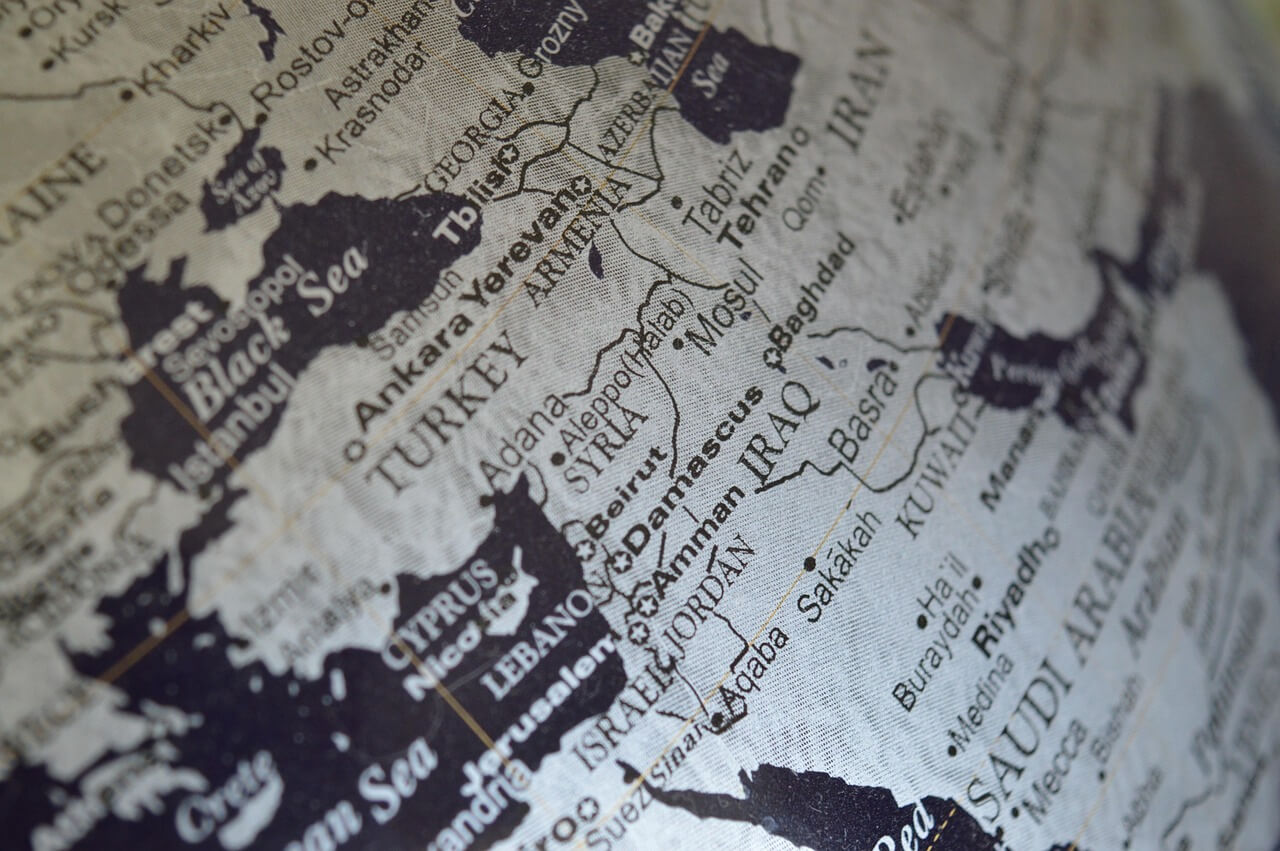
ISIS lost the land it once controlled years ago, but it never fully went away. The latest U.S. intelligence estimate says between 1,500 and 3,000 ISIS fighters are still active in Syria and Iraq. They hide out in small cells and launch attacks when they see an opening.
About 1,000 U.S. troops are still in Syria. American forces have been there since 2015 to fight ISIS.
What's changed is who runs Syria. A year ago, rebels toppled Bashar al-Assad after 13 years of civil war. The new government, led by President Ahmed al-Sharaa, includes former members of al-Qaeda's Syrian branch who later split from that group and fought ISIS. Syria agreed to work with the U.S.-led coalition against ISIS when al-Sharaa visited the White House in November.
Damascus says it's on board with the strikes. Its foreign ministry promised that ISIS will have "no safe havens on Syrian territory." Trump also said on social media that Syria's government fully supported the operation.
What the Administration Is Saying
Hegseth announced the strikes on X with a line clearly written for the headlines: "This is not the beginning of a war — it is a declaration of vengeance."

He also bragged that U.S. forces hunted and killed "lots" of enemy fighters and promised more to come.
Trump took a victory lap at a rally in Rocky Mount, North Carolina, that night. He told the crowd the strike was "very successful" and precise.
The Questions Nobody Has Answered
"Vengeance" makes a good soundbite, but it isn't a legal reason to use military force. International law scholar Michael Schmitt pointed out at Just Security that international law offers no basis for acting on revenge itself. He argued the strikes can still be justified on other legal grounds, but the administration's own words muddy the case.
So far, the public knows very little about the results. CENTCOM hasn't released casualty numbers or named any ISIS leaders it targeted. A Syrian monitoring group says at least five ISIS members were killed in Deir ez-Zor province, including a drone cell leader. Without an official count, there's no way to know whether civilians were caught in any of those 70-plus blasts.
Then there's Congress. Lawmakers have never voted on a war specifically against ISIS. Instead, presidents from both parties have leaned on old war authorizations, including the one Congress passed after 9/11, to cover these operations. That means American troops keep fighting and dying in Syria without the people's representatives ever signing off on it.
A U.S. official told the Associated Press that more strikes should be expected.
Meanwhile, families in Iowa and Michigan are facing the holidays without a son, a husband and a father. They deserve more than a slogan. They deserve a clear answer on what this mission is, how long it will last and who is keeping it accountable.