

An Obama-appointed judge in Boston blocked Trump’s mail-in voting order, ruling that neither the White House nor the Postal Service gets to decide who receives a ballot.
A federal judge on Thursday blocked the core provisions of President Trump’s executive order on mail-in voting, ruling that the president simply does not have the authority to dictate how Americans cast their ballots.
U.S. District Judge Indira Talwani, who sits in Boston, put it plainly in a 37-page opinion: “The Constitution does not grant the President any specific powers over elections.”
That shouldn’t be a radical idea. The Constitution assigns the job of running federal elections to state legislatures and Congress — not to the president, and definitely not to your mail carrier.
Trump’s March 31 order tried to rewrite that arrangement anyway.
What the Order Actually Tried to Do
The order leaned on two big moves. First, it directed the Department of Homeland Security, using Social Security data, to build a nationwide list of “confirmed” citizens old enough to vote.
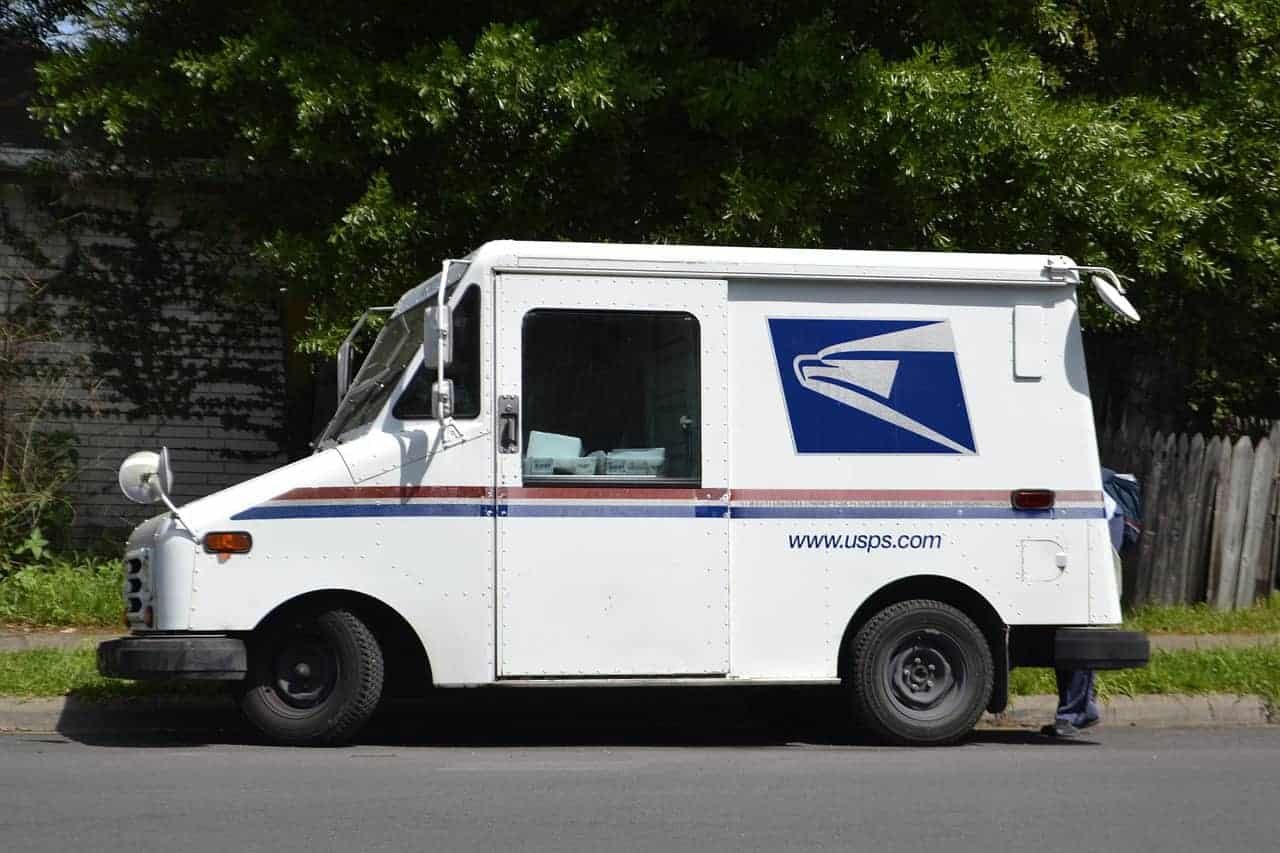
Second, it ordered the U.S. Postal Service — an independent agency that, again, delivers mail — to send absentee ballots only to voters who appeared on state lists that the federal government had pre-approved.
For good measure, it also instructed the Justice Department to prioritize investigating and prosecuting state and local election officials who hand ballots to anyone Washington decides is ineligible.

Talwani was not impressed by any of it. She found that no federal law gives the Postal Service the power to control mail-in voting, and that “both Congress and the president lack any role regarding voter eligibility.”
Any citizen list the government cobbled together would be necessarily incomplete, she noted, because privacy rules limit how agencies can share Americans’ personal data — and an incomplete list, wielded as a threat, would do little but intimidate local election officials into second-guessing eligible voters.
The Post Office Threatens to Stop Delivering Mail
Just a day earlier, Postmaster General David Steiner told a Senate committee that under a newly proposed rule, the Postal Service would refuse to deliver mail-in ballots in any state that declined to hand over its list of absentee voters.

The agency whose entire purpose is delivering the mail was prepared to not deliver the mail — specifically the mail that lets people vote — unless states complied. Steiner did say he would follow any court order. He now has one.
Who This Protects, and Who it Doesn’t
The ruling covers the 23 states and the District of Columbia — most of the Democratic-led and swing states, including Pennsylvania, Arizona, Michigan, Nevada, North Carolina, and Wisconsin — that sued to stop the order.
There’s a catch: the injunction applies only to this year’s elections, the midterms that will decide control of Congress.
The judge set aside the broader challenge to future elections as premature, leaving that fight for another day.
The danger here is real. The DHS citizenship data the administration wanted to use is known to produce false positives, meaning lawful voters can be flagged as noncitizens and wrongly stripped from the rolls.
That isn’t election security. That’s eligible Americans losing their vote because of a database error.
A Pattern, Not a One-Off
None of this came out of nowhere. The order is the latest entry in a years-long campaign to seize federal power over elections that the Constitution reserves for the states — from a proof-of-citizenship registration order that courts already blocked, to dozens of lawsuits demanding sensitive voter data that judges have repeatedly turned away.
It all traces back to the same debunked claim that Trump lost in 2020 because of fraud — an allegation no court, state official, or independent investigation has ever substantiated.
The administration is expected to appeal, and a parallel case in Washington, D.C. — where a Trump-appointed judge declined to block the order as premature — is already headed to a federal appeals court.
For now, though, the message from Boston is clear, and worth repeating until it sticks: the. President does not control your ballot.