


Trump voters on TikTok are reporting rural hospital closures in their communities. On May 1, Boulder City Hospital in Nevada stopped keeping patients longer than 24 hours. Its inpatient units closed.
It stopped admitting older adults for behavioral health care. Seventy-one workers got layoff notices.
CEO Thomas Maher was clear about why. The new federal law cut a state Medicaid funding program his hospital depended on roughly in half, he told News 3.
He won't even use the bill's nickname. "I prefer to call it HR1 because it wasn't big and beautiful for a lot of hospitals," Maher said.
This is what President Trump's One Big Beautiful Bill Act looks like in rural America right now. Most of the damage doesn't come with a padlock on the front door.
It comes one service at a time. The maternity ward goes first. Then the clinic. Then the hospital beds.
What the Bill Did to Medicaid
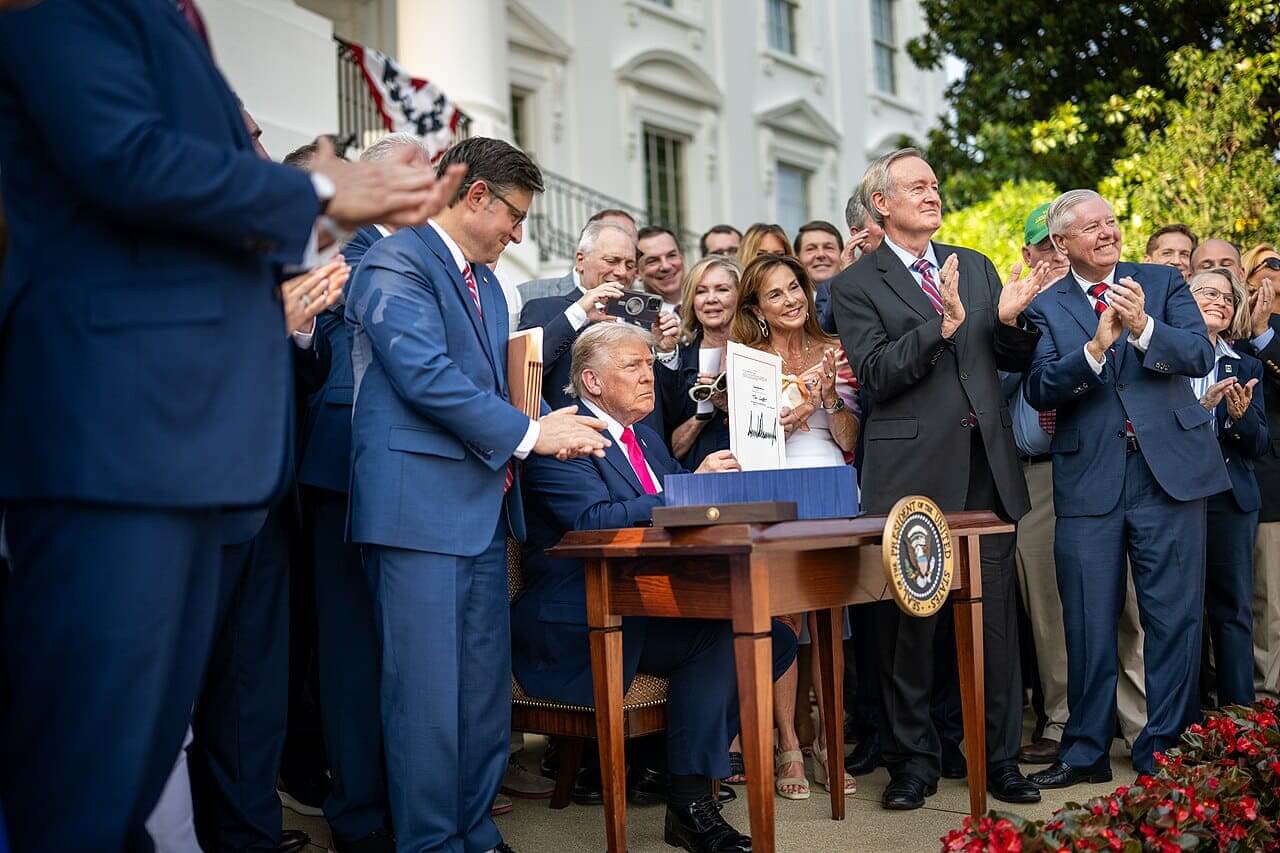
Trump signed the law on July 4, 2025. The Congressional Budget Office says it will cut federal Medicaid spending by about $900 billion over 10 years and leave 10 million more Americans without health insurance.
Medicaid is the public health plan for people with low incomes and disabilities. In small towns, it helps keep the local hospital's doors open. Medicaid pays for nearly half of all births in rural communities.
KFF estimates the law will pull $137 billion in federal Medicaid money out of rural areas over a decade. An analysis for the National Rural Health Association put the loss to rural hospitals alone at about $57 billion.
The result: Rural hospital closures.
Many of the hospitals were already in trouble. More than 40% of rural hospitals lose money, according to the consulting firm Chartis.
When people lose their Medicaid, they don't stop getting sick. They still end up in the emergency room. The hospital still treats them. It just doesn't get paid.

The Cuts Have Already Started
Hospitals and clinics aren't waiting for the money to disappear. They're cutting now to survive what's coming.
- Lavonia, Georgia: St. Mary's Sacred Heart Hospital closed its labor and delivery unit and its OB/GYN clinic in late 2025. The hospital named doctor shortages and other problems, then added that "recent Congressional cuts to Medicaid solidified this decision.” Births moved to the system's hospital in Athens.
- Franconia, New Hampshire: Ammonoosuc Community Health Services shut down its Franconia clinic after the law passed, bracing for its impact, its CEO told the New Hampshire Bulletin.
- Boulder City, Nevada: No more inpatient care, 71 jobs gone, and the hospital blames the law.
- Maine: Northern Light Health, one of the state's biggest systems, told STAT it expects some of its current services to change or end, and it is weighing closures. "It's the most fragile I've ever seen it," said Chrissi Maguire, CEO of MDI Health on the Maine coast.
The advocacy group Protect Our Care now counts more than 1,200 hospitals, clinics, maternity wards and nursing homes that have closed, cut services, or are at risk since the bill passed.
That list mixes real rural hospital closures with warning signs, and not every cut on it was caused by the law. But the direction is hard to miss.
When a maternity unit closes, a woman in labor has to drive farther. KFF research found that rural hospitals delivering babies for Medicaid patients are typically more than 40 minutes from the next one in the same state.
Forty minutes is a long time when something goes wrong.
Why There Aren’t More Rural Hospital Closures
As of August, only one rural hospital in the country had closed completely in 2026: Sturgis Hospital in Michigan, which shut its doors in June. It blamed years of falling payments and fewer patients, not the new law.
That's because most of the Medicaid cuts don't take effect until 2027 or 2028. Work requirements start January 1, 2027 in most states.
Experts expect most people who lose their coverage to do so because of paperwork problems, like a missed form, not because they refuse to work.
Nobody can say exactly how many hospitals will close. There have been nearly 200 rural hospital closures or hospitals that have stopped inpatient care since 2005, and experts believe the pace will pick up.
"The current snapshot is concerning, and the concern is going to increase," Georgetown Medicaid expert Leonardo Cuello told FactCheck.org.



The $50 Billion Band-Aid
Republicans added a $50 billion Rural Health Transformation Program to win over nervous lawmakers. It sounds big.
It isn’t big enough.
The money is split among all 50 states over five years. First-year awards ranged from $147 million in New Jersey to $281 million in Texas.
Most of it has to go to new programs, like technology and prevention.

States can use only up to 15% to pay for patient care. And the fund ends after five years. The Medicaid cuts don't.
Look at Chadron, Nebraska. In March, Chadron Hospital closed its dialysis unit, which served 17 patients. The hospital blamed low Medicare payments, not the new law. But Nebraska was celebrating a $219 million award from the rural fund at the same time, and that money was never meant to keep units like this one open.
Rancher Mark Pieper now faces a 200-mile round trip to Scottsbluff for treatment he needs to stay alive. When he learned the unit was closing, he remembered thinking, "I guess I'll just bloat up and die in a month."
The Politics of Pretending
Now Republicans are running ads bragging about the rural health fund while leaving out the Medicaid cuts that dwarf it. Supporters of the law also argue it doesn't really cut Medicaid, it just slows spending growth.
Tell that to the 71 people in Boulder City who lost their jobs.
One Republican who voted yes is trying to take it back. Sen. Josh Hawley of Missouri introduced a bill to repeal the future Medicaid cuts he helped pass.
What You Can Do
The midterms are November 3. Ask every candidate on your ballot one question: Will you vote to reverse the Medicaid cuts?
You can also check whether your local hospital is on the list of rural hospitals at risk of closing by the Center for Healthcare Quality and Payment Reform.
If it is, tell your representatives. Tell your neighbors. Rural hospitals don't just serve people on Medicaid.
When rural hospitals close, everyone in town loses an emergency room.