

“We could see the largest drop in Black representation since the end of Reconstruction."

On Wednesday, the Supreme Court dealt a death blow to the country’s most important civil rights legislation, the Voting Rights Act of 1965—the law that defeated Jim Crow.
For 100 years, from 1865 to 1965, Black people were systematically and actively excluded from participation in American democracy through racial violence, but more commonly through race-neutral tricks like poll taxes and grandfather clauses.
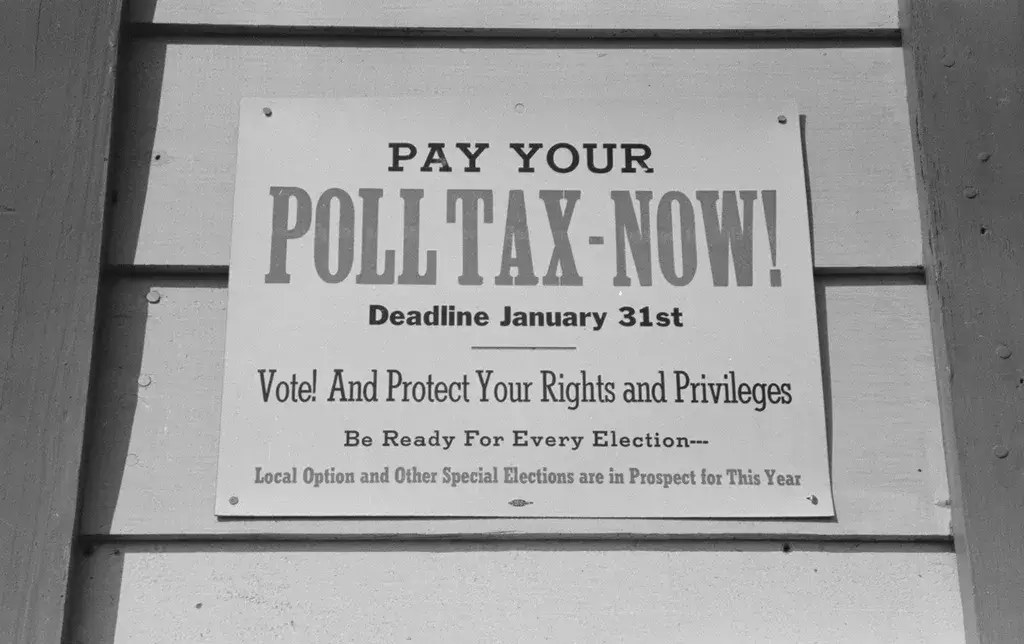
Governments across the country also used redistricting to dilute the Black vote without ever having to talk about race explicitly.
That’s what Section 2 of the Voting Rights Act, enacted federally, went after: The slippery tricks deployed to destroy the political power of Black folks and other people of color—especially in the South.
And the Supreme Court just took us right back to that time.
The majority opinion in the case, Louisiana v. Callais, struck down the creation of a second majority-Black congressional district in Louisiana. In so doing, the court rendered Section 2 of the VRA basically useless, making it nearly impossible to prove that a gerrymandered map violates the right of voters of color.
But if you stick around, they also talk about a way forward.