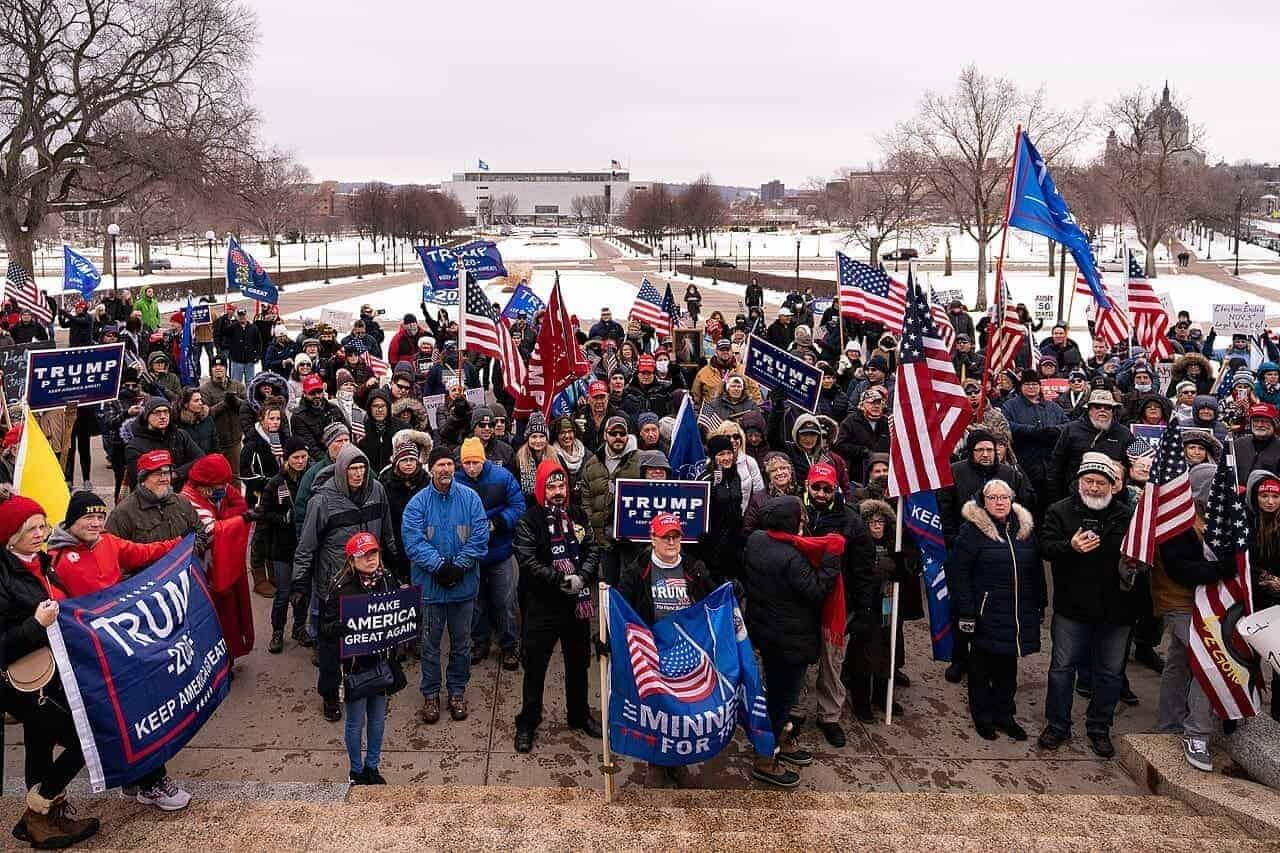

The Stop the Steal movement emerged in the aftermath of the 2020 U.S. presidential election, becoming a significant force in American politics. Rooted in false claims of widespread voter fraud, coined “The Big Lie,” this movement galvanized supporters of then-President Donald Trump to threaten people doing their jobs—election officials, Secretaries of State, and poll workers—and to commit acts of violence.
Stop The Steal has had lasting effects on U.S. politics, election integrity, and public trust in our democracy. Election officials and citizens who were doing their civic duty — counting ballots — had their lives changed forever.
Ruby Freeman and Shaye Moss
Ruby Freeman and her daughter, Shaye Moss, were targeted by Rudy Giuluani when he shared a video of the women counting ballots, and accused them of election fraud.
The women were doxxed, they received death threats by phone and text1, and people even went to Ruby Freeman’s home to harass her. This was the house she had lived in for decades in a community where she was well-known and loved.
The women testified during the January 6th Committee Hearings where they spoke about the pain and suffering they'd gone through because of a lie—a lie that was propagated by the President of the United States.
”Do you know how it feels to have the President of the United States target you?” Ruby asked.

The mother and daughter ended up suing Rudy Giuliani for defamation and were awarded $148M in court. Giuliani was determined to avoid paying the women and he continued to lie and claim what he said about them was true.
After the women filed a second lawsuit against him for continued defamation, he admitted that he had lied. This won’t change the minds of Trump supporters, because the correction will never be discussed on Conservative media. A report from any source other than their media or Donald Trump’s mouth is “Fake news.”
Rudy Giuliani had originally stated that the “women were passing around USB ports like they were vials of heroin or cocaine,” when in reality, Ruby was handing her daughter a ginger mint. His statement was clearly racist.
Origins of the Stop The Steal Movement
The Stop the Steal movement began shortly after the 2020 election, in which Joe Biden defeated Donald Trump.
Trump and many of his supporters claimed that the election was "stolen" through systemic voter fraud, despite multiple audits and court rulings finding no evidence to support these claims.
The movement gained traction as various social media platforms amplified allegations of irregularities, leading to widespread discontent among Trump’s base.
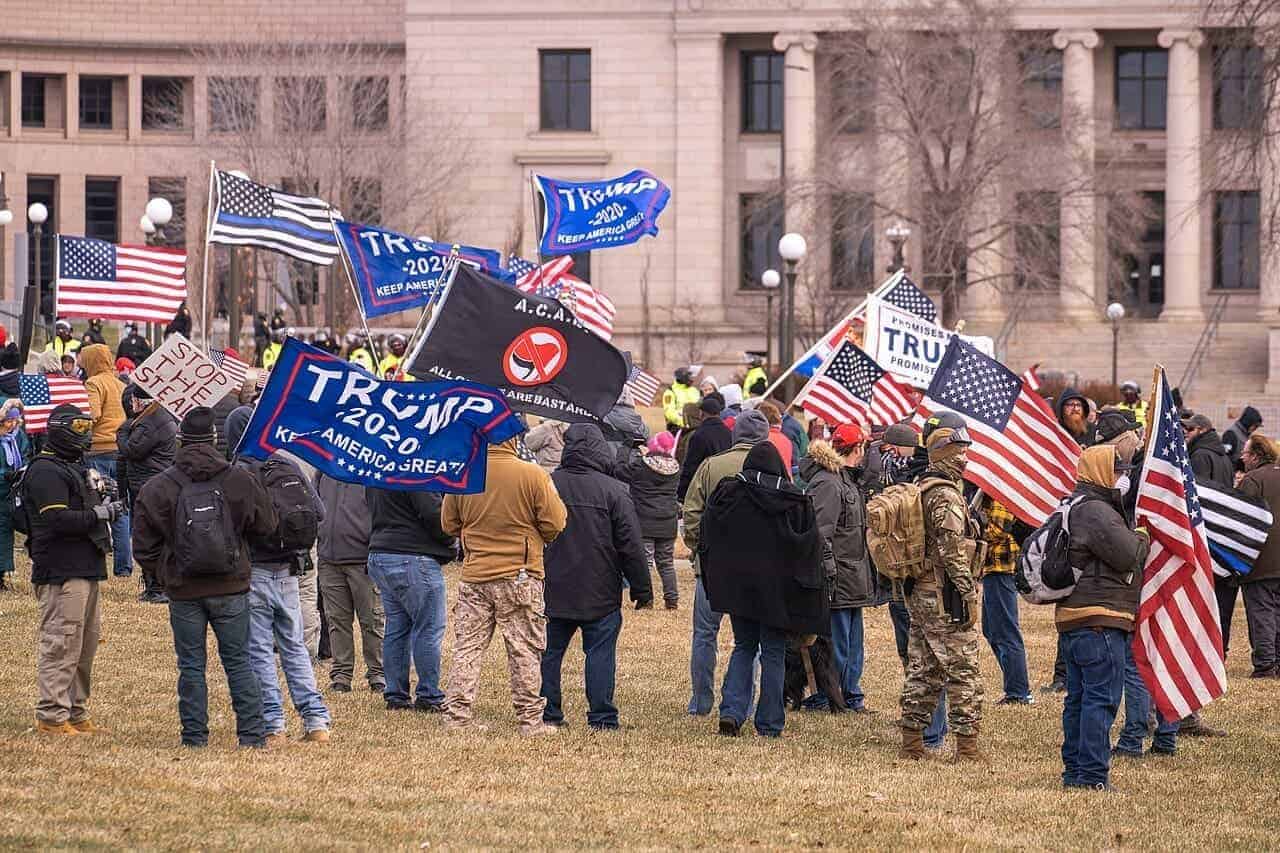
The phrase "Stop the Steal,” a creation of Roger Stone, was first popularized by a group of Trump supporters, including political operatives and social media influencers, who organized rallies and demonstrations to contest the election results. On November 14, 2020, a large rally in Washington, D.C., marked one of the movement's early high-profile events, drawing thousands of attendees.
Key Actions and Events
Following the election, the Stop the Steal movement coordinated numerous rallies across the country, focusing on battleground states like Pennsylvania, Arizona, and Georgia. Activists claimed to have evidence of fraud and rallied support for legislative changes aimed at securing future elections.
Legal Challenges
The movement also led to a series of legal challenges aimed at overturning the election results. Trump’s legal team filed dozens of lawsuits contesting the election's integrity, many of which were dismissed for lack of evidence. Despite these setbacks, the rhetoric of a "stolen" election persisted, bolstered by high-profile endorsements from politicians and media figures sympathetic to Trump’s Big Lie.

January 6, 2021, Capitol Riot/Insurrection
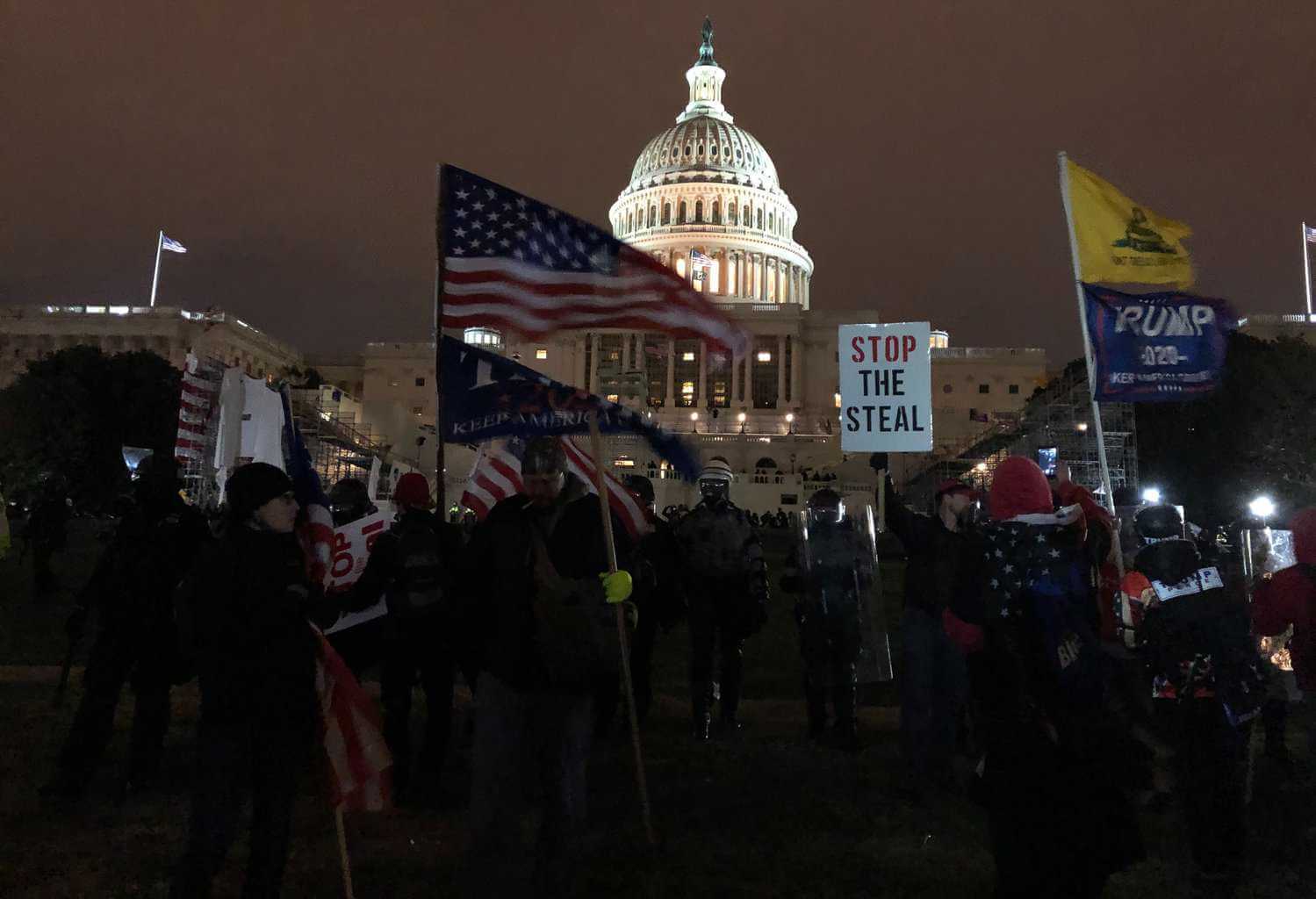
The Stop The Steal movement reached a critical peak on January 6, 2021, when a mob stormed the U.S. Capitol in an attempt to disrupt the certification of the electoral college results.
This unprecedented attack on the heart of American democracy resulted in multiple deaths, injuries, and extensive property damage.
A group chanted, “Hang Mike Pence!” as they walked into the Capitol.
Over 114 police officers were injured and maimed, with one officer losing a finger, another an eye, many suffering from PTSD.
The images of that day remind all of us if the wooden gallows erected outside the Capitol. Who was it intended for?
It was set up prior to Mike Pence “betraying them,” so was it for members of Congress?
We most certainly avoided a scenario that would have been much worse without the actions of the brave police officers who stayed and fought to protect the Capitol .


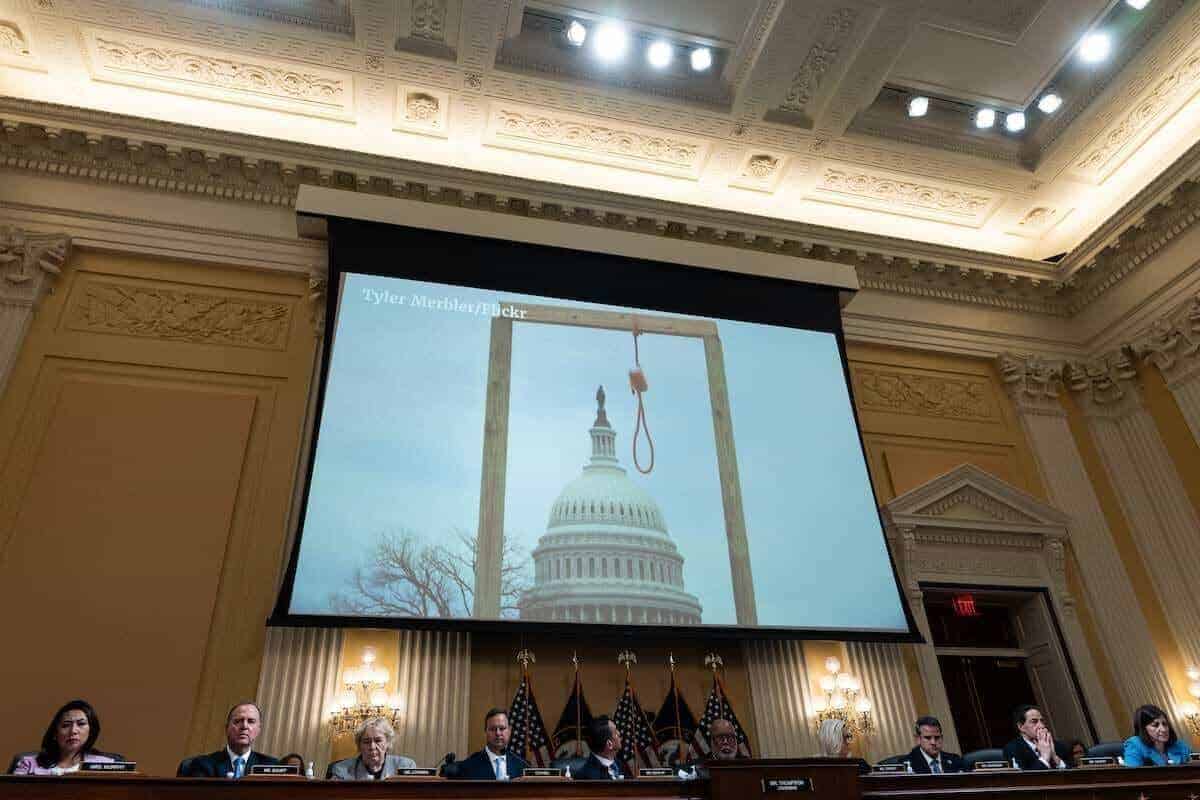
In the aftermath, many Stop the Steal leaders faced legal consequences, and the event prompted widespread condemnation across the political spectrum.
Evolution and Ongoing Influence
Post-January 6, the Stop the Steal movement has continued to influence American politics.
While some key figures were arrested or distanced themselves from the movement, others have continued to advocate for election reforms and further investigations into “voter fraud.”
The narrative surrounding election integrity has become a cornerstone for many Republican candidates and party platforms.
Grassroots Mobilization
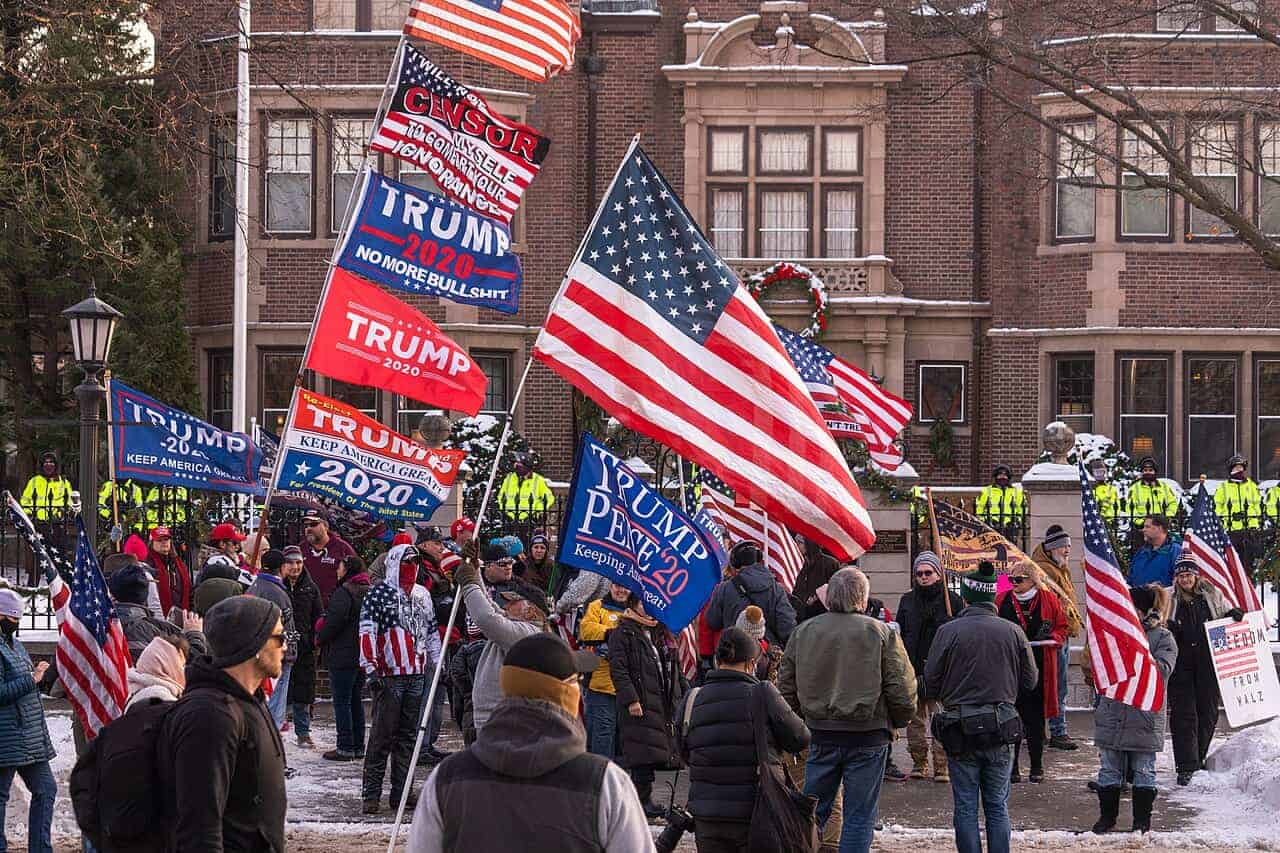
The Stop The Steal movement has also spurred grassroots organizations focused on election audits and changes to voting laws.
Some states have enacted laws perceived as restrictive, such as voter ID requirements and limits on mail-in voting, driven by claims of fraud despite studies showing no significant evidence, was used to warrant such changes.
Current Developments
As of 2024, the Stop the Steal movement remains a potent force within certain segments of the Republican Party.
The rhetoric around election integrity continues , with some leaders framing it as a fundamental issue of voter rights and national security.
Ongoing discussions about the legitimacy of the electoral process, along with various high-profile court cases and legislation in red states, indicate that the movement's influence isn’t going away anytime soon.
Stop The Steal 2.0 is gearing up for the election in November. This time they are more organized, and as described by Slate, “scarily sophisticated.”
The Stop the Steal movement, along with the Big Lie, has reshaped politics in the United States, shining a light on a divisions trust in elections and democratic institutions.
Its origins in the disputed 2020 election have led to a series of events that continue to resonate today, with the possibility of affecting future elections.
As debates over election integrity remain at the forefront, the legacy of Stop the Steal will undoubtedly continue to impact American politics for years to come.
1 Trump supporters hate when its insinuated that they are in a cult, but anyone or anything that Trump doesn't like becomes the target of their death threats, bomb threats, violent attacks, mass shootings, and attempted murder (Paul Pelosi). Is that how respectable Americans act when their candidate for President complains about someone? This doesn't happen on the Left and we need to stop normalizing the behavior.