
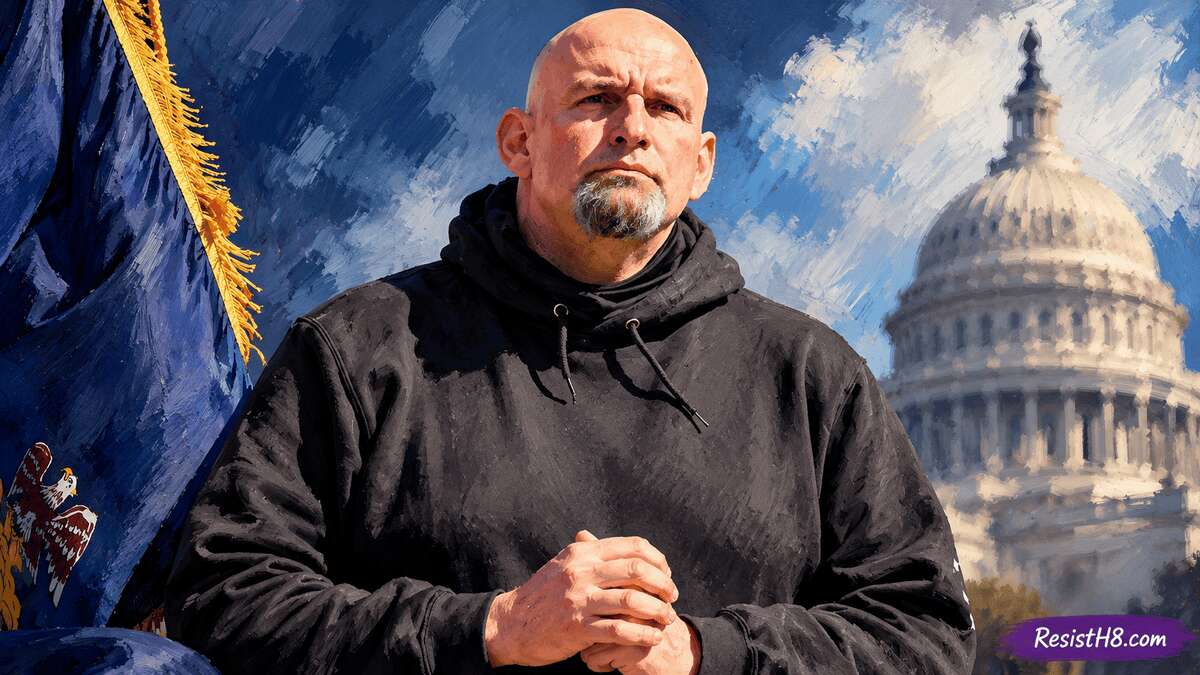

One morning in June, three disabled veterans rolled their wheelchairs into a Senate office building. They traveled for hours to make this long-awaited meeting with their Senator, John Fetterman.
The men wanted to meet with him to discuss legislation that would improve their care back in rural Pennsylvania.
They didn't get to meet with Fetterman. Staff told them he had called out sick — something he ate, he'd said.
Less than an hour later, according to a Wall Street Journal investigation published Thursday, Fetterman walked into his Senate office looking perfectly fine. He had an important appointment he didn't want to miss: a Fox News appearance to talk anbout Israel and the war in Iran.
That scene opens a piece by reporters Will Hobson and Siobhan Hughes that is, even by the standards of a rough two years for Pennsylvania's junior senator, devastating.
Written from details in interviews with more than a dozen former staffers and lawmakers plus text messages and internal records, it describes a senator who has largely stopped doing the job — except when the job involves conservative media or advocating for Israel.
Fetterman's office didn't answer any of the Journal's questions and didn't respond to follow-up requests from other outlets.
The people who didn't get the meeting
Ignore the Beltway gossip and what's left is a list of Pennsylvanians who asked their senator for twenty minutes and were turned away.
In April 2025, state Rep. Anthony Hardy Williams brought a busload of constituents from Eastwick down to Washington. Eastwick is a low-income, flood-prone corner of Southwest Philadelphia, and the group came to talk about Trump administration cuts to a grant program that had helped them prepare for the water.
Every other member of the delegation met with them. Fetterman was the only one who refused. They spotted him in the hallway and called out, but he just kept walking.
That same month, state Rep. Liz Hanbidge drove down to discuss programs serving homeless and working-poor residents of her county. Fetterman had agreed to the meeting. He told his aides that he hadn't.
Staff spent more than an hour trying to talk him into it before giving up and taking the meeting themselves.
He did make time that day for former college basketball coach and Israel advocate Bruce Pearl.
When an aide relayed that Children's Hospital of Philadelphia wanted to talk about Medicaid cuts and vaccines, Fetterman's reply, according to internal messages the Journal reviewed, was that he wasn't concerned — and that he was convinced they just wanted "free trips to DC."
He also backed out of a funeral for three police officers that were killed near York, the town where he (and the writer) grew up, after learning the ceremony would run about three hours.
A pediatric hospital was worried about children losing coverage. Flood victims were worried about losing grant money. Homeless-services advocates. Paralyzed veterans.
Each of those groups and individual constituents made the trip all the way to Washington, D.C. because a meeting with a sitting U.S. senator is one of the few levers ordinary people actually have.
Marked present, remained silent
After earlier reporting on his attendance, records showed Fetterman had skipped 11 of 12 full committee hearings in one stretch. The Journal reports he then found a workaround: Sen. Katie Britt (R-AL) explained that senators typically check in and go about their day.
Fetterman began using an advance staffer to catch the clerk's eye so he'd be recorded as present, then leave.
Since last June, he was marked present at 26 of 31 full hearings of his committees. In 20 of them, transcripts show he never said a word.
His presence at these committee meetings matters more than it sounds (notwithstanding the fact that we pay his salary of over $100k/year).
One of those committees is Homeland Security and Governmental Affairs — the panel with direct oversight of ICE, CBP, and the detention system.
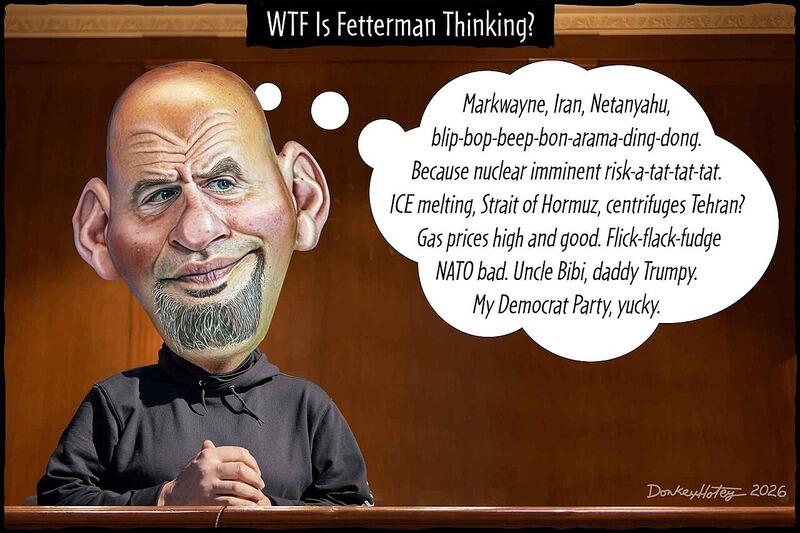
Pennsylvanians are being arrested, held, and deported by that department right now. Senator John Fetterman not only sat silent through most of its hearings; in March he cast the deciding committee vote to advance Markwayne Mullin's nomination as DHS secretary, and was one of only two Democrats to vote yes on the floor.

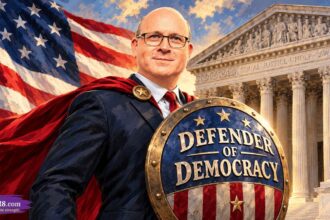
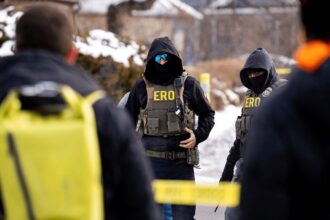
Mullin was confirmed 54-45.
The oversight seat wasn't even his first choice. He'd wanted Foreign Relations and was reportedly furious when leadership gave it to someone else.
The only thing he actually wanted to do
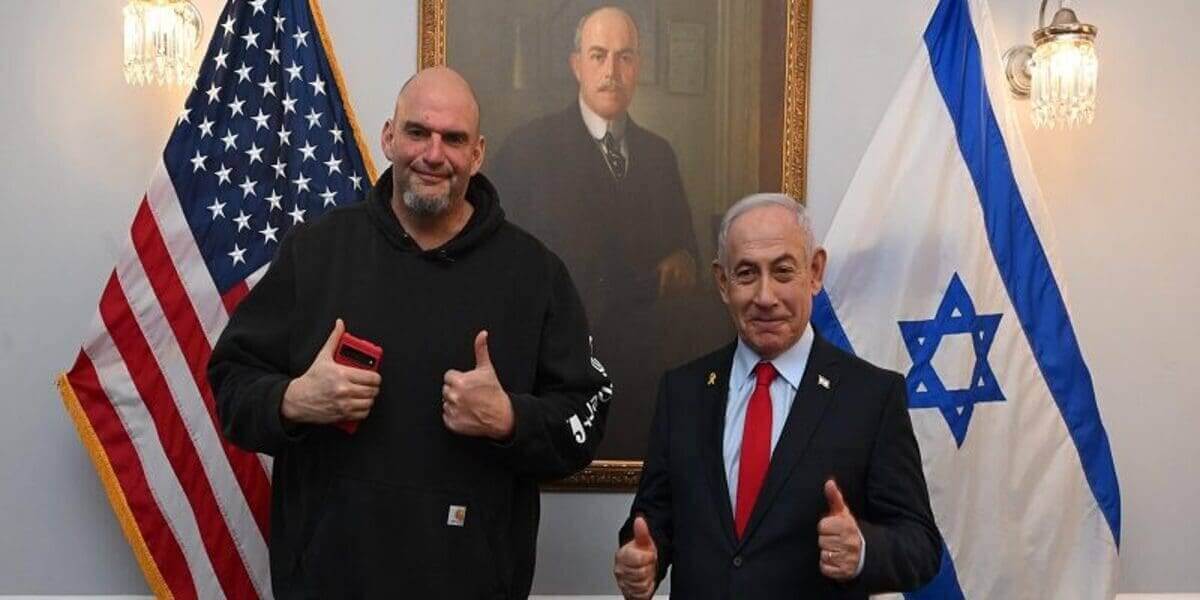
Last September, Senator John Fetterman met with Israeli Ambassador Yechiel Leiter, who suggested he write an op-ed defending his support for Israel. Fetterman agreed and told Leiter he'd write it from whatever points the ambassador sent over. Embassy staff sent drafted talking points a few days later.
His own staffers never showed them to him. They were worried that publishing an op-ed under a senator's byline that was drafted using foreign embassy material could run afoul of the Foreign Agents Registration Act. '
Fetterman dropped it without ever knowing why.
By early 2025 he had also pulled away from his own caucus, skipping the regular Democratic lunches. When aides told him Chuck Schumer's office was setting up a special evening call for Senate Democrats, he texted back that he truly didn't care.
A word about his health
Fetterman survived a near-fatal stroke in 2022 and was treated for clinical depression in 2023. He has said publicly that people weaponize that history against him, and he's right that they do. Nobody should read this reporting as a verdict on a man's medical condition, and no one is owed his diagnosis.
But the Journal isn't describing someone who couldn't get out of bed. It's describing someone who told staff he was too sick to see wounded veterans and then, forty-five minutes later, sat down under studio lights. That's a choice about priorities, and the voters deserve to know how their Senator is performing in D.C.
Pennsylvania is noticing
The reaction from his own delegation was blistering.
Rep. Brendan Boyle wrote that "John Fetterman is a disgrace."
Rep. Chris Deluzio said the pattern shows "this man has no sense of duty," and promised Pennsylvania would do something about it in 2028.
Schumer, for his part, called him "an important member of our caucus." (But establishment politicians aren't inauthentic corporate robots, remember?)
The numbers tell the same story from the opposite direction.
In an August New York Times/Philadelphia Inquirer/Siena poll, 73% of Pennsylvania Republicans viewed Fetterman favorably — ten points better than Sen. Dave McCormick, an actual Republican.
Among Pennsylvania Democrats, his favorability collapsed from 74% in 2024 to 22%. The state's Working Families Party is already recruiting a 2028 primary challenger.
Approached by a Journal reporter at an event in Erie last month, Fetterman walked away, defending his record as bipartisan delivery for Pennsylvania and saying we have to work together.
Fetterman's constituents in Pennsylvania are frustrated and disappointed. They're waiting to find out who Fetterman means by "we."