

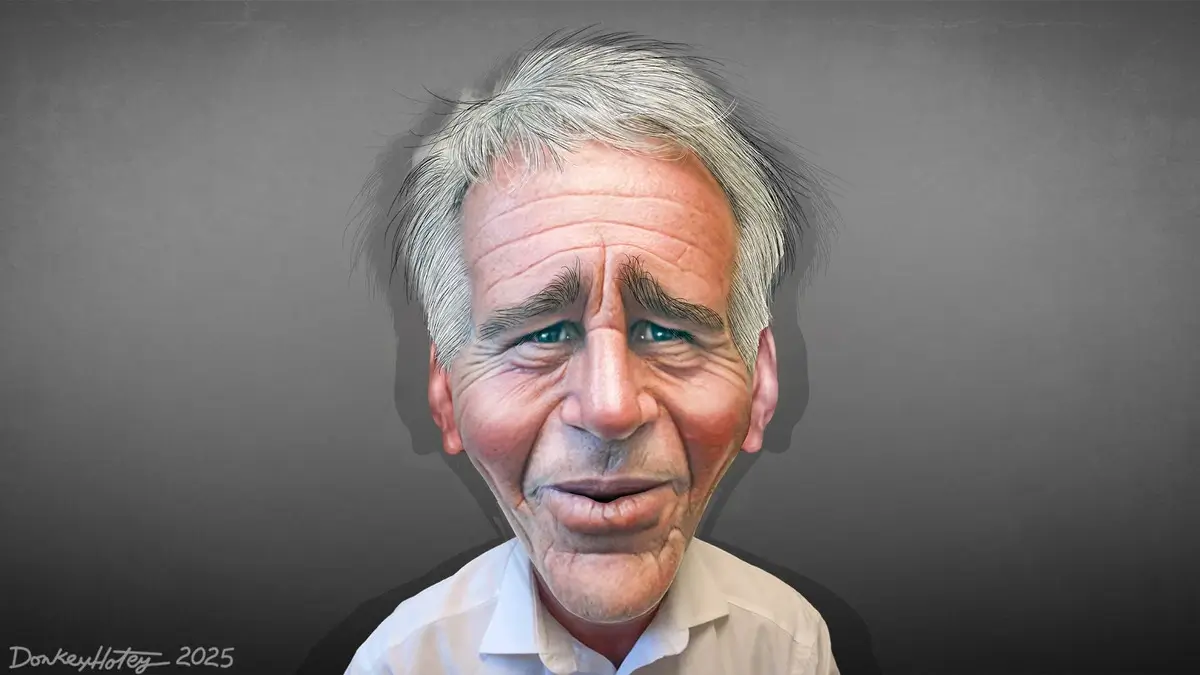

Sarah Kellen sat in a closed-door room on Capitol Hill on Thursday and described being trapped inside a Palm Beach gym by Jeffrey Epstein, who lowered a metal hurricane shutter, choked her, and raped her. She told the House Oversight Committee that Epstein abused her on average every week for over a decade. And then she gave investigators something they didn’t have before: three names.
According to sources who spoke to CNN, Kellen named celebrity hairstylist Frederic Fekkai, former Miami Beach mayor Philip Levine, and fashion photographer Patrick Demarchelier in her closed-door testimony. Kellen accused Fekkai and Levine of sexually assaulting her and testified that Demarchelier exposed himself to her, one of the sources familiar with the matter said.
Demarchelier died in 2022. He cannot answer for anything.
What Kellen Told Investigators
Kellen worked for Epstein for fifteen years. She started in her early twenties, shortly after being cast out of the Jehovah’s Witnesses following a divorce.
She was named as one of four alleged co-conspirators granted immunity in Epstein’s notorious 2007 plea deal in Florida — a deal that has been condemned for over a decade as a betrayal of the girls and women Epstein trafficked.
She has never been charged with a crime. She has also said, repeatedly and now under oath to Congress, that she was one of his victims.
Her opening statement was unsparing. “He groomed me, sexually and psychologically abused me, controlled me, manipulated me, dominated me, and gaslit me, until I could no longer tell which thoughts were mine, and which were his,” she told the committee. The abuse, she said, “happened on average on a weekly basis, and was at times violent.”
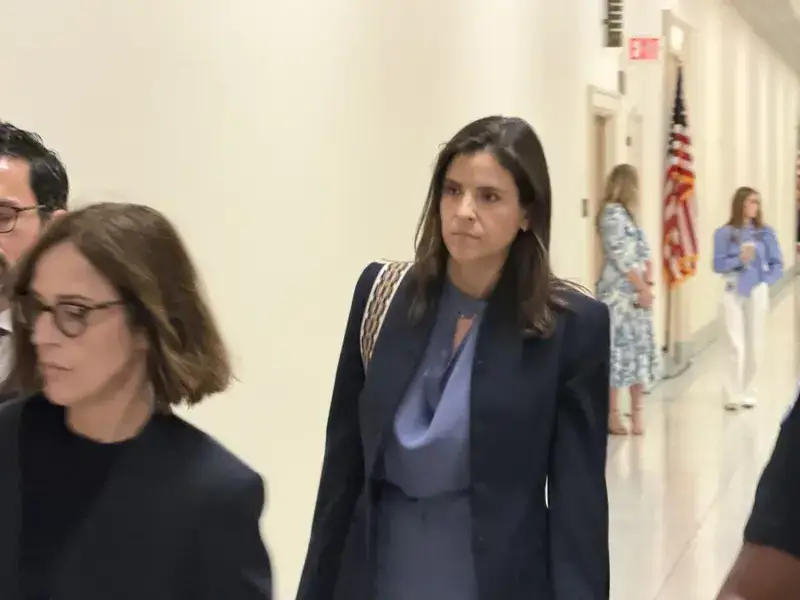
She described being assaulted in her own bedroom while she slept. She described the gym in Palm Beach.
Then she named the three men.
One source said Kellen asserted that Fekkai assaulted her in the early 2000s — before she met Epstein — when the two were alone together in a hotel room while on a trip to Hawaii to meet with modeling agents. She told committee investigators that Levine assaulted her in St. Tropez at a home being rented by Epstein and his co-conspirator Ghislaine Maxwell in the early 2000s.
The Denials
Fekkai’s media representative pushed back hard. “Mr. Fekkai was astonished to read of Ms. Kellen’s testimony. Mr. Fekkai never abused anyone. He never participated in any illegal behavior. He knew nothing about Epstein’s repugnant depravity or trafficking. He did nothing wrong,” the representative, Mark Herr, said. He called the assault allegation categorically false.
Levine, who served as Miami Beach mayor from 2013 to 2017 and ran unsuccessfully for Florida governor as a Democrat in 2018, has previously distanced himself from Epstein. Earlier this year, Levine told WLRN that his only connection to Epstein came through his former friendship with Ghislaine Maxwell, that he met Epstein only a few times, never did business with him, never visited his island, and never flew on his aircraft.
Demarchelier’s representatives could not be reached. Demarchelier previously denied allegations of sexual misconduct detailed by The Boston Globe in 2018.
“The Most Substantive Testimony to Date”
House Oversight Chairman James Comer, a Kentucky Republican, said Kellen’s deposition was the most useful interview his committee has conducted. “Of all the people that we’ve interviewed thus far, this was by far the most substantive, productive interview that we’ve had. She was very brave coming forward,” Comer told reporters.
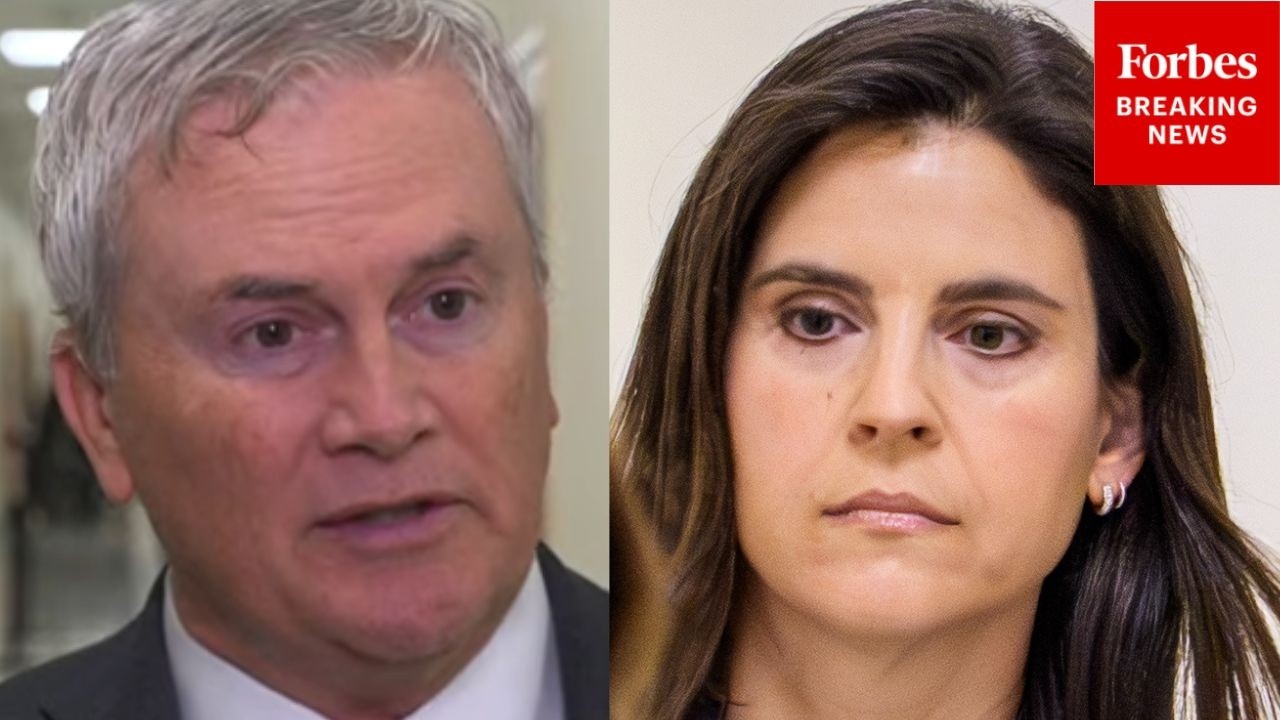
He said the three names were new to investigators and promised the transcript would be released as quickly as possible.
The Epstein files are not a partisan story. They are a story about powerful men.
The Question Congress Has Spent Years Avoiding
For nearly two decades, the official record on Jeffrey Epstein has been shaped less by what investigators found than by what they chose not to pursue. The 2007 non-prosecution agreement in Florida shielded an unknown number of his associates from charges.
The FBI sat on evidence. Names appeared in flight logs and address books and were quietly redacted out of public view. Ghislaine Maxwell sits in federal prison and almost no one else does (although she was moved to a much nicer “Club Fed” after a meeting with Todd Blanche).
Although Kellen’s name appears in more than 100 documents among the Epstein files, the Department of Justice redacted her name and image in others, which led to questions about why the DOJ was protecting her identity. She was both inside the operation and, by her own account, being assaulted within it.
Three more names are now in the hands of congressional investigators. Two of the men deny the allegations. One is dead. The transcript will be released in the coming days, and the public will see what Kellen said in her own words.
What happens after that is the test. Epstein’s network was vast. The men who passed through his houses, visited his island, and flew on his plane, were not nameless ghosts. Those men were powerful people who lived all over the world.
They were dressed by famous stylists, photographed by famous photographers, governed cities, ran companies, sat in courtrooms and boardrooms and on the boards of charities. Most of them still do those things.


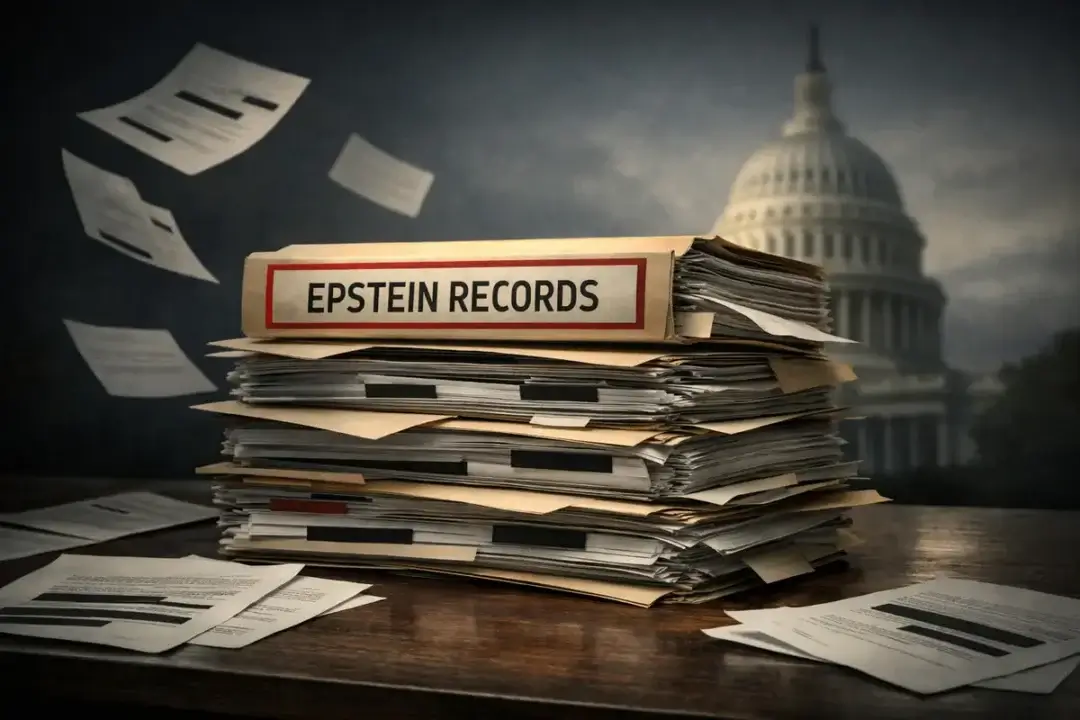
And they’re also doing what they can to make sure we never see their names under those black bars in the Epstein files.
A name is only the beginning. Let’s hope accountability is what comes next.