

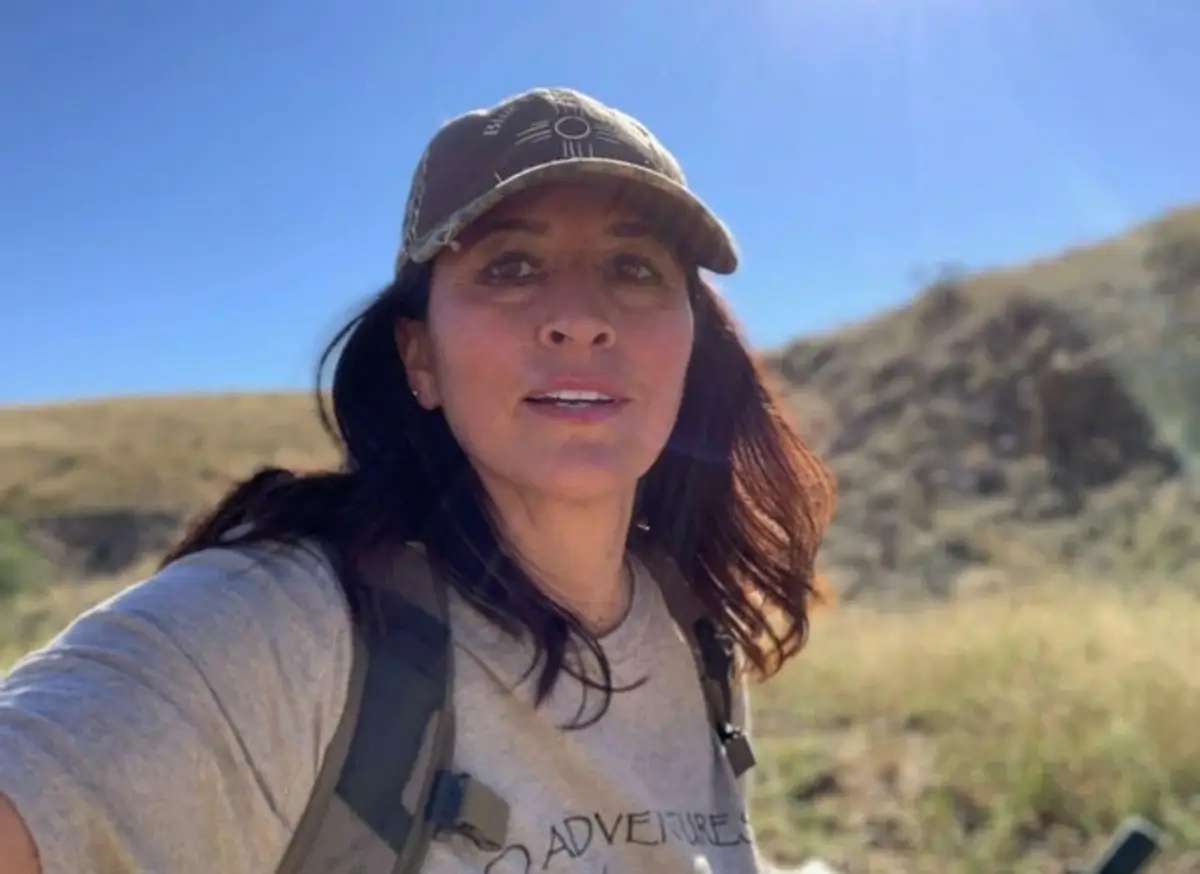

Almost eleven months after she walked away down a New Mexico highway and disappeared, Melissa Casias has been found.
A hiker came across human remains last week in the McGaffey Ridge area of the Carson National Forest, and over the weekend New Mexico State Police confirmed they belonged to her.
She would have been 53.
A handgun was found nearby. The medical examiner has not yet determined how she died.
If her name sounds familiar, it may be because Casias was swept up in one of the strangest stories of the year — the claim that a string of people connected to America’s secret laboratories were vanishing or turning up dead in some coordinated pattern.
We wrote about that story in April, and we were careful then to separate the genuinely unexplained cases from the ones being stretched to fit a theory.
The discovery of Melissa Casias is a painful reason to be careful again.
Who she actually was
Casias was an administrative assistant at the Los Alamos National Laboratory. Not a nuclear physicist.
Not a weapons designer. An administrative assistant, and by every account a wife, a mother, and an aunt.
She was reported missing on June 26, 2025, after she failed to show up for work and never came home following a visit to her daughter.
She was last seen on surveillance footage walking alone along a highway near Talpa, wearing a backpack.
Her purse, her ID, and her phones were left behind at her home in Taos, roughly eight miles away.
One of those phones, NBC News reported at the time, had been factory-reset.
From the beginning, the New Mexico Department of Public Safety said it did not suspect foul play.
Those details matter, and they deserve to be stated outright rather than mined for intrigue.
The cause and manner of her death remain officially undetermined, and out of respect for her family and for the facts, that is where the responsible account stops.
What we can say is that her remains were found in rugged wilderness, in an area her family says had already been searched, ending nearly a year of not knowing.
The story that grew up around her
Melissa Casias became one of the names in a Republican-led House Oversight Committee inquiry, in which Chairman James Comer wrote to FBI Director Kash Patel citing “at least ten” people with ties to nuclear secrets or rocket technology who had died or disappeared.
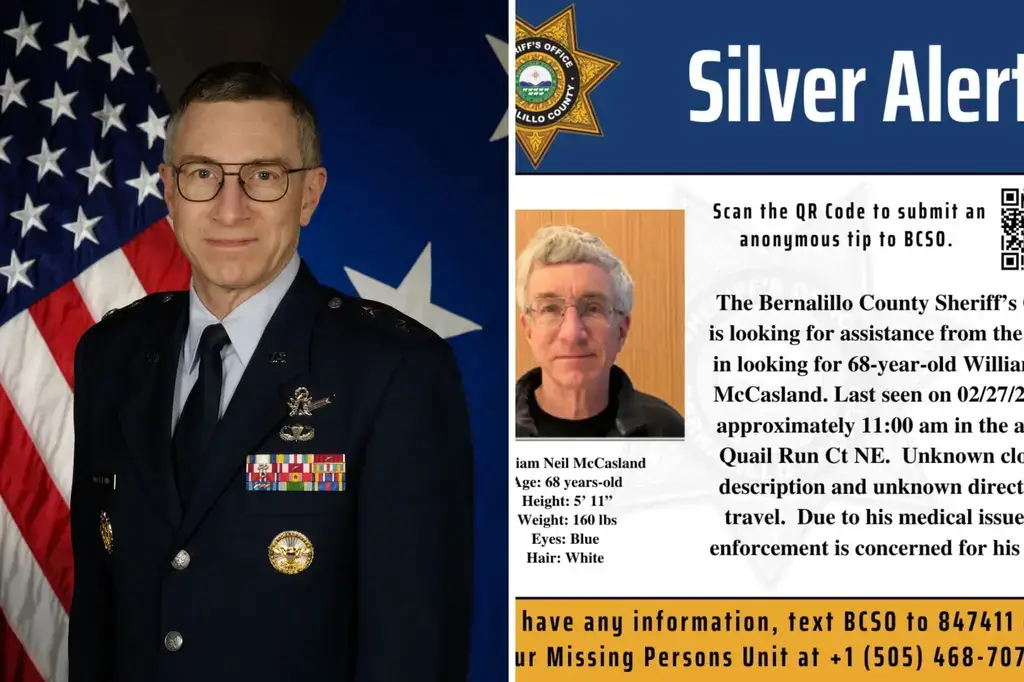
Patel said the bureau would produce a report after reviewing state investigations at the White House’s request.
But look closely at the New Mexico names folded into that “pattern.” Melissa Casias was an administrative assistant.
Anthony Chavez, 78, who vanished from Los Alamos a month before her, was a retired construction worker — and police have said there are no signs of foul play in his case either.
Two of the deaths most often cited nationally already have named suspects in custody: an MIT plasma physicist killed by a jealous former classmate, and a Caltech astrophysicist shot outside his home by a man who has pleaded not guilty and awaits a hearing.


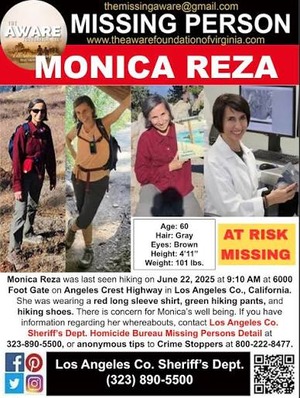
A retired FBI agent told Fox News the New Mexico cases looked alike mainly because the people left their belongings behind and walked away alone — a description that sounds less like espionage than like crisis.
None of that is proof of anything, and the families are owed real investigations, not glib conclusions.
But there is a cost to packaging private anguish as a spy thriller. It turns a grieving family into content.
It crowds out the quieter, more likely, and more human explanations.
And it lets the institutions that should be answering questions hide behind the noise.
What accountability actually looks like here
Because there is a real accountability story, and it is not the one going viral. Los Alamos National Laboratory has referred reporters to the White House Press Office rather than answer basic questions about its own employees.
A family spent nearly a year searching ground that had supposedly already been covered.
In their statement confirming the remains were Melissa’s, her relatives said their hearts are heavy and that they intend to keep pursuing “answers for justice.”
That is the standard the rest of us should hold, too. Not the thrill of a conspiracy, but the plain decency of an answer.
Melissa Casias was a person, not a plot point. After eleven months, her family finally knows where she is.
They still don’t know why she’s gone — and they, more than the committees and the streamers and the rest of us, are the ones entitled to find out. They deserve justice.