


In this listicle, you’ll learn how to protect democracy as an individual — things you can do outside of the marches and protests. Dont get discouraged. You dont have to do all eight things on this list. Pick one. It’ll make a more of a difference than you realize. Things are bad right now and people are suffering…
But we got this.
In the span of a few weeks, three planes of confused Venezuelan passengers traveled from Washington, D.C. to a maximum-security prison in El Salvador with no hearing, no evidence presented, and no chance to say "you have the wrong guy" — after a federal judge ordered the flights turned around.
A Columbia University graduate student with a green card was arrested at his apartment over a protest. Tens of thousands of federal workers lost their jobs by email. Entire agencies were emptied out by people nobody elected.

And the most common thing I hear from readers is some version of: what am I supposed to do about any of this?
That feeling is not a personal failure. Flooding people with more crises than they can track is a strategy, and exhaustion is the point. So let's talk about what actually works — not vibes, not doomscrolling, but things a regular person can do this week.
Small Numbers Move Big Things
Harvard political scientist Erica Chenoweth studied hundreds of movements going back a century and found that when roughly 3.5% of a population turned out in sustained, nonviolent resistance, no government withstood it.
That's not a magic spell, and it's not a guarantee. But 3.5% of the United States is about 11 million people. That's a number you can picture.
The last No Kings protest was attended by 7-8 million Americans protesting the Trump administration’s attack on democracy.
You don't need to be all 11 million people. You only need to be one of them.
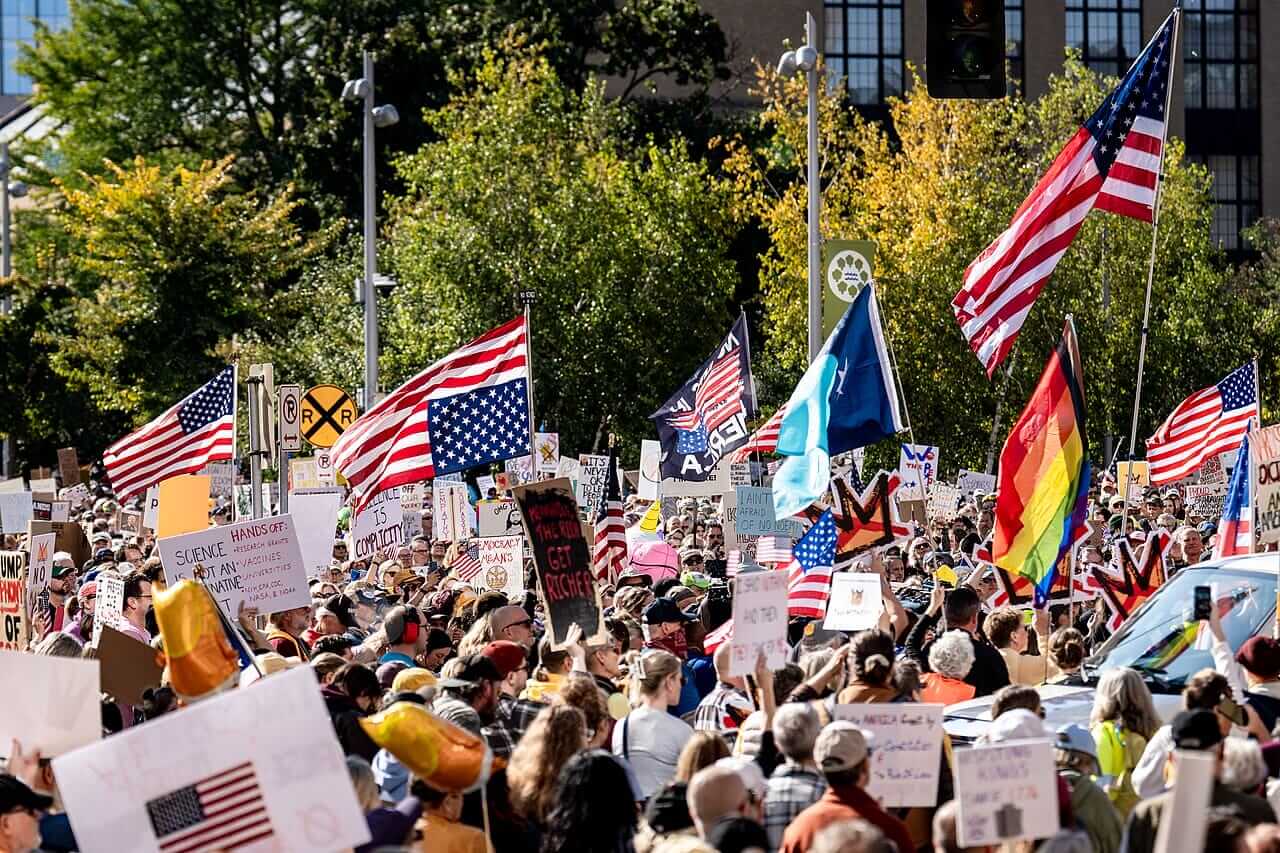
1. Show up where you can be counted
The 50501 movement — 50 protests, 50 states, one movement — went from a Reddit post in January to protests in every state by February 5. Indivisible has local chapters that meet in libraries and church basements and actually do the unglamorous work.
Then there are town halls. After Republican members of Congress got shouted down by their own constituents in February, party leadership advised them to stop holding in-person events.
Republicans stopped showing up because it was working. Go anyway. Ask a direct question. Ask for a yes-or-no answer. Record it.
2. Call. Don't email.
Emails get auto-sorted. Calls are written on a log and tallied by a 24-year-old staffer who reports the nummber to a member of Congress.
The Capitol switchboard is 202-224-3121.The 5 Calls website shows you who your representatives are and gives you a script of what you should say. Keep it under a minute: your name, your ZIP code, the bill, and what you want them to do. You don't have to be an expert. You just need to be a constituent.

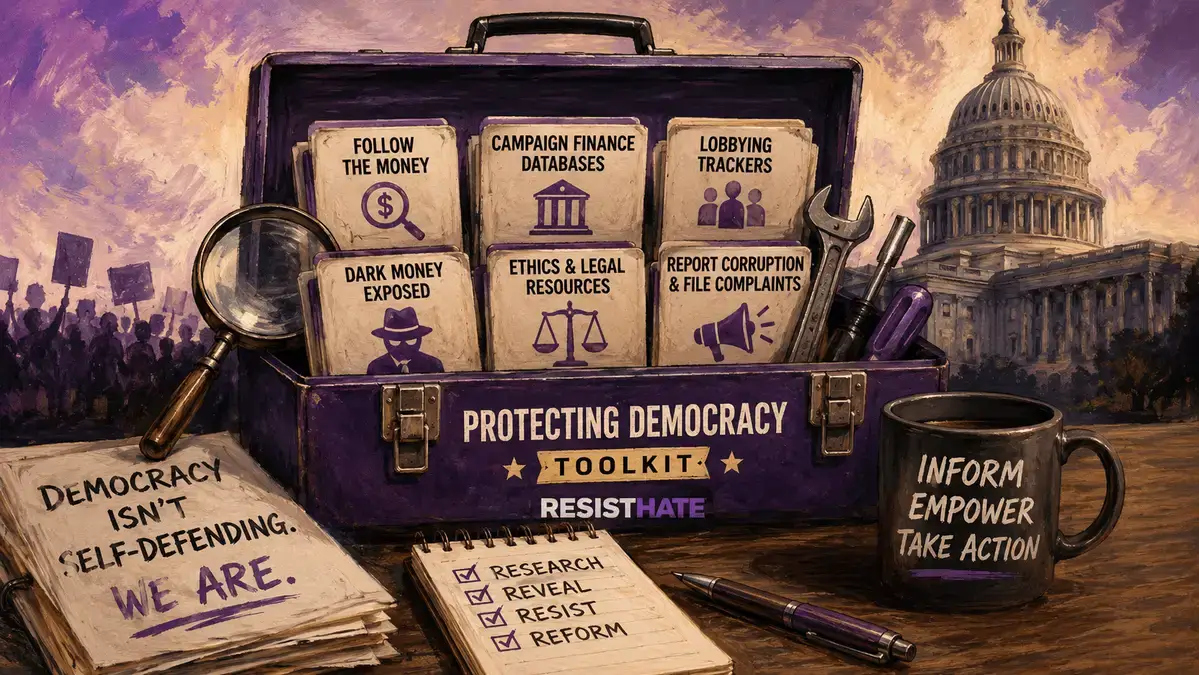
3. Go local, because that's where a lot of this is decided
Whether your county sheriff signs a 287(g) agreement to hand people over to ICE is a local decision, made at a meeting almost nobody attends. So is what books your school library is allowed to have on its shelves, and what your city budget funds.
Find out when your county commission, school board, and library board meet. Show up once. You’ll be shocked that there aren’t many people in the room — that makes your presence matter.
4. Learn your rights — then teach them to somebody else
The ACLU's know-your-rights materials are free, printable, and available in multiple languages.
The essentials: you don’t have to open your door unless agents have a warrant signed by a judge, you can ask them to slide it under the door, and you have the right to remain silent and the right to speak to a lawyer.
United We Dream runs a deportation defense hotline at 1-844-363-1423. Put it in your phone. Give it to a neighbor. If you've been following our coverage of what mass deportation actually does to communities, you already know the type of people the’re detaining aren’t the “worst of the worst” criminals like the officials claim on morning news shows.
5. Protect the people who run elections
Local election officials have been quitting in waves under harassment and threats, taking decades of institutional knowledge with them. The Brennan Center has tracked it for years.
You can replace some of that. Power the Polls will connect you with your county's poll worker program. It's paid work, it's a long day, and it is one of the few jobs where showing up is the entire contribution.



6. Pay for journalism
The Associated Press was barred from the Oval Office and Air Force One over its refusal to adopt the phrase "Gulf of America." That's a warning shot at every outlet watching.
Subscribe to your local paper. Donate to independent outlets. Support the Reporters Committee for Freedom of the Press, which provides legal defense to journalists. Reporting that nobody funds is reporting that stops existing.
7. Build the thing you'd want in an emergency, before the emergency
Know your neighbors' names. Know who on your block is elderly, disabled, undocumented, or living alone. Find your local mutual aid network or start a group text with four people.
This isn’t a consolation prize for people who can't march. Mutual aid networks are what actually helped people during the pandemic and after every hurricane, and they're what will help people now.
Pace yourself, and be kind about it
You cannot do all eight of these. Pick two. Do them badly at first. Do them anyway.
And when you're tempted to look away because it's too much — and you will be, because it is too much — remember that the people in that Salvadoran prison don't have the option of tuning out. Neither does the mother deciding whether it's safe to take her kid to the doctor.
We can carry more when we carry it together.