

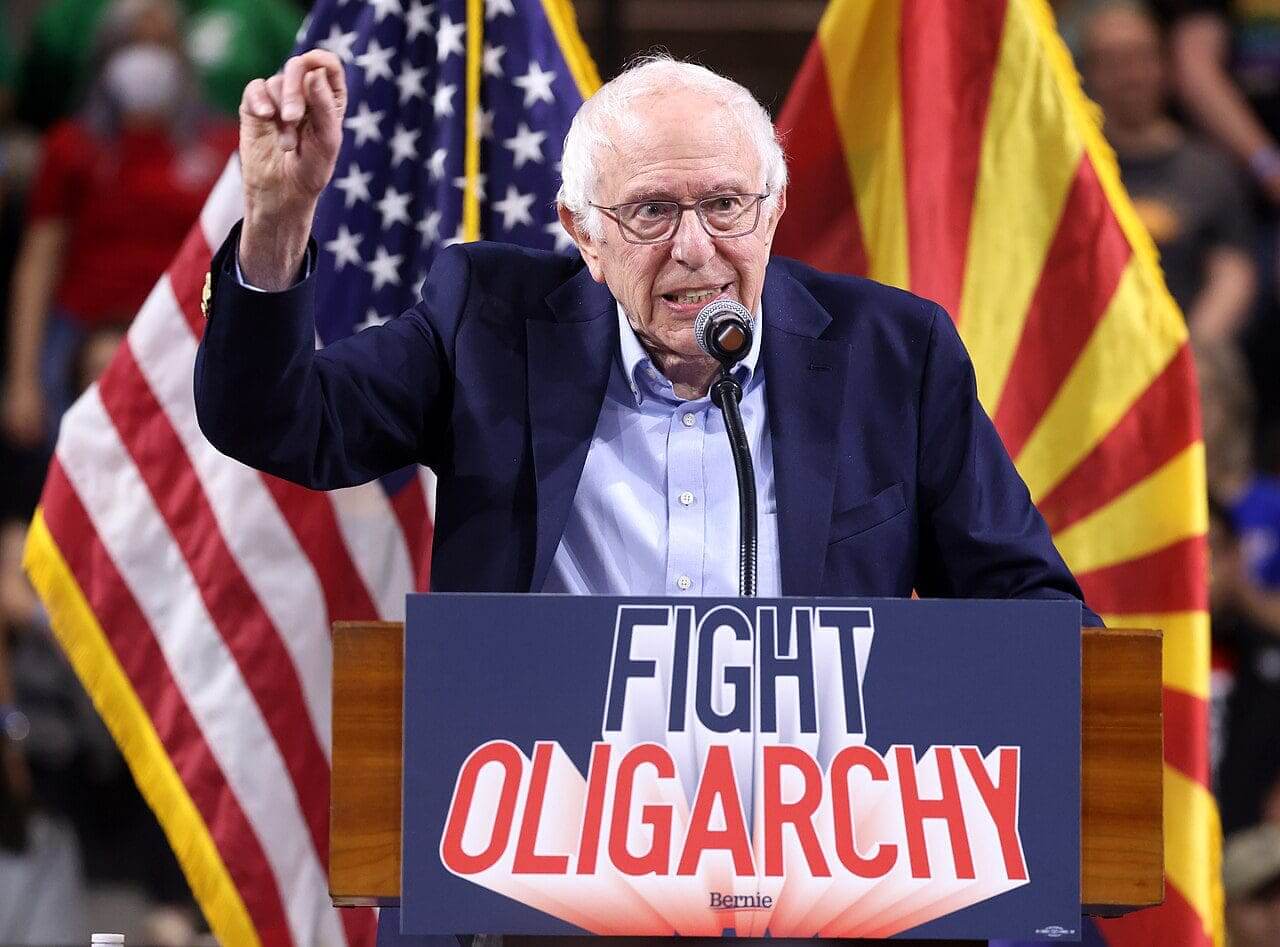

Every Democratic Loss now triggers a new round of debate over one of the most well-worn questions of contemporary electoral politics: Would Bernie Sanders have won?
The original debate, of course, was literal: Immediately following Hillary Clinton’s shocking loss in 2016 to Donald Trump, the insurgent left insisted that their favored Democratic primary candidate would have clinched a general election victory where the nominee herself could not.
The argument went something like this: Trump’s anti-establishment, anti-neoliberalism, and anti-status quo orientation easily catapulted him to the top of the Republican Party and popular appeal in the swing states that determine the American presidency.
However dubious his credibility as a working-class hero (and you may recall he’s a billionaire real-estate titan whose penthouse has a golden elevator), Clinton was a walking avatar for the exact elite political class that Trump so effectively demonized.
Bernie Sanders, on the other hand, had spent his entire career making arguments against the ruling class that precisely mirrored Trump’s: Where Donald blamed immigrants and demanded mass deportation for American woes, Sanders rightfully lambasted the rich and powerful for causing working-class discontent and demanded social welfare as a response.
Sanders’s narrative — “yes, the system IS fucked, you ARE getting screwed, now let’s take on the fat cats who are doing it and get everyone what they deserve” — offers an answer, and a positive alternative, to Trump’s pitch.
Clinton’s narrative was something closer to, “no, the system IS NOT fucked, you AREN’T getting screwed, now please vote for the fat cats’ favorite politician.”
Eight years later, Kamala Harris’s loss to Trump has resurrected another back and forth between camps pinning Democratic Party decline on class issues versus cultural ones: Did racism and bigotry deliver a crushing Trump victory, or did “economic anxiety”?
Setting aside the obvious problems with presuming only one can be at play or that they’re wholly distinct, these discussions miss all that “Bernie would’ve won” really means: There’s no way to beat Trumpism without class struggle and a promise of change for working people, and waging it requires multiracial working-class solidarity and a party that represents that coalition’s interests.